Critics fear new Chatham County housing development puts tribal history at risk
AI-generated summary reviewed by our newsroom.
- Chatham officials face developer plan for 107 homes on 622 acres near Haw River.
- Tribal leaders say Riverbend risks 10,000-year village sites, artifacts, burials.
- County options limited: developer avoided rezoning; state review cleared project.
The story was updated after the Chatham County Board of Commissioners approved Riverbend Estates.
A developer got approval Monday to build 107 new homes in rural Chatham County without addressing worries about the harm to undiscovered Native American history or the burden of cut-through traffic on a private road.
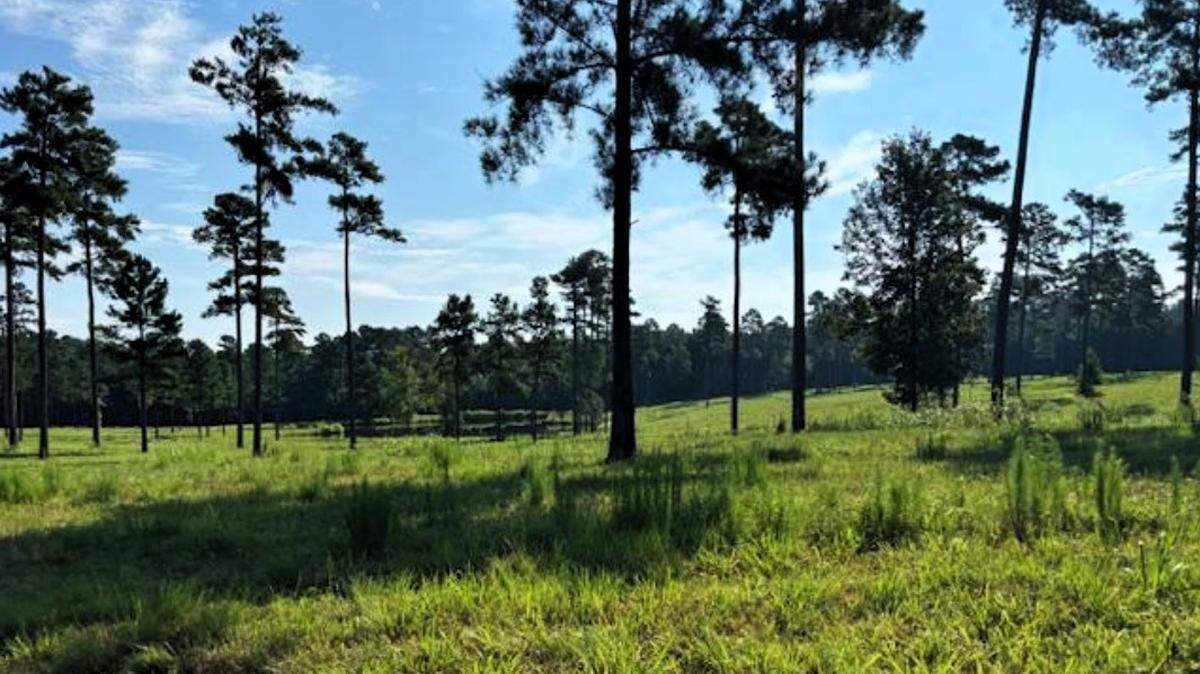
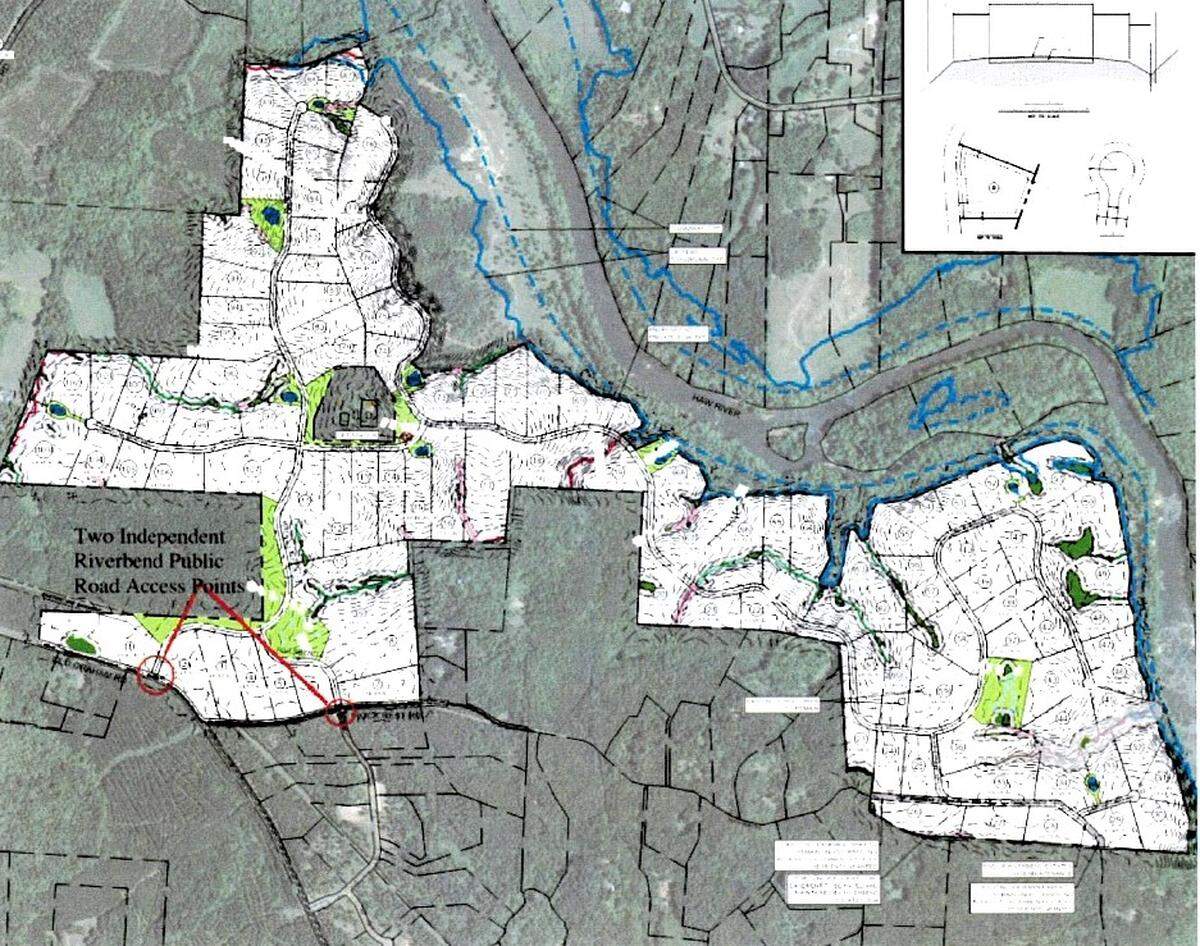
Developer Swain Group plans Riverbend Estates at Laurel Ridge for 622 acres off Old Graham and Rock Rest roads, between N.C. 87 and U.S. 15-501. The homes would sit on minimum 3-acre lots , and the neighborhood could be built over 30 years.
The Chatham County commissioners voted 4-1 Monday to approve the first phase of the development, with Commissioner Katie Kenlan voting no. The project faced automatic approval Dec. 25, because local zoning allows “by right” development if it meets specific requirements.
The site hugs a bend in the Haw River, roughly 1,200 feet from where UNC archaeologists found Native American burials in 1983. The sites were dated to at least 10,000 years ago.
The Occaneechi Band of the Saponi Nation is descended from the Sissipahaw, who lived in fishing villages that lined the Haw River in Alamance and Chatham counties until the 1700s, said Crystal Cavalier-Keck, an Occaneechi tribal member and co-founder of the nonprofit Native American environmental group 7 Directions of Service.
“Today, our citizens continue to visit this area to harvest medicines, conduct ceremonies, and maintain living cultural practices directly connected to this landscape,” she said.
Nick Robinson, an attorney for the developer, did not address concerns about undiscovered history at Monday’s meeting.
If burial sites are found during construction, state law requires work to stop so the county Medical Examiner’s Office can determine cause of death. The Office of State Archaeology works, often with relatives or tribes, to protect any human remains.
The commissioners briefly discussed trying to meet with the developer to discuss a publicly funded site study. The board also heard a proposal for a committee to better plan the county’s response if future projects uncover Native American or slave burial sites.
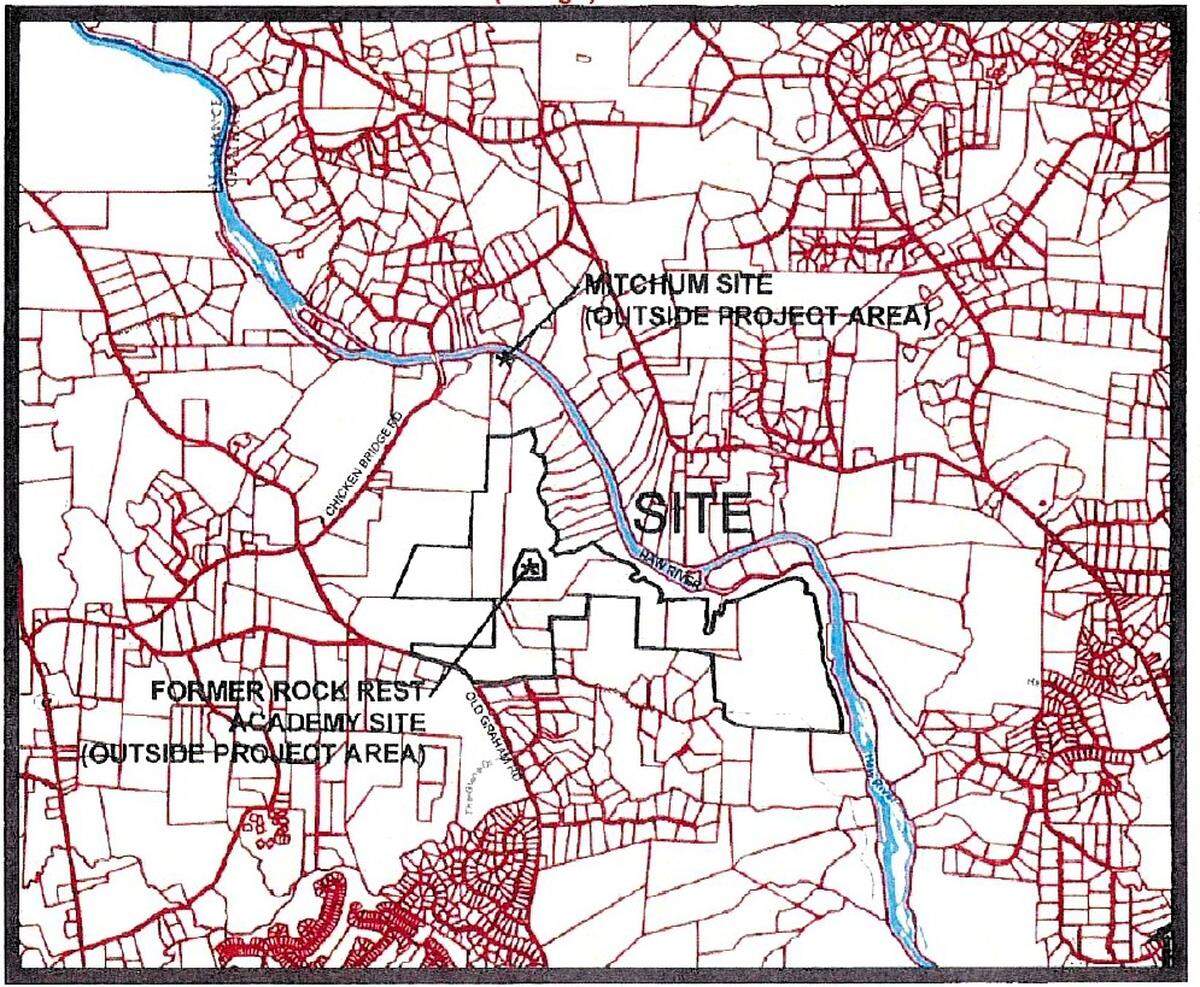
Only 10% of the Mitchum site has been surveyed, but oral histories described it as home to multiple Siouan-speaking peoples, including the Occaneechi, Saponi, Shakori, and Eno, Cavalier-Keck said. She noted archaeological reports of “an extensive cultural landscape,” including seasonal camps, quarries, fields and storage pits, and trail networks.
A second major village site was found on the other side of the Haw River, she said, making it likely that artifacts and burial sites could be scattered across the area.
The developer could resolve concerns by conducting a monthlong archaeological survey of the 622 acres in partnership with the Occaneechi tribe, and by dedicating a conservation easement for the most sensitive portions of the land, she said.
But the best outcome would be to stop development, Cavalier-Keck said last week, because construction is erasing history and severing the ties between North Carolina’s tribes and their ancestral lands.
“Many people don’t know that there are links to our ancestors, because nobody talks about it. Nobody is able to go to these sacred sites and pray or even see it,” she said. “It’s different when you go and see these things, and to be able to have this connection.”
Challenges to archaeological preservation
Chatham commissioners said they wanted to do more to preserve history, and in November, then-Commissioners Chair Karen Howard suggested meeting with Occaneechi members and developers to see what’s possible.
The State Historic Preservation Office has the legal authority to recommend site studies, but sent a letter in September 2024 saying it is “aware of no historic resources which would be affected by the project.”
State officials told The News & Observer there is little they can do beyond a courtesy review if the site is not listed in or eligible for the National Register of Historic Places, and if it requires federal funding or a permit, such as from the U.S. Army Corps of Engineers.
Native American activists have been fighting a similar battle on the coast, where thousands of artifacts and 11 burial sites dating to 1000 B.C. were found during construction of the 21-acre Bridgeview subdivision in Cedar Point. That project remains on hold.
Chatham County Commissioner David Delaney pushed in November for the Riverbend developer to consider a voluntary study, but the developer has not responded.
“The Mitchum site is the Mitchum site because it was easy to find, because it’s on the banks of the river, it’s a well-traveled space, it’s easy to see,” Delaney said. “It’s recognized as being a locus around a much larger area, which financially and for other reasons simply can’t be studied in great detail when you have woods and farmlands there, but we’re at that point now.”
“It’s a treasure that can only be lost once,” he said.
Other Chatham County history at risk
Rock Rest Road and nearby Paces Mill neighbors are also opposed to the Riverbend Estates project, said Elaine Chiosso, an environmentalist and the former executive director of the nonprofit Haw River Assembly.
They asked the developer to remove three lots south of Rock Rest Road to protect local waterways and plant and wildlife habitats, and to make changes that would keep construction traffic and future residents from using their private, dirt road.
On Monday, attorney Robinson said the developer is going to wait and see if Rock Rest Road, which cuts through a corner of the project site, needs to be relocated or a gate installed to limit access. That might be 20 or 30 years from now, he said.
No mention was made of neighbors’ concern for preserving local history.
Rock Rest Road is one of Chatham’s oldest communities, where neighbors established a post office, girls academy, schoolhouse, dairy, and one of the first bridges across the Haw River that connected the community to Pace’s Grist Mill, she said.
The community flourished until the mill and the bridge were lost to a tornado in the 1920s. It was revived in the 1970s when a group of farmers, artists, market gardeners, builders and others restored the old houses and took steps to protect the Haw River and Dry Creek, she said.
They saved 182 acres near the river, but other parcels were bought up and leased to paper and timber companies, she said. That land is now being considered for Riverbend Estates.
“You hear a lot from developers and lawyers about their rights and costs of development, but what about the cost to the community that’s been such a rich part of Chatham County’s history,” Chiosso told the Chatham County commissioners in November, asking, “What will be lost?”
Uniquely NC is a News & Observer subscriber collection of moments, landmarks and personalities that define the uniqueness (and pride) of why we live in the Triangle and North Carolina.
This story was originally published December 15, 2025 at 10:06 AM with the headline "Critics fear new Chatham County housing development puts tribal history at risk."