This NC town hosts a retro diner, a planned Disney community — and a death fair
The once-small town of Pittsboro has garnered attention for its retro diner and Disney planned community — but it’s also home to perhaps the only annual death festival in the United States.
Created in 2016 by Raleigh native Tami Schwerin, the Death Faire is a celebration and discussion of death and grief. This year’s fair kicks off Friday with most of the events Saturday at The Plant, Schwerin’s 17-acre industrial park and event space, with vendors, speakers and activities, including an interactive altar for the dead and a poetry hour.
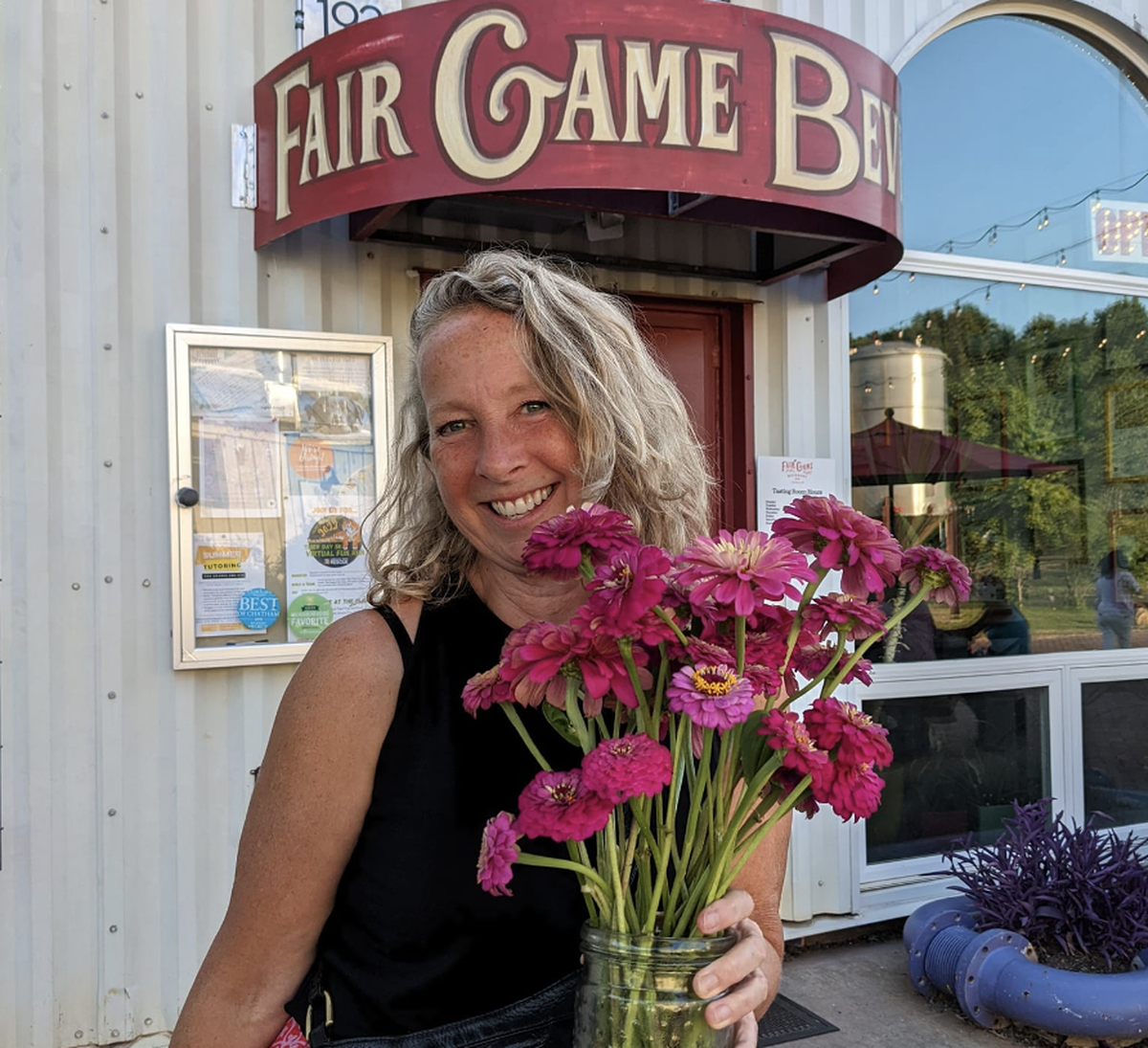
Schwerin, 59, spoke to The News & Observer about the story behind the fair, what it means to her and what most people get wrong about death. Her answers have been edited for clarity and length.
What was the inspiration for creating The Death Faire?
Tami Schwerin: It came out of tragedy in our community here in Chatham County. We were surrounding a man that had ALS and he was actively dying. We were really learning about death with him, and he was a really special fellow; we were building a graveyard on our property to take care of him.
Then my son died before he did, my 19-year-old son. He was out in Boulder, Colorado, and thought that smoking heroin was a good idea. … And it was weird, because we were studying death and green burial and all these things because of our neighbor, and so we got to do that firsthand [with our son]. The beautiful part of that was just the amazing community that surrounded us. We had a wake for probably seven days of just so much food and community coming in to visit, and then we had probably 900 people come to the funeral.
We had been talking about having some sort of a gathering around death, and then when my son died, I was like, ‘Oh, there’s no way I could do that.’ And then a few months go by, and I was like, ‘I have to do this.’ So we did it. And some people thought it was very strange and that you shouldn’t even mention the word ‘death’ in the title. We had 600 people show up.
That’s a huge response. What were you hearing from the community after you held that first gathering?
Schwerin: Oh, it was magical. We partnered with the Hispanic Liaison in the next town, and so the first year was a study of how the Mexican culture handles death, because they have such a different way of dealing with it than our American culture. We had just an outpouring of amazing responses. … It’s just a cultural and spiritual celebration and a lot of learning. Every year, it just kind of magically happens. It really does feel like the spirits are helping us put this thing on.
I’m curious about how that experience of putting on that first gathering right as you were dealing with losing your son helped you process.
Schwerin: It very much helped. It felt like I was not alone. When you have such a terrible thing happen, people take it all different ways. And so some of our friends and acquaintances, we would see them on the street, and they would turn around and run because we were scary. … That was one of the things. I was like, “What is going on here?”
There’s some people that really can’t even talk about it or think about it. I was in that camp before my son died, because we didn’t really talk a lot about death growing up. I was running a nonprofit around community and stuff, and so I really thought, “Well, let’s just dive into this and try to figure it out.” I think there is probably a national movement of death literacy happening, but I don’t think there’s a fair like this going on. I’m kind of proud of it.
What’s the most impactful misconception or misunderstanding you’ve tackled around death and dying that’s really stuck with you?
Schwerin: People try to walk away from death versus really getting close to it. … If that person’s dying, it’s best if you can really talk about it. If you’re in this denial phase, which has happened with some other family members, it’s just not very fulfilling to say, “OK, I’ll see you in a few weeks,” where you know they’re gonna die in two days. We have to embrace it and take the fear out of it.
How has the community graveyard you mentioned evolved over the years?
Schwerin: I never imagined running a graveyard, and it is so joyful and weird. We get to work with these families, and most of them are not tragic [deaths] – they’re 93-year-olds and had a great life. There’s been some humor where we had to jump in the grave and they weren’t situated right. We’re really very hands-on with that. Everyone that comes to these services [is] like, “That’s the way it should be done,” versus [the] conventional [way], where you walk away and somebody else handles everything.
How do you finance all of this?
Schwerin: The graveyard people pay to be there, and then [the fair] is a 501(c)3, so we do raise money to put on Death Faire once a year. We have sponsors, and then we have tickets. It kind of pays for itself.
Are there any aspects you’ve added to the fair over time that you would especially want to highlight?
Schwerin: It does change a little bit every time. We have a beautiful art show that’s really awesome. … There’s 55 pieces going in today of different artists. We have a poetry hour. We have a tarot reader that’s going to guide people through their own death and a meditation. And our keynote speaker is … Sherri Dillard. I don’t know what she’s going to talk about, but she’s pretty amazing when it comes to connecting with your loved ones.
We have [a talk about] psychedelics, and that’s through living and dying. Psychedelics sometimes are used to relax and let go of control so that you can get to a better place. If you have a terminal illness or you’ve got some sort of trauma — psychedelics are great for trauma. … We’ve got a pop-up vendor fair happening. We have a couple rituals, and then we’ve got some different cultures giving talks about how they handle stuff. And we have the Paperhand Puppets — they’re kind of throughout the day, and then they have a parade at the end.
What about the Pittsboro community do you think really helps you facilitate this event?
Schwerin: It’s a very eclectic community of artists and farmers and academics. We’re growing like crazy, but it’s always been a really beautiful community here. I grew up in Raleigh, and we just didn’t have that growing up. I’m sure there’s pockets of community here, but this is a small town that’s about to explode, and people just really look out for each other.
What message would you want to share with people to encourage them to attend the Death Faire?
Schwerin: It’s very much for the living, and it’s all about living your best life. I think you have to experience some of these things to live fully. Some people are so fearful in their lives, they don’t live really fully. … It’s all ages, children running around to the very old, and it’s every color and ethnicity you could ever imagine. It’s the rich and the poor. The one thing that we all have in common is death. It’s really one of the most celebratory events that we hold.
How to go
Death Faire is at The Plant, 192 Lorax Lane, Pittsboro. Tickets can be bought at theplantnc.com before Saturday for $25 and on Saturday for $30.
This story was originally published October 31, 2024 at 9:27 AM with the headline "This NC town hosts a retro diner, a planned Disney community — and a death fair."