
Duke professor, co-founder of lemur center, civil rights crusader, dies at 95
AI-generated summary reviewed by our newsroom.
- Peter Klopfer co-founded Duke’s Lemur Center and had a 40-acre outdoor lab.
- Klopfer appealed to the U.S. Supreme Court over North Carolina’s speedy-trial duty.
- He helped found Carolina Friends School as one of the South’s first integrated schools.
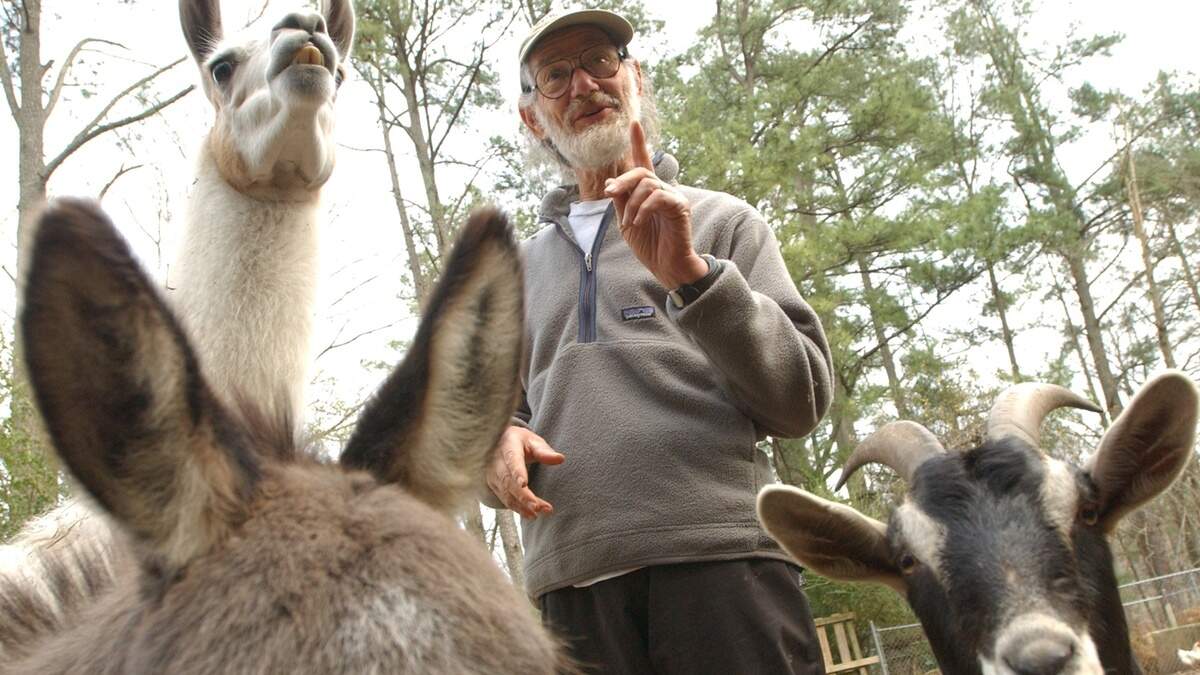
Over his half-century career, Peter Klopfer trained his zoologist’s eye on the busy lives of animals: how ducks raise a family, when goats say hello, and especially, why lemurs hibernate.
This fascination with primate sleep would lead the longtime Duke professor to co-found the campus Lemur Center, a cherished refuge for the endangered darlings of Madagascar.
But Klopfer, who died this month at 95, owns a larger legacy for his work to elevate the lives of human beings — a side project only slightly related to the daily habits of fish or tortoises.
Klopfer, a lifelong Quaker and pacifist, joined a group of would-be demonstrators in 1964 outside the segregated Watts Grill in Chapel Hill, hoping to persuade the ownership to serve Black patrons.
Instead, they got beaten bloody in the parking lot while sheriff’s deputies watched, then carried them off to jail. Klopfer’s court date should have ended with a hung jury, but the prosecutor kept the case alive through a rare tactic that left the Duke professor dangling in legal limbo.
So he appealed, then appealed again until he reached the U.S. Supreme Court.
And today, largely thanks to his persistence, North Carolina is obliged to provide its citizens with a speedy trial.
“To my dismay,” he told The N&O in 2004, “I think I’m cited more often in legal texts than in biology texts.”
Good trouble
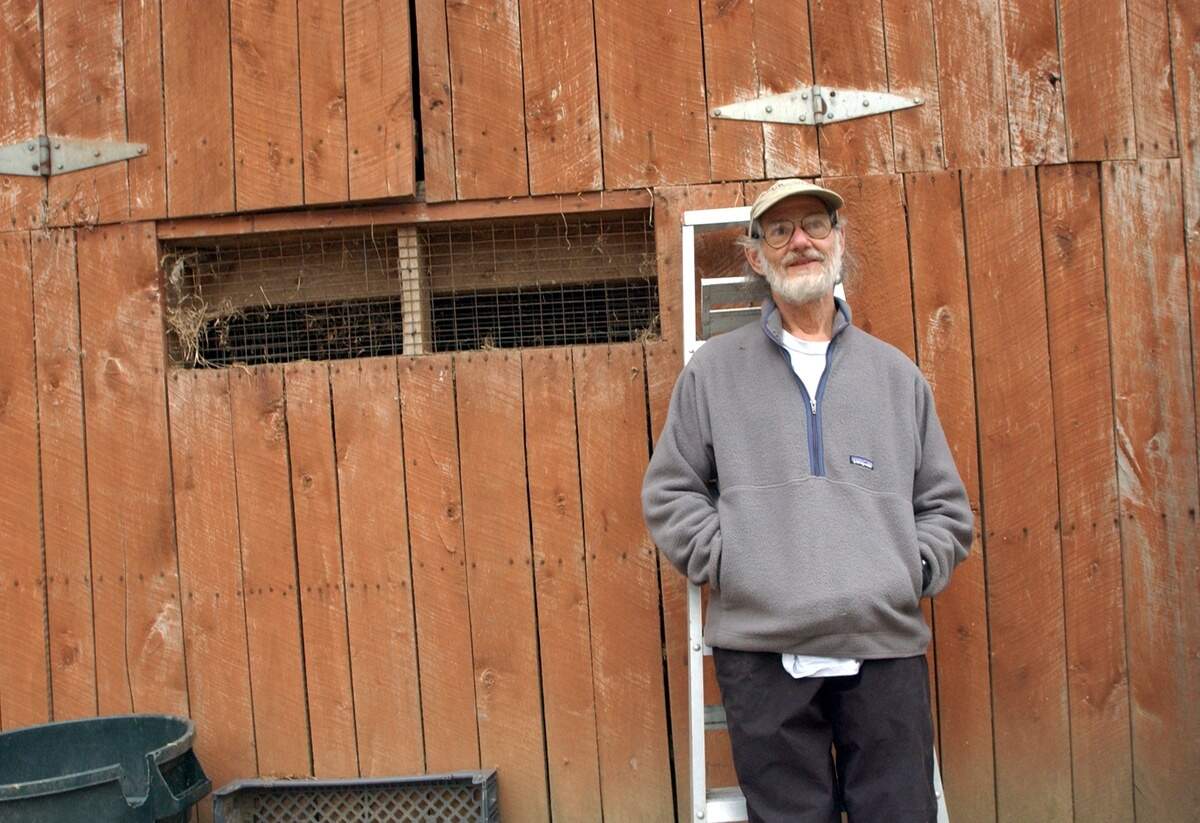
Klopfer first ran afoul of the law as an undergraduate in the 1950s, lobbying to end mandatory military training at UCLA, which expelled him in response. He would then serve a brief prison stint for refusing to enter the draft for the Korean War.
This drew the unwelcome attention of McCarthyites in Washington, which sent Klopfer emigrating to England. But Duke wooed him back to the States, offering the rare accommodations of lab space and forest acres to keep wild animals, eventually leading to lemurs.
Soon, Klopfer recalled, he and his wife, Martha, stepped off the plane in Raleigh and got their first glimpse of segregation through the infamous race-coded water fountains.
Later, he would tell many interviewers, he walked into a Durham laundromat and mistook “Colored Only” and “Whites Only” for washing instructions, getting a stern finger-wagging from the more seasoned patrons.
He ignored local custom.
When the Klopfer children reached school age in 1962, their parents helped found Carolina Friends School rather than send them to whites-only classrooms and perpetuate racial myths they considered to be a virus. This opened doors for one of the South’s first integrated schools.
“It was clear that our children were going to be ready for school before there were integrated classrooms,” he told The Durham Civil Rights Heritage Project in 2003, “and we were not going to make them — we were not going to allow them — to go to a segregated school. So we had the option of returning to England or going elsewhere or founding our own school.”
Even in his 80s
Remember that through all of this, Klopfer led the life of a scientist.
He studied turkey and deer while his court case slogged through the justice system, and he welcomed a collection of lemurs to his 40-acre outdoor lab — a happy accident of a like-minded professor, who had contributed money for Klopfer’s ongoing legal bills, needing some space.
Klopfer never stopped pushing.
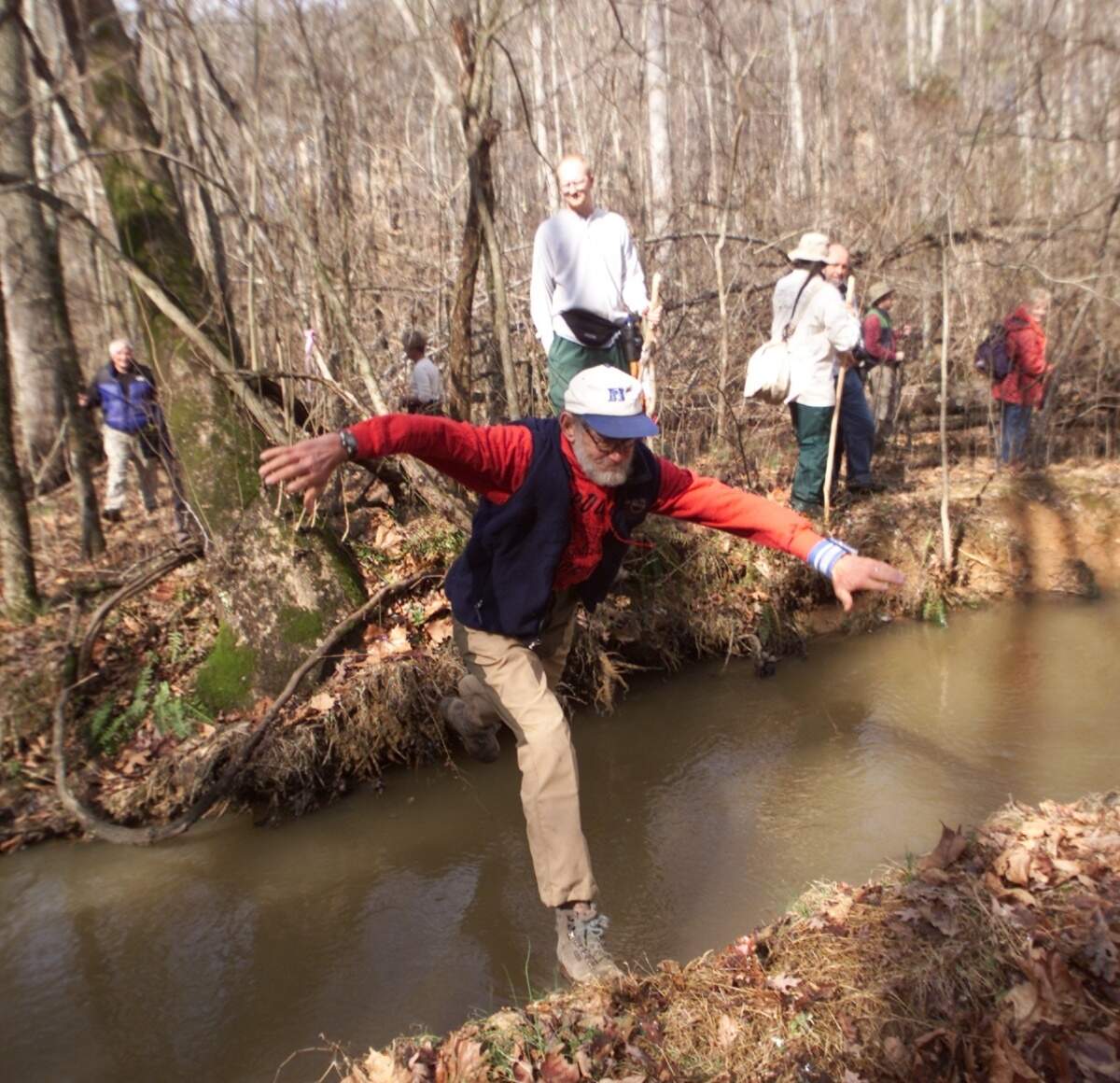
He was arrested again at 82, getting briefly jailed in Raleigh for his role in the Moral Monday protests at the General Assembly.
But as I scroll through chapters in the life of a 95-year-old man, it strikes me that work-life and home-life never really separated for the zoologist from Duke.
For him, it all boiled down to the love of living things, from a yearning to understand how they operate and a deep desire to help them live happy and fulfilling lives — no matter how many legs they walk on.
This story was originally published June 19, 2026 at 12:01 PM with the headline "Duke professor, co-founder of lemur center, civil rights crusader, dies at 95."