This NC county lacks zoning. Residents say it’s a problem that should be fixed.
AI-generated summary reviewed by our newsroom.
- Alamance towns have zoning, while rural unincorporated areas have a project staff review.
- Alamance planners will form a subcommittee to revisit the Rural Preservation Ordinance.
- Population growth and new subdivisions have reduced farmland and strained rural services.
Zoning can be a dirty word among landowners and developers, but it plays an important role in planning for sustainable growth and giving everyone a chance to be heard on what gets built.
Burlington, Mebane and other municipalities in Alamance County have zoning rules, but rural areas only require approval by a Technical Review Committee composed of county staff.
That gives neighbors and the Alamance County Board of Commissioners little say about what gets built, whether it’s a factory next to homes or two major residential projects that could alter the rural landscape in southeastern Alamance County.
The commissioners have asked the county’s planning board and staff to revisit a proposed Rural Preservation Ordinance that was rejected last year.
On Thursday, planning board members voted to create a subcommittee of existing board members to work on the proposal, Planning Director Matthew Hoagland said.
The proposed ordinance would regulate how land can be used in unincorporated areas, giving the county some control over what type of development is allowed and where.
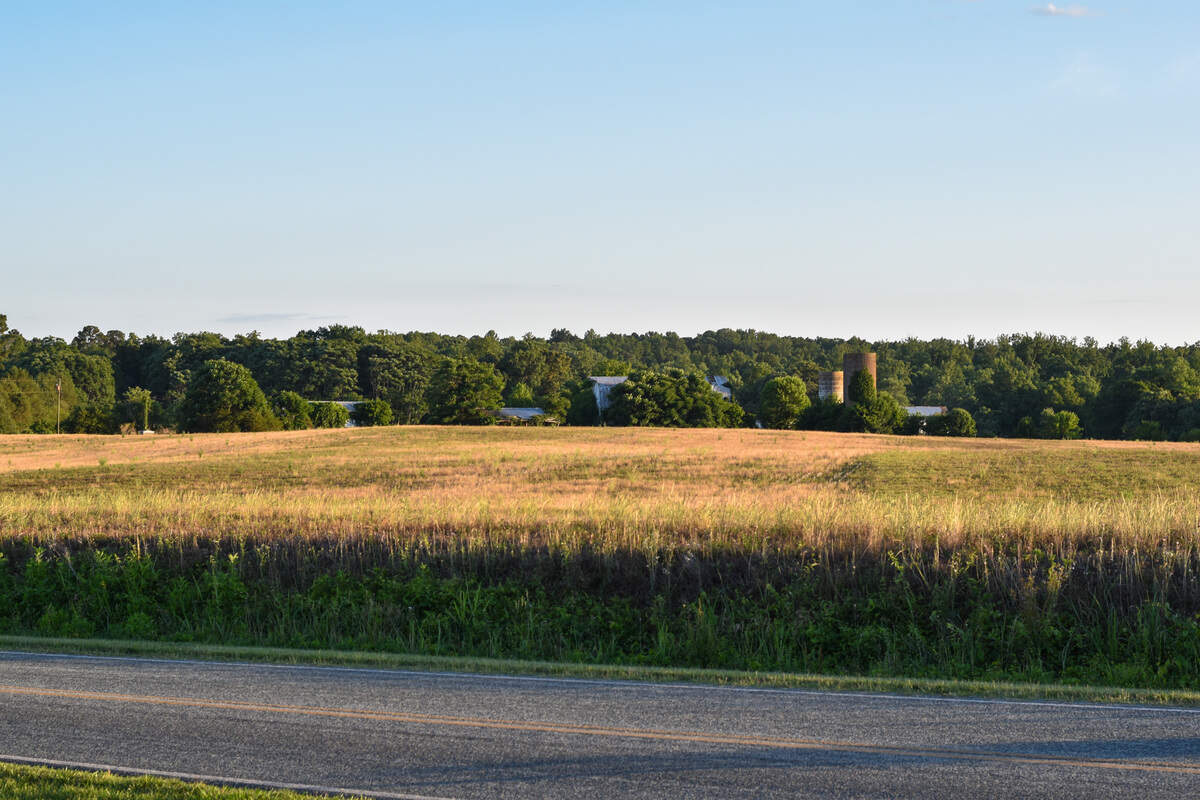
How could zoning preserve rural areas?
Zoning “would be tremendously beneficial,” because everyone could plan together where the pieces fit, from recreation and homes to industry and agriculture, Hoagland said.
The goal is a comprehensive plan supporting the county’s identity and economic development vision, rather than reacting to what developers build over time and getting growth where it doesn’t work, he said.
“Alamance County needs to really take a hard look and think about a lot of things — think about our history, think about our people, think about what it means to be here and live here, and really identify who we are and who Alamance County really wants to be as a county,” Hoagland said.
Twenty counties in North Carolina lack zoning in unincorporated areas, but Alamance is the only one with significant urban areas and the only one in the Piedmont region.
The remaining counties are in the state’s far east or west, and most are losing people or growing more slowly than Alamance.
U.S. Census data shows Alamance County’s population grew roughly 8.6% between 2020 and 2025, making it one of the state’s 20 fastest-growing counties. Carolina Demography reports it’s largely a result of people moving in, and the state expects it to continue at least through 2030.
Added to an affordable housing shortage in neighboring counties, it’s causing subdivisions to proliferate, replacing farmland and forests around Mebane and to the south along the Orange County line, where two proposed subdivisions — Morrow Mill and Hunter’s Ridge — could add over 1,000 homes to a rural community.
Alamance lost 14% of its farm lands between 2017 and 2022, before the latest housing boom, according to the federal Agriculture Census. The growing population is also putting pressure on rural services, from fire departments to schools.
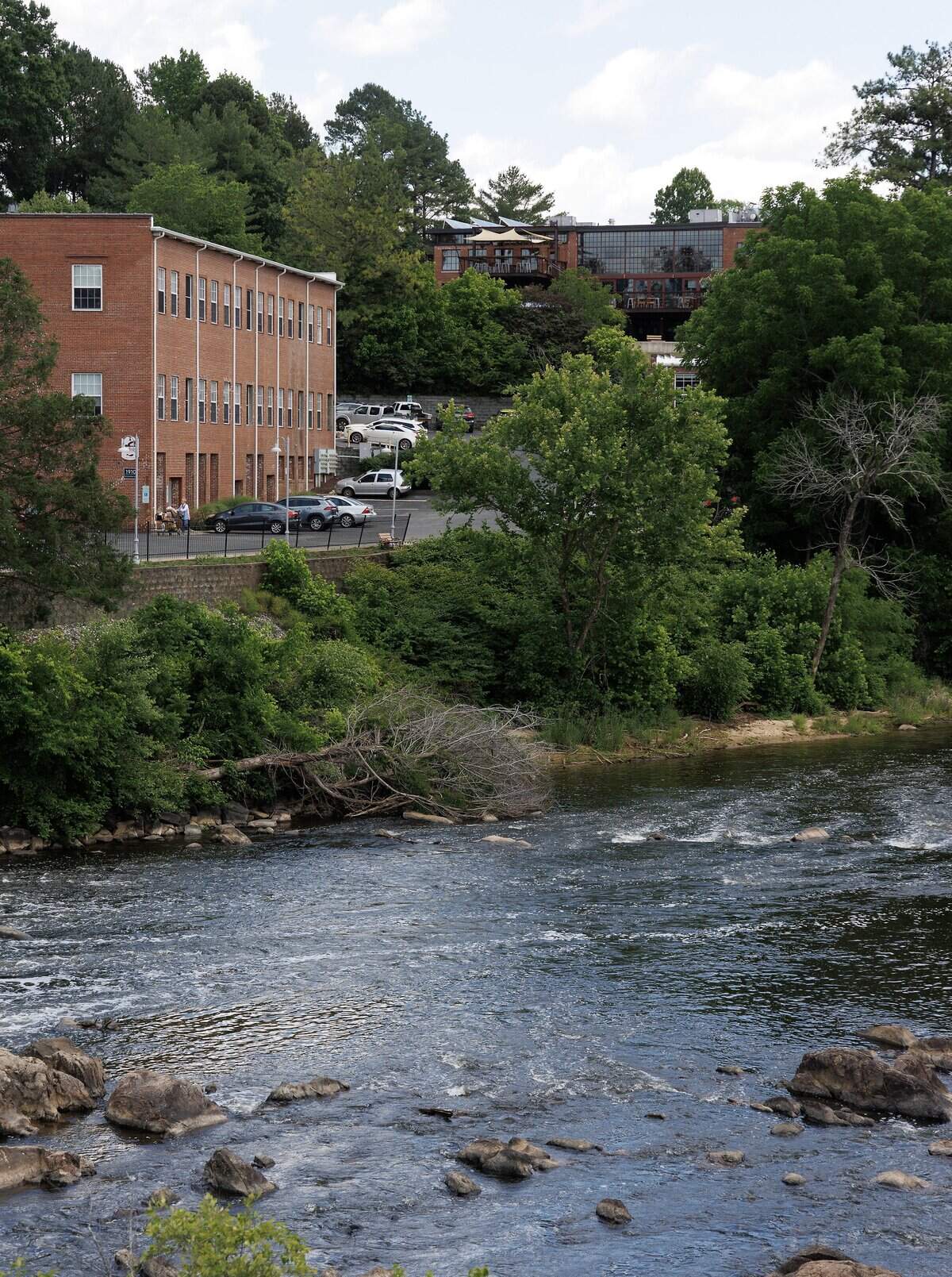
Has Alamance County tried to enact zoning before?
The county tried zoning in 2022, drafting a plan for the rural Snow Camp community after it was targeted by heavy industry and a stone quarry. Community opposition shut down that plan, but launched another effort focused solely on lot sizes. In 2024, the commissioners asked for a countywide zoning plan to address community concerns.
The resulting plan had six broad, flexible land-use districts; the commissioners rejected it with little discussion in August.
Snow Camp resident Mike Owens was among the opponents, saying 2- and 5-acre minimum rural lot sizes are too much. Property owners should have the freedom to do what they want with their land, he added.
“They need to address the root of the problem,” Owens said. “It’s these developments coming in here … on a community well, putting a bunch of houses on a paper stamp lot. … An acre, acre and a quarter — that would be reasonable. Families starting out can’t afford to pay for five acres, even to put a mobile home on it.”
Commissioner Sam Powell acknowledged that sentiment at a May neighborhood meeting near Morrow Mill Road, but said a customized plan for the county is possible with public support.
“I think we can all agree that this is a situation that maybe is calling this to the forefront, that we need to address it. It’s not going to stop with this development,” Powell said.
Commissioner Ed Priola agreed Alamance County needs to do something, but told the Morrow Mill crowd to “be careful what you wish for.” The county plan “looks like a solid starting point,” he said.
“I think managed growth is the way to do it without that big bugaboo of zoning per se, as we need to meet the challenge in a [way that fits] Alamance County,” Priola said.
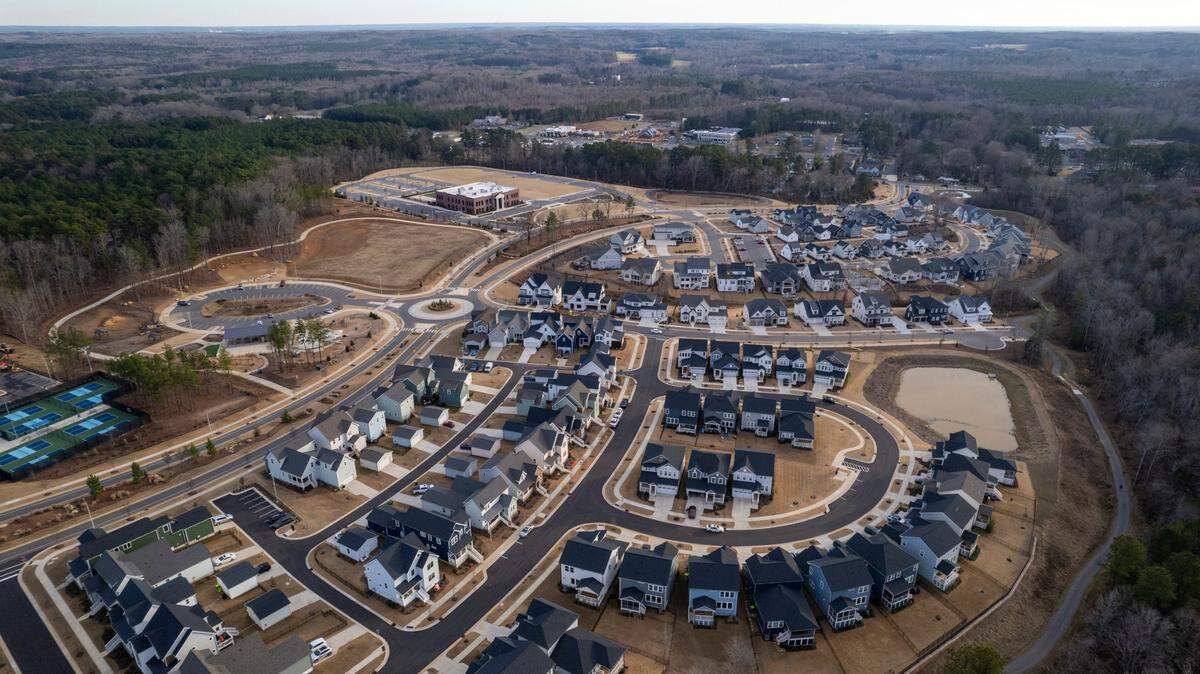
Chatham County’s zoning journey
Countywide zoning was similarly divisive when Chatham County approved it in 2016, when county officials thought waiting might complicate efforts to guide future growth.
That county’s population has since grown nearly 24%, in part due to transplants, but also from people pushed out of Triangle counties by rising home prices. In the fast-growing corridor between Chapel Hill and Pittsboro, a median home price now approaches $700,000, and some people are concerned higher prices and property values could spread.
Zoning had little effect on homeowners, Chatham Planning Director Jason Sullivan said, and some rules were already in place, similar to Alamance, including for watershed protection, flood damage prevention, subdivisions and mobile home parks.
Farm uses are exempt from zoning under state law, and the new rules also exempted existing businesses. Zoning now allows homes to be built by right on 1- to 5-acre lots. Industry and big subdivisions face public hearings and a county commissioners vote on rezoning.
That lets commissioners ensure business rezonings comply with the Plan Chatham future land-use plan, and that neighbors can participate, he said.
“One of the biggest benefits has been the opportunity for residents to know in advance about proposed business rezonings, the opportunity to engage with the Planning Board and Board of Commissioners, and for them to have a voice in the outcome,” Sullivan said.
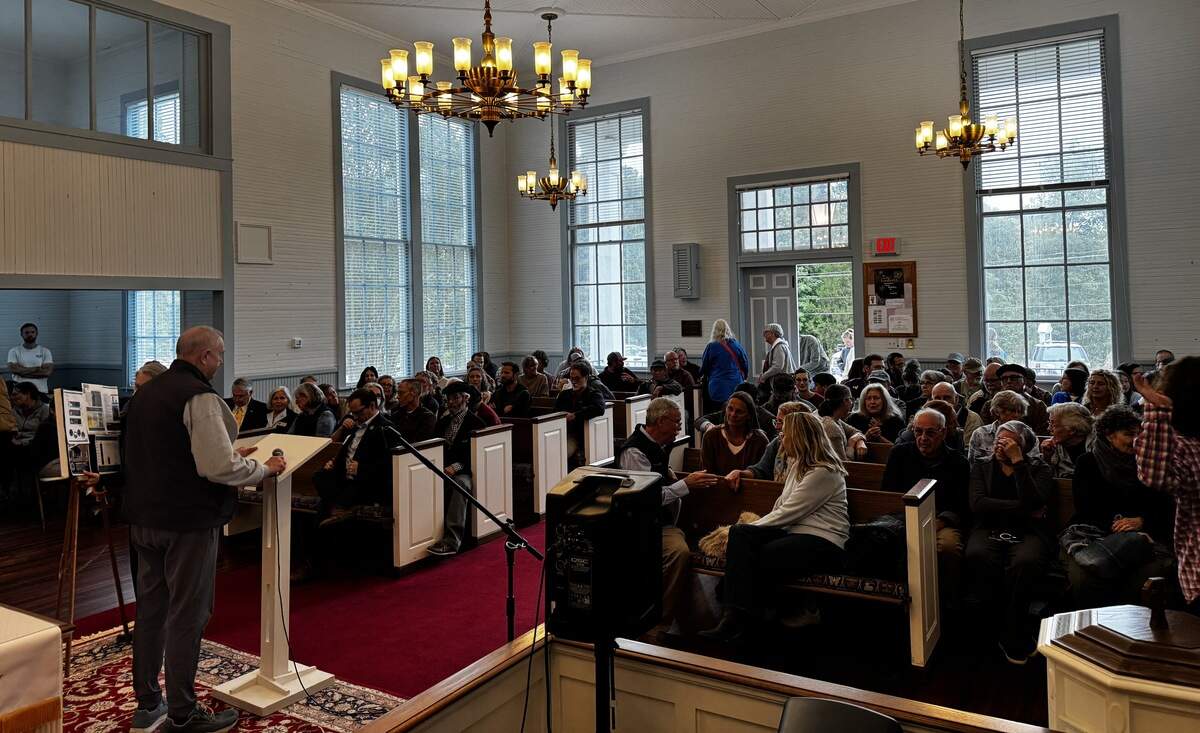
But zoning didn’t solve every problem, he said.
Residents still worry that zoning hasn’t stopped major residential subdivisions from changing the county’s rural character by building denser, urban-style communities, he added.
Older watershed and subdivision rules contributed to that issue, he said, but an effort to require larger lots was stymied by a new state law that requires written consent from all affected property owners before “downzoning” how land can be used.
State law defines downzoning as a change that lowers density, alters land use, or prohibits a use that already exists. That does not appear to prevent counties like Alamance from creating zoning rules that preserve what is already allowed in rural areas.
That could prevent dense, suburban-style subdivisions — more than one house per acre — from spreading to rural areas where they don’t exist yet, and also limit industrial and business uses in agricultural and residential areas.
This story was published in collaboration with NC Local, a nonprofit newsroom delivering public service journalism about statewide issues. Laura Brache, with The Alamance Fabric, contributed to this report.
This story was originally published June 15, 2026 at 5:30 AM with the headline "This NC county lacks zoning. Residents say it’s a problem that should be fixed.."