Recent cases show flaws in NC’s mental health care system. How it could improve.
At least three people who were in apparent mental health crises or had histories of mental health problems died or have been implicated in the violent deaths of others in the Triangle in the past three months.
That should be enough to catch the attention of lawmakers, who could legislate and fund improvements to how people who are struggling get help in North Carolina, a state official says.
“We look at multiple situations and we say to ourselves, ‘OK, what is the current process like? What is the current service delivery like? Where did things fall apart, and what do we need to do to change it?’” said Kelly Crosbie, director of the state Division of Mental Health, Developmental Disabilities and Substance Use at the Department of Health and Human Services.
“These are horrible tragedies and horrible losses,” she said. “We should honor them by making some changes to the system.”

In the three cases:
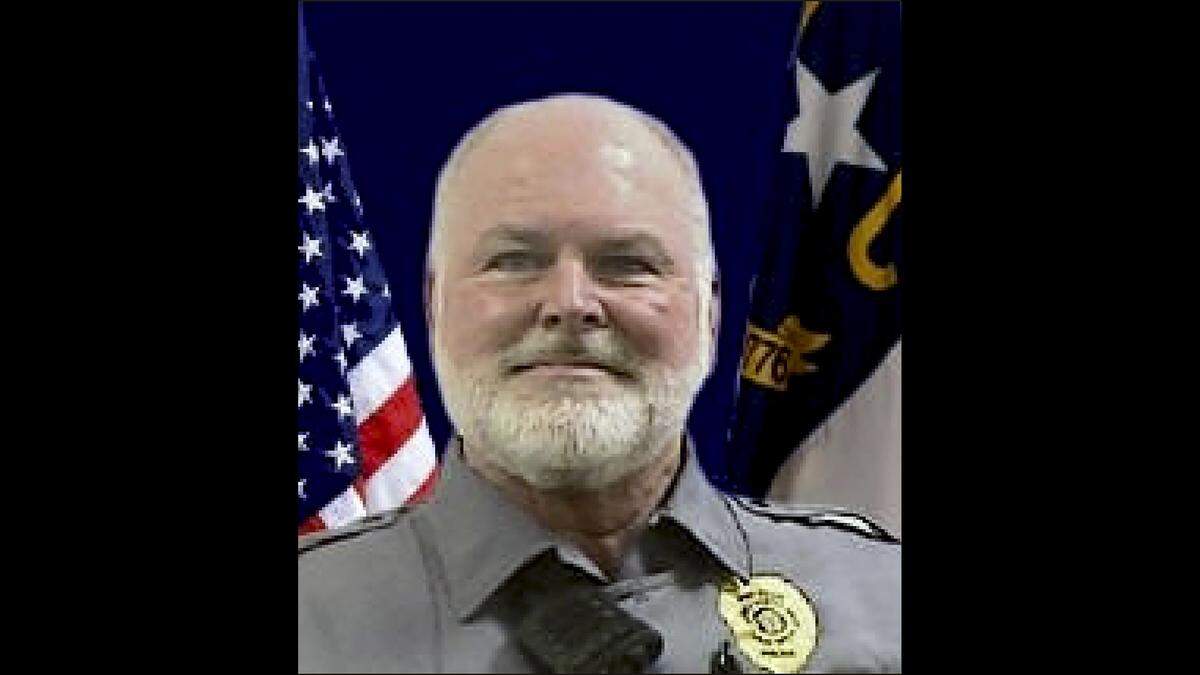
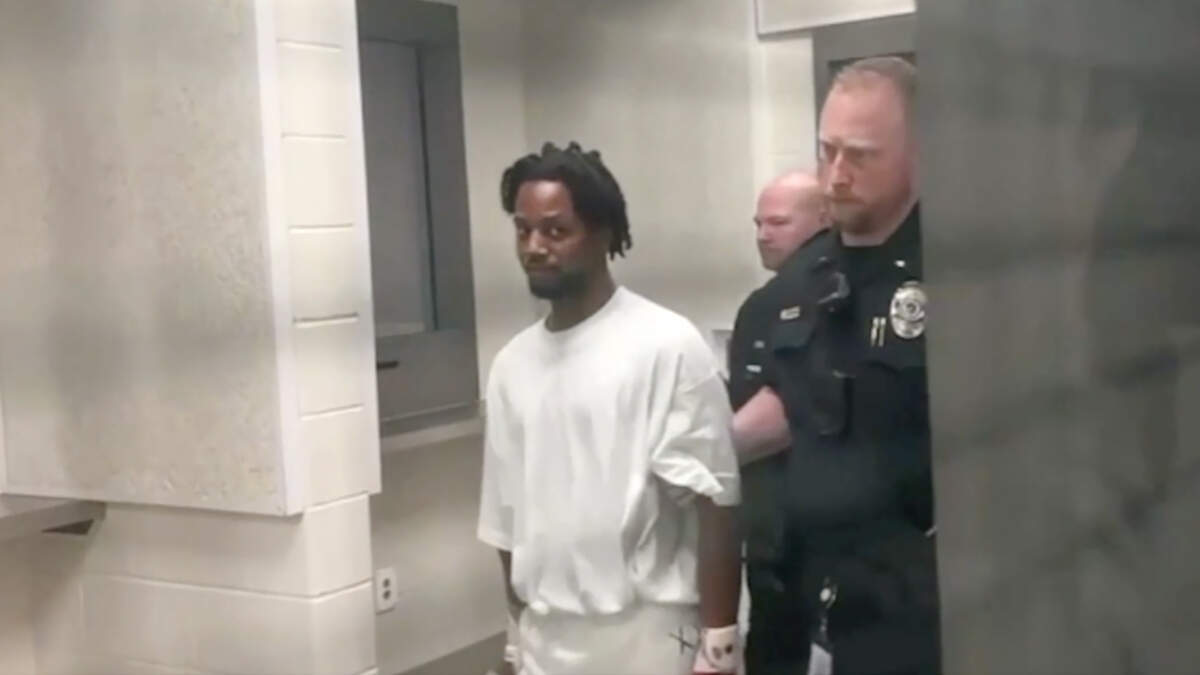
- Benji Martin Jr., 29, is charged with murder in the Nov. 8, 2025, shooting death of security officer Roger Smith, 59, in the emergency department of WakeMed Garner Healthplex. Martin, who also was shot and injured in the altercation, had been taken to the hospital that day after having a mental health crisis following his fiancee’s miscarriage and a recent illness in his family, according to court records.
- Tristan Torry, 28, was shot and killed at the home of his father in Zebulon on Nov. 19, 2025. His father, Andrew Torry, has been charged in the death, but has said in court documents that his son had had repeated episodes of mental illness and that he had previously asked police to remove Tristan from the home because he feared his son could become violent.
- Ryan Camacho, 36, is charged with the Jan. 3 murder of Ravenscroft School teacher Zoe Welsh in her Raleigh home. Camacho has a criminal record in Durham and Wake counties two decades long and a history of mental illness, according to court documents and interviews.
How could N.C. lawmakers improve mental health care?
North Carolina reformed its mental health care system beginning in the early 2000s, moving from one that relied mostly on large state-run institutions to private community care. Advocacy groups have long said the state moved too fast, closing facilities such as the former Dorothea Dix Hospital in Raleigh before enough community-based treatment options were available, resulting in a fragmented system and a massive overflow of patients into hospital emergency departments and county jails that weren’t equipped to help them.
As of 2024, North Carolina still ranked last in the nation for access to quality mental health care, according to Psychology Today magazine, which said two out of five state residents lived in an area with no mental health professionals.
Without commenting on any individual case, Crosbie said in a phone interview with The News & Observer that the state has been working over the past year to improve services and to educate the public on how and where to get help for themselves or loved ones.
But Crosbie said legislative action would be needed to:
- Fund increases in N.C. Medicaid rates paid to providers, so that more providers will accept patients who don’t have private insurance or the means to pay.
“In North Carolina, we are fortunate that our Medicaid covers some of the best evidence-based programs there are, but the rates are not always the highest,” Crosbie said. North Carolina relies on private providers, who don’t have to accept all patients, and they may turn down Medicaid recipients because reimbursement rates are too low.
“It really hurts access,” Crosbie said, and some of the patients who aren’t able to get care are the ones who need it most because their cases are so complex.
“And they are very deserving.”
- Improve infrastructure so that patients who are required to get treatment, through a court order, for example, are tracked to make sure they get necessary follow-up care such as medication and counseling. Follow-up care increases the likelihood of success and stabilization, Crosbie said, but it’s difficult to ensure without good communication between providers, law enforcement and family members.
With better oversight, Crosbie said, patients who have been court-ordered to continue treatment after incarceration would be more likely to do so, or be subject to arrest as a way to protect the public.
- Establish and fund “navigators” who would help patients and their families figure out the best way to get help in a fragmented and complicated private-care system.
“With a navigator by their side, a patient is more likely to engage in care.”
How to get help in a mental health crisis in North Carolina

If you need immediate help, or need advice on getting help for a friend or family member, call or text 988.
For life-threatening emergencies, call 911 and ask for a Crisis Intervention Team officer.
Go to a community crisis center. These are safe places to get help without going to a hospital emergency room. Providers are trained to handle mental health disorders and treatment for alcohol or drug use. Most are open 24/7 and appointments are not needed.
To find a community crisis center, enter an address or ZIP code into the database on the N.C. Department of Health and Human Services web page.
If you can’t get to a community crisis center, a mobile crisis team of one or two counselors can come to you to help calm the situation. To reach one 24/7, enter a ZIP code into the state’s database to find the number for the team serving the county where you are.
The service is free, even if you don’t have health insurance, though there may be a charge for follow-up care.
Interpreters are available for people who don’t speak English.
This story was originally published January 22, 2026 at 9:19 AM with the headline "Recent cases show flaws in NC’s mental health care system. How it could improve.."