
State probes Durham County community center’s finances and finds different problem
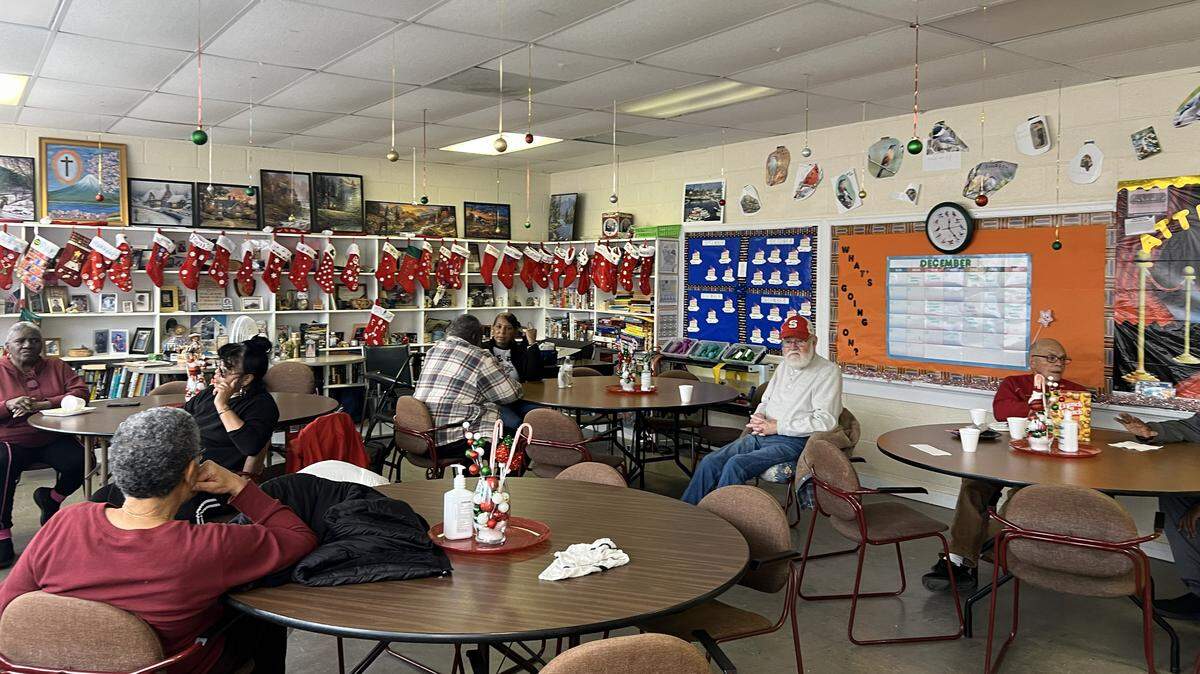
As snow flurries dusted the ground on a recent Friday morning, the warmth inside the Little River Community Complex was in sharp contrast to the chill outside.
About 20 seniors gathered at tables in one of the complex’s old buildings along North Roxboro Street in Bahama, their eyes locked on the bingo caller. The air was thick with playful tension and the clatter of dominoes from a nearby corner.
“I like to play dominoes; it’s competitive. I’ve always been competitive,” said Norman Beaver, 90. “I win if I get the right ones, but we have fun losing, too.”
The lively spirit and daily routine, which includes quilting, exercise classes, music lessons and a hot lunch, paint a different picture from the one recently presented to state authorities.

For seniors like Beaver, a retired engineer whose caretaker brings him to Little River every day, learning the complex was under investigation came as a surprise.
In February, the Office of the State Auditor received a tip that the Little River Complex had ceased operating and was misusing funds.
An investigative report months in the making found the complex was operational and properly managing its $60,000 budget.
Still, the audit served as a wake-up call that showed more must be done to save the crumbling 37-acre historic property.
“In order to fix this place up, we need about $5 [million] to $6 million,” said Henry King, the chair of the complex’s board of directors. “Before, we were just patching things up and doing repairs ourselves, but after this, we really need the help of the community. Our need is greater than the donations we receive.”
Deep roots, hard truths
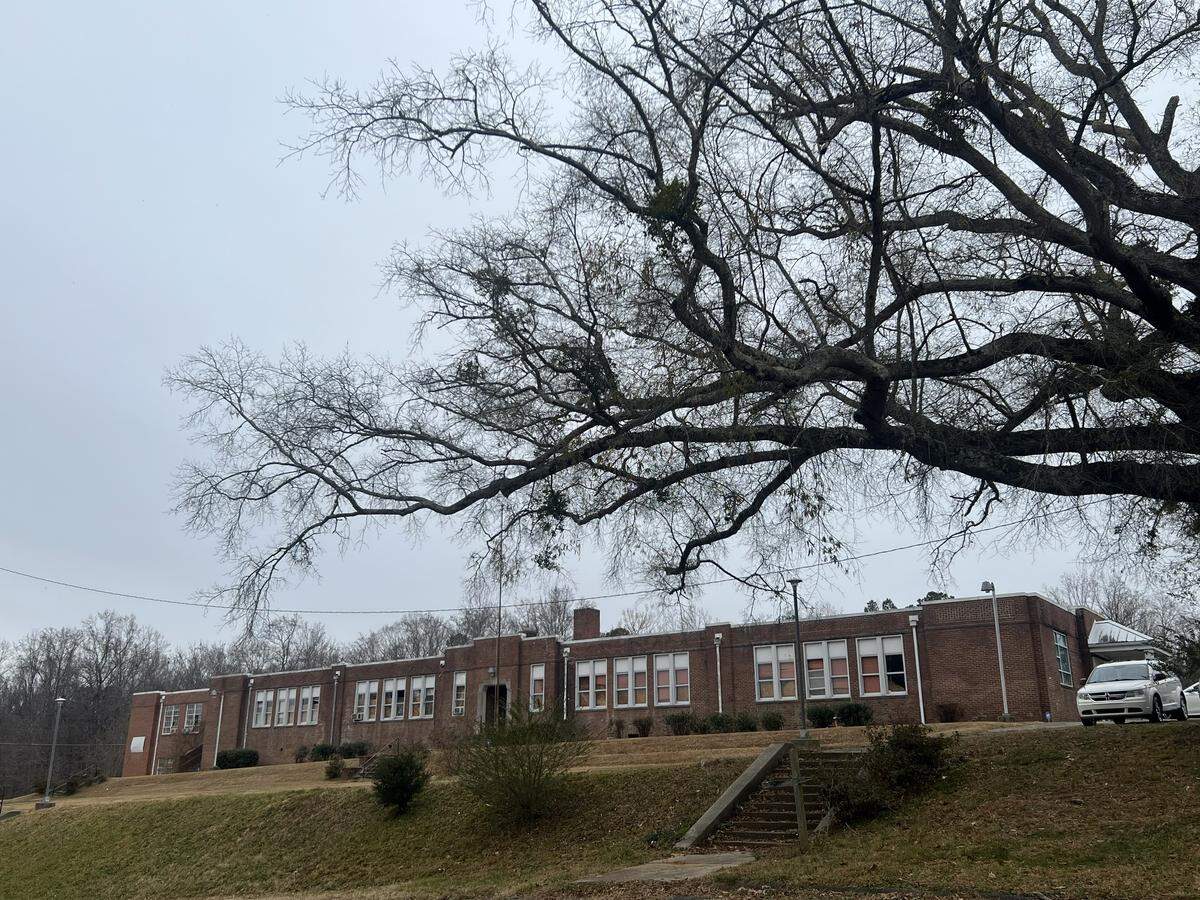
The complex began in 1935 as the Little River School, the first large consolidated school for rural African American students in Durham County. Many seniors who return today were students there during segregation.
The memories are bittersweet.
Helen Carrington, a former student and now a nutritionist, recalls the jarring transition to integrated schools when she had to leave Little River for Carrington Middle School in Durham.

“When we were bused to Carrington, it was not equal,” she said. “You couldn’t put books in your locker because [white kids] would put manure in them. You couldn’t go to the bathroom with the other kids. ... It was difficult coming from Little River, where everybody knew everybody.”
When the school closed in 1993 due to consolidation, the nonprofit Little River Community Complex Inc. was formed to preserve the site with community programs, a daycare and a hospital. Today, seniors exercise, take music lessons, watch “M.A.S.H.” and participate in parades. The Durham County Library sends volunteers with new books, skilled artists teach seniors how to quilt, and soon there will be pottery lessons.
But decades of leadership changes and the strain of the COVID-19 pandemic have taken a toll.
From the road, the complex looks like a relic.
Weeds overgrow the six buildings, wood is rotting, playground equipment is rusted and chipped, windows are boarded up and broken, and several doors hang open to the elements, freezing the big hallways. Even as they play games, many seniors keep their jackets on to ward off the draft.
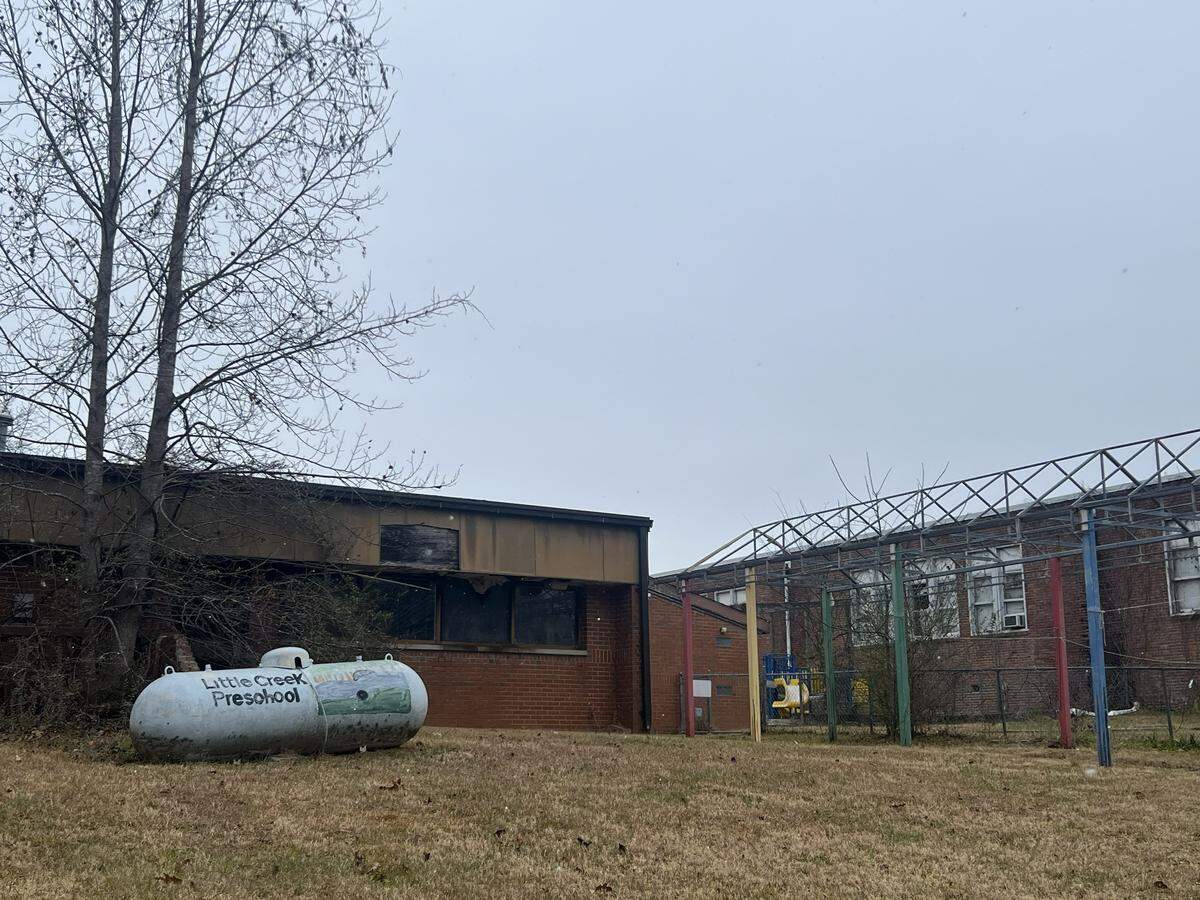
Some places inside have been renovated, like the food hall, which was decorated for a Christmas dinner, and the gymnasium. The gutters have been recently cleaned out, and part of the fascia board has been replaced. But a rusted septic tank outside needs to be replaced, King said. The HVAC system needs to be repaired, too.
“We’re trying to keep our legacy going. The seniors here are awesome,” said Hallie Bass, the board’s vice chair. “Our goal is to restore.”
The mixed verdict: Operational, but deteriorating
The report released by State Auditor Dave Boliek’s office confirmed the facility’s deterioration, but found the central allegations to be “unsubstantiated.”
It does not reveal who brought the complex’s problems to the state auditor’s attention.
In May, a site tour by Boliek’s team confirmed the complex was still providing services. It hosted a food pantry for seniors in northern Durham County and rented space to a local church. There were ongoing programs and activities, and meals that included fresh vegetables, grilled hot dogs and hamburgers.
“The former high school wing and gymnasium, while showing signs of age, were found to be operational with functioning electricity and water services,” the report states. The Durham County Health Department scored the facility in April at 98.5 on health and safety.
The audit also cleared the complex of any financial wrongdoing:
- The complex’s primary income is the annual community fair, held at Durham County Memorial Stadium in the spring, which generated about $80,000 in 2025.
- After expenses, including over $8,000 in fees to Durham County, the complex operates on about $60,000 for the rest of the year.
- The report confirmed the complex received no state or federal money.
The complex generates about $19,000 in rental income from a church and house on the property.
There have been miscommunications about financial management and the leadership of the complex, and how to move forward, Bass said.
“Not everyone has the same mindset,” Bass said. “You have one group who wants to move forward, and another who causes friction. It’s hard ... and that happens everywhere. We’re not immune.”
This summer, a break-in by vandals also upset board members. A new security system was installed, and board members hope that with renovations, the Durham County Sheriff’s Office will send a permanent patrol.
Durham County’s role
The audit also pointed a finger at Durham County. In 2006, the county deeded the property to the nonprofit for just $10.
The report criticized the county for transferring the property without a long-term plan to ensure the owners could maintain such a massive site. Auditors recommended that the county immediately develop a support and oversight process.
In a statement, the county manager’s office said since the audit, the county has “increased protocols for the monitoring process for Little River. The county owns 170 properties that are subject to deed restrictions, easements and other “use limitations,” the statement read.
The county said due to a lack of supporting documentation years ago, there was ambiguity for obligations to Little River and any required monitoring protocols. Because of that, Little River was not included in the “asset categories that would have triggered a notice that ongoing site monitoring was required.”
“Little River is an outlier when compared to other County properties with deed restrictions or easements for several reasons,” the statement read. “The County does not own the land, and therefore, the property was not tracked in the same manner as fee-simple holdings or conservation easements.”
The county said it would follow the audit’s recommendation to document the intended public purpose of any property under state statute 160A-279, which details the sale of properties to organizations carrying out a public purpose.
“These additional steps are intended to reduce the likelihood of recurrence and helps ensure that this matter remains an isolated outlier,” the statement read.
A plan for the future
In October, King wrote a letter to Boliek detailing the complex’s plans to repair the property.
King said if the complex gets enough money, the repairs would be completed in three phases:
- phase 1: stabilize (0-6 months), focus on safety, accessibility, and cleanup
- phase 2: renovate and rebrand (6-18 months), revitalize the gym, outside area and school wing for increased usage
- phase 3: expand and sustain (18-36 months), renovate one of the buildings, the office space, and create heritage exhibits for long-term partnerships and revenue
King said the board would seek public money in the form of donation and grants, like Community Development Block Grants.
Now the complex is in a race against time to save the historic property from further decay.
“Nobody here gets paid,” Bass said. “This board has always been volunteer-driven. We paint, we clean, we try to restore things that are in our skill sets. ... We love it, and we love the people that we serve.”
This story was originally published December 31, 2025 at 7:30 AM with the headline "State probes Durham County community center’s finances and finds different problem."