Border Patrol is in Raleigh. Know your rights if you get stopped
AI-generated summary reviewed by our newsroom.
- Border Patrol is in Raleigh; state leaders urge targeting violent suspects.
- ACLU guidance: assert right to remain silent, refuse searches without probable cause.
- Prepare documents and contacts; locate legal aid and detainee info before encounters.
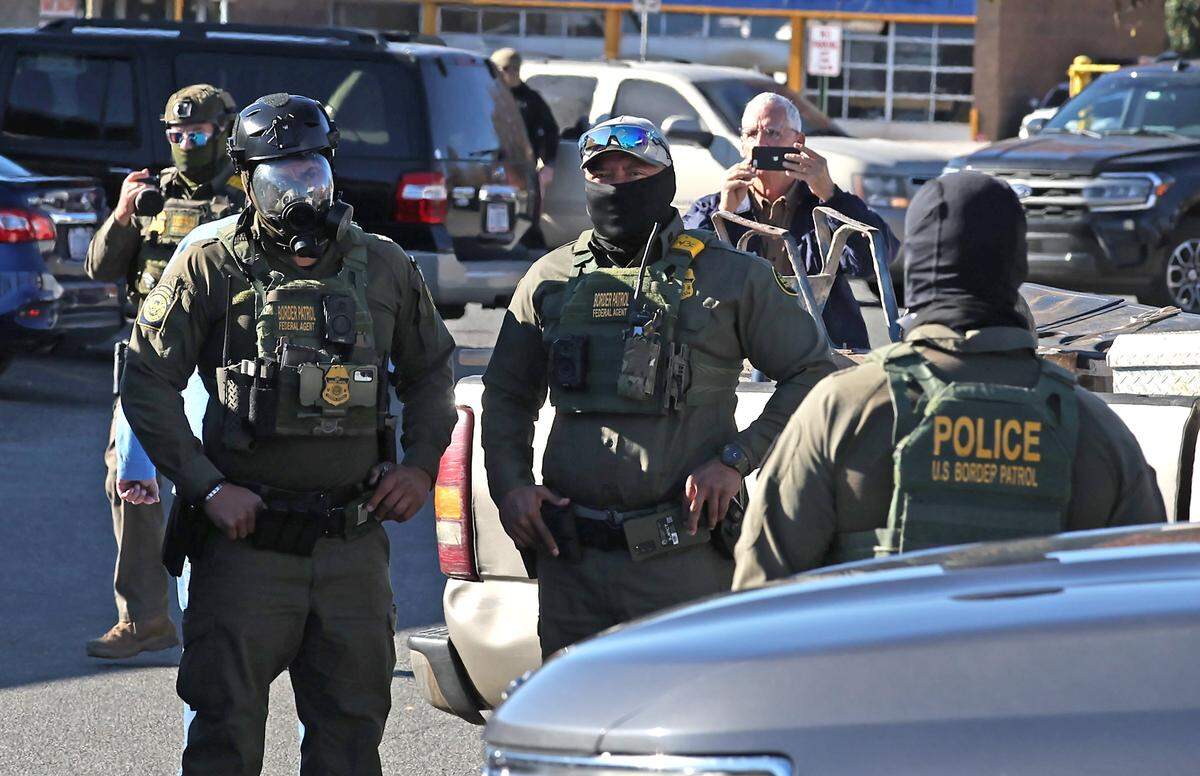
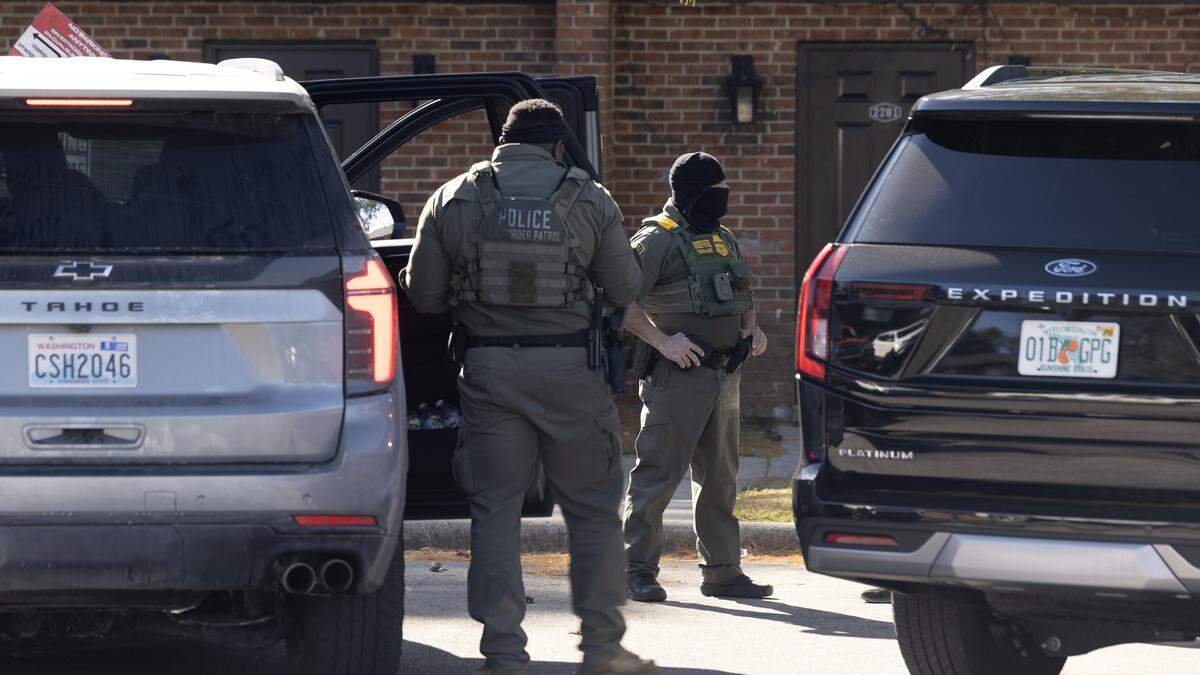
U.S. Border Patrol agents are in Raleigh on Tuesday, Nov. 18, The News & Observer confirmed, following a weekend of arrests and protests in Charlotte.
The agency has been expanding its presence across the country in recent months as part of the Trump administration’s broader push on immigration enforcement. And with little clarity about when or where agents might appear next, people in the Triangle area should know their rights and be prepared if they encounter federal officers.
Here’s what you need to know.
What to do if law enforcement asks about your immigration status
According to the American Civil Liberties Union (ACLU), if law enforcement asks about your immigration status, you should stay calm and keep your hands visible. Don’t run, argue or resist, and never lie or show false documents.
It’s also important to know your rights:
- You have the right to stay silent and don’t have to discuss your immigration status.
- If asked by immigration agents, show your papers only if you have them.
- You can refuse a search, since agents need your consent or probable cause.
- If you’re over 18, carry your papers. If you don’t have them, say you want to remain silent or speak to a lawyer.
- If you get pulled over, you must show your license, registration and proof of insurance, but you don’t have to discuss your immigration status.
What to do if Border Patrol agents show up at your home
If immigration agents show up at your home, the ACLU says you should:
- Ask if they’re immigration agents and what they’re there for.
- Request to see their badge or ID through a window or peephole.
- Ask if they have a judge-signed warrant and have them show it under the door or against the window.
- Don’t open the door unless they show a warrant with your name or address. Say: “I don’t consent to your entry.”
- If they force entry, don’t resist. Say you’re exercising your right to remain silent and want to speak to a lawyer.
- Don’t lie, show false documents or sign anything before talking to a lawyer.
If you’re on probation with a search condition, officers may legally enter your home.
What to do if you are arrested or detained by Border Patrol
If you are detained by ICE or Border Patrol, you can hire a lawyer, but one won’t be provided, according to the ACLU. However, you can ask for a list of free or low-cost options.
You also have the right to call family or a lawyer, meet with your lawyer in detention and have them with you at immigration hearings.
What to do if a loved one is arrested or detained
If a loved one is arrested or detained by Border Patrol, you can try looking for them on the ICE Detainee Locator page, according to Carolina Migrant Network.
To search, you need:
- The detained person’s Alien Registration Number (A-Number)
- Their first and last name
- Country of origin
- Date of birth
However, U.S. Customs and Border Protection (CBP) notes that it can take many days for individuals placed in CBP custody to appear in the ICE locator.
If your loved one is not listed in the system, you can try calling nearby detention centers. You can find a list of nearby detention centers at ice.gov/detention-facilities.
How to prepare for Border Patrol ahead of time
Here are some ways you can prepare ahead of time, according to the Legal Aid Justice Center:
- Keep emergency contact numbers for family handy.
- Make a plan for who can take care of children, pets, or property if someone is detained. You should also keep this document handy and never share it with law enforcement.
You can also try reaching out to local support groups that provide free services, such as legal clinics and rapid response help.
Triangle immigration support groups
- JusticeMatters, Inc.: A nonprofit law firm that offers trauma-informed legal services in immigration and family law, including for survivors of human trafficking.
- Council on Immigrant Relations: Provides low-cost immigration legal representation for things like asylum, DACA, TPS and family-based petitions.
- Catholic Charities of the Diocese of Raleigh: Offers immigration legal services including naturalization, family petitions, work permits, DACA renewals and humanitarian visas.
- U.S. Committee for Refugees and Immigrants - NC: Helps refugees and immigrants with legal support, resettlement, community services and navigating immigration processes.
- Legal Aid of North Carolina: Through its “For Immigrants” initiative, LANC provides free legal help to immigrants who are victims of domestic violence, human trafficking and to migrant farmworkers.
- North Carolina Association for Immigrants: Provides a statewide resource center with information on legal services, housing, ESL and other support.
This story was originally published November 18, 2025 at 12:17 PM with the headline "Border Patrol is in Raleigh. Know your rights if you get stopped."