As shutdown stalls food stamps, Triangle families are scrambling for help
AI-generated summary reviewed by our newsroom.
- Federal shutdown halts SNAP payments for over 700,000 North Carolina households
- Local food banks, churches and volunteers face surges serving tens of thousands
- Families face tightened budgets, transportation and formula gaps.
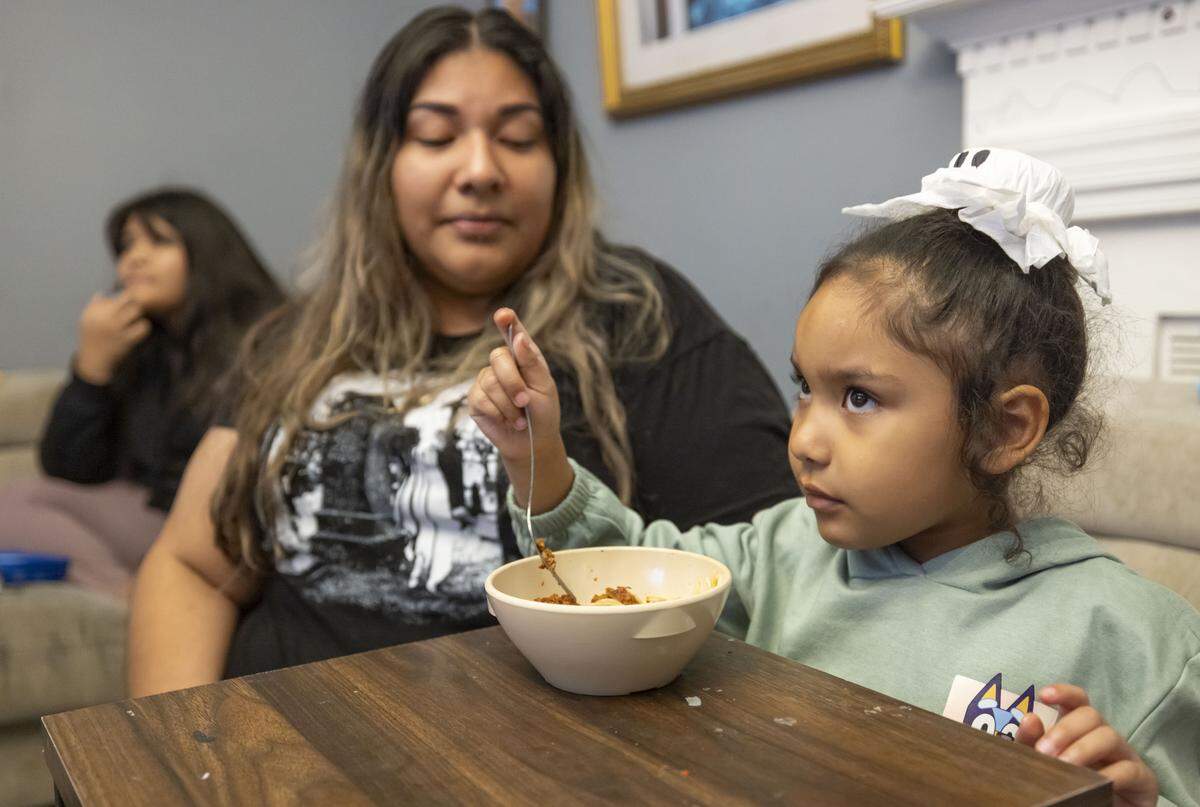
Betty Hernandez’s van was repossessed this week.
“I’m honestly considering just letting it be auctioned out and letting my credit take the hit because of the payment that comes with it,” said the 30-year-old mom of three.
Her family bought the van when she was working, but Betty quit after her middle daughter was diagnosed with autism and started therapy 40 hours a week.
“I would love to be able to work,” she said. “But it’s the children’s schedule, and even if I did end up getting another job I’d have to rely on daycare. The daycare costs won’t cover what I’m gonna be paid.”
Betty, her husband and children are among the more than 80,000 Wake County residents who stood to lose federal food assistance this weekend.
Funds for the Supplemental Nutrition Assistance Program (SNAP), sometimes called food stamps, may not be sent to the 700,000 North Carolina households, making up more than 1.4 million residents, who rely on those monthly benefits due to the ongoing federal shutdown.
A pair of court rulings on Friday, including one in a lawsuit brought by North Carolina Attorney General Jeff Jackson and other Democratic attorneys general and governors, could force the federal government to release funding for November food stamps.
About 43% of the state’s SNAP recipients are children, and North Carolina households received an average of $175 per person in September.
Local food banks, churches, nonprofits and community members have started ramping up efforts to help those who may not get their benefits on time.
‘I have a few packs of noodles’
Maria Scott is a former special education teacher who often made home visits to families when she lived in New Hampshire.
“I saw moms on SNAP and [Women, Infant and Children assistance] working very hard and dealing with a lot of issues related to not making enough money from jobs or having access to jobs,” she said.
Scott is now a stay-at-home mom in Cary. Online, she saw how other women were helping fellow moms who had lost their food assistance and wanted to do something similar. She’s shared dual surveys: one for people who need help and another for those willing to donate or shop for a family. She’s also raising money through GoFundMe.
She’s had about a dozen families, mostly mothers, reach out for assistance, and she’s still searching for volunteers who would like to donate. Many of the moms were looking for specific formula for their children, she said.
One mom in particular had two children, both on formula, under the age of 2.
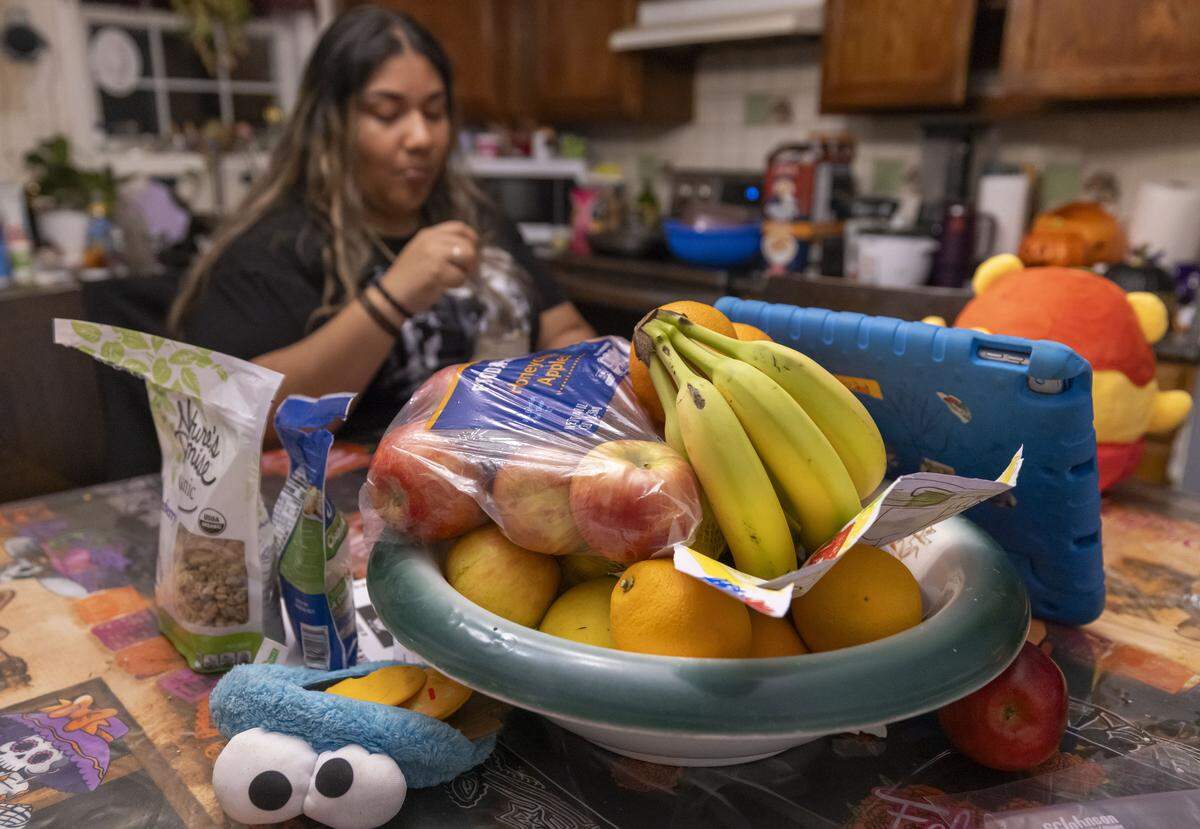
“She goes through five cans and spending $150 on formula, and I’m asking her, ‘Do you have food?’” Scott said. “She said, ‘I’m fine, I have a few packs of noodles.’ So I went through my cabinet and found some stuff. I said, ‘You have to feed your babies, but you can also ask for yourself.’”
Hernandez started getting food assistance after her husband joined the Marines and was away for training for several months. She’s especially worried about her autistic daughter, who can only eat certain foods.
She’s never needed food assistance before, and she’s “not proud” to be on SNAP, but Hernandez said she knows there are people who have it worse than she does.
“I’m worrying and freaking out that we’re not going to get help anymore, and then seeing these people laughing at the situation or making fun of everyone on [social media],” she said. “It makes me very upset, but I try not to show it in front of my daughters. I try to ignore it as much as I can. But it does get to me sometimes, because like it makes me feel like they have no empathy, no compassion.”
SNAP in the Triangle
More than 150,000 people across these five counties stood to potentially lose their food assistance starting Nov. 1.
Wake County: Nearly 40,000 households (83,000 people) received SNAP benefits in September. The monthly cost ranges between $13 million and 15 million, according to Wake County. There are more than 13,000 families that receive more than $400 monthly in benefits.
Durham County: More than 16,000 households 32,529 SNAP recipients, with more than 46% of those recipients children under the age of 17. The cost is nearly $6 million a month. County staff is still processing applications and processing recertifications during the shutdown.
Orange County: More than 4,000 households (8,706 people) received SNAP benefits in September and 511 new applications were submitted that month. That represents roughly $31 million in federal tax dollars, or about $2.6 million a month, that is spent at local grocery stores and farmer’s markets, county spokesman Wil Glenn said.
Johnston County: More than 11,000 households (nearly 25,000 people) as of September. On social media, Johnston County reported residents received nearly $12.6 million in SNAP benefits in the third quarter of this year.
Chatham County: More than 2,400 households (4,727 people) as of September. “We know that the food provided through the FNS Program is a lifeline for many Chatham County residents, including children and people who are elderly,” said Jennie Kristiansen, Chatham County Social Services director, in a news release.
Food banks respond to shutdown
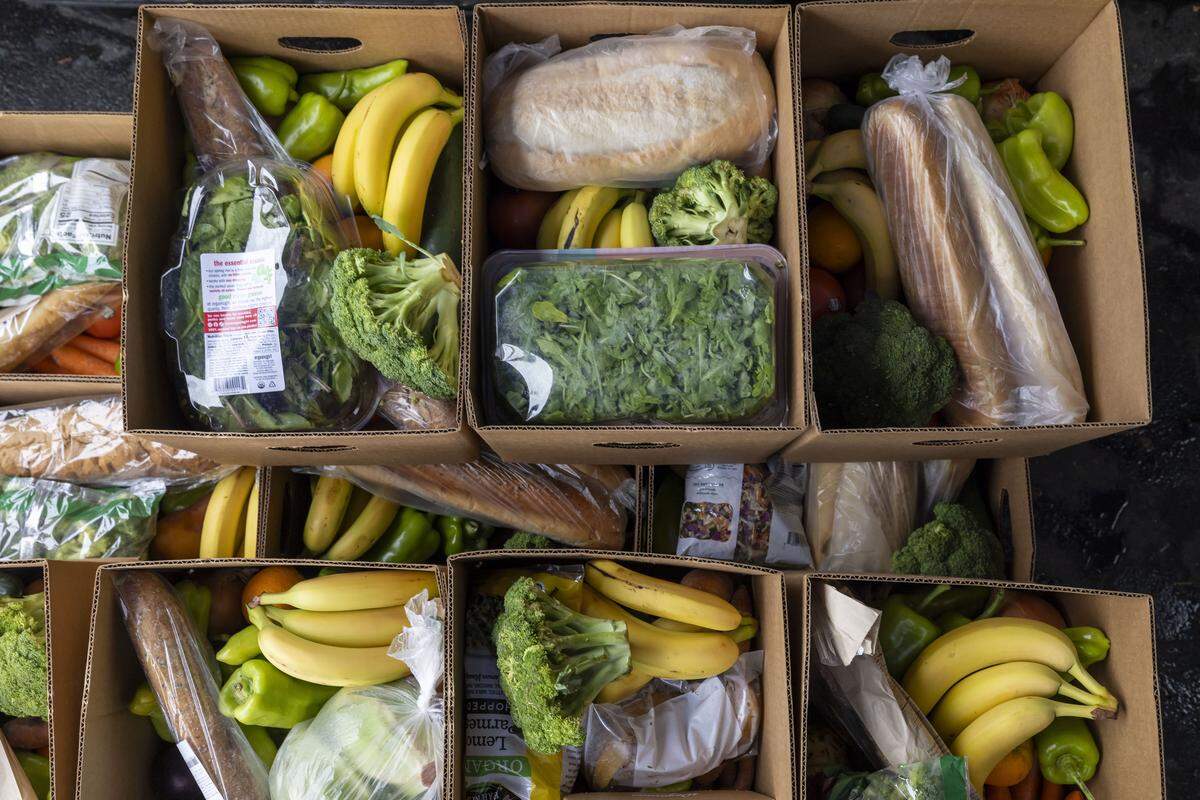
The shelves of the Durham Community Food Pantry freezer were nearly empty in the week leading up to Nov. 1, said Jeremy Ireland, regional director of the food pantry.
“We’re seeing a reduction in food at this same time when the number of people that we are helping is going up pretty drastically,” he said in a phone interview.
As Nov. 1 approached, Ireland said the food pantry was preparing for a “major test of our capacity.”
The Durham Community Food Pantry began operations six years ago as a program of the Catholic Charities of the Diocese of Raleigh. It serves people in Durham and Orange counties and distributes over 1.25 million pounds of food each year.
“We’ve had callers and visitors asking if we will stay open,” Ireland said. “Of course, we will not close down. We’re going to remain open and serve everyone who comes to us. We’re putting measures in place to be able to do that and to be able to have enough food and volunteers to handle a significant increase.”
The food pantry sometimes runs bare at Orange Congregation in Mission in Hillsborough, but people were donating and holding food drives ahead of the potential SNAP shutdown, said the Rev. Sharon S. Freeland, executive director.
But the nonprofit organization, composed of 54 Orange County congregations, still needs more food and volunteers, she said.
“It’s just overwhelming,” and some families are asking for extra food, Freeland said.
“A lot of our recipients get SNAP, and they are afraid,” she said. “We’ve gotten through a lot of crises, and we’re trying to calm them down.”
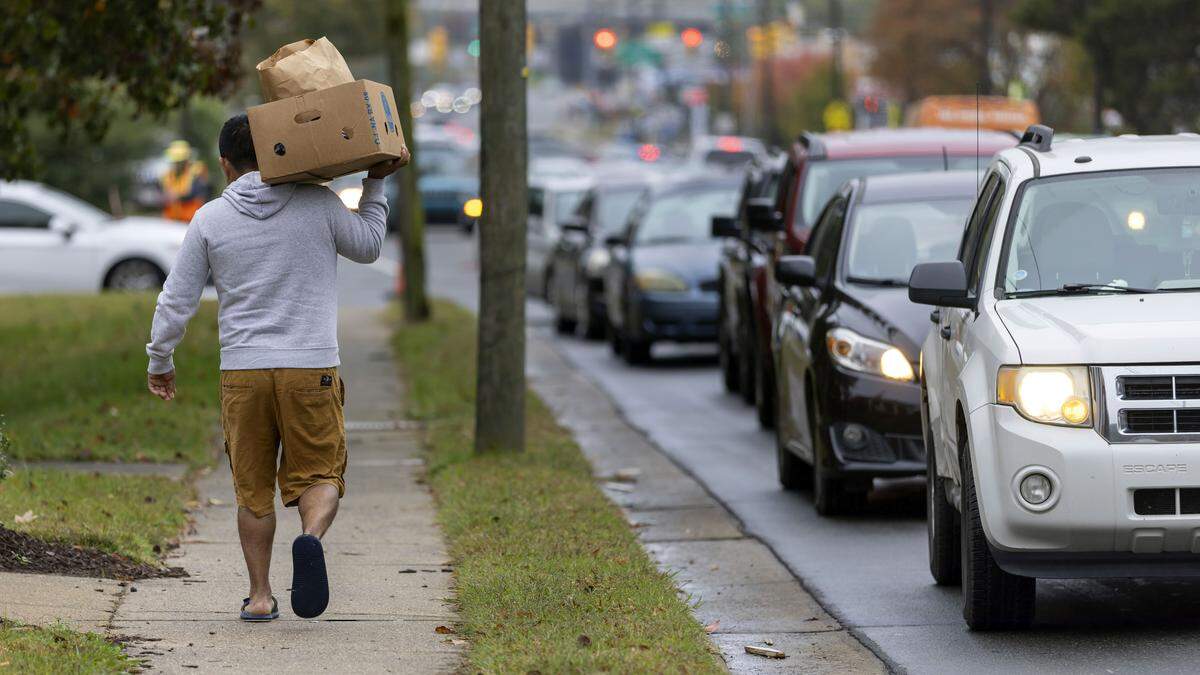
On Friday, Hernandez planned to go to a food drive in Raleigh, but instead will pick up the repossessed van. Her daughter, who is autistic, has been struggling with a new routine in trying to get to school without it.
To get ready, Hernandez has been saving coupons, shopping for deals and sorting through her children’s clothes to try to sell some for gas money.
“There’s a roadblock everywhere we go, is basically what I’m saying,” she said. “There’s a roadblock. There’s always something, no matter what path we try to go through.”
This story was originally published October 30, 2025 at 2:32 PM with the headline "As shutdown stalls food stamps, Triangle families are scrambling for help."