NC public radio & PBS could lose millions in federal funds. What it means
AI-generated summary reviewed by our newsroom.
- Federal funding cuts threaten millions in support for WUNC and PBS NC in 2025.
- WUNC and PBS NC plan to review costs as CPB grants cover staff and core services.
- Local stations risk less NPR content; smaller outlets face survival concerns.
The idea that federal funding for public broadcasting would be cut wasn’t new to Chapel Hill resident and longtime WUNC supporter Michael Brader-Araje.
But when it actually happened in July, he felt two emotions: one, shock that the threats he’d heard for years were realized, and two, concern for radio stations, especially ones that receive a lot of federal financial support.
“What will people do in those areas without access to public radio, which isn’t just NPR or national programming? It’s local news. It’s local information about things that are happening — the river is flooding, or some other emergency that’s happening in their community,” Brader-Araje said. “Where are they going to get that information from?”
Public radio and television stations in North Carolina are figuring out how to make up for millions of dollars cut from their budgets after Congress passed and President Donald Trump signed a bill that claws back $1.1 billion in federal funding earmarked for the Corporation for Public Broadcasting. The rescission bill also revokes about $8 billion for foreign aid.
On Friday, the CPB announced it will end its 58-year-run after losing its funding. Most staff members will lose their jobs at the end of the federal fiscal year Sept. 30, PBS News reported.
“Despite the extraordinary efforts of millions of Americans who called, wrote, and petitioned Congress to preserve federal funding for CPB, we now face the difficult reality of closing our operations,” said Patricia Harrison, the corporation’s president and CEO, in a statement.
Many NC stations — which bring viewers and listeners “Due South,” “Charlotte Talks with Mike Collins,” “Sesame Street,” “State Lines” and other educational and news programs — are fundraising. But they haven’t announced how the loss of CPB grants will affect staffing or programming.
A complex system of relationships has developed among independent public broadcasters across the country, NPR, PBS and the CPB, a nonprofit that distributes money to the stations, Paul Hunton, president and general manager of WUNC, told The News & Observer.
“There’s going to be some dust-settling that’s going to take months before we feel the full impact,” Hunton said.
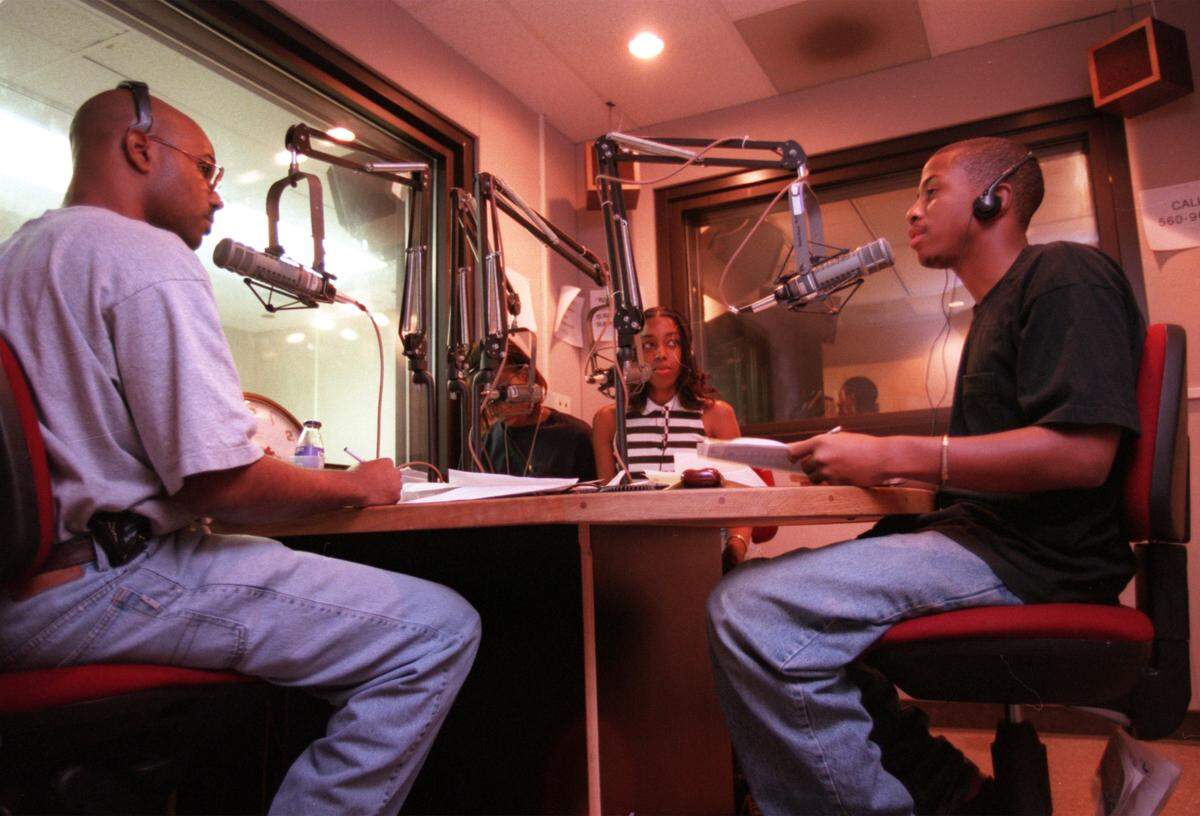
How federal funding cuts will affect NC public radio
Several public radio stations in North Carolina have seen a recent influx in donations.
- WUNC, which said CPB funding amounts to $800,000 annually, raised more than $1.3 million in a July drive.
- WNCU, N.C. Central University’s radio station and one of two NPR affiliates in Durham, alongside WUNC, gets about 15% of its revenue from CPB grants. Station general manager Lackisha Freeman told The N&O that WNCU is developing fundraising strategies and plans to reach out to corporate donors and make additional on-air fundraising efforts.
- WNCW, a public radio station based at the Isothermal Community College campus in Spindale in Rutherford County, is working to raise $168,000 to make up for the loss of CPB funds, which account for about 10% of the station’s operating budget. As of publication, WNCW had raised nearly $50,000, according to the station’s website.
- Charlotte’s WFAE launched a drive to raise $1 million. In fiscal year 2024, WFAE received $432,000 from the CPB. The station announced July 18 that it reduced its workforce by six staff members to cut expenses, facing the loss of federal funding and “a difficult revenue environment.”
These stations still have to figure out how to sustain fundraising in future years.
How important is local public radio?
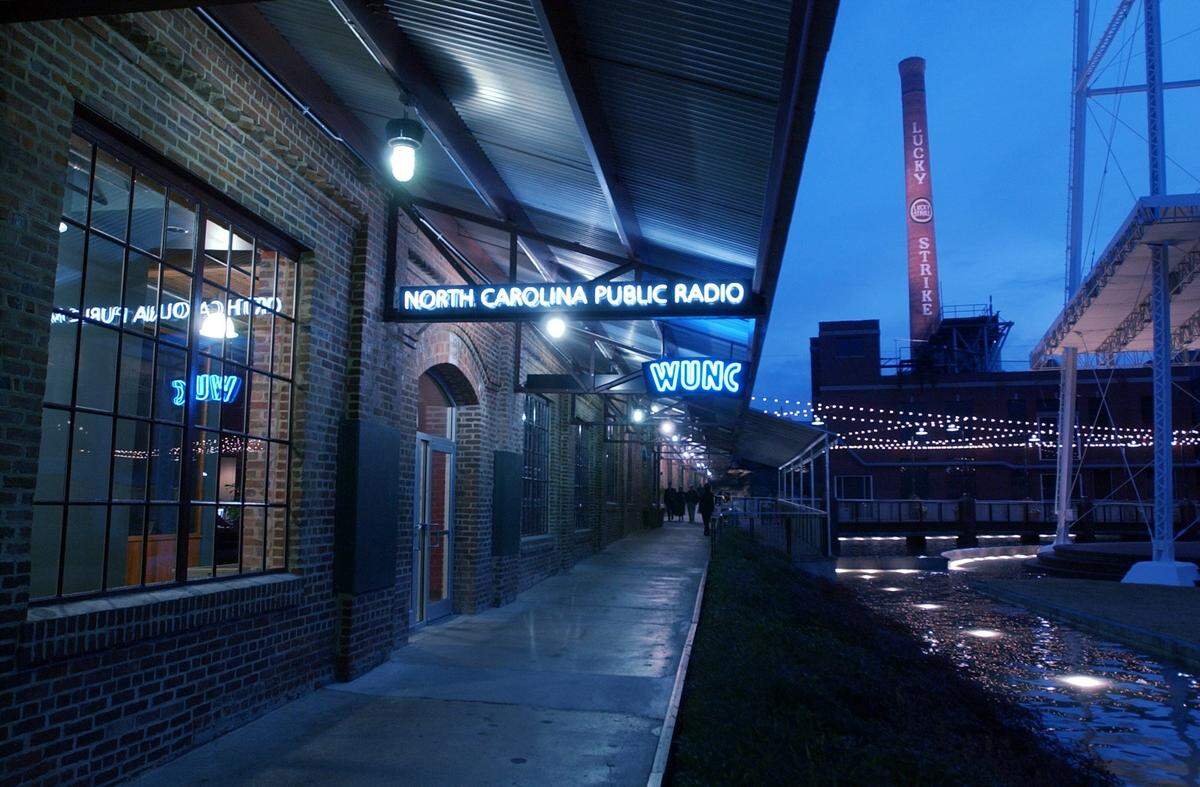
WUNC uses money from the CPB to pay staff, buy national programming from NPR and cover infrastructure costs, music royalty rights and its satellite distribution service, Hunton said.
The station is “not looking at” layoffs right now, and doesn’t know whether local listeners will lose any NPR programs, Hunton said. In coming months, WUNC will analyze where it might need to cut costs.
The money WUNC gets from the CPB is a relatively small percentage of its overall budget. In fiscal year 2024, WUNC received about $711,000 in CPB grants, about 5% of its total revenue of nearly $14.8 million. Other funds come from an endowment and private donations.
But some stations rely more heavily on CPB funds to purchase and upkeep equipment, deliver national programming and broadcast local news and emergency alerts, including notices of weather-related events.
For example, WRVS, based at Elizabeth City State University in Elizabeth City, received $193,488 in CPB Community Service grants in fiscal year 2024, according to the station’s financial statements. That was about 41% of its total operating revenue.
Western North Carolina’s Blue Ridge Public Radio provided information on shelters, flooding, power restoration and emergency instructions in the aftermath of Hurricane Helene. The station receives about $330,000 annually in CPB funds, about 9% of its overall budget, Blue Ridge Public Radio reported.
In its 2024 Local Content and Services Report, WNCW in Spindale wrote that it broadcast information throughout the hurricane and reported on where to find resources, food and water after Helene devastated the region. Because of the storm, the station delayed its fund drive until November. It ended up being the most successful drive in the station’s 30-plus-year history, raising more than $300,000.
Though stations are independent and use CPB funds differently, Hunton said, the potential for a snowball effect remains. If local stations can’t afford NPR’s fees for national programming, NPR could lose revenue. And if NPR loses revenue, it may have to cut services, which would affect stations such as WUNC that have more money to pay NPR’s fees.
How federal funding cuts will affect PBS North Carolina
PBS North Carolina, which employs about 140 people and has 12 stations across the state, gets more than $4 million each year from the CPB. State senators also want to cut $4 million from PBS North Carolina’s annual funding.
Among other expenses, federal funds help cover costs of educational programming and maintaining emergency communication infrastructure.
Most federal funding for PBS goes to locally owned and operated member stations, according to a PBS fact sheet. As is the case for some public radio stations, smaller public television stations in rural areas that rely heavily on federal funding may not be able to operate without the funds.
CEO David Crabtree said in an emailed statement that the broadcaster has not yet made any decisions about staffing or programming related to the funding cuts. However, in anticipation of the loss, PBS North Carolina previously paused production on a new show along with work on specials in development.
“Much remains unknown, but what is absolute is that we remain focused, resilient, and determined to continue educating, informing, entertaining, and inspiring the people of North Carolina,” Crabtree said in the statement.
This story was originally published July 29, 2025 at 1:36 PM with the headline "NC public radio & PBS could lose millions in federal funds. What it means."