
Here’s a list of what to toss from your fridge & freezer after a power outage
AI-generated summary reviewed by our newsroom.
- Refrigerators can retain safe temperatures for up to four hours during outages.
- Boil water advisories advise using boiled water for all food and hygiene uses.
- Health officials urge discarding perishables exposed to unsafe temperatures.
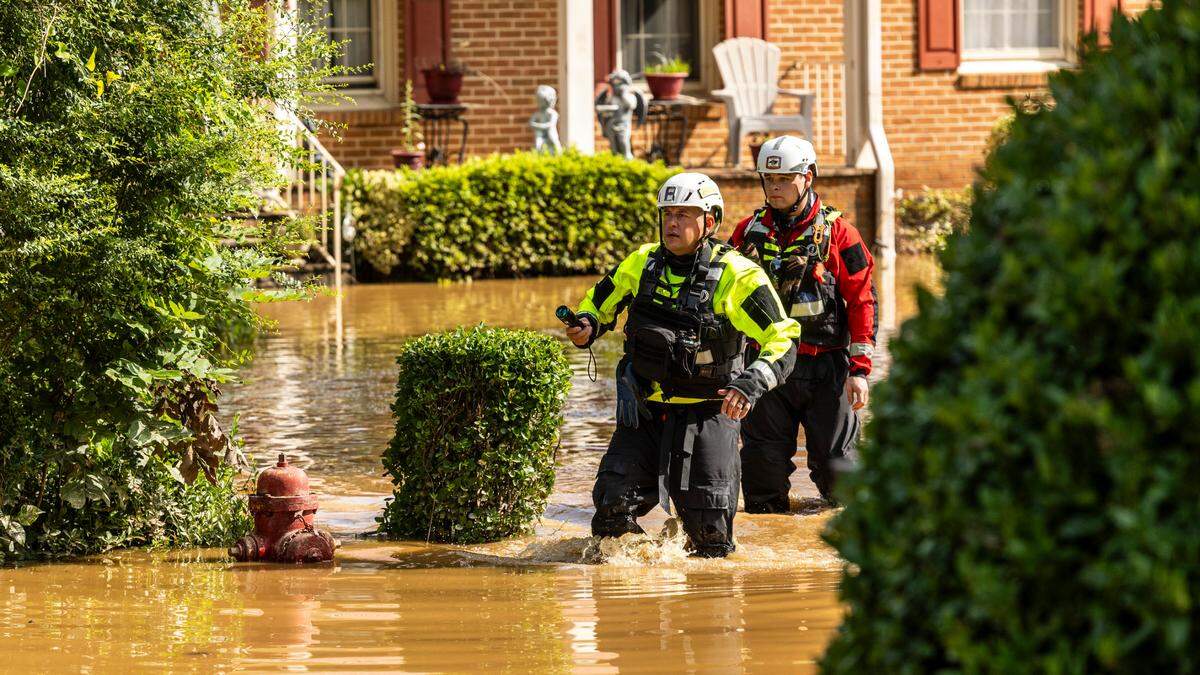
Chantal, which moved through North Carolina as a tropical depression, dropped more than 9 inches of rain on the Triangle, downing trees and flooding parts of the area over Fourth of July weekend. Over 27,000 residents lost power, and many families needed to evacuate their homes.
The News & Observer previously reported how to know if perishable food in your fridge or freezer is still safe during or after a power outage. Here’s what you need to know.
How long is food safe in a fridge, freezer during a power outage?
Once the power goes out, keeping the refrigerator and freezer doors closed is key, the Centers for Disease Control and Prevention says. Doing so can preserve cold temperatures for the following durations, The N&O previously reported:
- Refrigerator: Up to four hours
- Full freezer: Up to 48 hours
- Half full-freezer: Up to 24 hours
How long does milk last out of the fridge?
“When in doubt, throw it out,” CDC health experts advise.
Bacteria can grow quickly in unsafe temperatures and food may not show signs of contamination, The N&O previously reported. If the power was out for more than four hours, throw away any perishables such as:
- Eggs
- Milk
- Meat
- Seafood
- Leftovers
- Cut fruits
- Vegetables
- Any food with an unusual color or odor
- Any food above 40° F
Should you boil water during a power outage?
Tap water is typically safe to drink, but a boil water advisory may be issued if there’s a break in a water main or a loss of system pressure, the NC Department of Health and Human Services says.
Boiling water before use can kill harmful bacteria, though these advisories can be precautionary and do not always mean bacteria has been found.
Hillsborough town residents are under a boil water notice on Monday, July 7. The wells at the Water Treatment Plant were flooded by the Eno River, the town says.
Until water is confirmed safe, use boiled water for:
- Drinking
- Brushing teeth
- Washing fruits and vegetables
- Preparing food
- Mixing baby formula
- Making ice
- Drinking water for pets
- Coffee makers
- Hand washing dishes
Keep in mind:
- Most household water filters in kitchens do not remove bacteria or viruses.
- Young children and babies should be washed with a sponge bath using cooled, boiled water.
How to prepare for a power outage
The U.S. Food and Drug Administration recommends the following steps, The N&O previously reported:
- Make sure to have food thermometers in the fridge and freezer. Freezer should be at or below 0° F and the refrigerator should be at or below 40° F.
- Freeze gel packs and ice blocks to keep food cold in the freezer, refrigerator, and coolers.
- Freeze perishable items that may not be needed immediately to help them last longer in case of an outage.
- Store food on shelves to be safely out the way of contaminated water.
- Stock up on bottled water.
The News & Observer’s Kimberly Cataudella Tutuska contributed to this story.
This story was originally published July 7, 2025 at 2:44 PM with the headline "Here’s a list of what to toss from your fridge & freezer after a power outage."