The next brood of cicadas is going to pop up soon around NC. Here’s when you’ll hear them
Daylight saving time is finally here, and all that extra sunlight will soon be accompanied by a symphony of sound.
The Brood XIV cicadas are set to emerge in North Carolina sometime in late April or early May, Kelly Oten, an assistant professor of forestry and environmental resources at N.C. State University, told The Charlotte Observer.
These insects are considered periodical cicadas, meaning they only appear every so often, according to the National Wildlife Federation.
Brood XIV cicadas come out of the ground once every 17 years, Oten said, and they aren’t shy about letting you know of their presence.
Here’s what you need to know about periodical cicadas.
Where are periodical cicadas found in NC?
The cicadas won’t be spread across the state, Oten said.
“They’re going to be concentrated in the western part of the state,” said Oten. “There’s the possibility that they may not be found in areas where they were last time, simply because of development and things like that.”
According to CicadaMania.com, a site dedicated to tracking the movement of cicadas, the periodical insects will be present in the following North Carolina counties:
Buncombe
Burke
Caldwell
Catawba
Henderson
McDowell
Mitchell
Wilkes
What do periodical cicadas look like?
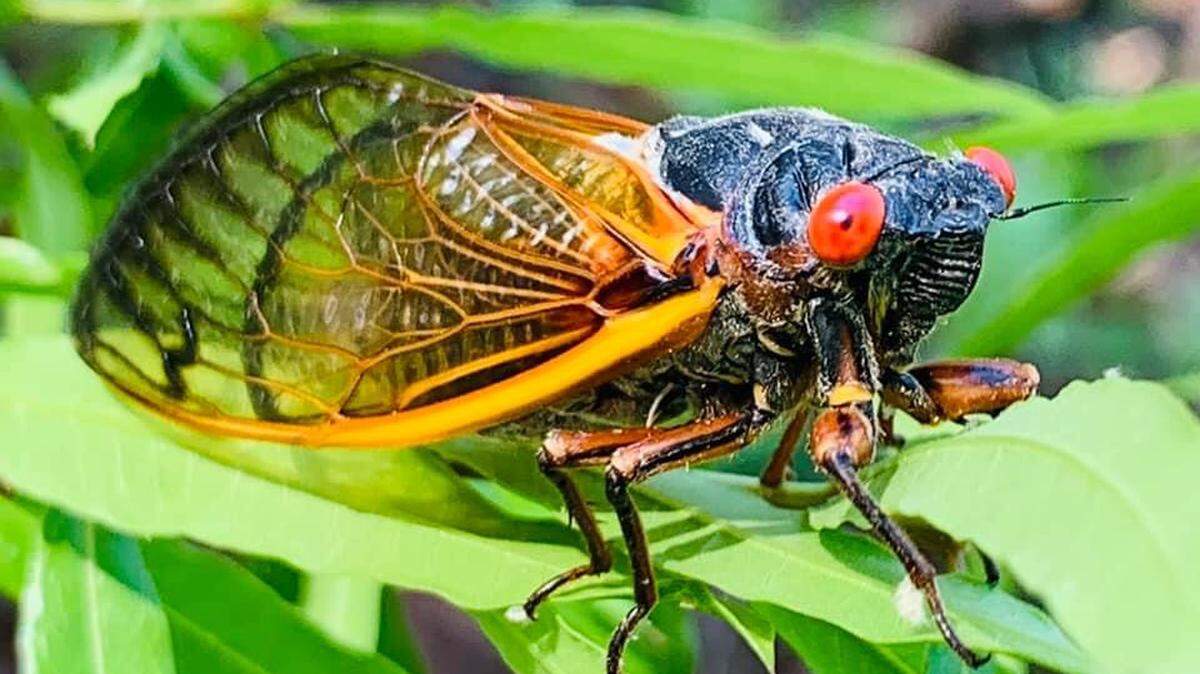
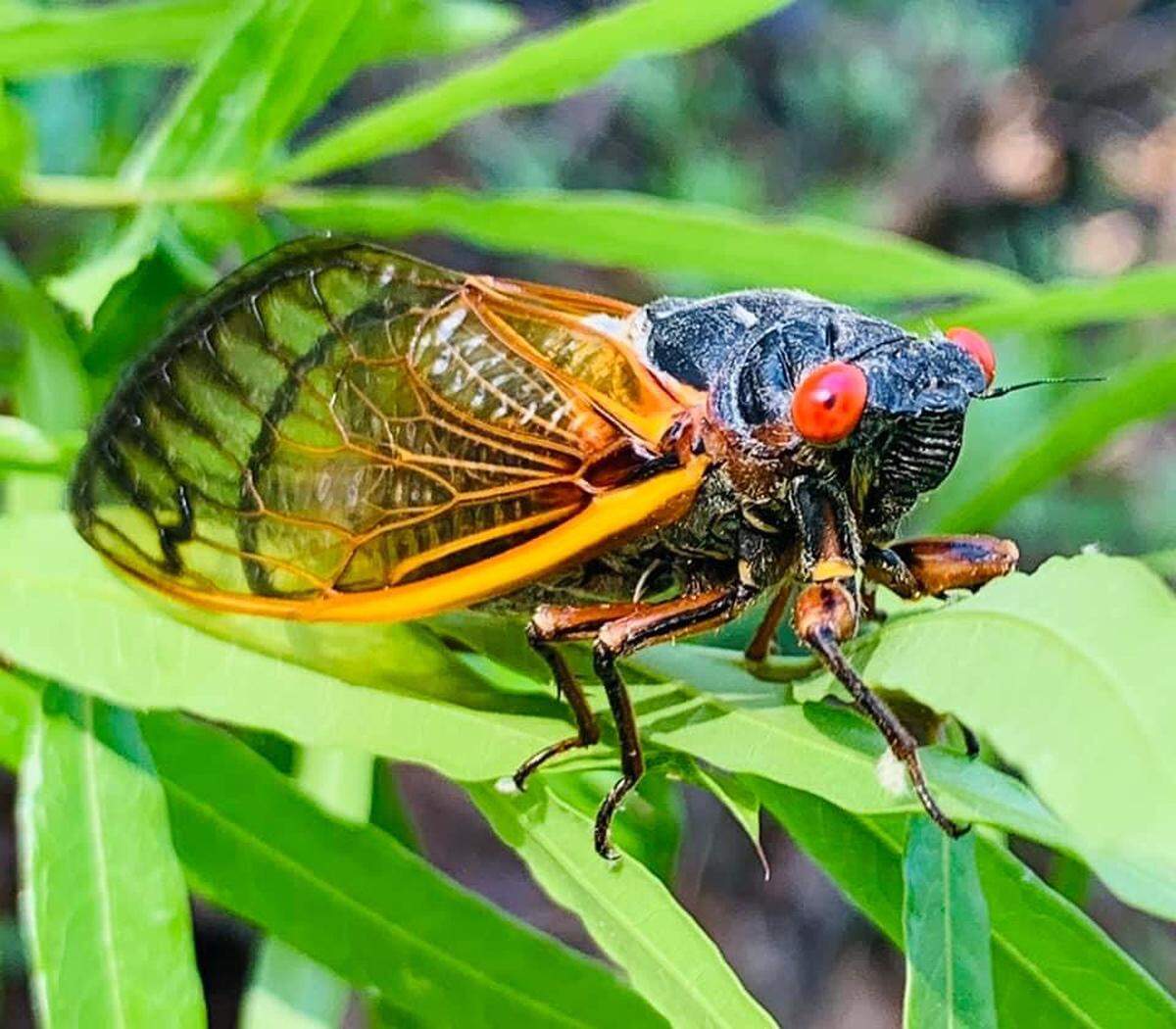
Unlike annual cicadas, which are usually a brown or green color, periodical cicadas are typically dark brown or black with orange or red eyes, Oten said.
“They’re pretty cool-looking,” Oten said.
Why do periodical cicadas sing?
Though some may find the never-ending cicada song annoying, Oten said the insects have a good reason for being so noisy throughout the day.
“It’s just how they find each other,” Oten said. “Those are mating calls. They’re trying to locate each other so that they can mate and lay eggs. And then 17 years it happens all over again.
Cicadas don’t like going near homes, Oten said, but that doesn’t mean they can’t be heard through an open window or screen door.
“It can get pretty loud,” said Oten. “It can get up to 100 decibels, which is about what a jackhammer can do.”
Are periodical cicadas dangerous to humans or pets?
No. They may be boisterous, but periodical cicadas are generally pretty safe.
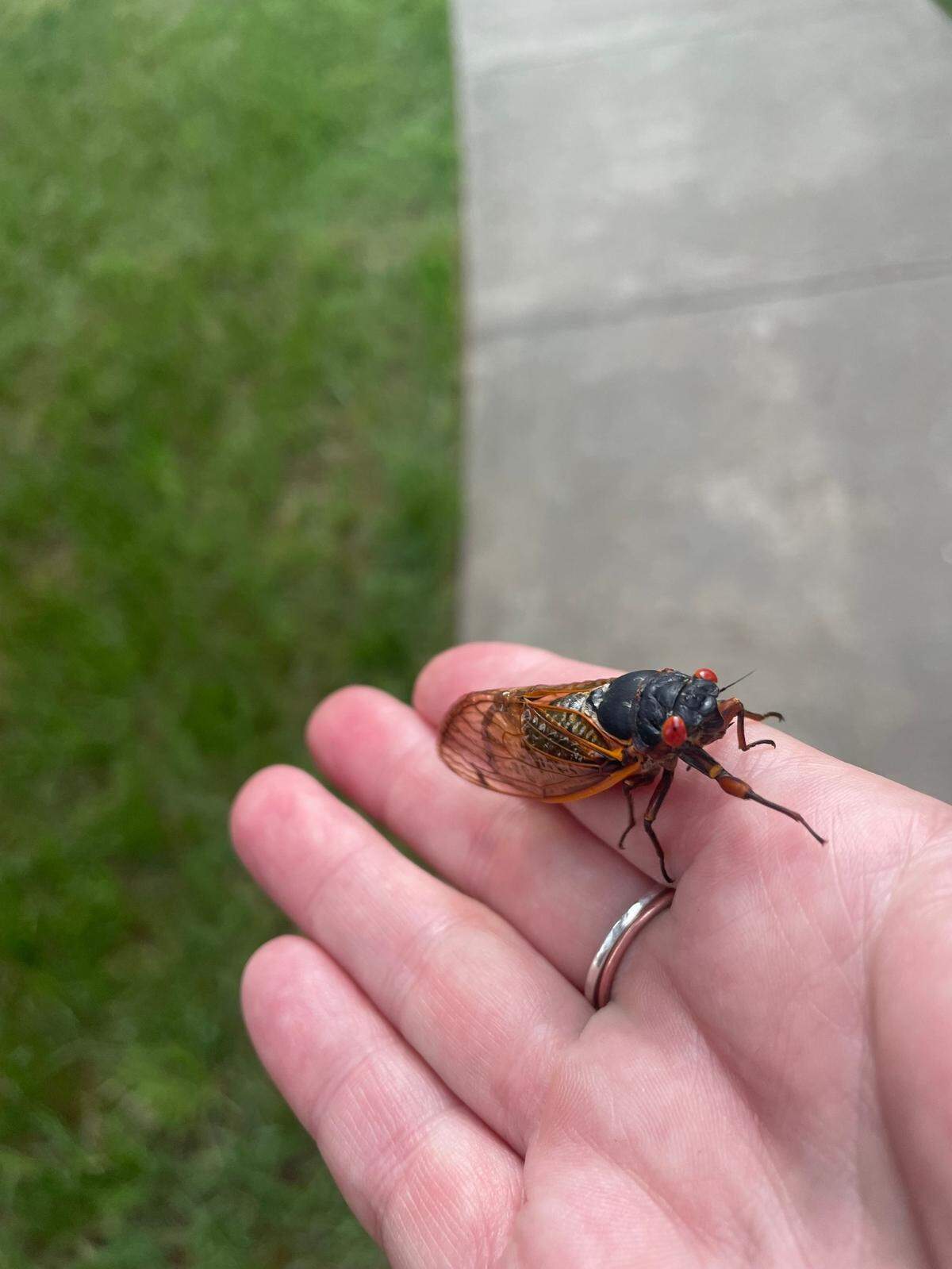
“They’re harmless,” Oten said. “You can actually pick them up, they don’t bite. There’s reports that dogs may eat them, but they’re not poisonous. I wouldn’t let my dog eat a lot of them, because that’s just generally not good. But they’re harmless.”
While cicadas won’t hurt you or your pet, Oten cautioned that they could damage your plants.
“If you have a small, newly-planted tree, cicadas could damage it,” Oten said. “I had a small sapling that I had just planted, and one of the cicadas destroyed the very top stems. The tree basically broke in half.”
Those with new trees or other small plants can put nets over them to keep cicadas at bay, a move that is “totally safe for the plant,” Oten said.
When do periodical cicadas usually leave?
Experts expect the cicadas to be gone by mid-May, but their prediction could be off, Oten warned.
“We were saying that for our brood that came out last year, and we were off by three weeks, simply because the weather and temperature played in,” Oten said. “The last data point we have for these cicadas was back 17 years ago.”
When will cicadas arrive for the rest of NC?
While periodical cicadas are slated to arrive at the end of May in the western part of the state, the rest of the state will see annual cicadas in the coming months.
Sometimes referred to as “dog day” cicadas, they typically emerge in July and August, according to the N.C. State Extension.
Annual cicadas insects typically have green bodies with black markings, and are usually larger than periodical ciacadas, Chris Hayes, a postdoctoral scholar at N.C. State University who specializes educating the pest management industry on critter habits, previously told The Charlotte Observer.
Like periodical cicadas, annual cicadas aren’t dangerous to humans or pets, but they can damage plants, Hayes said.
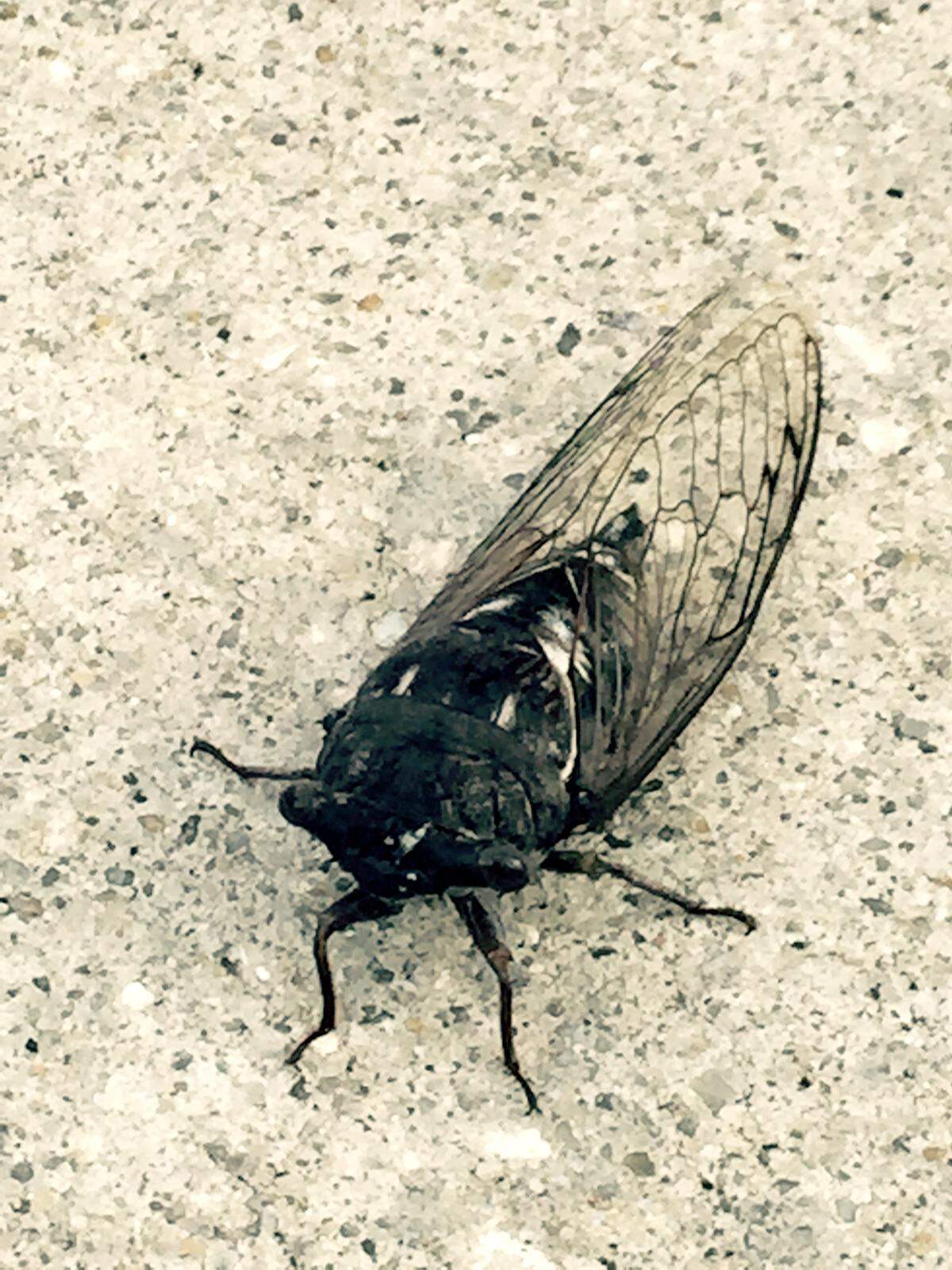
“They can be scary because of how loud they are and unexpected, but they are totally harmless, Hayes said. “You could pick one up and hold it in your hand all day, and all it would do is is buzz or scream at you to let it go.”
Once they arrive, annual cicadas typically only stick around for about a month, the N.C. State Extension says, meaning they should be gone by September.
This story was originally published March 11, 2025 at 10:57 AM with the headline "The next brood of cicadas is going to pop up soon around NC. Here’s when you’ll hear them."