
Farewell David Lynch, who made ‘Blue Velvet’ in gritty NC, ruffling delicate feathers
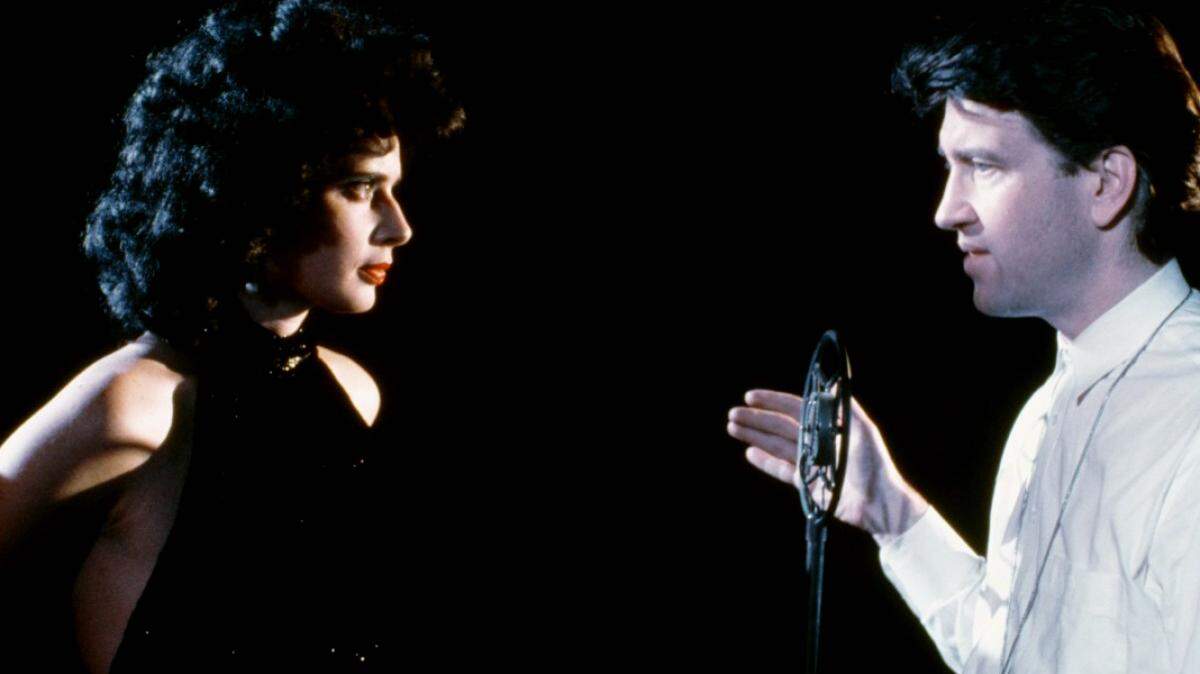
In 1985, a skinny, chain-smoking film director with a rakish pompadour and a Boy Scout’s cordial manner arrived in the swampy southeast corner of North Carolina, ready to make a movie that would set the state ablaze.
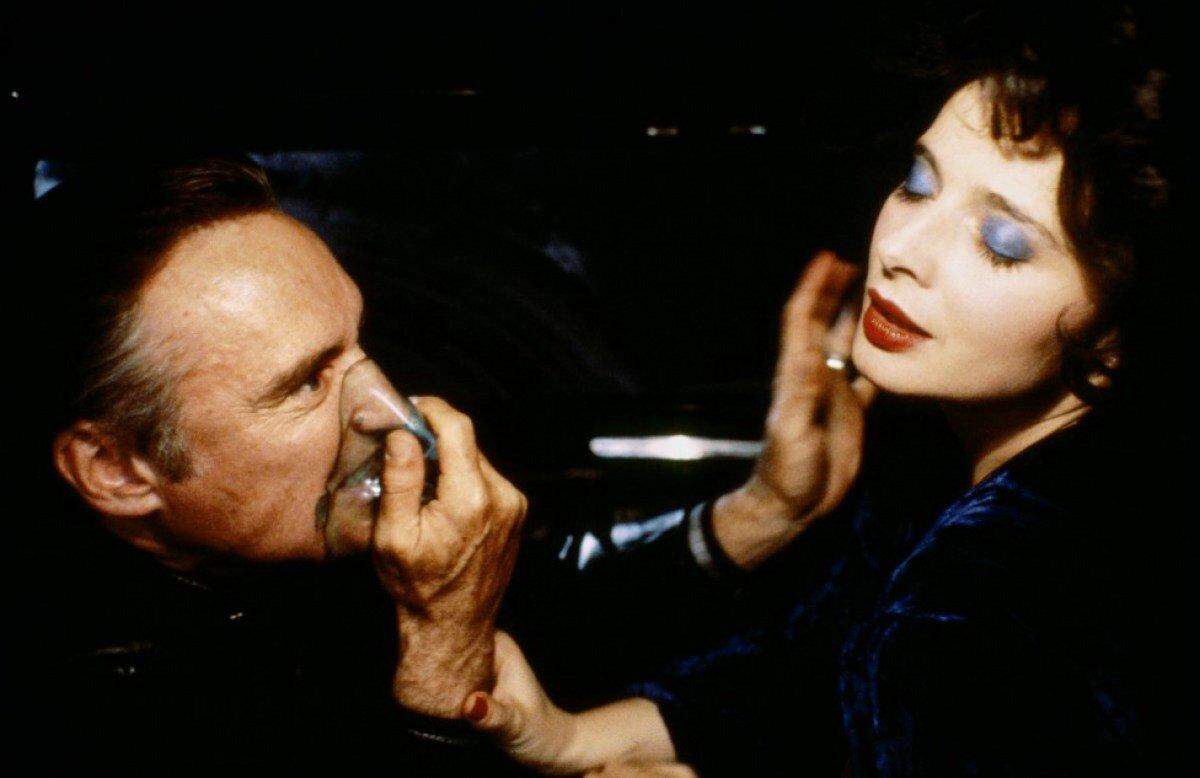
He cast Dennis Hopper as a gas-huffing, psychopathic gangster with a penchant for Roy Orbison, pairing him against Isabella Rossellini, who played a lounge singer and kidnapped sex slave. And he set this intensely weird, hard-to-watch classic in the real-life city of Lumberton.
Soon, headlines across the state screamed in outrage over David Lynch and “Blue Velvet,” the movie he filmed mostly in Wilmington but partially in its Robeson County namesake, which is dressed up as a lumber town and subjected to numerous wood-related jokes — including a radio station named WOOD.
Not only had Lynch tastelessly drawn viewers into two hours of sadomasochistic fantasy, full-frontal nudity and drugs sucked through an oxygen mask — cinematic offenses that caused one reviewer to call his movie a “sick joke.”
But he did it in the Tar Heel State — and he named names! The pearl-clutching commenced.
“Should Have Gone to Fayetteville”
The News & Observer panned “Blue Velvet” as “horrible,” and its reviewer chastised Lynch for defaming Lumberton — “Yes, our Lumberton” — as if he’d kicked the family dog.
The city fathers, who’d been paid $500 for the use of their city’s name, felt hoodwinked.
“We’re just a quiet little town,” an outraged Mayor Cobie D. Wilson Jr. told the Winston-Salem Journal, apparently with a straight face. “We’re a town with pretty streets, old homes, flowers and trees.”
“If they wanted real problems,” said police Supervisor C.E. Johnson, “they should have gone to Fayetteville.”

I bring all this up because Lynch died Thursday at 78, having weathered his “Blue Velvet” storm and marched on to make “Twin Peaks,” “Wild at Heart” and a dozen other oddball favorites — leaving this world as the darling of eccentrics everywhere.
A famous ear
Tempers have softened and tastes have grown broader in the 40 years since “Blue Velvet,” and I’m here to celebrate our ties to Lynch and this cringe-inducing treasure.
A year later after its release, the outrage had died down and Lynch spoke at UNC-Chapel Hill, where the students peppered him with “Blue Velvet” questions.
“I was handed a map,” he said from Hamilton Hall, quoted in The Daily Tar Heel. “I saw the name Lumberton there and flipped out because it’s the perfect name for that city.”
Soon, news articles popped up about local contributors.
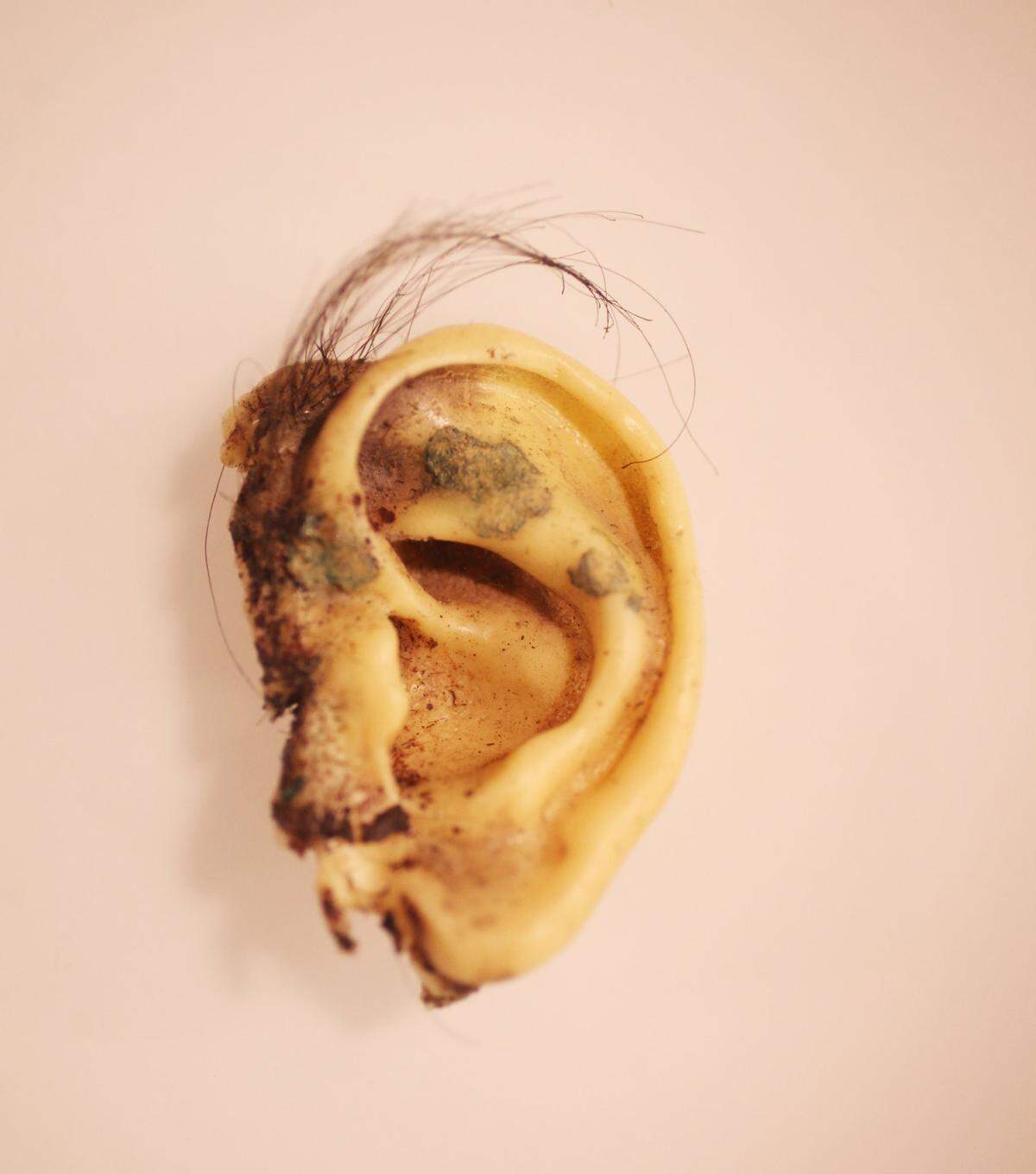
Dean Jones, a special effects artist from Alamance County, made the film’s famous severed ear, which resembled a shriveled avocado sprouting hair.
“You can’t fool people anymore,” he told the Associated Press. “You’ve got to make it look as realistic as possible.”
The state is still full of people who contributed a piece of “Blue Velvet,” adding to its crazy quilt.
“I think it was the first real movie filmed at the De Laurentiis studio in Wilmington, so it was really a new thing in town,” said Frank Turner Owens, in town at the time. “We had a friend in casting at the studio who would hook us up for extra and stand-in parts, but this was our first one. Extras don’t really know what’s going on, but our friend just told us be prepared because it’s supposed to be really weird.”
His mother gushed in anticipation. But she didn’t see it. “Mama was no prude,” he said, “but PBS’ “I Claudius” was about as racy as she got.”
Even Lumberton would relax a little in the ensuing years and quit pushing itself as a sleepy, picket-fence promised land.
Only two years after “Blue Velvet,” armed activists with the Tuscarora tribe would hold the news staff hostage inside The Robesonian to bring attention to police corruption and racism. Five years later, Michael Jordan’s father would be shot to death there while sleeping in his car.
Not long ago, a Reddit thread asked, “Why set Blue Velvet in Lumberton,” and the comments ran along these lines:
“When I saw Blue Velvet when I was 17, I thought ‘Yes, this is it. This is Lumberton.’ If I found an ear in a field, that would be both normal and astonishing.’ “
The only thing that troubles me about “Blue Velvet” is the scene most people found most troubling, which Rossellini recounted in her memoir “Some of Me.” Naked, bloody, she modeled her performance on the famous photo of a Vietnamese girl running through the streets after a napalm attack.
But I hate that she regrets doing the scene, however powerful and crucial to the movie.
“People came out with blankets and picnic baskets,” she wrote in a quotation I’m excerpting, “with their grandmothers and small children. I begged the assistant director to warn them it was going to be a tough scene, that I was going to be totally naked, but they stayed, anyway.”
We are a gritty state of rusted tin roofs and kudzu-covered barns. Alligators, copperheads and Venus flytraps all thrive here, not to mention mosquitoes in clouds thick enough to block the sun.
Depictions of life here, however fictional, don’t have to be pretty to qualify as art.
I think Lynch made that clear.
This story was originally published January 20, 2025 at 5:00 AM with the headline "Farewell David Lynch, who made ‘Blue Velvet’ in gritty NC, ruffling delicate feathers."