Rev. Barber retiring from NC church to head Yale center about theology and public policy
Yale Divinity School will launch a new Center for Public Theology and Public Policy with the Rev. William J. Barber II as its founding director.
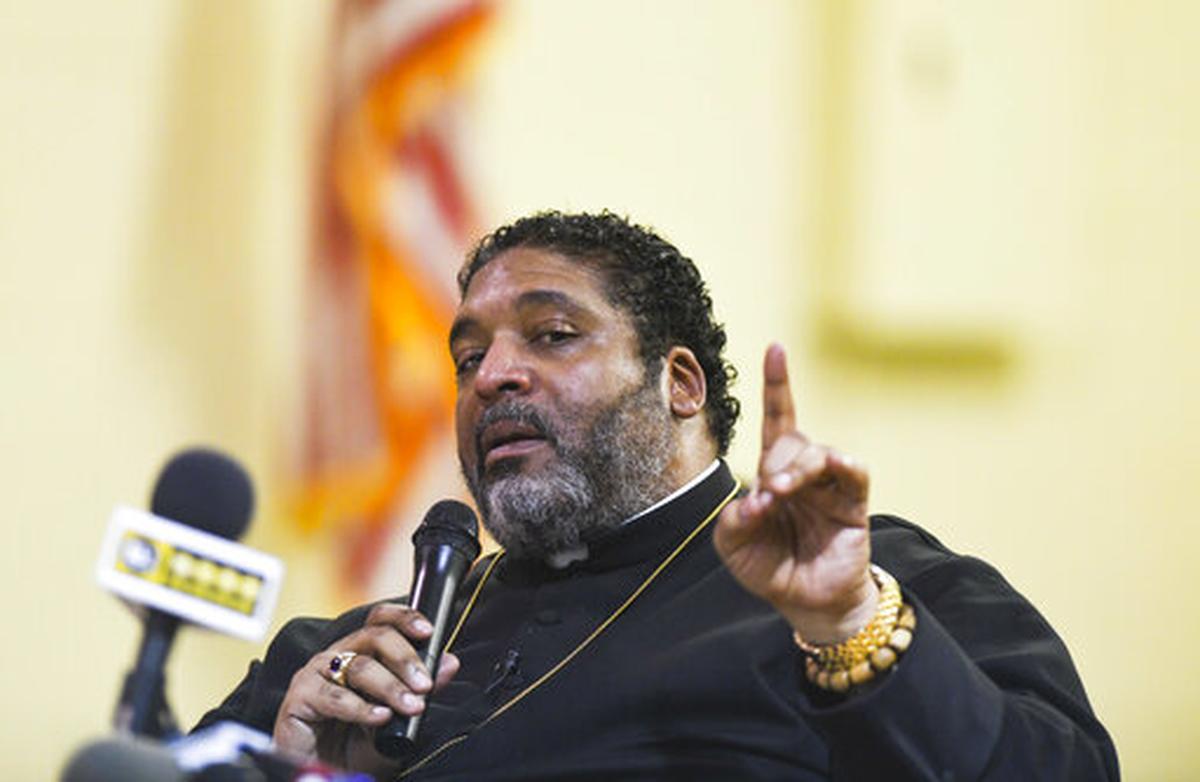
The center will offer instruction combining theology and advocacy, teaching students to approach public policy issues from a faith-based moral perspective. Yale Divinity School Dean Gregory E. Sterling said Barber was chosen to lead the center in part because of the work he did in North Carolina mobilizing Moral Monday marches beginning in 2013 in opposition to decisions by the N.C. General Assembly.
“YDS is thrilled to launch the new Center for Public Theology and Public Policy and to welcome William Barber to our community,” Sterling said in a release announcing the center. “Dr. Barber’s work and service is in the tradition of public witness that produced Frederick Douglass and Sojourner Truth, Walter Rauschenbusch and Howard Thurman, Ida B. Wells and Dorothy Day, Martin Luther King, Jr., Ella Baker, and Abraham Joshua Heschel. Establishment of the Center at YDS is an opportunity to deepen our relationship to a historical movement that revives nearly two centuries of social justice tradition to meet the complex social realities of our time.”
To join Yale, Barber will retire as pastor of Greenleaf Christian Church in Goldsboro, which he has led since 1993.
Barber, 59, said he is excited about joining Yale and sees it as a transition from one type of pastoral work to another.
“Leaving a congregation is a little teary,” Barber said, because its members are like family. Moving into the position at Yale will allow him to become more of an elder, he said, allowing him to share his knowledge and experience with students who can use it and expand on it.
“Legacy is not so much what you do,” Barber said, “but how many people you can sew into what you did to do it better than you did and have an impact on society.”
.jpeg "RAL_20181127_moralmarch_CAT (3).jpeg")
‘A biblical responsibility’
Barber, who is a former president of the North Carolina NAACP, will continue to work with the Poor People’s Campaign and Repairers of the Breach, organizations that advocate for social and economic justice on a national level. He compared the job at Yale to being a physician at a teaching university who can lead a classroom but also continues to perform surgeries.
“We have a biblical responsibility to pour into and to share,” Barber said. “In some ways I may be leaving the pastorate but not pastoring. Because in some ways this is about pastoring the movement.”
For Barber, “the movement” is a continuation of all social and economic justice work done throughout American history, including efforts to end slavery, to improve working conditions, to secure the rights of women and minorities and to protect the environment.
“If you look deep enough, all of those issues are pushed forward by theology and public policy, by people raising the real question: What kind of society are we if we don’t have labor rights? If we don’t have women’s rights? If we don’t have equal rights? If as a society we don’t have those, aren’t we in violation not of some political position, but of some deep moral conviction?”
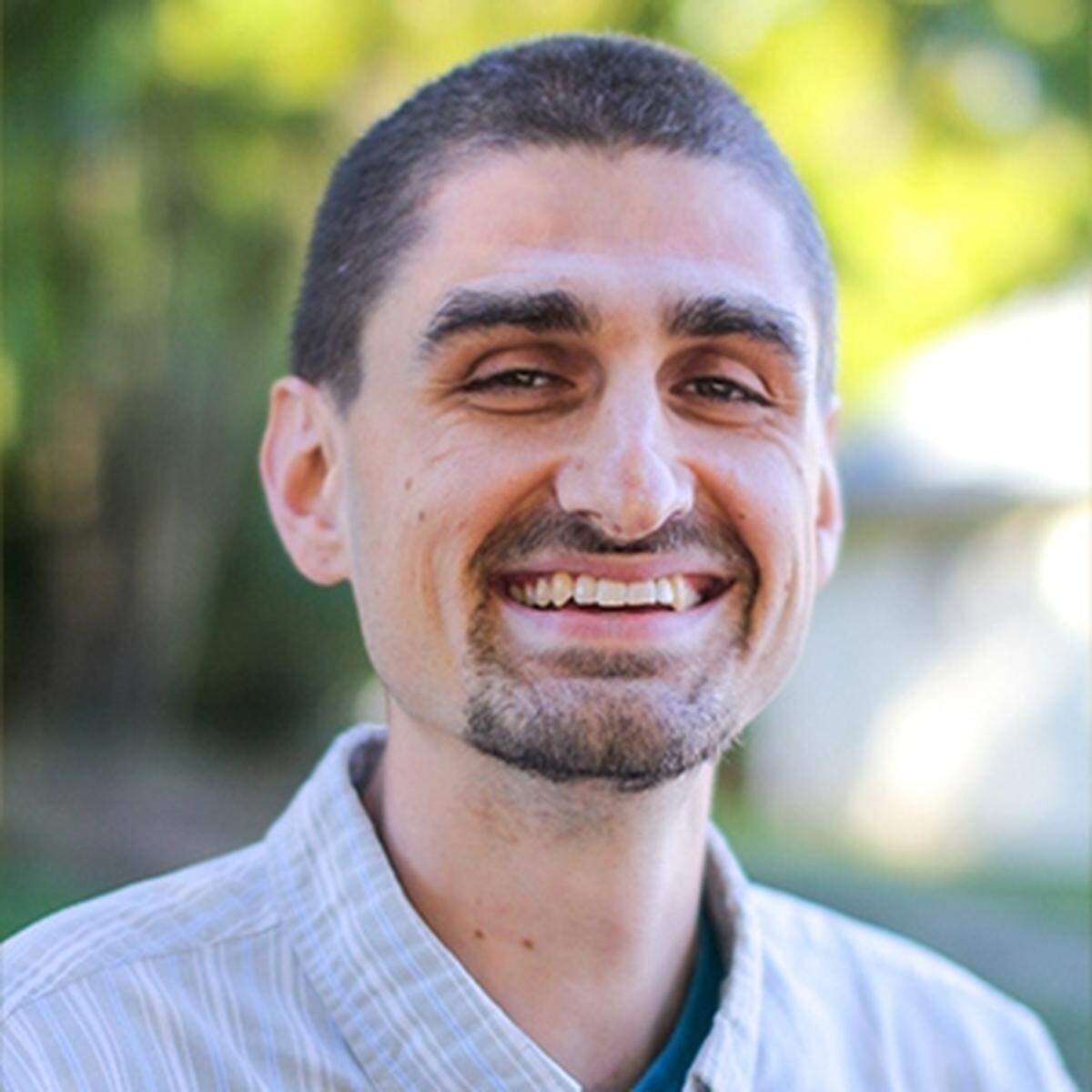
Barber will be joined at the Center for Public Theology and Public Policy by Durham’s Jonathan Wilson-Hartgrove, a Christian author and activist who will serve as a lecturer and assistant director for partnerships and fellowships.
He said work to launch the center began in 2018 when he and Barber did a mobile course in public theology visiting about a dozen seminaries to see who was open to the idea of connecting — or reconnecting — theology and public policy.
Yale’s Divinity School was especially interested in the idea, which Wilson-Hartgrove said was more in vogue in the mid-20th century and faded as the notion of religion was increasingly tied to conservatism.
Partnerships with HBCUs
Courses at the center will be part of degree programs within the Divinity School, Wilson-Hartgrove said, but also will be open to students at the law school and to undergraduates at Yale College.
Yale also is interested in bringing in students to the Divinity School from historically Black colleges and universities in the South, including in North Carolina. The center will announce partnerships with some HBCUs next year, he said, that will allow students to attend its classes without incurring debt.
Wilson-Hartgrove said that while the center will emphasize faith values in public policy, including those from the Christian faith, the teaching will be different from the Christian nationalism espoused by some on the far right.
Wilson-Hartgrove said Christian nationalism — the notion that America is a Christian nation and the government should be involved in keeping it that way — arose in part as a response to the moral arguments in favor of Civil Rights in the 1950s. That evolved into a sense of Christian supremacy, he said.
“We don’t think that you answer that with a sort of religious left,” he said. “You don’t just try to create a religious alternative to that. Rather, we want to have a place where the best scholarship about public policy can be in conversation with the best scholarship about fundamental morality.
“All of the moral traditions that inform who we are and what our values are as communities in this country should speak to what kinds of public policy we want to see in the world,” Wilson-Hartgrove said. They should be like those the Poor People’s Campaign has advocated for, he said.
“Policies that lift from the bottom, helping people thrive to the benefit of everyone.”
Barber will travel between Yale, in New Haven, Conn., his home in Goldsboro and his speaking engagements around the country.
The center will begin work in early 2023.
This story was originally published December 21, 2022 at 8:00 AM with the headline "Rev. Barber retiring from NC church to head Yale center about theology and public policy."