Should we mask up over the holidays to avoid COVID, flu, RSV? A UNC doctor’s advice
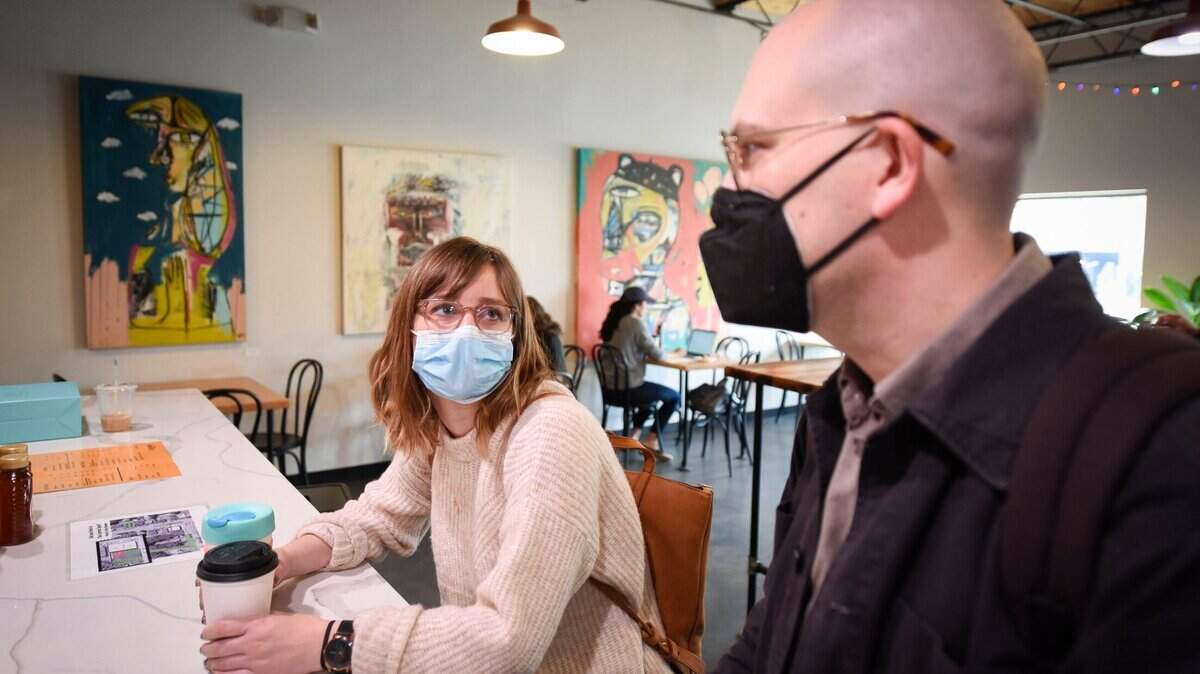
With RSV, flu and COVID floating around, should we go back to wearing masks in larger gatherings over the holidays, or are we safe to forego face coverings if vaccinated?
The News & Observer spoke with Dr. David Weber, associate chief medical officer at UNC Medical Center and medical director of UNC’s Department of Infection Prevention, to learn more about this season’s viruses.
Should we wear masks at holiday gatherings this year?
Particularly vulnerable individuals — such as those with underlying immune disorders, organ transplant recipients, those with cancer, older individuals — should consider wearing a mask when they’re gathering outside of their typical household bubble, Dr. Weber said.
COVID, RSV and the flu are all droplet-spread diseases through environmental transmission. They thrive in lower temperatures with low humidity — our current wintertime environment.
Most hand sanitizers and household cleaning products will kill all three viruses. Don’t underestimate good handwashing and hygiene practices this holiday season, Dr. Weber said.
“You can absolutely mask up while traveling, but that’s not your greatest risk to catching and spreading these diseases. It’s all about what you’re doing after you get where you need to go,” he said. “Spending time in large crowds, eating and mingling together in a close environment. That’s what’s going to put you at the most risk.”
Is COVID, RSV or the flu this year’s largest concern?
COVID is by far the largest concern right now, Dr. Weber said.
RSV, or respiratory syncytial virus, spiked in September and October but has mellowed. The flu’s largest spike was in late October through November and has also mellowed.
RSV and the flu are on their way down, while COVID’s making its way back up, he said.
“The latest data shows test positivity is up 10%, hospitalizations are up 15% and death is up by 60%,” Dr. Weber said. “We lose about 100 people a day to car crashes and gun violence, and we lose about 400 people a day to COVID. That’s more than double the other two leading causes of death combined.”
Plus, new COVID variants are making some treatments such as monoclonal antibodies that have worked well in the past, obsolete.
Antivirals work, and the vaccine is still very effective at preventing hospitalization and death, but not as strongly with the introduction of these new variants, he said.
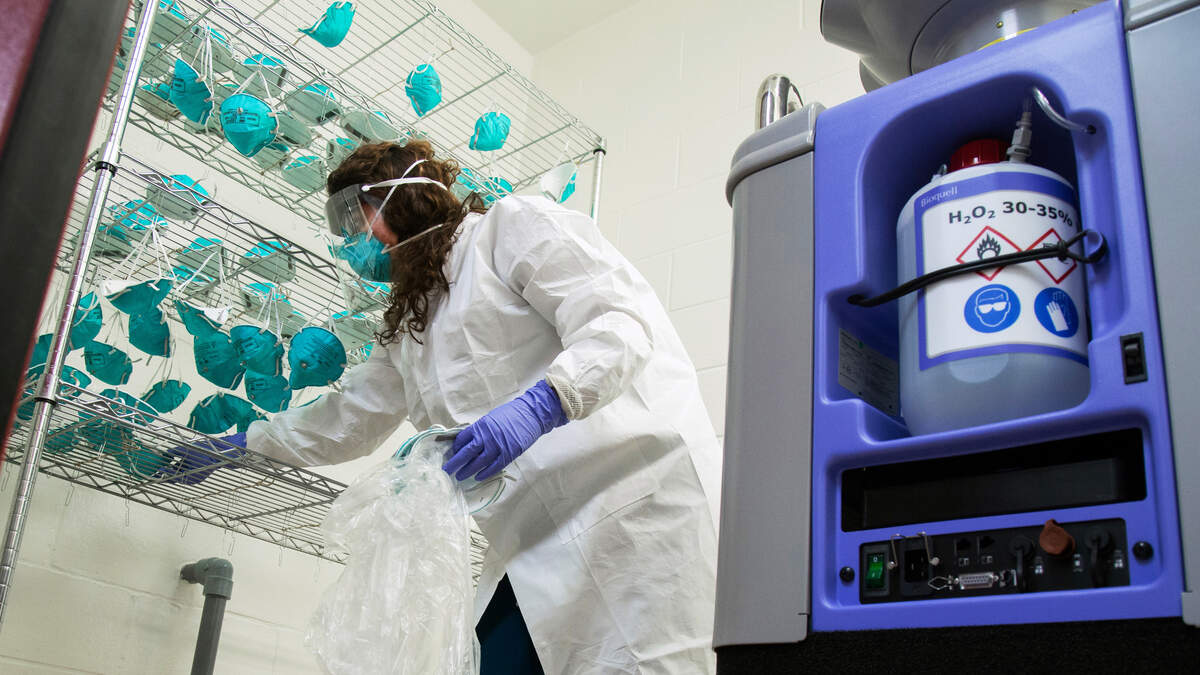
How do you know if you have COVID, RSV or the flu?
Since the symptoms are so similar between these three illnesses, you can only know for sure which you have by getting tested.
UNC has 4-plex tests — which checks for all three diseases at the same time — to determine which treatment you need.
Symptoms will typically begin with a sore throat or a runny nose, followed by congestion, coughing and sneezing. All three can develop pneumonia, and other common problems — especially in children — can include nausea, vomiting, headaches and diarrhea.
It’s possible to have more than one illness (or even all three) at the same time.
Treatments: COVID and the flu have approved vaccinations, while RSV does not. But high-risk infants can be provided a long-acting monoclonal antibody to prevent RSV. Therapy for influenza can be provided to infants 14 days and older, and therapy for COVID can be provided to infants 28 days and older.
What is RSV?
RSV (or respiratory syncytial virus) is a common virus that usually spikes each winter, though its spike in our region came a few months early.
Anyone can catch and get sick from RSV, but it’s particularly a problem in premature infants and older adults. Most who catch it will recover in about a week.
RSV is droplet-spread through environmental transmission: “If you rub your nose then touch something in the house, then I touch that same spot and rub my nose, I have a high chance of picking up RSV,” he said.
RSV is most commonly spread through coughing and sneezing.
There is no vaccine to prevent RSV, but there are antibody treatments (especially effective for young infants) if you develop it.
The infection and death rate for RSV looks similar to the flu, so it is a common disease to be taken seriously, Dr. Weber said.
This story was originally published December 20, 2022 at 2:02 PM with the headline "Should we mask up over the holidays to avoid COVID, flu, RSV? A UNC doctor’s advice."