‘End of our rope’: Respiratory season pushes day cares, parents to a breaking point
When COVID-19 vaccines were finally approved for young children in June, Beth Branciforte thought the days of nose swabs and outbreaks were behind her small preschool in Durham.
Branciforte, the director of Branches Community School, saw parents sigh in relief as she announced that they would lift many of strict rules governing when kids had to stay home from school.
“We were all so hopeful — the kids finally got vaccinated two and a half years into the pandemic so now we can all live a little,” she said. “In fact, it’s been the opposite.”
As the school year began, North Carolina was entering one of the worst years for pediatric illness in recent history, as cases of RSV, flu and COVID-19 surged simultaneously.
Parents and child care providers, who already endured two years of COVID-19, were once again asked to respond to an unprecedented health crisis.
Day care centers like Branciforte’s were hit with wave after wave of respiratory viruses that left gaps in staffing and knocked out classrooms of children. Working parents scrambled to find child care for their sick kids and a record number of Americans missed work for “child care reasons”— even more than during the height of the pandemic.
“We’re all at the end of our rope in terms of needing to do our jobs, but also the reality of how sick kids have been this fall,” Branciforte said.
Out of control
At Branches’ quaint bungalow in Durham, the tough respiratory viruses started almost immediately after the new school year began in September.
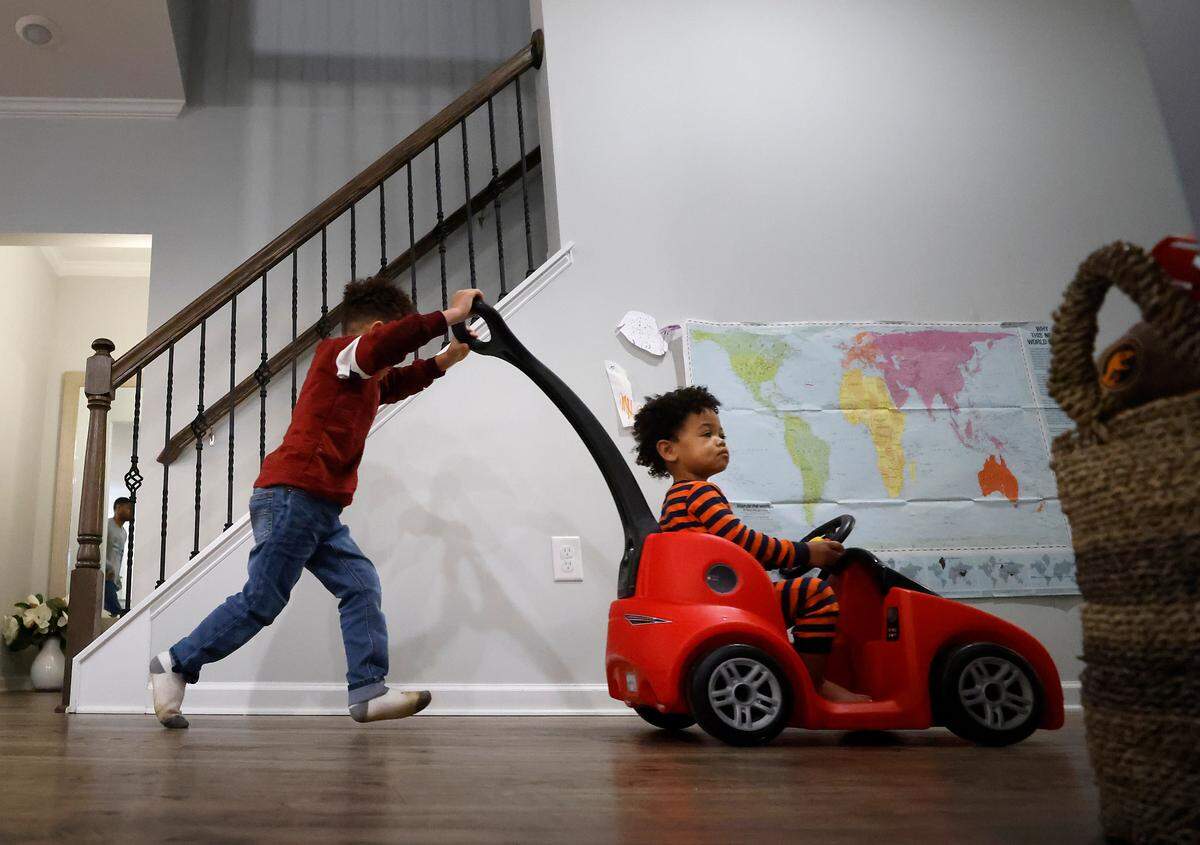
More kids were home sick than ever before, she said. In many instances, children would return to school after a week at home only to contract yet another virus that started spreading in their absence.
The school’s 12 staff members were out so often, either because they were sick or they had to care for their own sick children, that the school had to increase the amount of paid leave time. The school has been fully staffed for only eight of the 60 days it has been in session this academic year, Branciforte said.
Of the eight infants enrolled at Branches Community School, four contracted RSV. Three of those babies— including Branciforte’s 8-week-old son — ultimately went to the hospital for breathing treatments.
The school year started to feel “wildly out of control” to Branciforte.
Infectious disease experts don’t yet know why respiratory ailments have been so tough this year for children. Some speculate that immunity against viruses that kids would usually encounter waned during the pandemic while they were isolating and wearing masks.
“I don’t think we have any well-controlled studies to prove that one way or the other,” said Dr. Mike Smith, a Duke pediatric infectious disease expert.
Branciforte decided to reinstate stricter sick policies that she knew would be unpopular among the parents, like the “runny nose policy” that bars kids from coming to class if a parent has to wipe their child’s nose more than three times an hour.
She held a mandatory meeting to break the news to the parents.
“We thought we could take on more of the responsibility of care-giving for minorly ill children — that has proven to be terrifying and dangerous for the youngest population at our school,” she told parents. “Therefore, we’re putting the ball back in your court.”
‘Praying that your phone doesn’t buzz’
Since the school year started in September, Ashly Gaskin’s family has been to urgent care five times, the doctor’s office seven times, and each of her boys has been to the emergency room once for viral infections.
Gaskin, who has an 18-month-old and a 4-year-old enrolled in Branches Community School, lost track of how many days of they stayed home.
“We have a joke in my family that we pay for day care but they are probably home half the time,” she said.
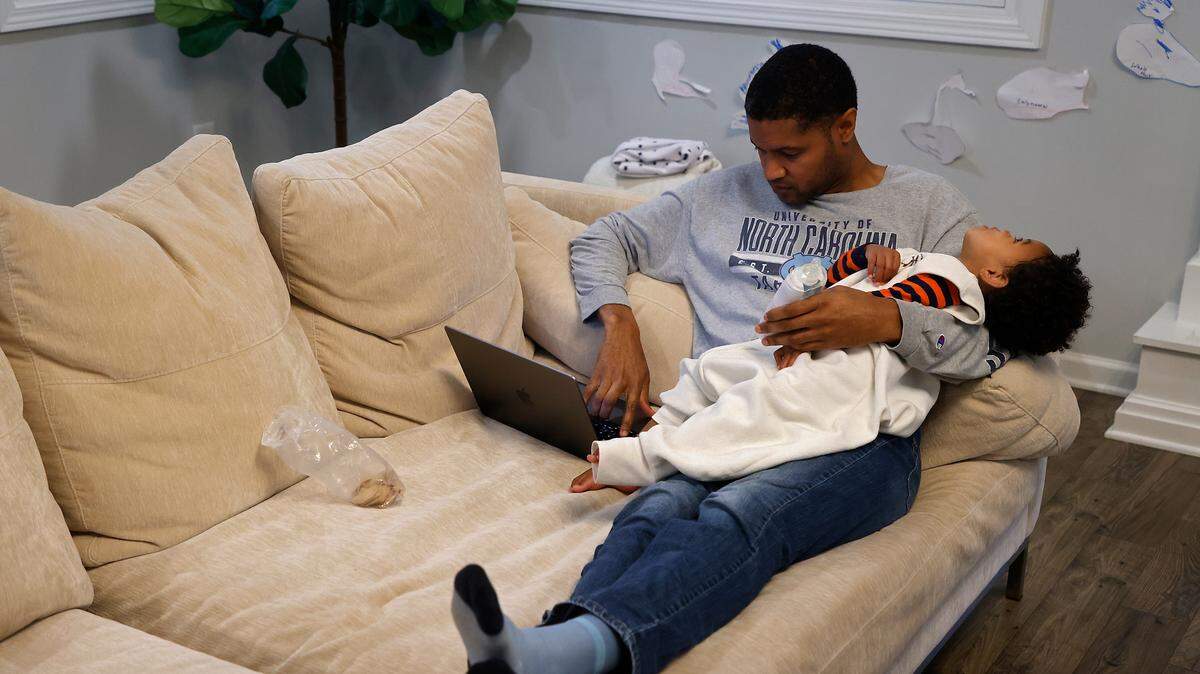
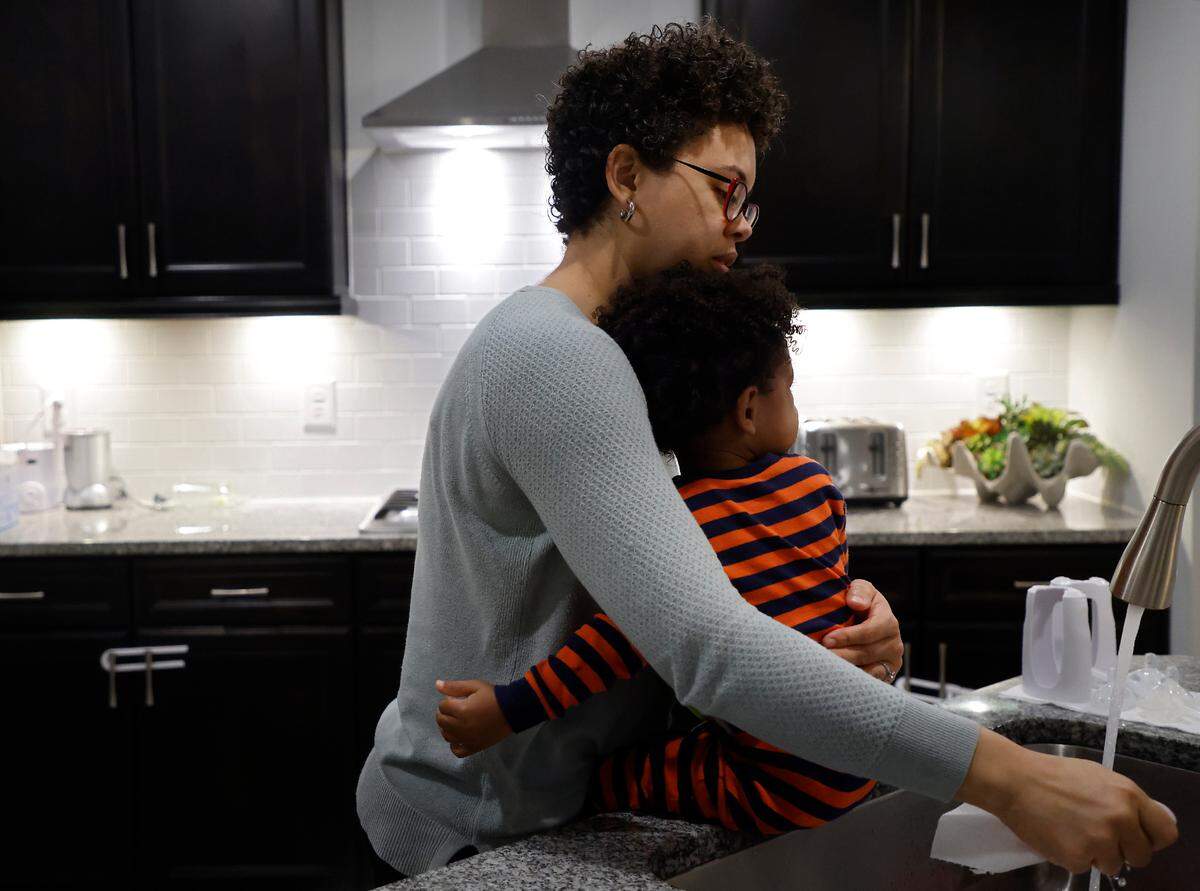
Her sons often pass viruses to one another, creating an almost perpetual need for her to stay home or call in their grandparents for help. In fact, when she spoke to the N&O last week, her sons were both home with low-grade fevers.
Gaskin, who owns her own psychology practice, had to cut back the number of new patients she could accept.
“I know I’m going to have less time — I just don’t know when,” she said. “It doesn’t feel good from a professional standpoint.”
Elizabeth Whetsell, whose 4-year-old and 6-month-old attend Branches, recently decided to leave her job as a school nurse when the stress of raising an infant who is “in school as much as he’s been out” became too much.
“You’re literally at work just praying that your phone doesn’t buzz and it’s not the school telling me to come and pick one of them up,” she said. Her younger child was home sick with she spoke with the N&O.
Whetsell’s new job allowed her to put off her start date until January, hopefully when the worst of the respiratory season will have passed. She said that saved her from quitting her career completely.
She recognizes that her family is fortunate — her husband has a job that allows remote work and her parents occasionally make the two-hour trip to Durham to help out.
“What’s crazy is that I feel like we do have really flexible jobs, we have paid sick time and it still sucks,” she said.
Research shows that frequent sick days often affect parents unequally.
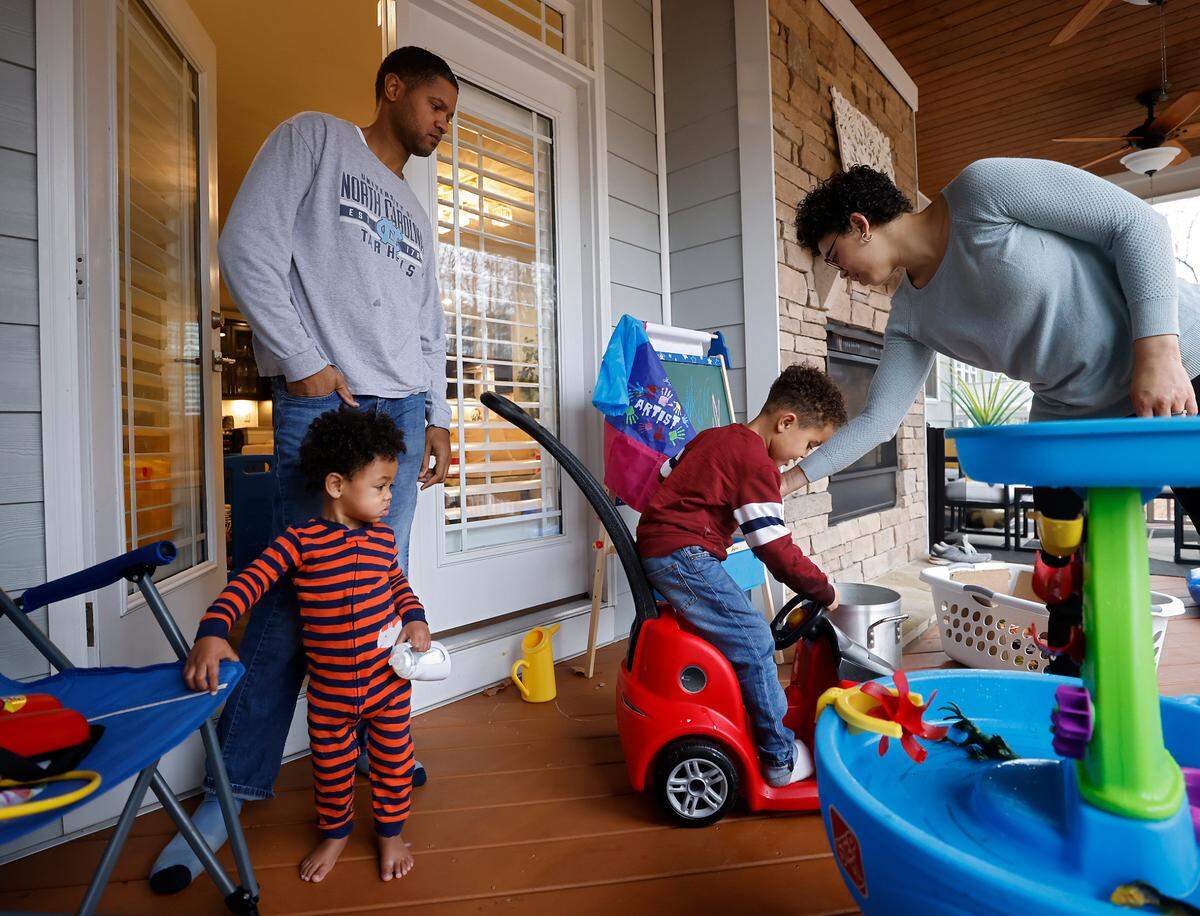
Mothers shoulder most of the responsibility when it comes to taking care of sick kids, according to a 2022 survey from the Kaiser Family Foundation. More than half of mothers reported they are the ones to care for children when they’re home sick from school, compared to about a fifth of fathers.
Furthermore, low-income families lose pay when they miss work to care for their children much more often than their higher-income counterparts, due to their employers not offering paid sick leave benefits, the same survey found.
Branciforte noticed that the parents without a local family support system or understanding employers took the news of her school’s new sick policies the hardest.
She wrote a letter parents could send to their bosses that explained the situation and asked for flexible leave time.
“We understand that every employer relies on the work of their employees, but the role of parenting requires flexibility and employer support,” the letter read.
Branciforte said she didn’t know whether any parents used the letter. Neither Whetsell’s nor Gaskin’s families did.
Branciforte said she has received more negative feedback about her sick policies this year than in any other year during her tenure as the school’s director.
She understands the parents’ frustration. When she spoke to the N&O, her own 3-year-old was toddling around in her home office — just sick enough to be barred from preschool but energetic enough to require near-constant attention.
“I can tell they’re out of support in their own lives,” she said.
Teddy Rosenbluth covers science and health care for The News & Observer in a position funded by Duke Health and the Burroughs Wellcome Fund. The N&O maintains full editorial control of the work.
This story was originally published December 12, 2022 at 5:30 AM with the headline "‘End of our rope’: Respiratory season pushes day cares, parents to a breaking point."