NC is under a statewide burn ban. Does that include your backyard fire pit?
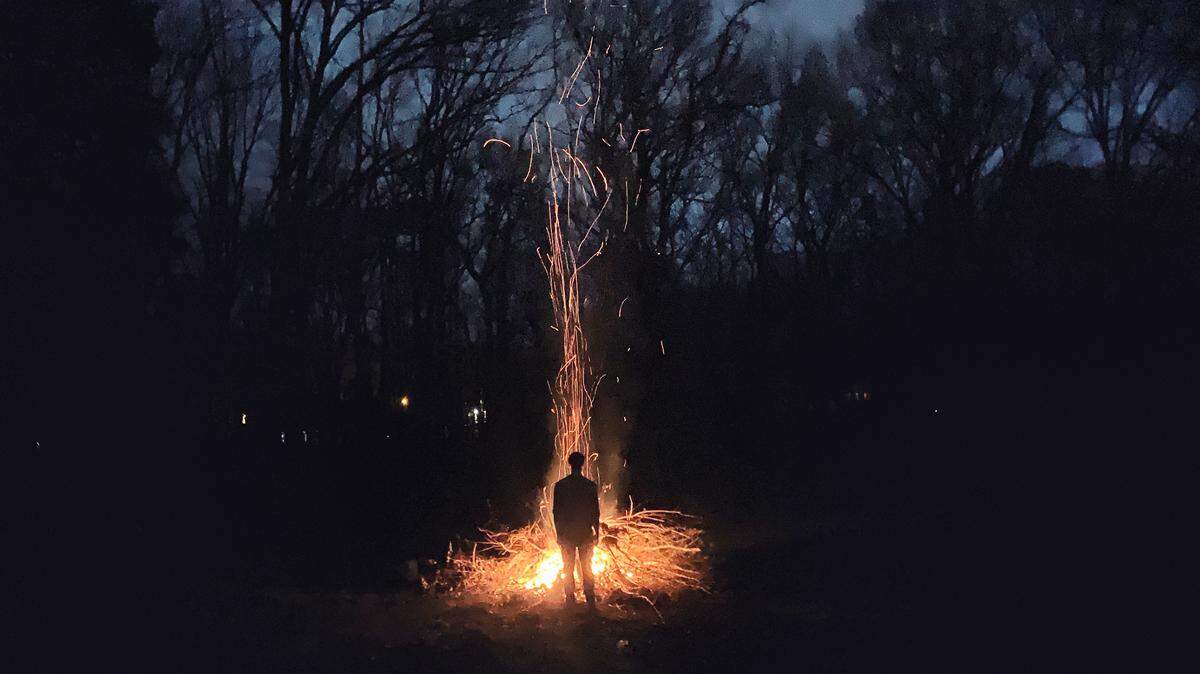
Citing hazardous forest fire conditions across the state, the North Carolina Forest Service has implemented a statewide burn ban, effective Monday, Nov. 29, at 5 p.m. until further notice.
The ban prohibits all “open burning” and cancels all burning permits.
“It is fall wildfire season in North Carolina, and we are seeing wildfire activity increase due to dry conditions,” Agriculture Commissioner Steve Troxler said in a statement.
“With these ongoing conditions, a statewide burn ban is necessary to reduce the risk of fires starting and spreading quickly. Our top priority is always to protect lives, property and forestland across the state.”
What exactly is open burning? And does the burn ban prohibit you from using your backyard fire pit?
The News & Observer has answers.
What does the burn ban say?
The burn ban, issued by the N.C. Forest Service, “prohibits all open burning in the affected counties, regardless of whether a permit was previously issued.”
▪ This ban applies to the entire state, so in this case, all of North Carolina’s 100 counties are “affected counties.”
The ban also suspends any new burning permits from being issued until the ban is lifted.
▪ Generally, as defined under state law, burning permits are required to be issued by the Department of Agriculture and Consumer Services to start “any fire or ignite any material in any woodland under the protection of the Department or within 500 feet of any such woodland during the hours starting at midnight and ending at 4 p.m.”
▪ Permits are required for additional burning scenarios in “high hazard” counties, with soil or forest types that “may pose greater problems of forest fire and air pollution controls” or with “a great amount of land-clearing operations” taking place. High hazard counties are defined under state law and include mostly counties in eastern North Carolina.
▪ When a state burn ban isn’t in place, individual municipalities and counties may have stricter open burning permit requirements than what is required by the state. Some communities allow burning only during specified hours, while others forbid it entirely.
The ban issued by the N.C. Forest service applies to open burn fires more than 100 feet away from an occupied dwelling.
▪ Local government agencies have jurisdiction over open burning within 100 feet of an occupied dwelling.
▪ According to a statement from the Forest Service, the department has advised county fire marshals of the burning ban and has asked for their consideration of also implementing burning bans at the local level.
What is open burning?
According to the North Carolina fire prevention code, open burning is the burning of materials that involves the “products of combustion” being emitted directly into the air without passing through a stack or chimney from an enclosed chamber.
▪ This includes burning leaves, branches or other plant material, which can be burned under certain conditions and when a burn ban is not in effect.
▪ In all cases, burning trash, lumber, tires, newspapers, plastics or other non-vegetative material is illegal in North Carolina.
▪ Open campfires are considered open burning and are prohibited under the burn ban. Portable gas stoves or grills are alternate methods for cooking food while camping during the burn ban.
▪ Burn barrels are also considered open burning and are included in the ban.
What is not considered open burning?
Open burning does not include:
▪ Road flares, smudgepots and similar devices associated with safety or occupational uses that are typically considered open flames.
▪ Recreational fires.
▪ The use of portable outdoor fireplaces.
What is a recreational fire?
Recreational fires are defined by the state’s fire prevention code as fires three feet or less in diameter and two feet or less in height that are used for pleasure, religious, ceremonial, cooking, warmth or similar purposes.
Recreational fires include fires in handmade fire pits, so long as they adhere to size and safety requirements and are used for the outlined purposes.
▪ Recreational fires must be burned at least 25 feet from a structure or combustible materials.
▪ Conditions that could cause a fire to spread within 25 feet of a structure should be eliminated prior to igniting the fire.
▪ Recreational fires should not be used to burn rubbish or yard waste, or to burn material contained in an incinerator.
Recreational fires are not considered open burning and do not generally require a permit, but under the burn ban, no fire, including recreational ones, should be ignited more than 100 feet away from an occupied dwelling.
▪ Local jurisdictions may have stricter regulations, so contact your local fire officials for more information.
Is my backyard fire pit included in the burn ban?
According to an April 2020 news release from the N.C. Forest Service, the use of a fire pit could be allowed under a burn ban, depending on the distance of the fire from an occupied dwelling, which includes your primary residence or house.
▪ The burn ban prohibits any fires more than 100 feet away from an occupied dwelling. Local regulations could dictate whether you can use your fire pit within 100 feet of the dwelling.
▪ If your fire pit is within 100 feet of an occupied dwelling, call your local fire marshal to see if using a fire pit is allowed during the ban.
- Durham County has implemented a local burn ban that prohibits any recreational fire, backyard fire pit, outdoor fireplace and open burning of yard vegetation until further notice.
- Orange County also implemented a local burn ban for the unincorporated areas of Orange County and Hillsborough. The ban includes any recreational burning, warming fires and charcoal or gas grills.
- Wake County has not implemented a local burn ban as of Friday, Dec. 3, but is strongly urging residents to avoid all burning, including recreational fires, while the statewide ban is in effect.
▪ If the fire pit is more than 100 feet away from the dwelling, using it is not allowed during a burn ban.
Fires in fire pits should generally qualify as a recreational fire or under the use of an appropriate outdoor fireplace.
▪ For a backyard fire to qualify as a recreational fire, you must use a handmade fire pit and adhere to the purposes and the size and safety requirements for recreational fires.
▪ According to the state fire prevention code, a portable outdoor fireplace is a solid-fuel-burning fireplace that may be constructed of steel, concrete, clay or other noncombustible material. They may be open in design, or may be equipped with a small hearth opening and a short chimney or chimney opening in the top. These include commercially manufactured fire pits.
My fire pit is small and has a cover. Can I use it?
Whether you can use your fire pit during the ban depends more on the distance it is from an occupied dwelling, rather than the size of the pit.
▪ Reminder: the burn ban prohibits any fires more than 100 feet away from an occupied dwelling.
▪ If your fire pit is within 100 feet of an occupied dwelling, call your local fire marshal to see if using a fire pit is allowed.
However, recreational fires in fire pits should adhere to proper size and safety requirements at all times.
▪ Recreational fires must be three feet or less in diameter and two feet or less in height and used for pleasure, religious, ceremonial, cooking, warmth or similar purposes.
What is the penalty for violating the burn ban?
▪ Anyone violating the burn ban faces a $100 fine plus $183 in court costs.
▪ Any person responsible for setting a fire may be liable for any expenses related to extinguishing the fire.
What should I do if I see someone violating the burn ban?
Local fire departments and law enforcement officers are assisting the N.C. Forest Service in enforcing the burn ban. Contact your local departments with questions or to report a violation of the ban.
The N.C. Forest Service recommends you call 911 to report a wildfire.
Additional resources
Residents with questions regarding a specific county can contact their N.C. Forest Service county ranger or their county fire marshal’s office.
▪ Find your county forest ranger at ncforestservice.gov.
This story was originally published November 30, 2021 at 2:05 PM with the headline "NC is under a statewide burn ban. Does that include your backyard fire pit?."