Face masks are meant as protection from COVID-19. But will they lead to racial confrontations?
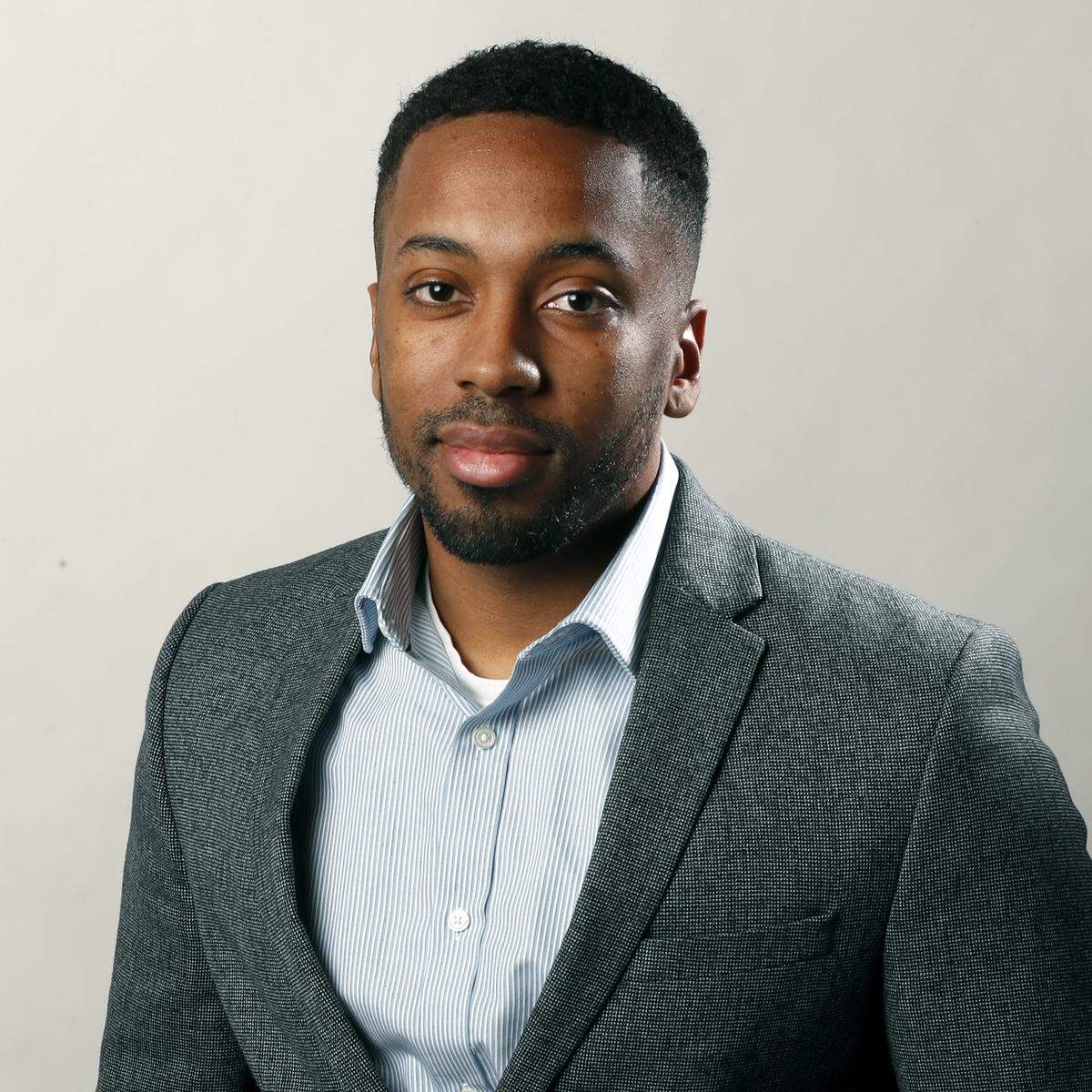
For Xavier Yardley Adams, wearing a face mask in the midst of a pandemic is a loving gesture — a kindness to society’s most vulnerable.
As the world slowly reopens, the Duke University graduate student hopes that taking such precautions will remind people of their own fragility and help create a protective spirit.
But as a black man, he worries that masks and the image they project will further divide society rather than build unity.
“I fear that only white people will benefit from this narrative,” said Adams, 25. “I am concerned that some white people will further dehumanize and vilify people of color in their minds because face masks hide so many of the expressive features of human faces. Because black people are already seen as violent — for example, Ahmaud Arbery being murdered while running black — I am worried that people of color will experience further acts of violence.”
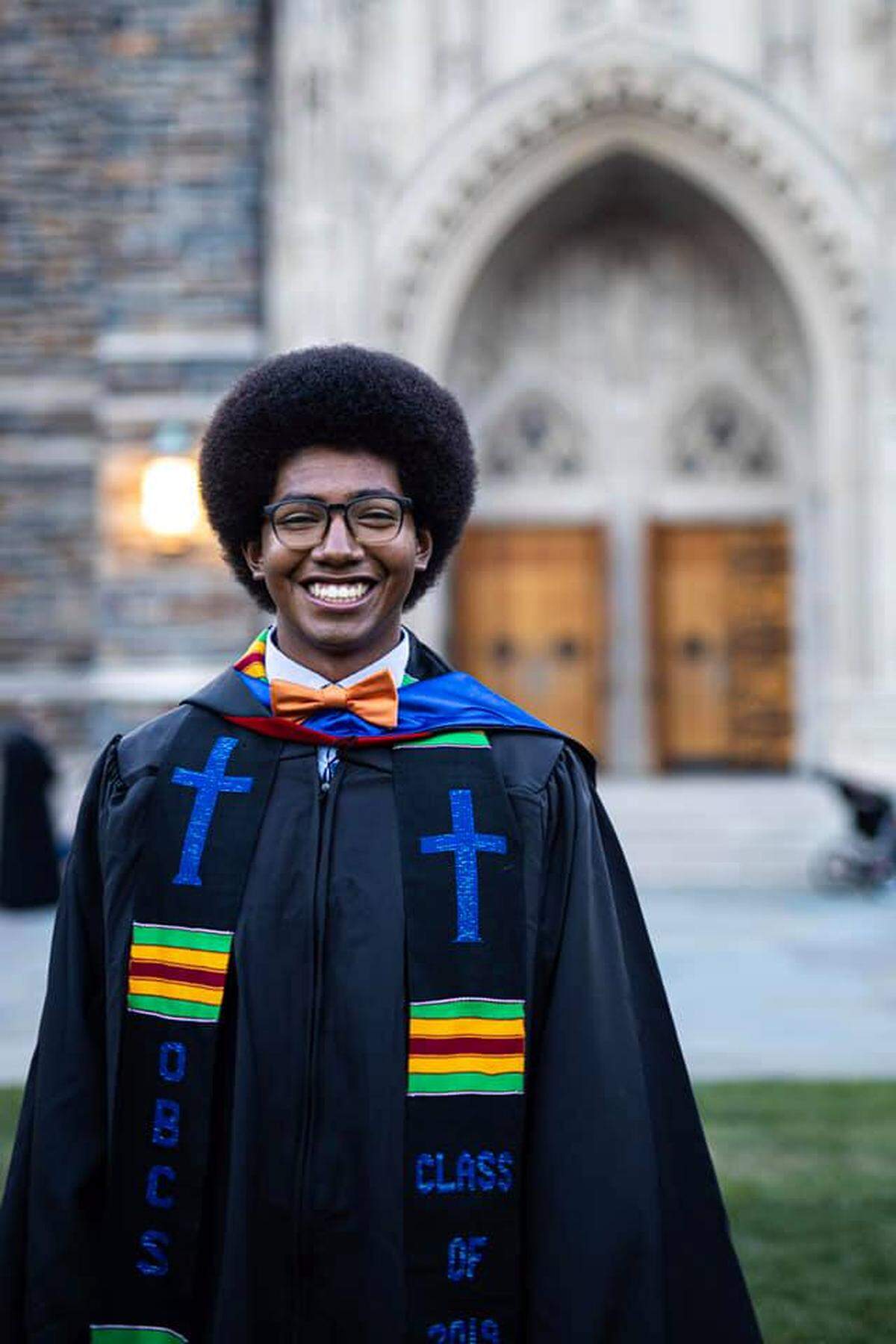
The shooting death of Arbery, an unarmed black man jogging in Georgia, and the national outrage over delayed arrests in the case are fueling the fears of racism among minority groups. Will wearing a mask in public add to their chances of being victimized?
In a Facebook post last week, Adams said he explained to his white friends why he already carries an ID when he runs, regardless of masks. If police are chasing a suspect and he fits the loose description, he wants to be able to quickly prove his innocence. Recently, he wrote, he began carrying it in his hand rather than his sock so officers will not think he is reaching for a gun.
“I’m quite sure many do feel that wearing a mask may cause unnecessary harassment or attention,” said Gerald Givens Jr., president of the Raleigh-Apex branch of the NAACP. “Most of us, especially African-American men already have this anxiety without a mask while driving, walking or being out in the general public daily.
“Nevertheless, what’s more important right now is not spreading COVID-19. Not putting on a mask puts the people we love in harm’s way.”
Worry over being stopped, questioned
That fear has long persisted in minority communities, brought on by the history of institutionalized racism and brought to the surface after any highly publicized act of violence like Arbery’s shooting, said Anna Lee, psychology professor at North Carolina A&T.
The worry over being stopped and questioned, or even attacked is always there, she said.
“For many black people, this is an everyday tension. Being followed around in a store. There is always this feeling or anxiousness around other people perceiving us as a threat,” Lee said. “So with the face mask covering, especially, I think, for black men, the mask, not being able to see someone’s complete face, may make them seem or appear to others as threatening in some way.”
Last month, two men in Illinois posted a YouTube video saying they had been followed by an officer at Walmart, who then told them they could not be in the store while wearing protective masks, according to The Washington Post.
In North Carolina, the feeling of vulnerability is strong because although the black population is at roughly 22 percent, it makes up 35 percent of the confirmed COVID-19 cases statewide, according to NCDHHS. Of the state’s 564 deaths as of Wednesday, the state reported 200 of those deaths were blacks or African Americans while 332 of those deaths were whites.
Executive order acknowledges racial profiling fear
Gov. Roy Cooper’s recent executive order recommends that people wear protective masks in public but it also acknowledges “some populations may feel anxiety” over fear of being profiled.
“If someone is the target of ethnic or racial intimidation as a result of following the recommendations for wearing face coverings, I strongly encourage that it is reported to law enforcement or another government entity,” NCDHHS Secretary Dr. Mandy Cohen said in a press conference last week.
That anxiety has already generated stress in minority communities, Lee said, based on past experience.
“Am I going to be stopped?” she asked. “Am I going to be questioned? Will I experience some type of violent confrontation with someone over this face mask that everyone is supposed to wear? But that is the potential that causes the anxiety.”
And in Adams’ case, he will keep running. Like many nationwide, he took a special run last week, jogging 25 minutes in Arbery’s honor.
This story was originally published May 13, 2020 at 1:10 PM with the headline "Face masks are meant as protection from COVID-19. But will they lead to racial confrontations?."