As we close out 2019, here are 19 of The News & Observer’s top reads from the year
READ MORE
19 for 2019: Some of the N&O’s top reads of the year
Expand All
There was no shortage of news in 2019, and The News & Observer produced a lot of compelling journalism to reflect that.
From an account of one family’s tragic loss to gun violence to coverage of a devastating explosion in Durham, to the story of how a big award for a Raleigh chef placed her in the upper echelon of the culinary world, News & Observer reporters, photographers, videographers and editors worked to tell stories important to our communities.
We’ve picked out 19 of our top reads from 2019, so if you missed these the first time around — or if you’d just like to revisit them — check out the list below.
And of course, please support local journalism by subscribing: newsobserver.com/subscribe.
.jpg "image (4).jpg")
The 2019 Restaurant of the Year
Critic Greg Cox has been reviewing restaurants for The News & Observer for almost 25 years now, so we trust him when he tells us that Herons at the Umstead Hotel and Spa in Cary is worthy of its second Restaurant of the Year Award. (The Saint James and COPA, both in Durham, received Honorable Mentions.) Herons is under the guidance of executive chef Steven Devereaux Greene, a James Beard Award semifinalist. Cox said his most recent visit to Herons was “an experience that rose to the level of transcendent.” In fact, he describes his eight-course tasting menu meal as one of the most memorable of his life. Herons’ first Restaurant of the Year award came in 2010. In addition to the top restaurant, Cox also lists the Gold Medal, Silver Medal and Bronze Medal restaurants in the area.
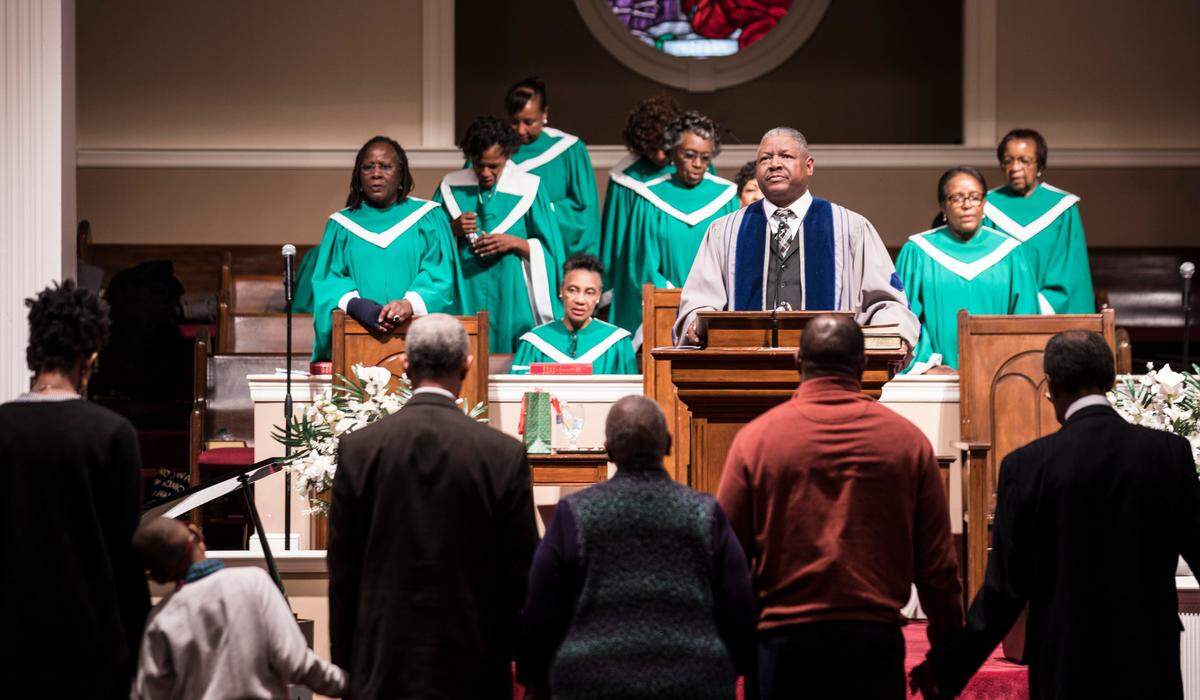
Gentrification changes Durham neighborhoods
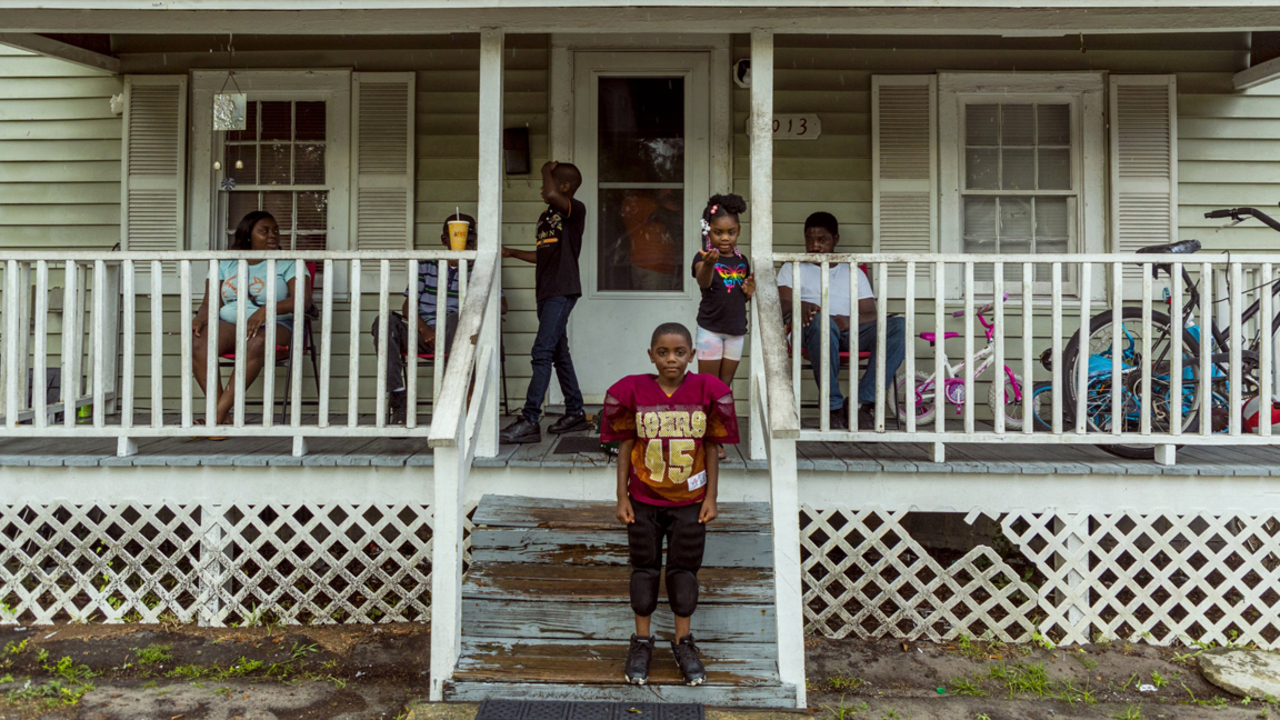
About 20 new people move to Durham every day, and that growth has driven up housing prices and changed neighborhoods — primarily African American neighborhoods — drastically. And it’s not the first time the city has been through this. The construction of the Durham Freeway 50 years ago split Durham’s African American neighborhoods apart, and they have never recovered. The News & Observer and The Herald-Sun took a deep look at how the gentrification in many neighborhoods has displaced people from their homes and made nearby property unaffordable. Meanwhile, African American churches, such as historic Mt. Vernon Baptist Church on Roxboro Street, are trying to hold on to what’s left of their community.
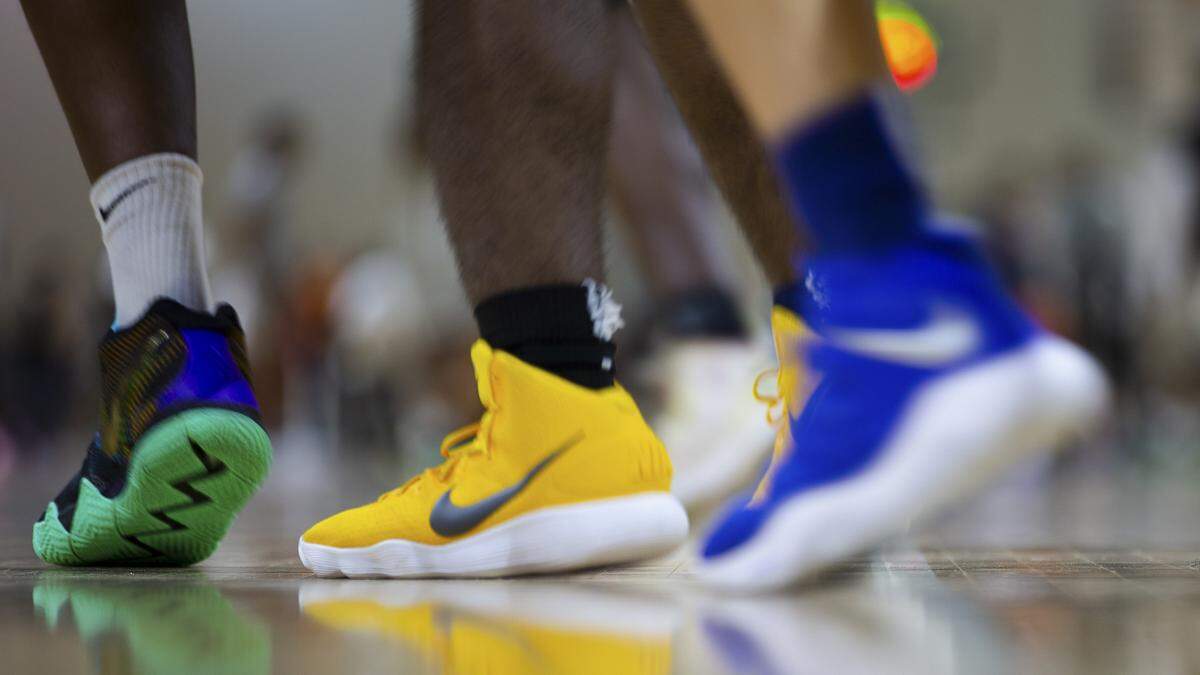
Shoes and athletics
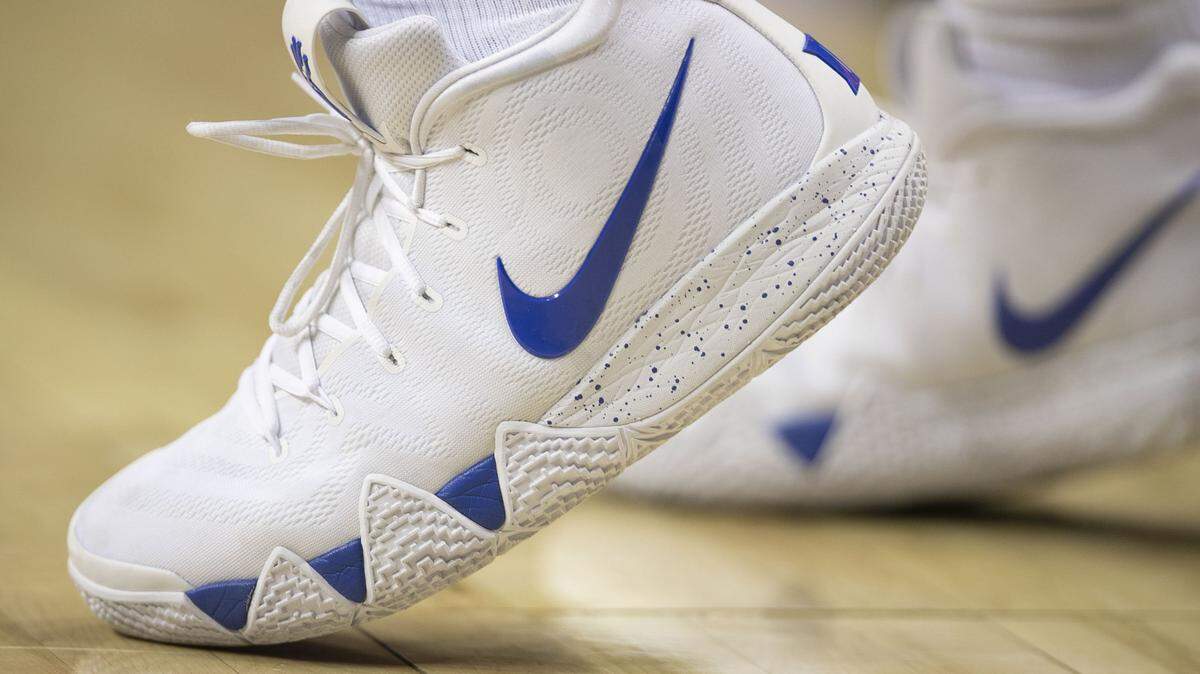
After Duke basketball star Zion Williamson blew out his size-15 Nike during a game against UNC early in 2019, McClatchy took a closer look at the relationship between universities and athletic shoe and apparel companies like Nike, Adidas and Under Armour, which have created a pipeline through which elite players flow. Reporters looked at the top 100 high school basketball recruits over a five-year period and found that nearly every recruit played for at least one shoe-backed grassroots team and went on to play for a shoe-backed college team. The report also considered the increased scrutiny of these relationships by federal law enforcement agencies and the NCAA, including alleged inappropriate payments to an N.C. State basketball player by an Adidas representative.
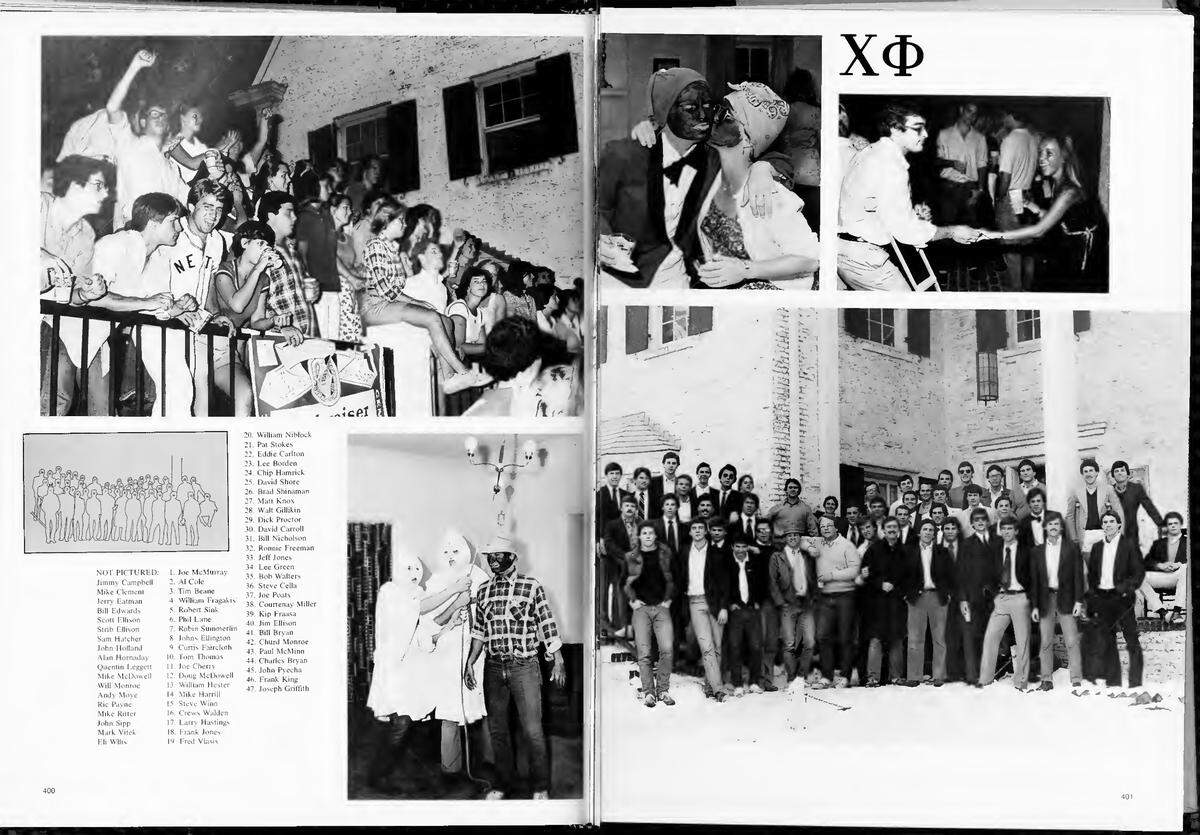
Racism pointed out in the Yackety Yack
When a photo of Chapel Hill fraternity members dressed in Klan-style robes pretending to lynch a white student wearing blackface appeared in UNC’s 1979 Yackety Yack yearbook, there was no condemnation. That came 40 years later, after N.C. Insider reporter and editor Colin Campbell posted photos from the Chi Phi yearbook page on Twitter, amid a national debate about racism and Greek fraternity culture. The News & Observer tracked down Chrisann Ohler, editor of the 1979 Yackety Yack, to learn more about why the photos were allowed in the yearbook. Ohler said the staff’s objective was “to show the truth” of what was going on at fraternity parties. Ohler said without publishing the photos, “no one would know that that behavior was still going on in 1979. Most people don’t want to believe it.”
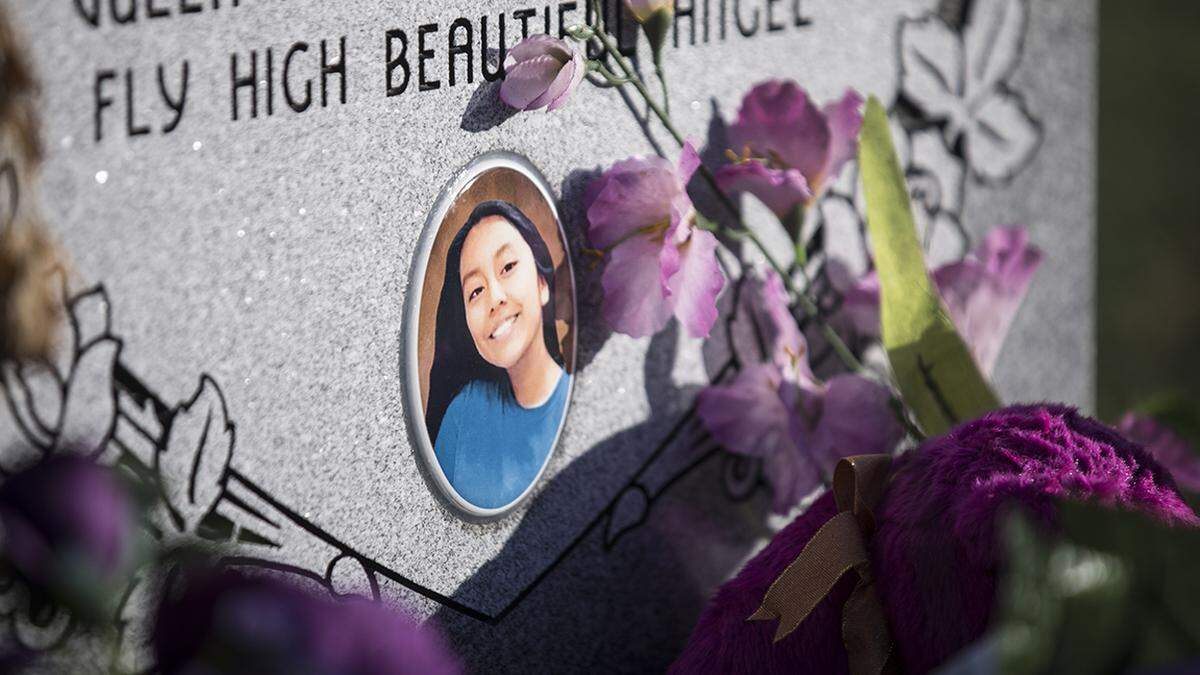
How the system failed Hania Aguilar
After 13-year-old Hania Aguilar was abducted from her front yard and later found raped, murdered and dumped in a swamp near her home in Lumberton, The News & Observer set out to answer one question: could her death have been prevented? For months, N&O reporters examined public records. They found that in the weeks before Hania’s kidnapping, three separate law enforcement agencies had the power to arrest and detain Michael McLellan, the man arrested for Hania’s murder, for crimes — including rape — committed weeks before her abduction. In each case, no action against McLellan was taken, revealing a breakdown in the criminal justice system that few working within it were willing to explain or discuss.
Reconstructing a Durham tragedy
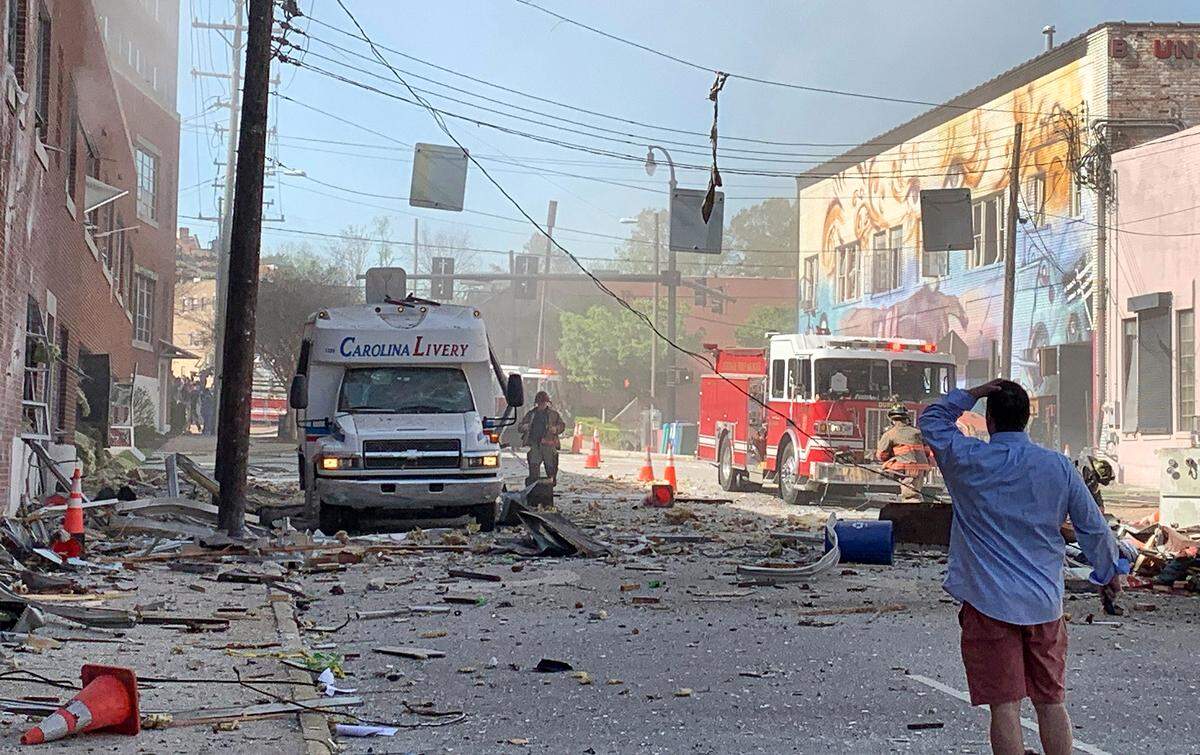
A normal spring morning in downtown Durham turned suddenly calamitous when a gas explosion ripped apart buildings on North Duke Street and caused damage to structures blocks away. At least 25 people were injured and two people were killed, including Kaffeinate coffee shop owner Kong Lee and PSNC worker Jay Rambeaut. (An investigation later found that the explosion was caused by a contractor who ruptured a natural gas line five feet from Kaffeinate coffee shop owner Kong Lee’s door, and that gas flowed for one hour before the explosion.) Immediately following the April 10 tragedy, a team of reporters and photographers from The News & Observer got to work documenting the event, incorporating accounts from police and fire officials and bystanders to reconstruct what happened and to present a view of the disaster as a whole.
Ashley Christensen gets a top honor
Ashley Christensen’s James Beard Award win in May — the big one: Outstanding Chef in the nation — put her in the upper echelon of chefs and restaurants, and placed her at the forefront of the country’s culinary dialogue. Christensen owns five restaurants in Raleigh — Poole’s Diner, Death & Taxes, Chuck’s, Beasley’s and Poole’Side Pies — and this was her second James Beard Award (she won Best Chef: Southeast in 2014). She beat out four other finalists from much larger cities and is the only North Carolina chef to win the top honor. Also to Christensen’s credit, Raleigh is the smallest city ever represented by the award. It was a very big deal, indeed. A few days after she accepted the award at a ceremony in Chicago, The News & Observer sat down with Christensen to talk about the future of Raleigh’s dining scene, the danger of making hard work look easy and much more.
‘How many have to die?’
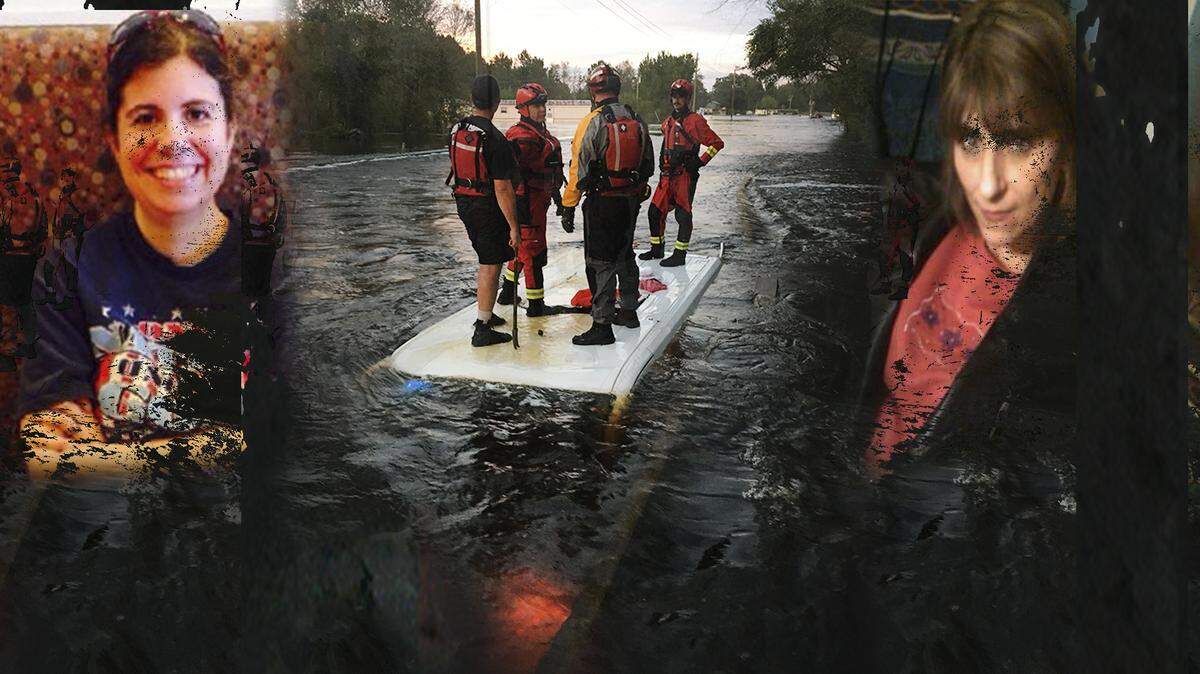
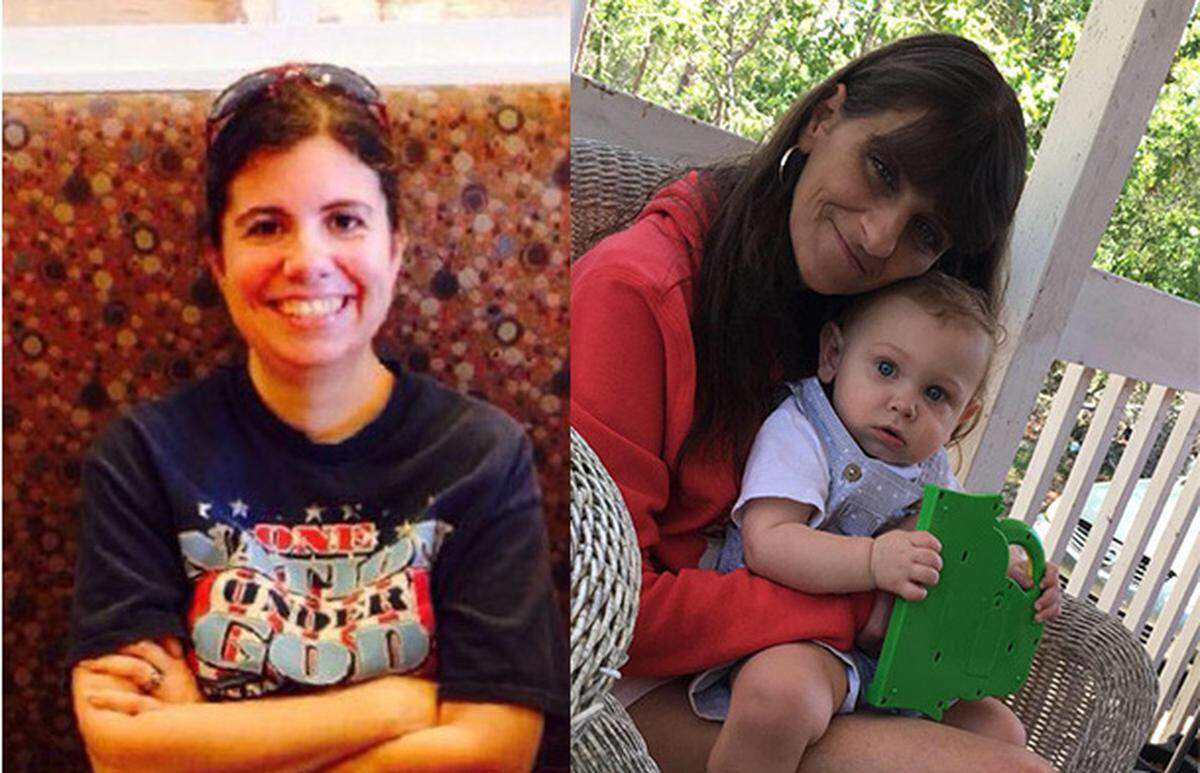
What was supposed to be a routine mental health transport by South Carolina sheriff’s deputies turned into tragedy when the van carrying deputies and two women ordered into psychiatric care ran into a washed-out section of roadway and plunged into floodwaters caused by Hurricane Florence. The Horry County deputies were able to escape the van and survive, but the women — Wendy Newton and Nikki Green — were handcuffed and trapped inside the van. The women drowned. A joint investigation by The News & Observer and The Sun News of Myrtle Beach found that mental health patients commonly endure long trips in handcuffs or inside cramped metal cages, even when they’ve shown no signs of violence. The investigation revealed a makeshift system of care that disorients and demeans the state’s residents when they are most in need of help.
Small farms, big ideas
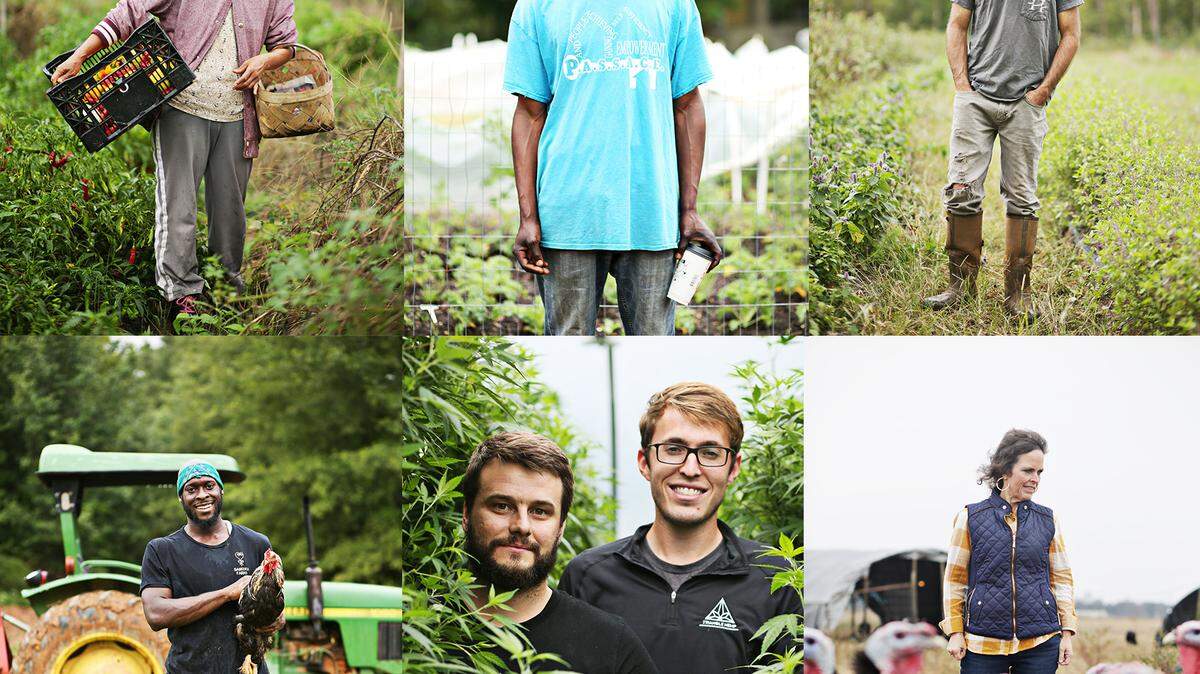
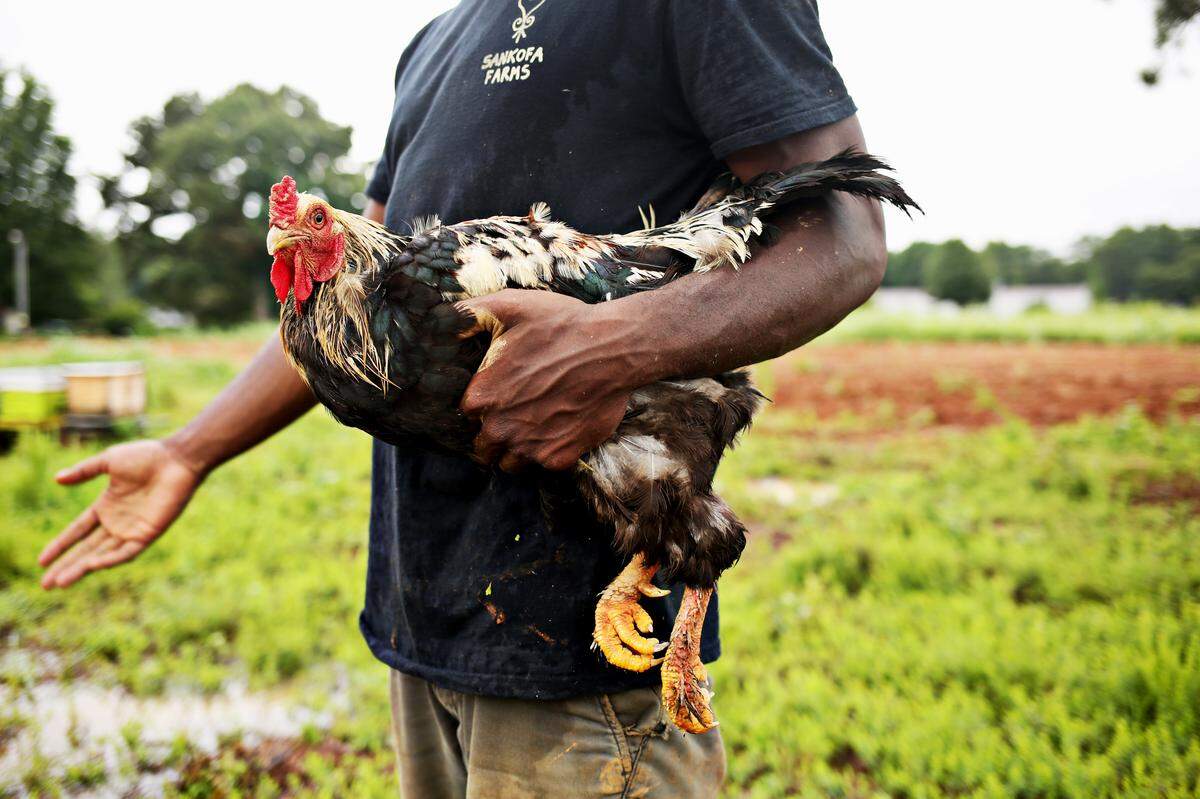
Farmers have always been an important part of North Carolina’s cultural and economic identity (farming is still the state’s largest industry), but their number is shrinking. A News & Observer project on the state’s small farmers found that new growers are entering the field with fresh ideas about what consumers want and how to produce it. And many of these new small farmers don’t fit the profile of the traditional farmer: they’re younger, they’re women, they’re African American or Hispanic or Asian, or they see in farming a chance to grow a useful commodity but also to do something good for society.
Storm fatality is more than a footnote
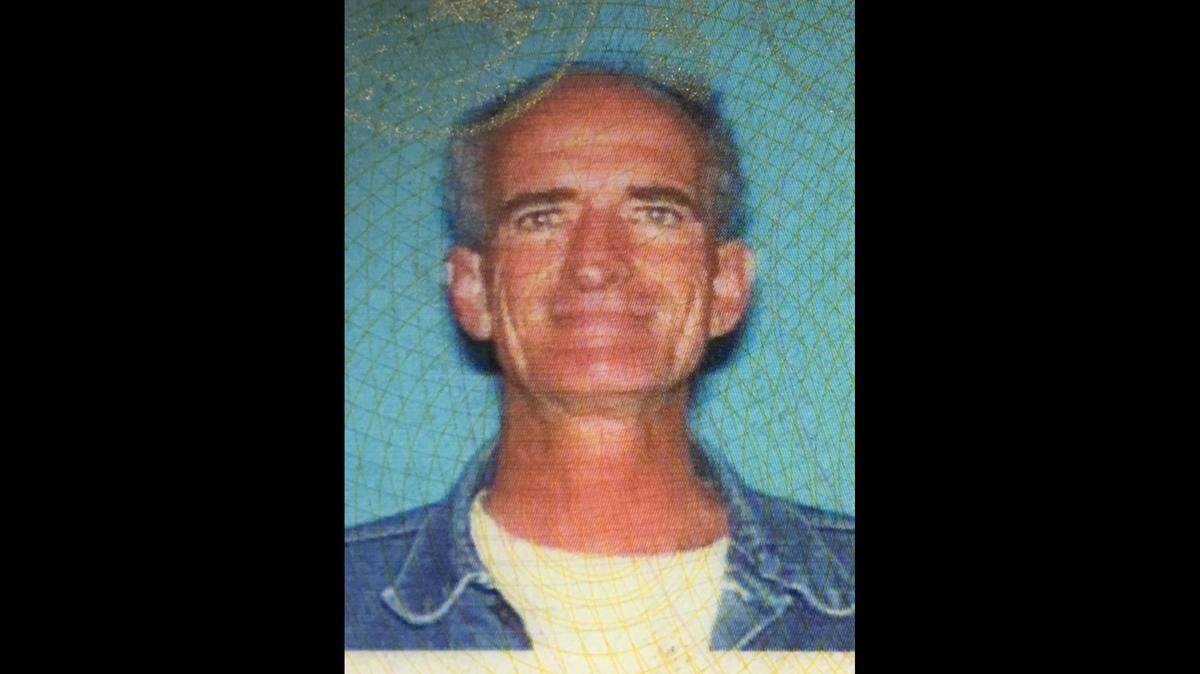
The first fatality from Hurricane Florence in 2018 came the day before the storm made landfall in North Carolina: Kenny Ray Davis, a homeless man riding a moped on U.S. 74 in Columbus County, was struck by a pickup truck and killed instantly. Why was this considered a hurricane fatality? Columbus County medical examiner Shannon Godwin found that Davis was carrying a waterproof bag containing all of his personal documents when he was struck, including his birth certificate and birth certificates of his parents. Godwin determined Davis was evacuating from Wilmington when he was killed, and he set about trying to track down next of kin — or any person Davis might know — to notify them of his death. As part of a larger project about hurricane fatalities by The News & Observer and The Charlotte Observer, an N&O reporter worked with Godwin to craft a profile of a man whose death might have otherwise been a footnote in the story of the storm.
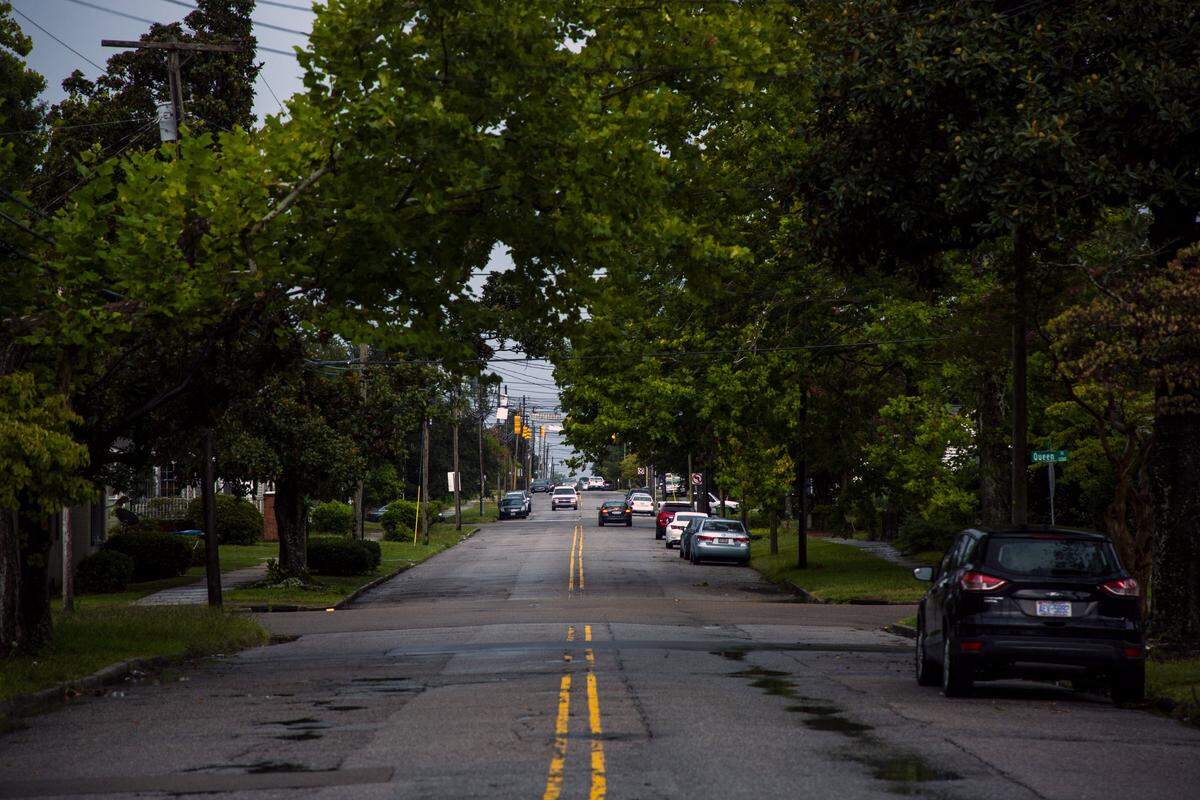
How gerrymandering divides races, cities and neighborhoods
Gerrymandering continues to be a huge story in North Carolina, as politicians draw district lines that decide who gets to vote for which candidates — lines which seem to be perennially under review by a court. News & Observer reporters set out to explain the complicated history of gerrymandering, and interviewed people in three communities that have ended up on the losing end of that equation. The reporting showed the neighborhood-level effects of gerrymandering, how regular people feel about the system and how it treats them.
A fall down an escalator reveals broken laws
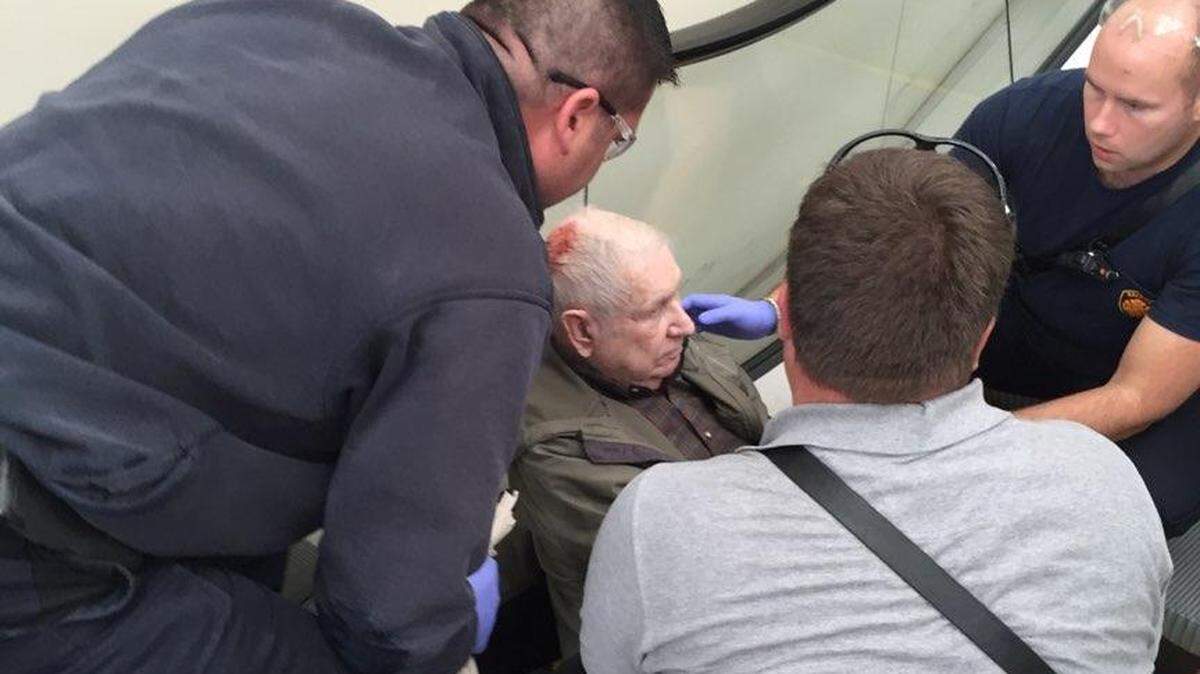
The fall that 83-year-old Jeff McDaniel took while trying to walk down an idle escalator at the Raleigh Convention Center in 2016 should never have happened. State rules require escalators not running to be barricaded to keep people from using them. But this escalator was not barricaded. The city also didn’t tell state authorities about the fall, which resulted in eight days in the hospital for McDaniel. That broke a state law. The News & Observer learned in 2018, after publishing a story about convention center director Doug Grissom’s demotion, that Grissom told the city’s risk management division at the time that there was no video footage showing McDaniel’s fall — but there was. That video was given to an N&O reporter by an anonymous city worker, and the reporter used public records from state agencies to confirm the events.
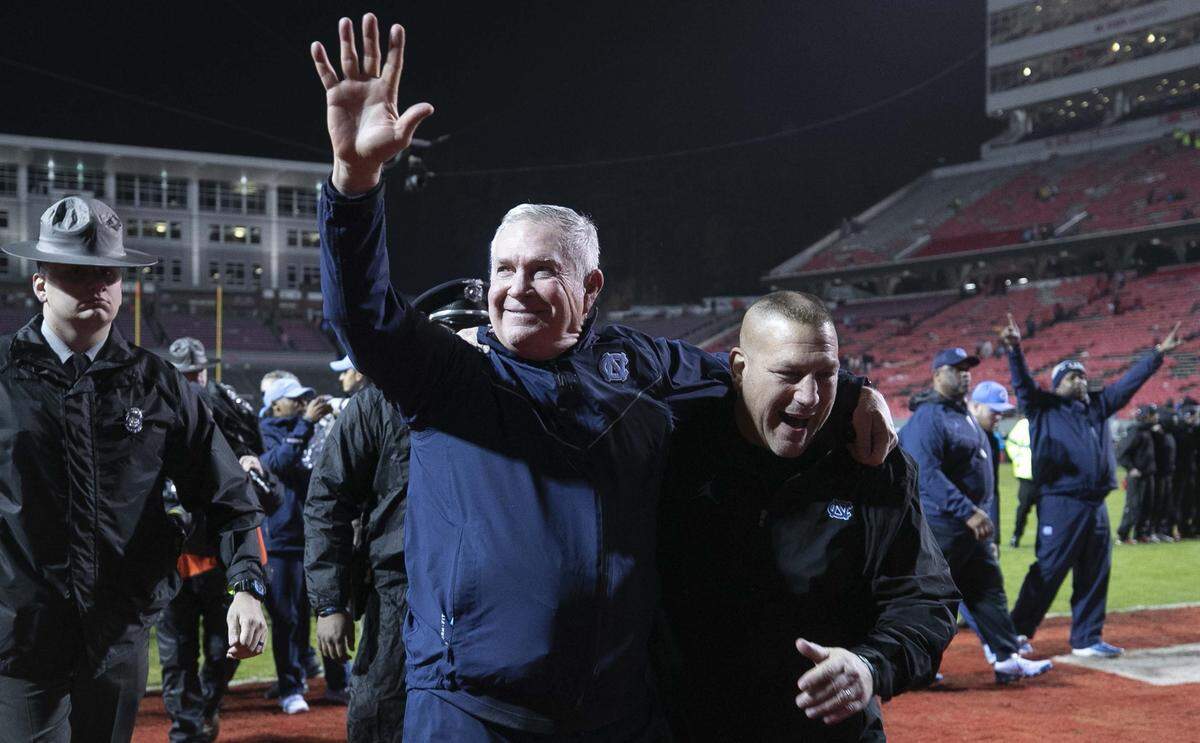
Mack Brown finds what he had lost
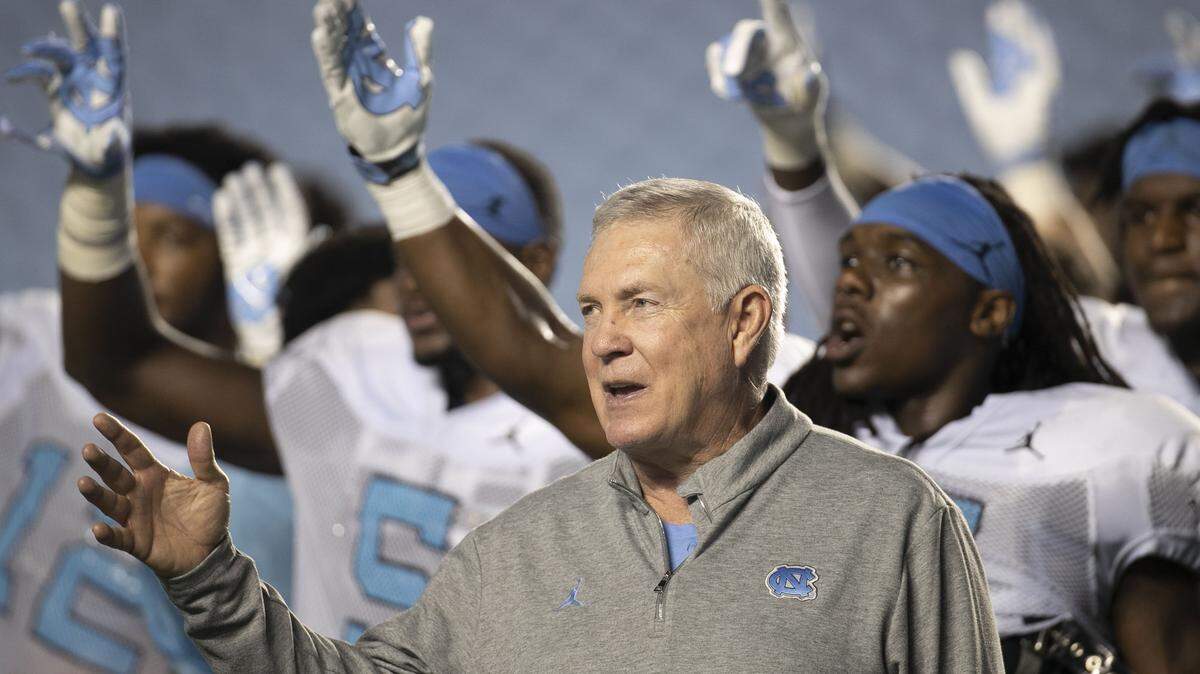
A 40-year coaching career capped with an induction into the College Football Hall of Fame might signal the end of most careers. But for Mack Brown, who returned this season for a second time as head football coach at UNC, it’s been something of a new beginning. Brown coached at UNC from 1988 to 1997, leaving Chapel Hill for the head job at Texas, where he coached until 2013. After a brief stint as an analyst at ESPN, Brown felt drawn back to coaching. Brown, now 68, spoke to The News & Observer about what football has meant to his life, how winning the BCS title at Texas in 2005 turned him into a coach he didn’t like, and how the return to UNC has helped him find something he had lost.
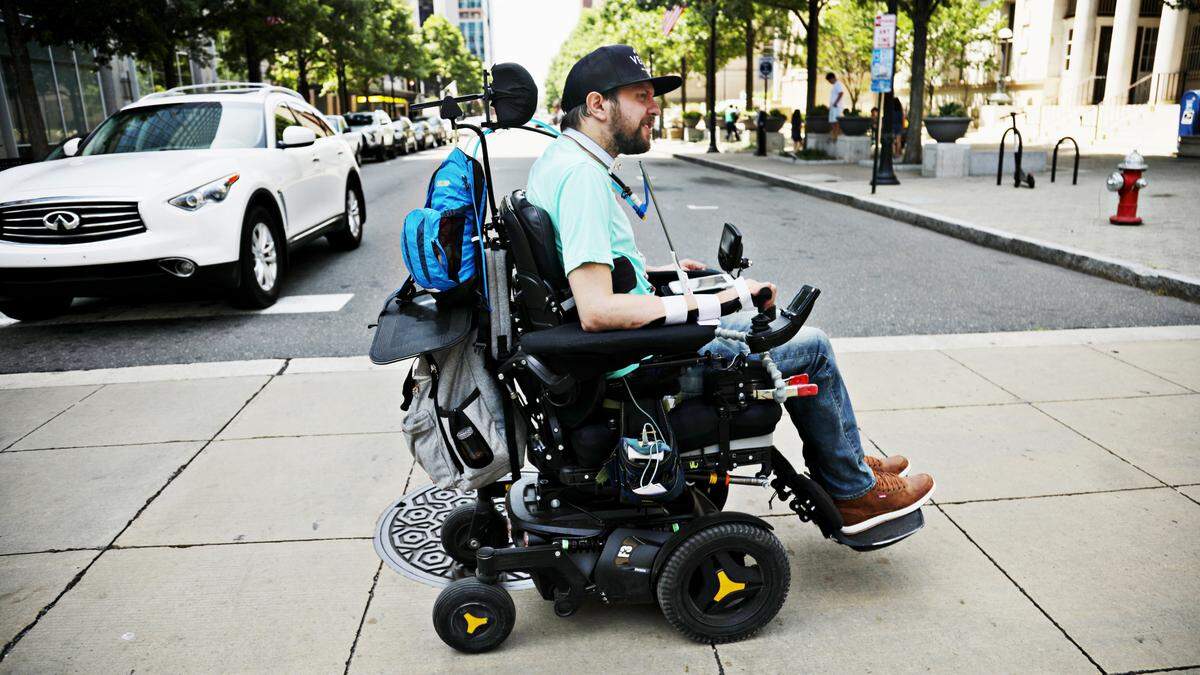
A portrait of perseverance
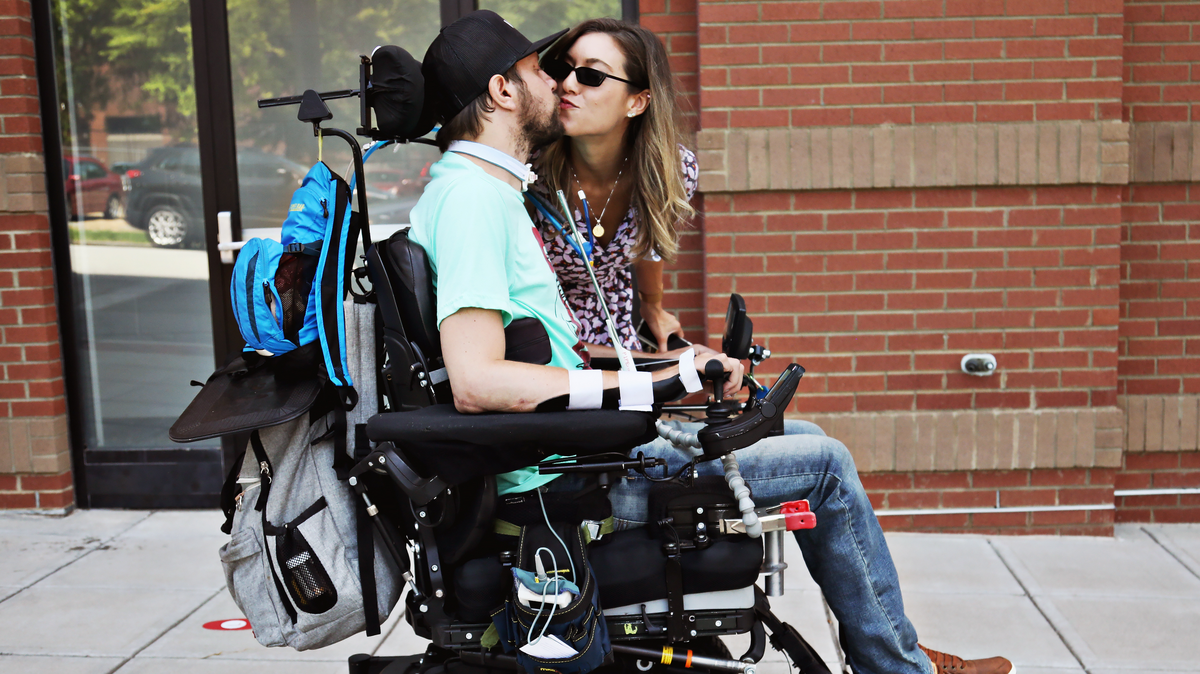
In 2015, 32-year-old Michael Thor was working hard toward realizing a dream: finally opening the downtown Raleigh restaurant he co-owned, Whiskey Kitchen. Then, one afternoon in November, a motorcycle accident left Thor’s body battered and with a cracked C2 vertebrae and bruised spinal cord. Now a quadriplegic, Thor didn’t give up on the plan he’d had for his life. He spent a few years at a rehabilitation center in Atlanta and then returned to Raleigh to run his restaurant and try to put his life back together. An N&O reporter and photographer spent months with Thor, who still requires near constant care, and with his wife, Sarah Santoro Thor, to present an inspiring portrait of perseverance and determination.
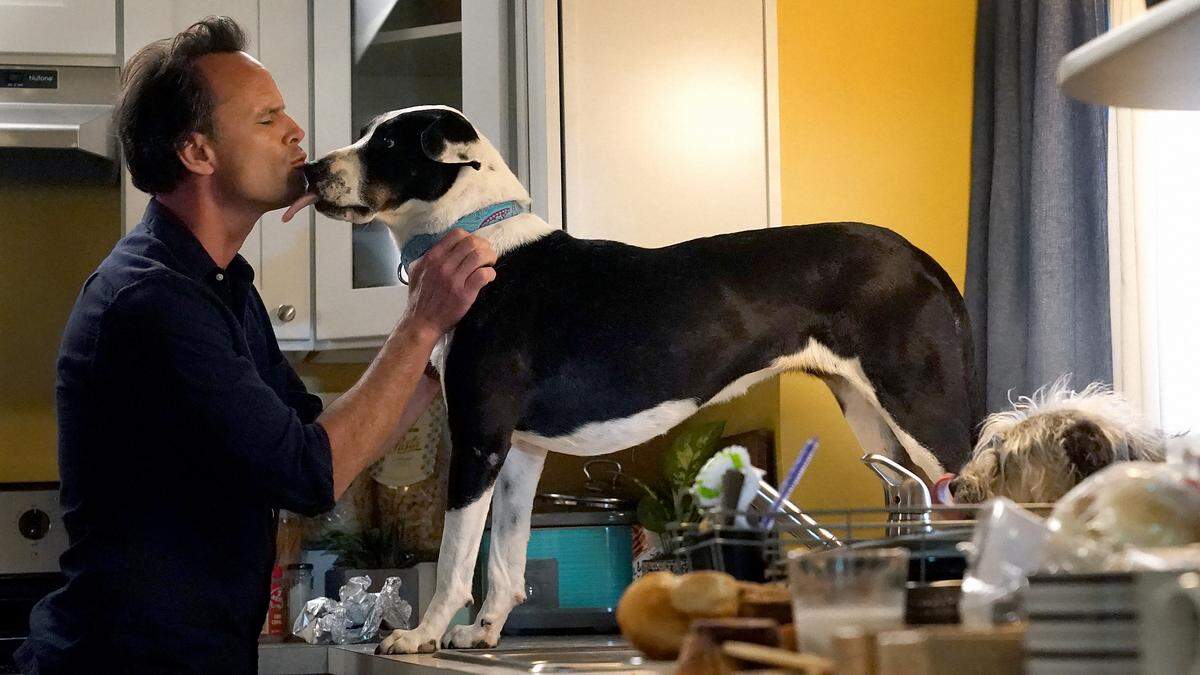
Tragedy + time = comedy
Triangle fans of the new CBS sitcom “The Unicorn” may catch the local references here and there — dinner at Humble Pie, a date at the Ackland Art Museum, a waitress who’s a Duke grad — but may not understand exactly why it’s happening. “The Unicorn” is actually based on the real life of Grady Cooper, a Raleigh native who graduated from Broughton and UNC-Chapel Hill. The show, created by Cooper and a group of friends (who also graduated from UNC) and set in Raleigh, tells the story of a man who, like Cooper, lost his wife to cancer and then must re-enter and navigate the dating world while raising two daughters. “The Unicorn,” starring Walton Goggins, Michaela Watkins and Rob Corddry, is a hit for CBS. The News & Observer interviewed Cooper and co-creators Peyton Reed and Bill Martin just before this fall’s premiere about how the show came to be and what it means to Cooper’s family.
A grocery wars price check
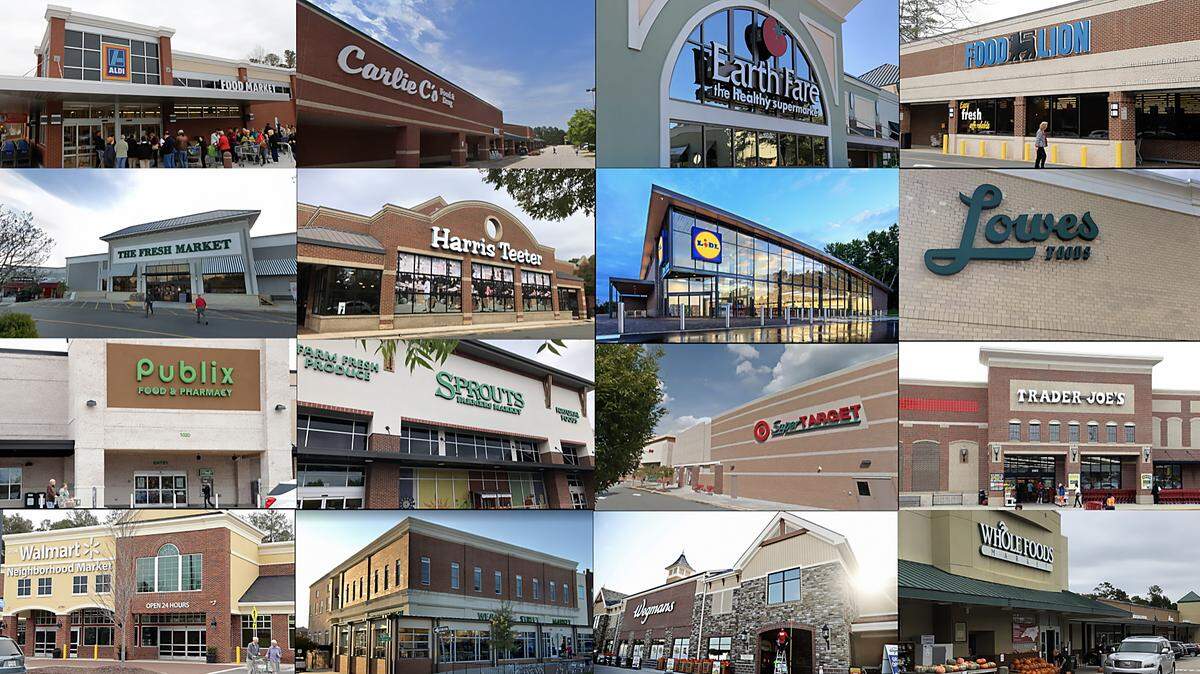
When Wegmans opened its first North Carolina store in Raleigh in September, the store broke a record for the Rochester, New York-based grocery chain. It was estimated that more than 30,000 people visited the Wake Forest Road store on its first day. Wegmans’ entry into the local grocery market not only brought comfort to upstate New York transplants who had missed food products from home, but it brought the total number of traditional grocery chains in the Triangle to 16. With a local grocery war waging, The News & Observer decided to price-check a sampling of products from each of those chains to give readers an idea of which stores offered the best regular prices. We priced 38 items from 16 stores and built an interactive database that let readers compare prices of everything from eggs and milk to Oreos and tofu.

Women are vastly underrepresented on UNC board
The leaders of the UNC system hold the power to make decisions and set policy at North Carolina’s 16 public universities. But a News & Observer story from November pointed out that the makeup of the UNC Board of Governors is wildly out of sync with the population of students at those universities: 21 out of 26 members of the UNC Board of Governors are men, and nineteen of the 21 men are white. Women, however, make up the majority of students in the UNC system; and while white men make up 73 percent of the board, they only make up 25 percent of students. Additionally, 11.5 percent of the board members are black, while 20 percent of students are black. How well can a university lead its diverse student body if the leadership itself isn’t diverse?
Mike Causey won’t be pushed around
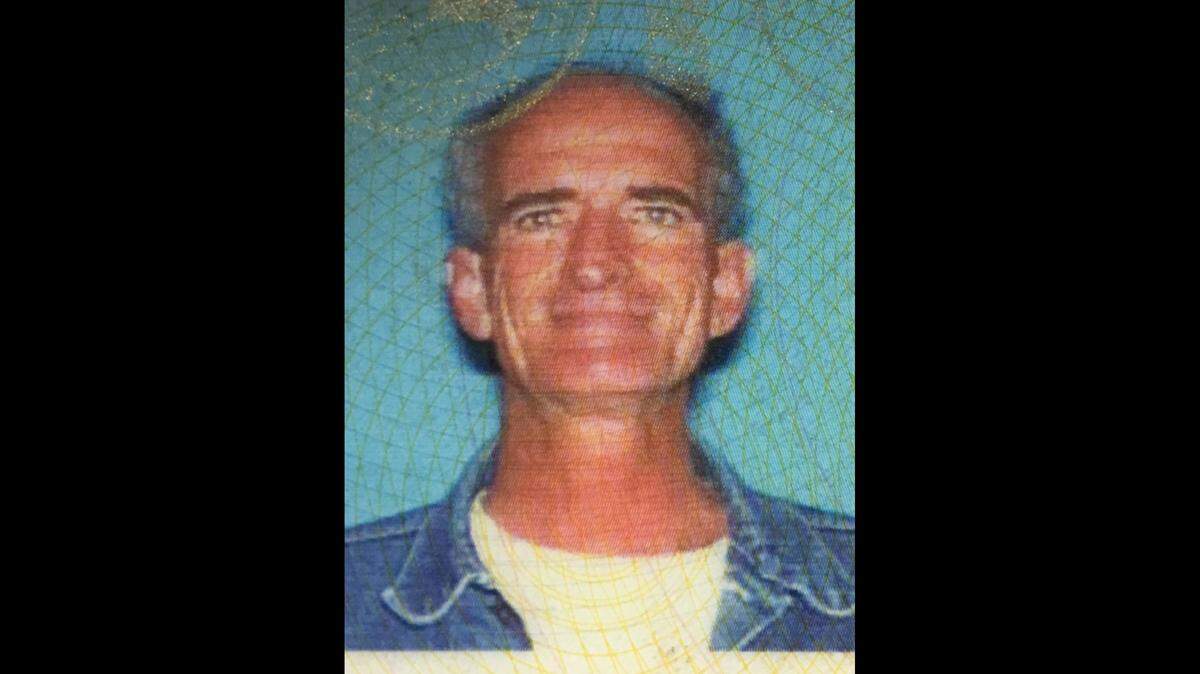
North Carolina insurance commissioner Mike Causey has had a year. In April, indictments revealed that the newly elected Republican leader worked with the FBI to thwart what prosecutors have described as a conspiracy between insurance tycoon Greg Lindberg and the chairman of Causey’s own political party, Robin Hayes. In September, Causey learned that the CEO of Blue Cross Blue Shield of North Carolina, the largest health insurer in the state, was arrested for driving while impaired in June and that the company waited three months to notify the insurance department. Causey publicly called on CEO Patrick Conway to step down, and he did (the incident cost the company a multi-billion dollar merger). A revealing News & Observer profile of Causey, published in November, showed that friends and colleagues on both sides of the political aisle consider Causey an “honest to the core” guy who will “tell it like it is” — someone who “wanted to become elected to do a better job and serve the people.”
The people one hero left behind
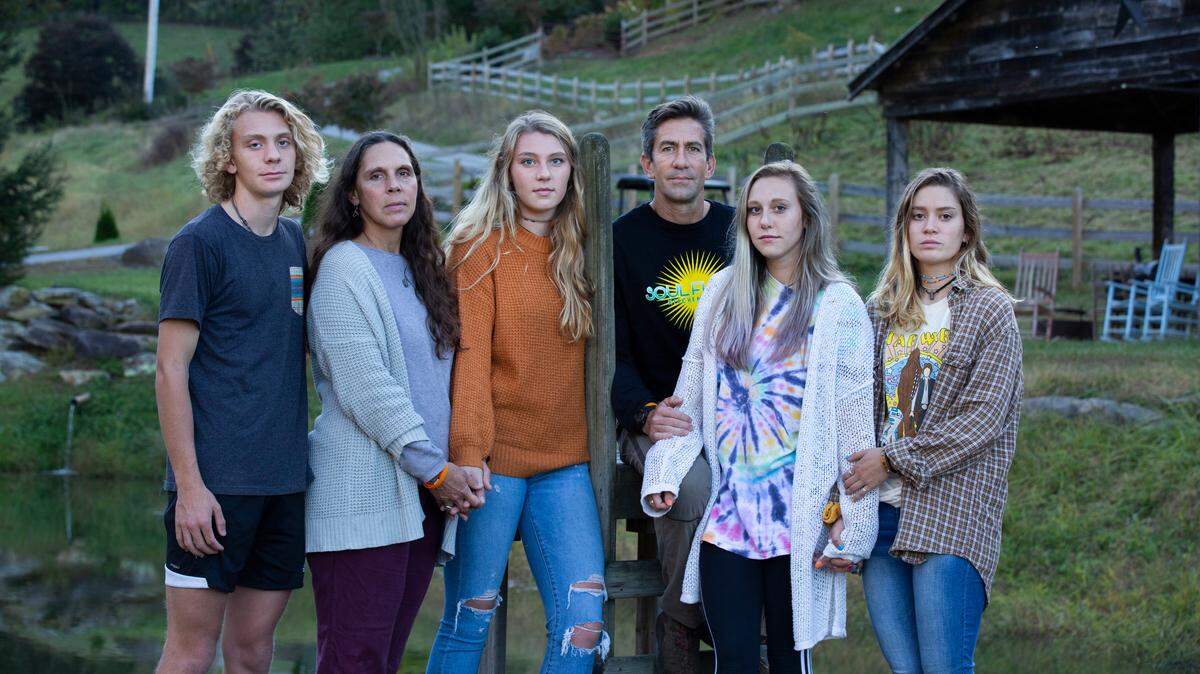
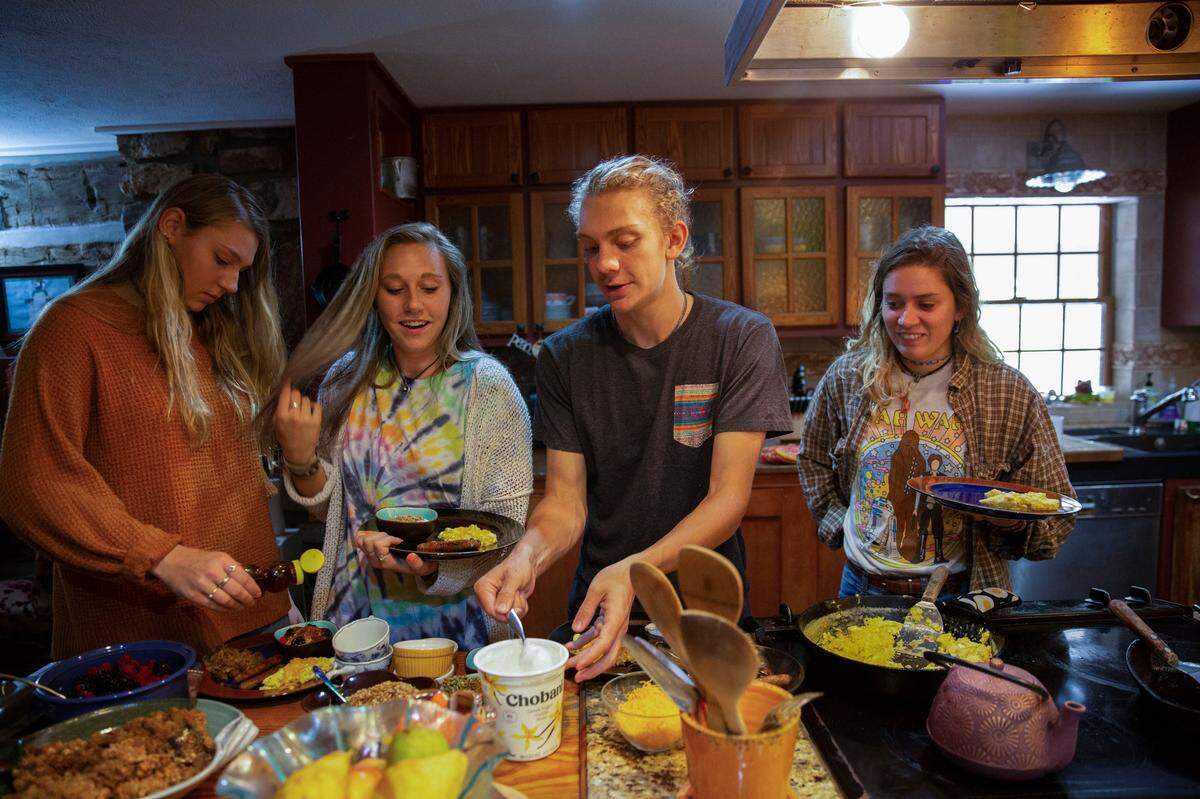
On April 30, a gunman entered a classroom on the UNC-Charlotte campus and opened fire, killing two people and injuring five others. Police believe the shooter likely would have killed many more if Riley Howell, a 21-year-old junior from Waynesville, had not rushed him, giving about a dozen other students in the room time to escape. In the end, Riley and one other student, Ellis Parlier, were dead, and Riley was hailed a hero. When Riley’s body was returned home from Charlotte, with a police escort, mourners lined a mile-long section of street leading to the funeral home. The family received cards and letters, plaques and awards and even flags meant to honor Riley. A reporter from The News & Observer, along with a McClatchy photographer and videographer, spent much time over a span of six months interviewing Riley’s family members, his fiancee and friends to learn more about the young man and how those he left behind have coped with the tragic loss.
2020 will be a year full of important news. For smart, reliable and timely coverage of the issues you care about, subscribe to The News & Observer at newsobserver.com/subscribe or subscribe to The Herald-Sun at heraldsun.com/subscribe.
This story was originally published December 23, 2019 at 8:00 AM with the headline "As we close out 2019, here are 19 of The News & Observer’s top reads from the year."