French biopharm company picks Raleigh for its first US manufacturing facility, creating 200 jobs
Cellectis, a biopharmaceutical company that makes cancer treatments, plans to create 200 jobs in Raleigh in exchange for more than $4 million in incentives.
The French company, which uses gene editing technology, plans to set up a manufacturing facility at the Sumner Business Park in North Raleigh and invest nearly $69 million in its facility.
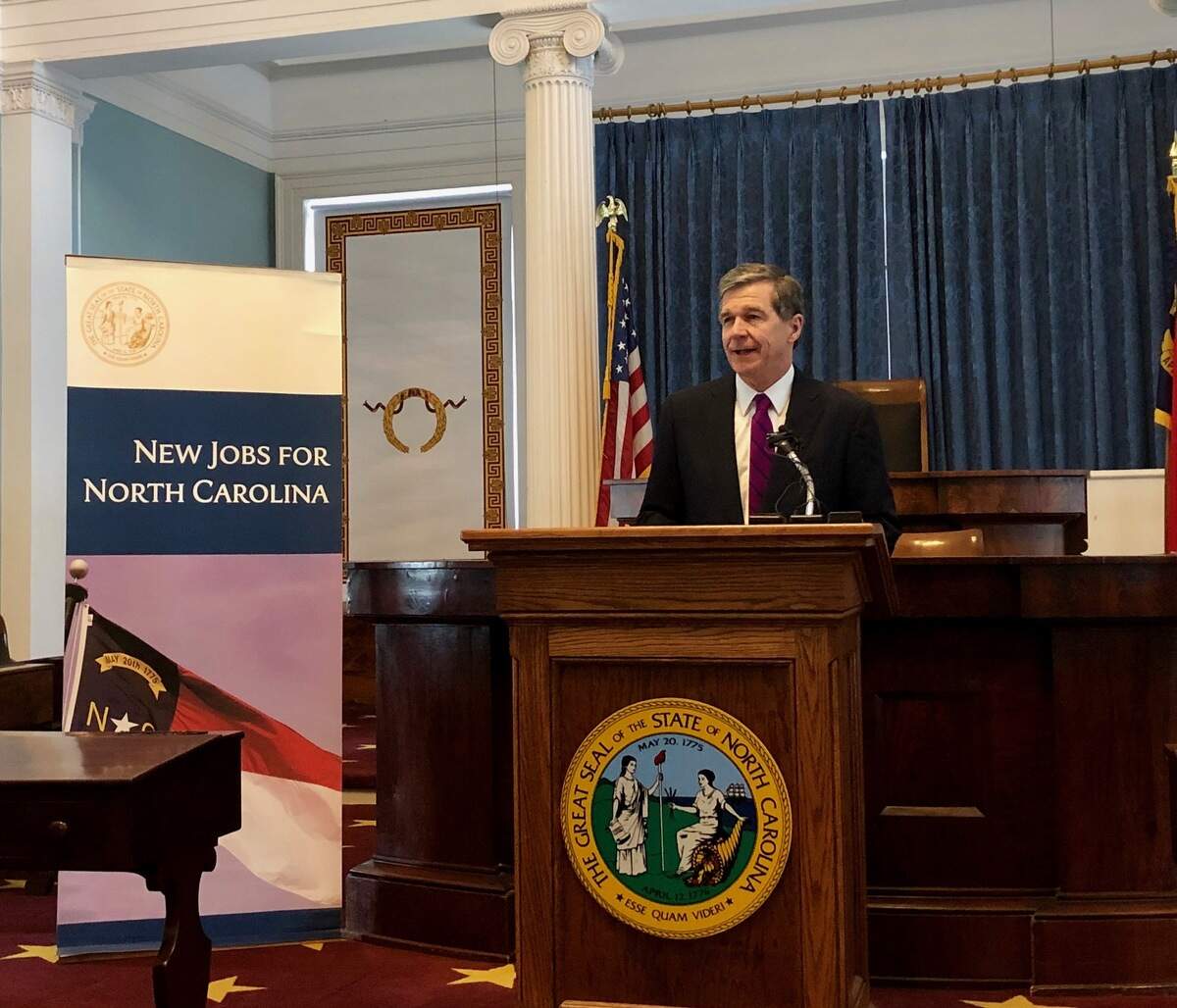
The incentive package was approved at an Economic Investment Committee meeting in Raleigh on Thursday and then announced at the N.C. Capitol in an event attended by Gov. Roy Cooper, Raleigh Mayor Nancy McFarlane and several other state and local officials.
“I have spent a lot of time working in the life sciences area because we know that it is such a fruitful market for good-paying jobs for North Carolina,” Cooper said Thursday. “The rest of the country and the rest of the world knows that North Carolina is a place for the life sciences and pharmaceutical manufacturing. ... People are talking about us because of our great community colleges and universities and our amazing workforce.”
The average wage for the jobs is expected to be $100,823, which is greater than Wake County’s average wage of $58,138 per year. The company is hiring scientists, engineers and manufacturing jobs.
North Carolina’s incentive was worth around $2.4 million, while the city of Raleigh and Wake County chipped in an additional $1.6 million worth of incentives.
Cellectis is currently in the first phase of clinical trials to get its treatments approved by the U.S. Food and Drug Administration. The facility could be ready for manufacturing in 2021. FDA approval could come in 2022, said William Monteith, Cellectis’ senior vice president of U.S. manufacturing.
The company’s gene-editing platform is one of a growing cohort of companies focusing on the uses of gene editing. Monteith said the company’s platform is similar to CRISPR, a gene-editing company that was among the first to bring the technology to the mainstream. Several gene-editing companies are now operating in North Carolina, including Durham-based AveXis and Precision BioSciences, which is currently trying to raise $100 million through an initial public offering.
The recruitment of Cellectis to North Carolina goes back several months. The company said it seriously began looking for a U.S. manufacturing facility last August. Talks between the state and the company heated up after economic development officials from the N.C. Biotechnology Center and the Economic Development Partnership of North Carolina traveled to Paris in November.
Competition for the jobs was Monmouth Junction, N.J., and the state of New Jersey offered an incentive package worth around $8 million, the N.C. Commerce Department said.
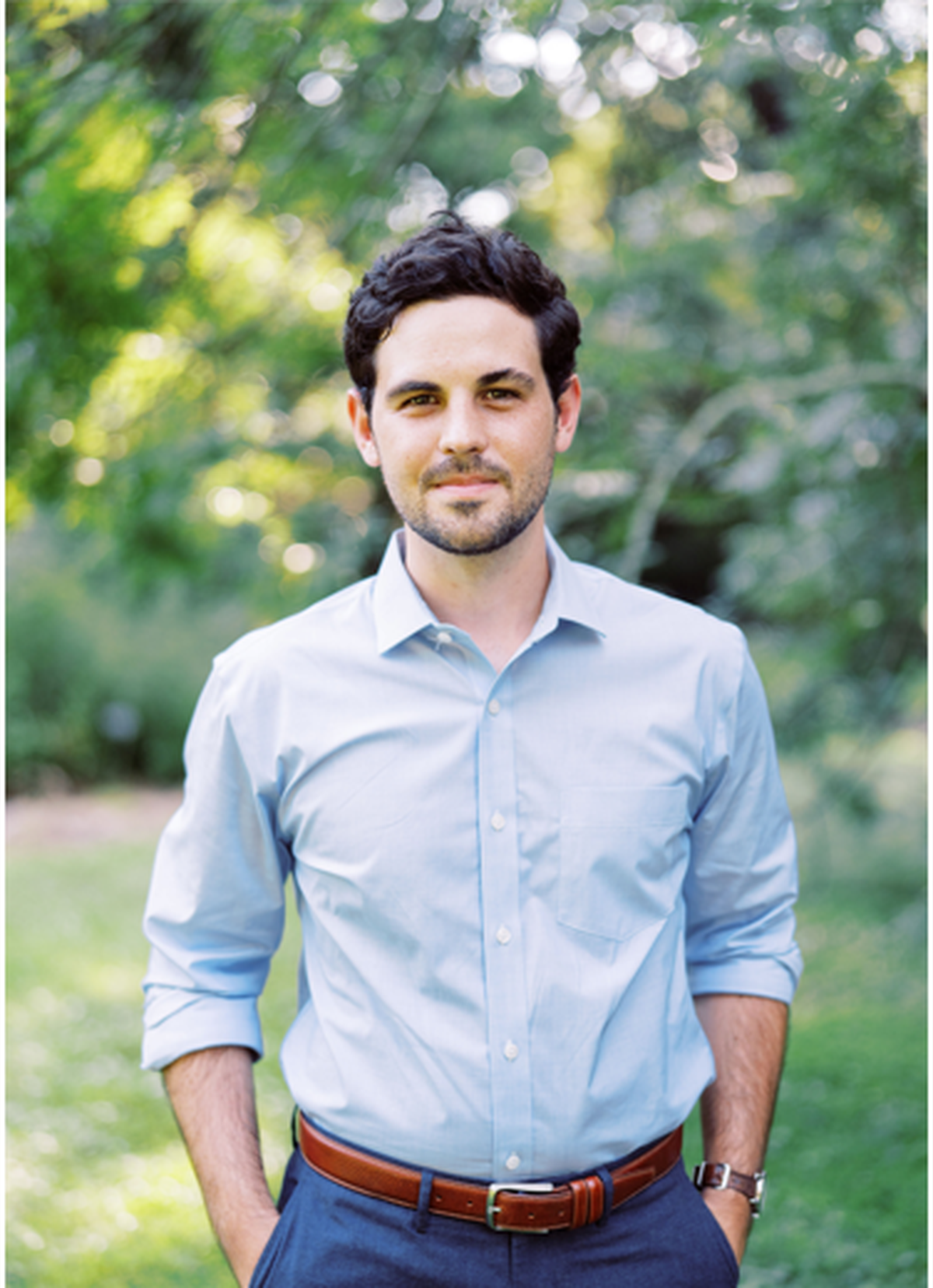
Monteith, who will run the Raleigh facility, said the diversity of the resources and quality of life put North Carolina over New Jersey, despite offering a smaller incentive package. Talent was probably the single biggest driver, he added.
“The (state’s) technical community college system and the pharm-tech certifications that they have in biotech is a real advantage because it cultivates a workforce within the state,” Monteith said. “That was one of the biggest drivers. New Jersey is starting to put that in place, but they are not as far along as North Carolina.”
Monteith already has a familiarity with North Carolina, he said, having worked at several companies that had been based here.
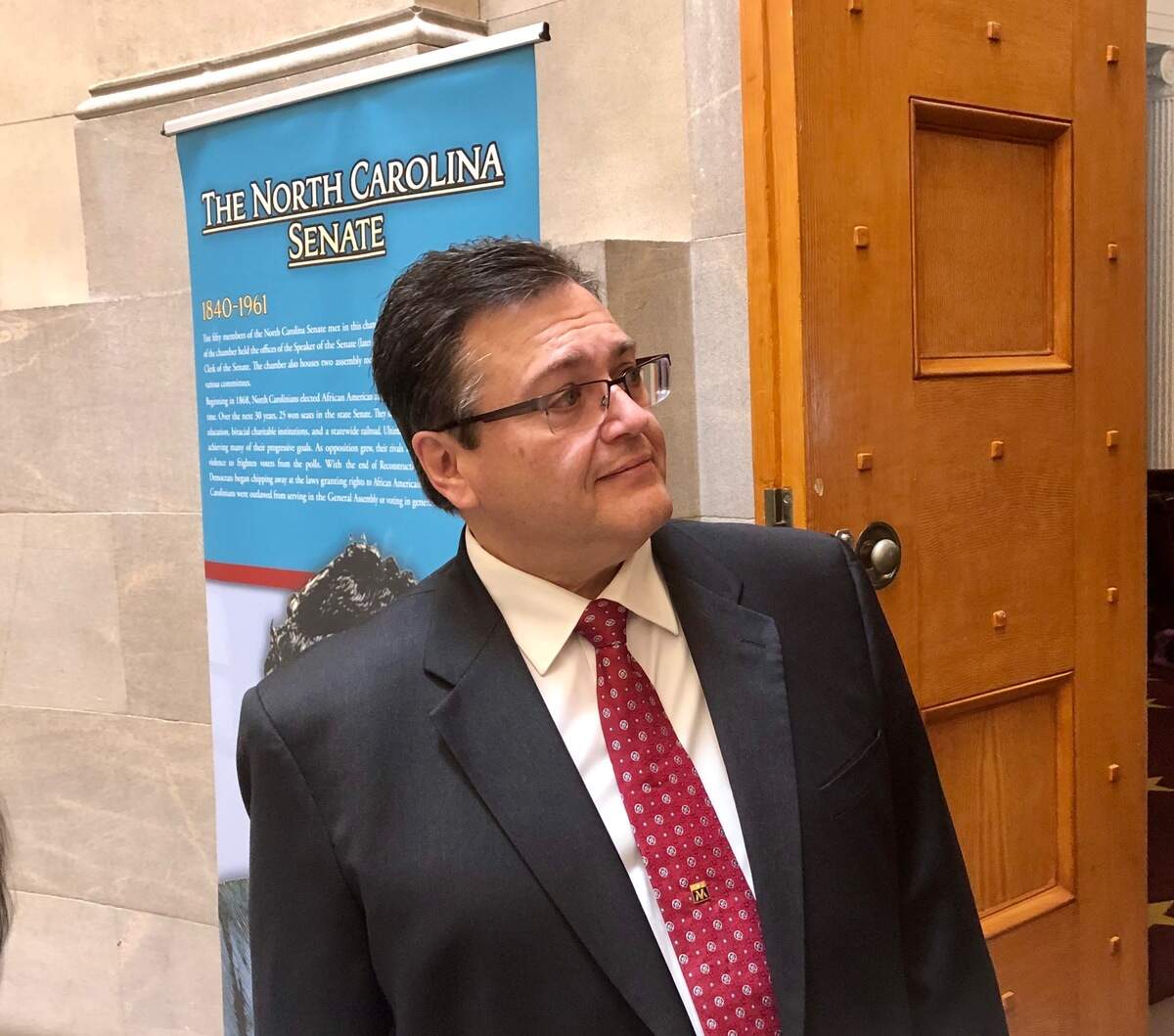
Bill Bullock, who handles economic development for the N.C. Biotechnology Center, said that Cellectis’ choice points to the fact that North Carolina is one of about five places really thriving in the biotechnology manufacturing space worldwide right now. The main competitors are California, Massachusetts, Switzerland, Ireland and Singapore, Bullock said. North Carolina benefits because it is probably the least expensive of the group to operate in.
“North Carolina has built a really great infrastructure in biomanufacturing. ... We are a global leader in that,” Bullock said, noting that around 35 life science companies are currently looking at expanding to North Carolina.
The state is also benefitting from a network of people like Monteith, who have a history in North Carolina going back years, because of the steady growth of the area’s biomanufacturing industry.
“This network of folks who are really good in this biomanufacturing space, they all know each other,” Bullock said. “If you can continue to build this reputation in the state of having that talent and really walk that walk, these people when they go off somewhere else they remember that when ... they have to expand.”
The addition of Cellectis, whose main office is in Paris, adds to the growing number of French biotech companies that are operating in North Carolina. Currently, more than 300 French companies, across all sectors, operate in the state, said Marie-Claire Ribeill, executive director of the French-American Chamber of Commerce, which helped connect state officials and the company.
The French origin of the company led McFarlane to welcome attendees Thursday with the French greeting of “bonjour.” Cooper noted that, while he doesn’t speak French, his mother taught French in high school and his brother majored in French at UNC-Chapel Hill.
One French company with a large presence in the area already is BioMérieux, which makes about half the world’s vials used by hospitals and labs to detect patients’ blood samples for bacterial infections. That company now employs around 1,000 people in Durham County, and several other French companies also operate in the Triangle.
Another big reason Cellectis felt comfortable choosing Raleigh was the presence of a direct flight between Raleigh-Durham International Airport and Paris, a connection that started in 2016.
“That is a big, big thing,” Ribeill said. “I’ve had a lot of companies ... talk to me and say, ‘Well you know it is nice but there is no flight to Paris or I would do that.’ Now it is a big plus.”
This story was originally published March 7, 2019 at 10:23 AM with the headline "French biopharm company picks Raleigh for its first US manufacturing facility, creating 200 jobs."