‘Disappointing’ percentage in North Carolinia have received newest COVID booster
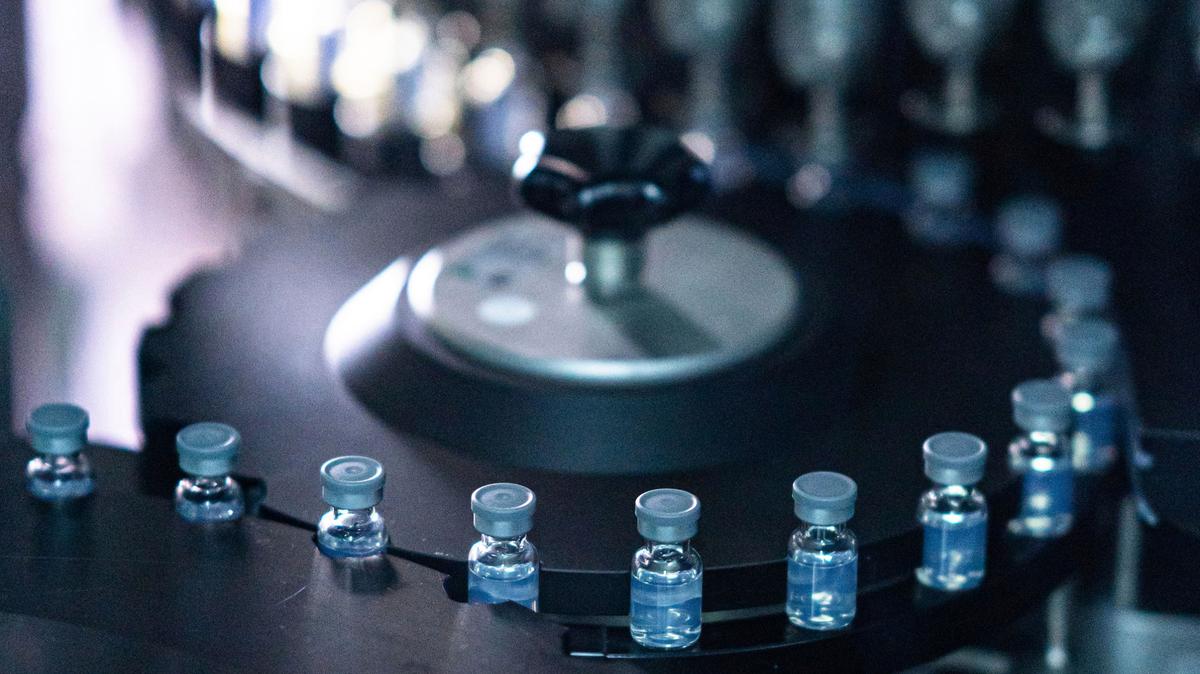
Just 5% of eligible adults in North Carolina have been vaccinated with the newest COVID-19 booster, according to data from the North Carolina Department of Health and Human Services.
Dr. Cameron Wolfe, an infectious disease expert at Duke, said the low vaccination rate is particularly worrying for the winter, which is when cases of COVID-19 have surged historically.
“We’ll see more cases, simple as that,” he said.
People who are prone to severe cases, like the elderly or immunosupressed, and who have not received the latest booster will have a higher chance of ending up in the hospital, he said. Just 9% of North Carolinians older than 75 have received the most recent booster, according to state data.
In Triangle counties, the numbers are slightly better: 6% of eligible people in Wake County have received the bivalent booster, according to DHHS, 7% in Durham County and 10% in Orange County.
Wolfe said he thinks the public has forgotten how effective vaccines have been at preventing severe illness.
“We’ve let ourselves fall into the trap of assuming because people are still getting breakthrough infections… that that’s somehow a gross failure of vaccines,” he said. “What you don’t see is you don’t see how much more busy hospitals would have been had those people not been vaccinated.”
The bivalent booster was approved more than a month ago and offers significant protection against omicron variants, the overwhelmingly dominant strain in the U.S.
Though it’s difficult to say exactly how much the bivalent booster will improve immunity, Wolfe said past booster shots have jacked-up defenses against breakthrough infections from about 30% to about 80%.
The low vaccination rate could be the result of an advertising problem. Nearly half of American adults have heard little to nothing about the new bivalent booster, according to a September survey from Kaiser Family Foundation.
Wolfe said many of the patients he sees either don’t know about the booster or don’t know how the bivalent booster is different from past booster shots.
“It’s extremely disappointing that we have not reached people,” he said.
He said public health messaging is more difficult now than it was in 2020, when Americans closely followed vaccine news. Wolfe said public health experts are competing for the public’s attention with several other major news events.
“They are trying to get a message through to the public who’s also hearing about midterm elections and monkeypox and inflation,” Wolfe said.
What is a bivalent booster?
The new booster shot was developed as a response to the omicron variant, which has caused problems for the COVID-19 vaccine effort due to its constantly mutating spike protein.
Spike proteins — which sit on the surface of the virus and latch onto human cells — are what vaccines use to identify and kill the coronavirus. The more a spike protein mutates, the more difficult it is for immune cells to bind to the virus and stop it from spreading.
The new booster has both the omicron spike protein and the spike protein contained in the original booster shot to make it more effective at stopping variants like BA.5 and BA.4, which are now dominant in the United States.
“The easiest way to think about it is, this is exactly what we do each year for flu when we try and ever-so-slightly modify the recipe,” Wolfe said.
Teddy Rosenbluth covers science for The News & Observer in a position funded by Duke Health and the Burroughs Wellcome Fund. The N&O maintains full editorial control of the work.
N&O reporter Brian Gordon contributed to this story.
This story was originally published October 12, 2022 at 2:36 PM with the headline "‘Disappointing’ percentage in North Carolinia have received newest COVID booster."