
Raleigh’s 1918 flu killed 288 in a month. How today’s COVID response repeats history.
In October 1918, influenza struck Raleigh so fast and viciously that an ice cream truck doubled as a rolling morgue, carting off the city’s dead.
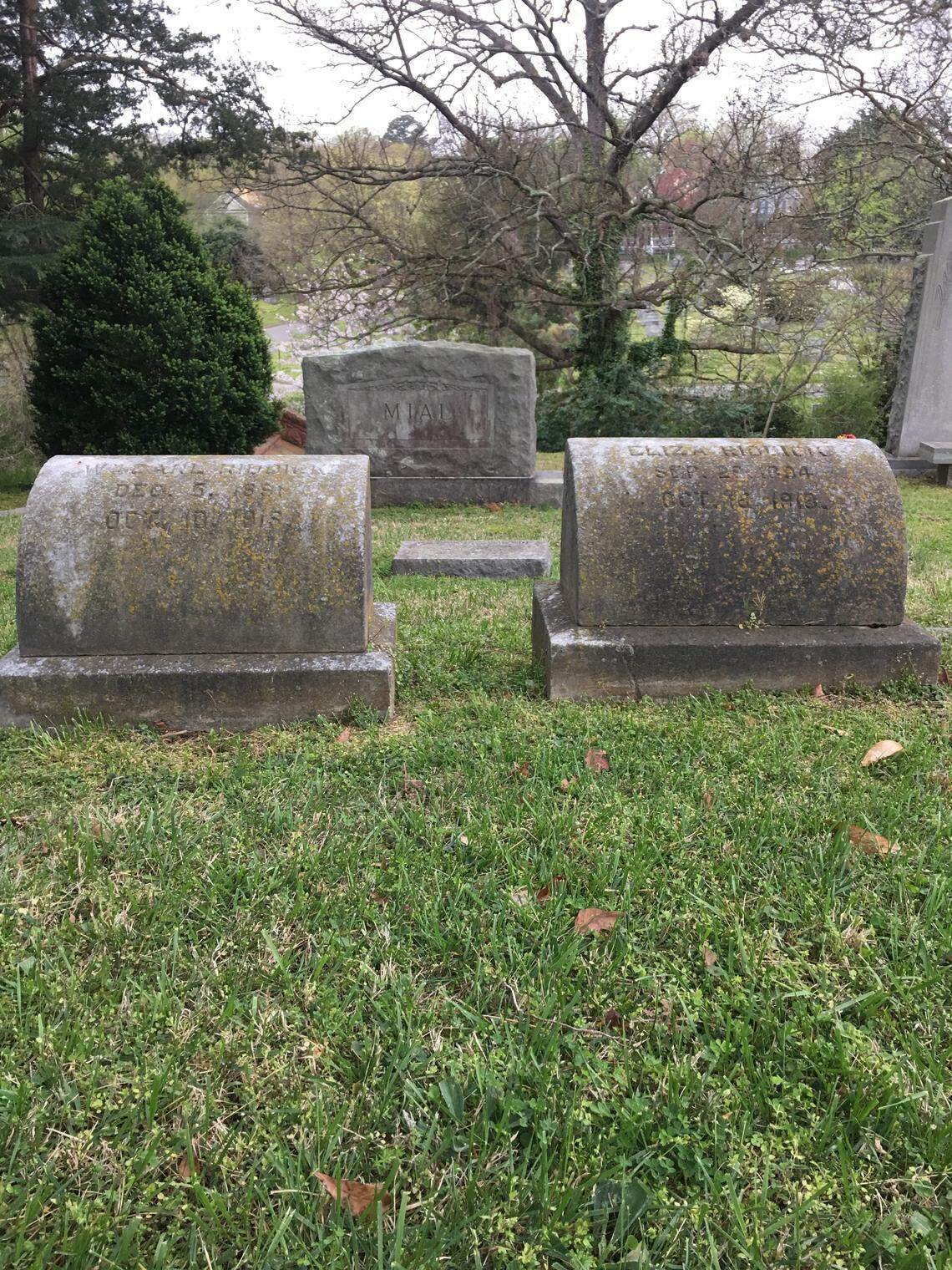
So many people perished in the epidemic that Oakwood Cemetery buried 10 bodies per day, including William Riddick and his sister Eliza, who had been caring for the sick and died six days apart. Often, those victims had no funeral service as ministers kept their distance.
Flu struck children, especially. Frederick Farmer, the 11-year-old son of a Raleigh railroad family, succumbed to the virus four days before Christmas.
“His dog came and laid on the grave,” said Robin Simonton, the cemetery’s executive director, flipping through a fat file of death certificates. “He came every day for a long time.”
As North Carolina grapples with COVID-19, the century-old “Spanish influenza” pandemic rises as a grim parallel — though almost certainly drastically worse in scale.
Plaguing the Triangle from roughly the fall of 1918 to the spring of 1920, the flu killed nearly 14,000 people in North Carolina — more than the state’s total casualties from World War I.
Raleigh alone lost 288 people in a single month, according to city records, a death toll that represents 1% of its population at the time.
But the 1918 flu bears comparison, Scientific American noted this week, because both Wake County and American society at large began to combat sickness by calling off public gatherings — an early attempt at the “social distancing” now being enforced.
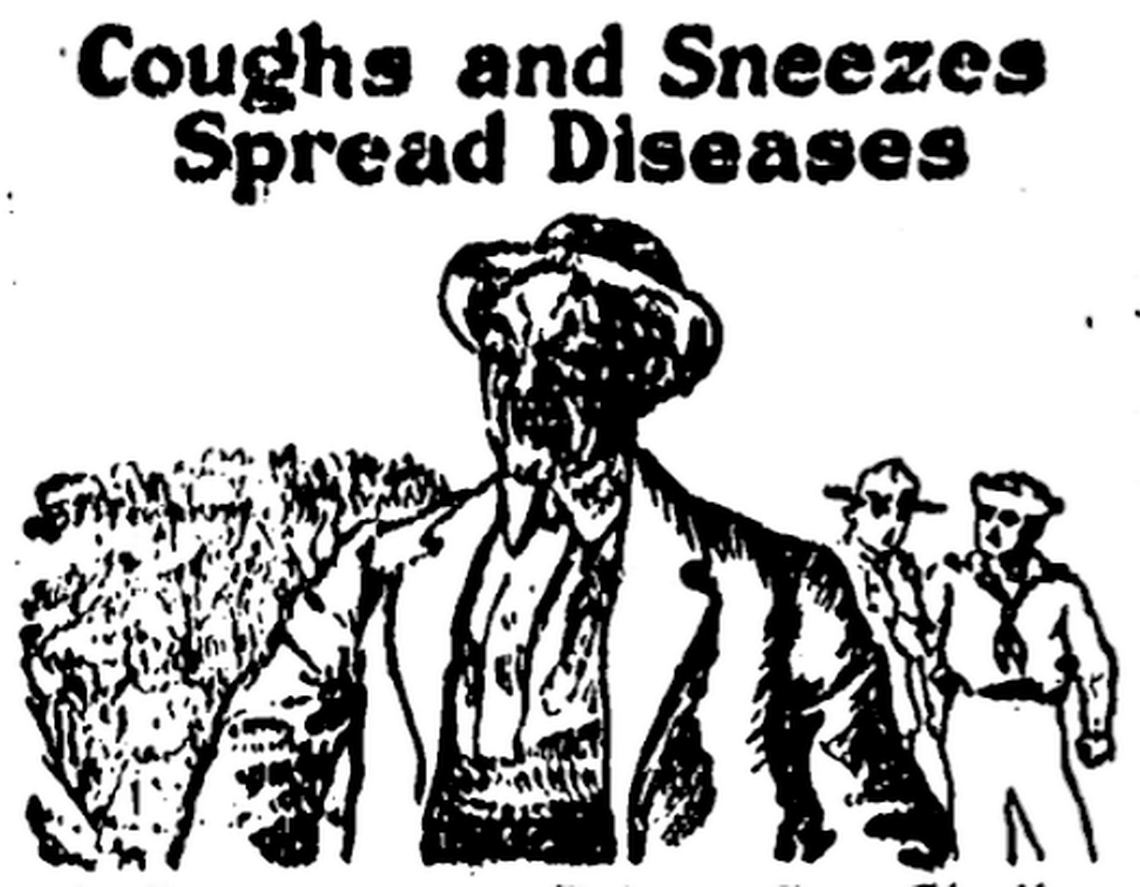
As panic struck Raleigh, frightened residents turned to a variety of hoax cures — a tie to recent coronavirus scams.
Newspaper accounts from the time describe North Carolina residents attaching cucumbers to their ankles, carrying potatoes in their pockets and putting sulfur in their shoes — all considered cures at the time.
“Do you know what the miracle cure of the age for the time (was)?” asked Ernest Dollar, director of the City of Raleigh Museum, in an interview Wednesday with The News & Observer. “Vicks VapoRub. It was gone from the shelves from October until March 1919.”
The Siler City Grit, a defunct newspaper in Chatham County, discouraged people from working too hard to avoid getting run-down — a ripe condition for catching flu.
Vitality alone could defeat the sickness: “Nature alone will throw off the attack if only you keep up your strength,” it read.
The 1918 flu predated vaccines or antibiotics, which can kill bacteria leading to pneumonia, Scientific American reported.
But for the first time, a widespread call went out for staying isolated, not shaking hands, covering coughs and not spitting in the street — commandments published in the 1918 News & Observer.
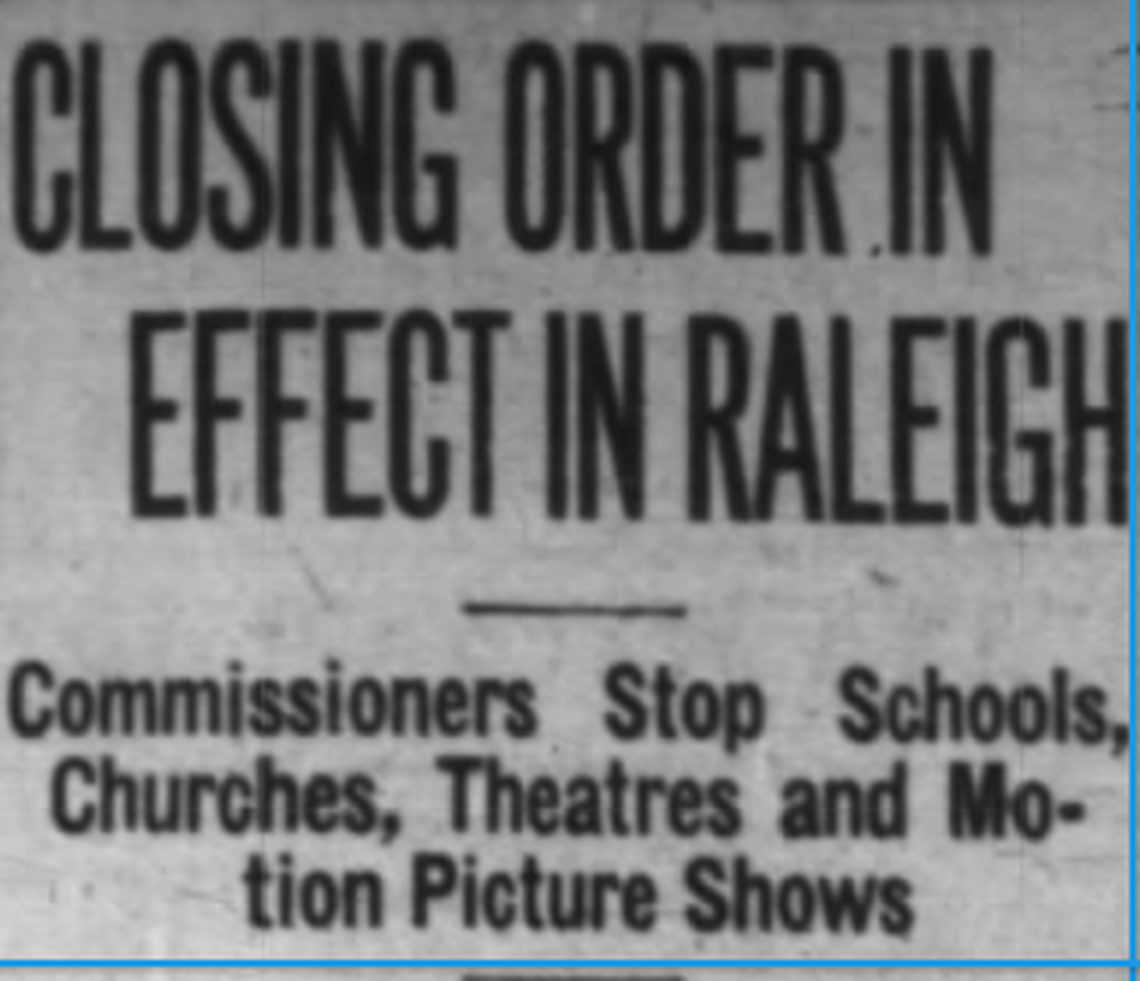
Schools closed. Churches shut their doors. Movie houses went dark as the city observed a trial run at the “stay at home” orders Triangle cities are issuing this week.
Raleigh High School transformed into a makeshift hospital — whites only. Shaw University treated the city’s black patients as segregation persisted through the epidemic.
Editorials in newspapers across the state pleaded for compliance, particularly an essay published in the 1918 Robesonian, entitled, “Why in the World Don’t People Listen to Reason?”
“The germs of every case of influenza came from another person’s mouth,” it read, “and the present epidemic shows to what extent spit-swapping is practiced in the good Old North State.”
In all likelihood, Dollar said, the flu traveled to Raleigh from Wilmington via the railroads.
It could have been far worse, he explained, but the Red Cross had already mobilized to treat soldiers returning from World War I. The Army had set up Camp Polk on Hillsborough Street, readying troops for tank combat.
After the worst months in 1918, the flu came in waves, surging again in February 1920.
That month, it took Asa Forrest, who had been superintendent of Oakwood Cemetery and presided over hundreds of funerals. He had been a volunteer at the Tabernacle Church soup kitchen, and the flu took him after more than 40 years at Oakwood.
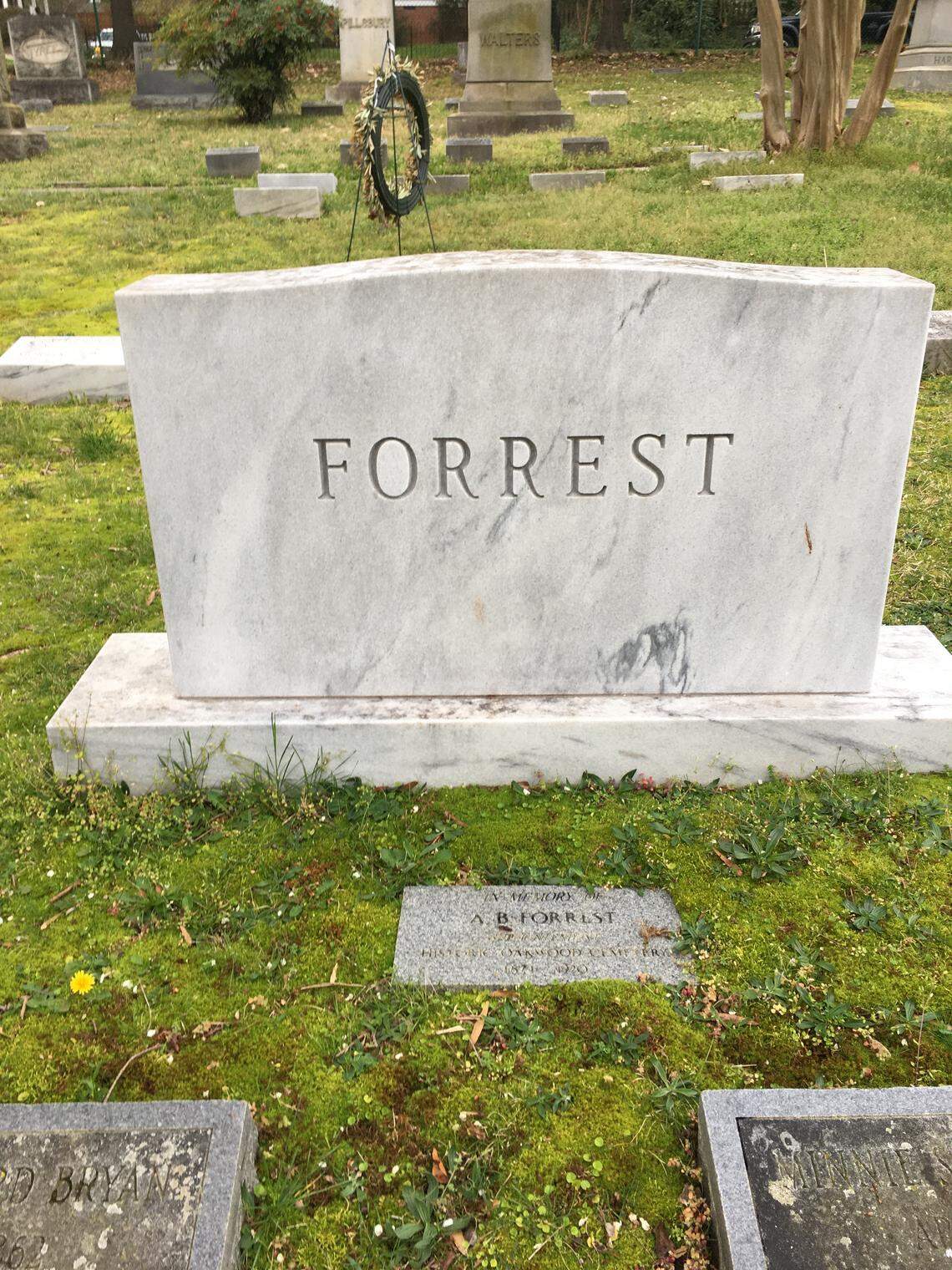
In February, Simonton and the cemetery staff marked the 100th anniversary of his death just as a new virus began creeping back.
“I was honoring him, not trying to emulate him,” she joked. “The Spanish flu is very real to us. We look at his picture every day.”
This story was originally published March 26, 2020 at 11:56 AM with the headline "Raleigh’s 1918 flu killed 288 in a month. How today’s COVID response repeats history.."