230 bags of coffee a day: What one shop needs to sell to offset coronavirus
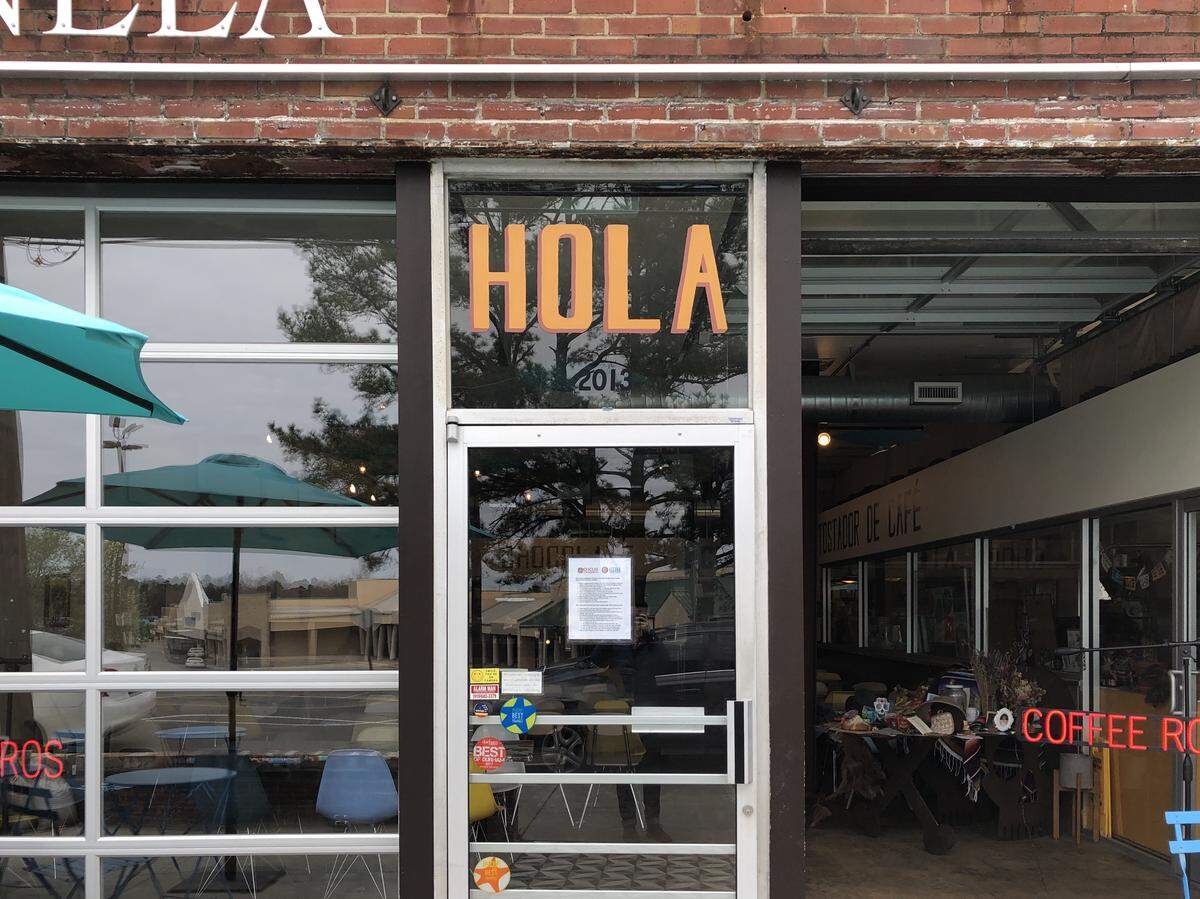
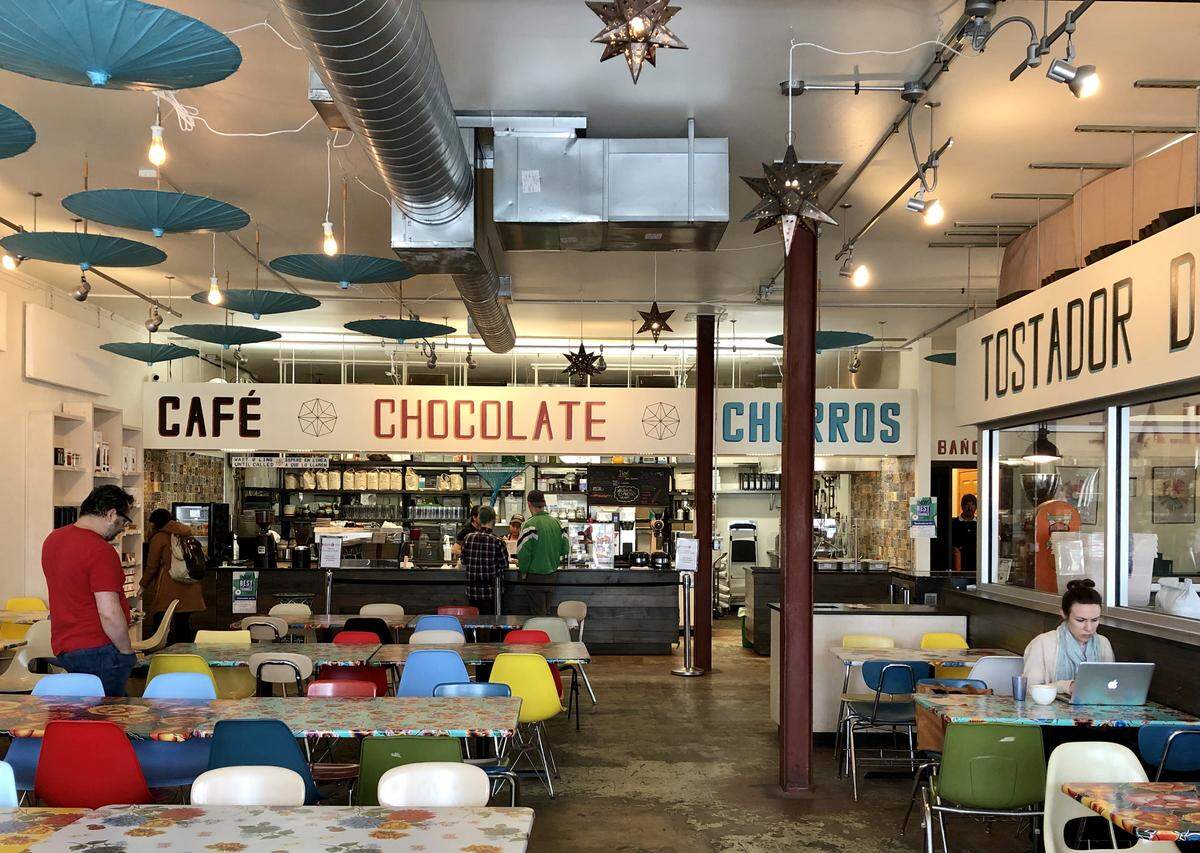
The Cocoa Cinnamon coffee shop on Chapel Hill Road in Durham is usually bustling with activity on a weekday morning.
But Monday, its seating area was mostly empty and a strong smell of bleach mixed with the aroma of coffee and churros, as employees obsessively sanitize surfaces to prevent the spread of COVID-19, the disease caused by the coronavirus.
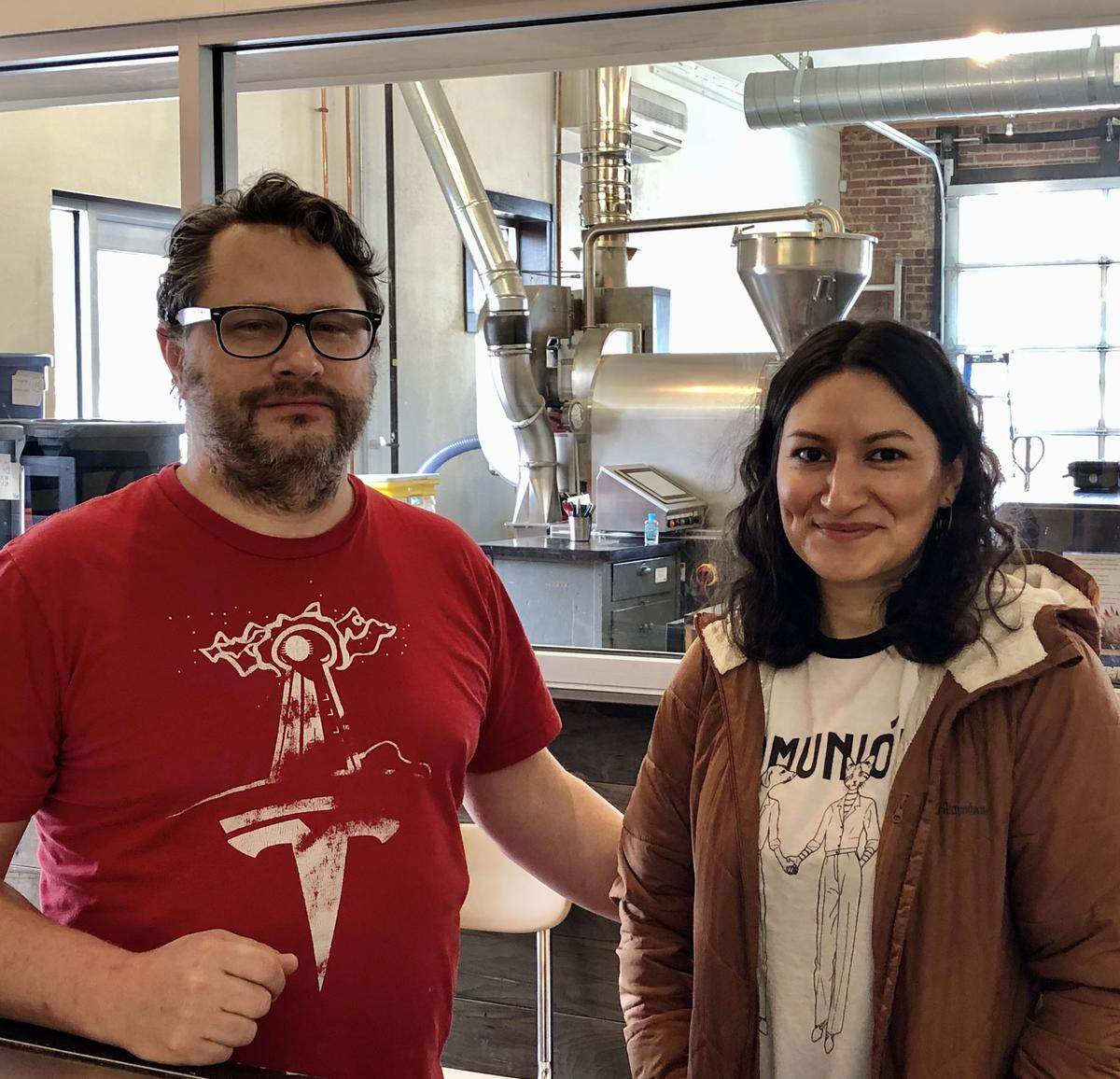
And even as business slowed to a drip of what it normally is, Leon Grodski de Barrera, the shop’s owner, knows it could be about to get much worse, if the state orders all businesses to close their doors to slow the spread of the virus. Already on Monday, he said, business is down 35%.
“Obviously you want to focus first on people’s health and safety,” Grodski de Barrera said in an interview. But “at the same time the economic part of this can be devastating for people.”
Faced with the prospect of potentially losing tens of thousands of dollars, Grodski de Barrera is now walking the fine line between joining the collective societal effort to stop the spread of the virus while also keeping three coffee shops, the Little Waves roastery and nearly 50 employees who are all paid a living wage above water.
“If we can’t employ our folks then that is 48 people not paying their bills,” he said. “We have 95 local vendors we are paying this week. It is not just our team, it is a local network.”
Thousands of small businesses are struggling right now, as the coronavirus threatens to topple one of the bedrocks of the state’s economy and a source of employment for more than a million North Carolinians.
“The speed by which we are seeing the decline of revenue for businesses is dramatic,” said Henry McKoy, the director of entrepreneurship at North Carolina Central University in Durham. He called the virus an unprecedented economic shock that most businesses were unable to prepare for.
It’s imperative, he added, that some form of government relief is found for small businesses as the country heads into a likely recession.
Last Friday, North Carolina Gov. Roy Cooper wrote to the U.S. Small Business Administration seeking a disaster declaration for the state’s small businesses.
If accepted, the declaration would provide disaster loans to affected businesses to help pay financial obligations and operating expenses at a time when many small businesses are bleeding cash.
In the meantime, businesses are hurting, especially the many companies catering to the thousands of college students who won’t be returning to campus. In Chapel Hill, business is already difficult, but it’s going to be even tougher for the foreseeable future, said Matt Gladdek, executive director of the Chapel Hill Downtown Partnership.
“I am very concerned about their well-being since this time of year is normally when downtown Chapel Hill businesses bank profits to make it through the quiet summer months when UNC is out of session.” Gladdek said in an email. “It will be imperative that the federal and state governments move quickly for grants and loan payouts. Small businesses can’t wait a year to get that money for payroll and rent they need today.”
However, until that relief arises, many are frantically looking for new streams of revenue.
At Flyleaf Books in Chapel Hill, the book shop has had to close its store floor and cancel all of its author events for the next eight weeks, an important driver of customers. It’s attempting to turn itself into a digital marketplace to stem the loss of foot traffic.
So far, it has gotten a big response from both regular shoppers and people from out of state due to social media, said Talia Smart, the events manager at Flyleaf. But a question remains how long it can keep customers buying books over the phone and online.
“Our biggest hope is that it stays consistent,” Smart said. “But we have no way of knowing how long this situation will last. We will be here until we absolutely have to stop.”
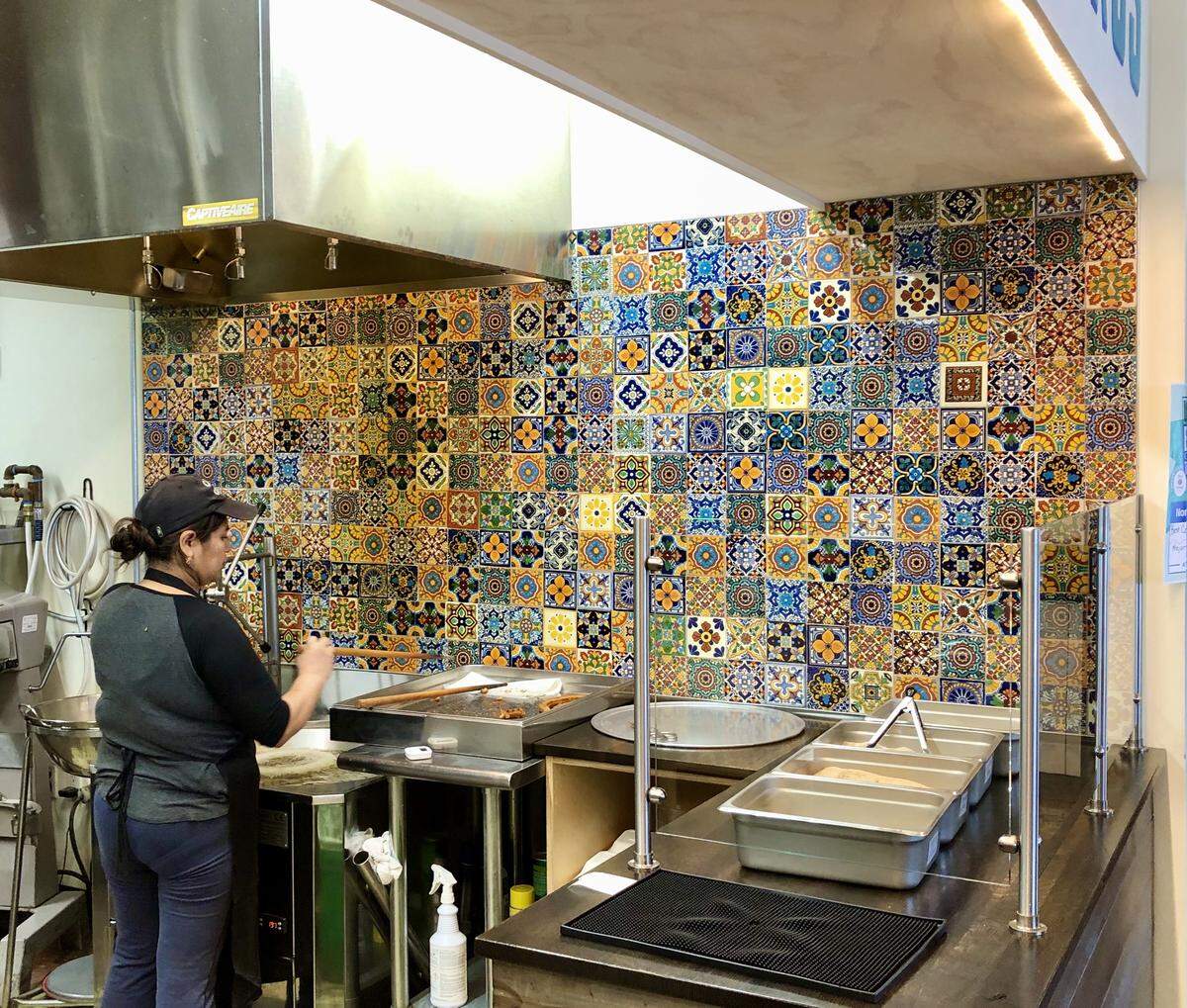
Grodski de Barrera said he was up all Sunday night trying to find ways to replace in-person customers. He has been creating an online shop to sell coffee, setting up curbside pick-up and trying to find a way to add a delivery service that makes financial sense.
If the shop is forced to close down for eight weeks, Grodski de Barrera estimates it will cost the business $200,000 — a number that frankly scares him. On social media, the company told its followers it needed to sell an extra 230 bags of coffee a day to cover its employees’ wages and expenses.
It got an outpouring of support from local fans and people from outside of North Carolina. But on Monday, as of noon, it was only on track to cover 60% of that day’s expenses with what it had sold online.
“Realistically, we need the state to launch an emergency package for small businesses,” Grodski de Barrera said. “What would happen if 40% to 50% of small businesses went out a business. It would be cataclysmic.”
This story was produced with financial support from a coalition of partners led by Innovate Raleigh as part of an independent journalism fellowship program. The N&O maintains full editorial control of the work. Learn more; go to bit.ly/newsinnovate
This story was originally published March 16, 2020 at 3:19 PM with the headline "230 bags of coffee a day: What one shop needs to sell to offset coronavirus."