Chapel Hill wants downtown district to be an innovation launchpad. What’s happening now
A new innovation district is officially set to launch in Chapel Hill this week.
A partnership between the town of Chapel Hill and the University of North Carolina, it’s been 10 years in the making and is part of a long-term strategy to transform this once small college town into its own economic hub.
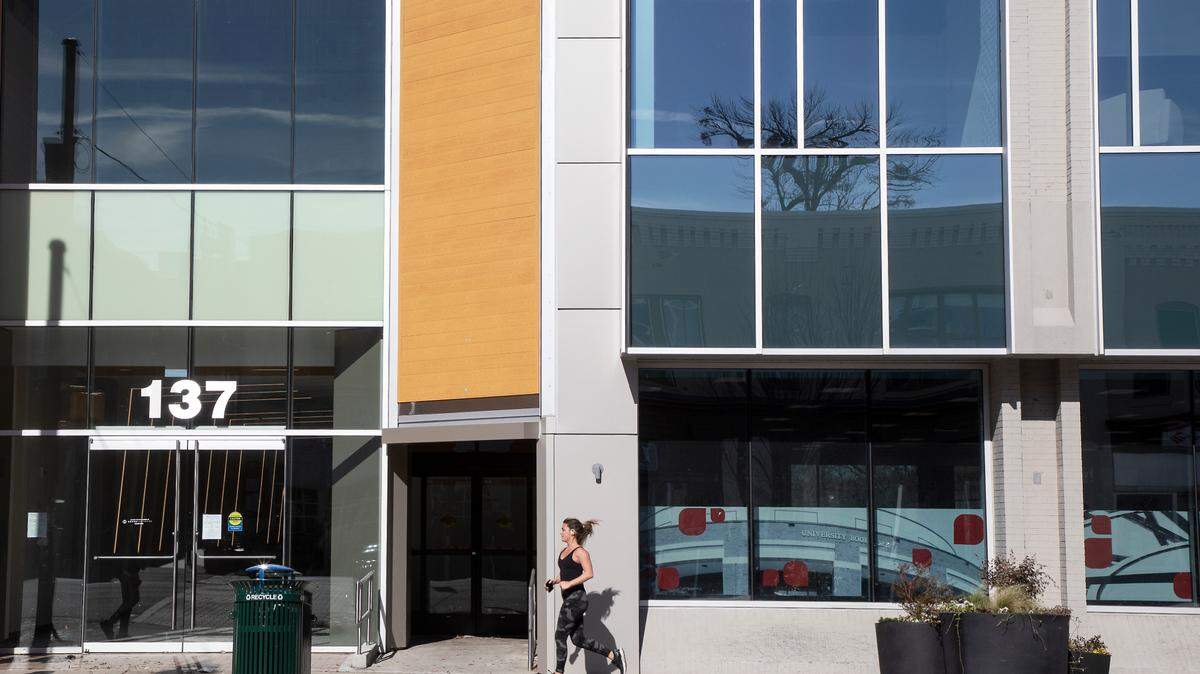
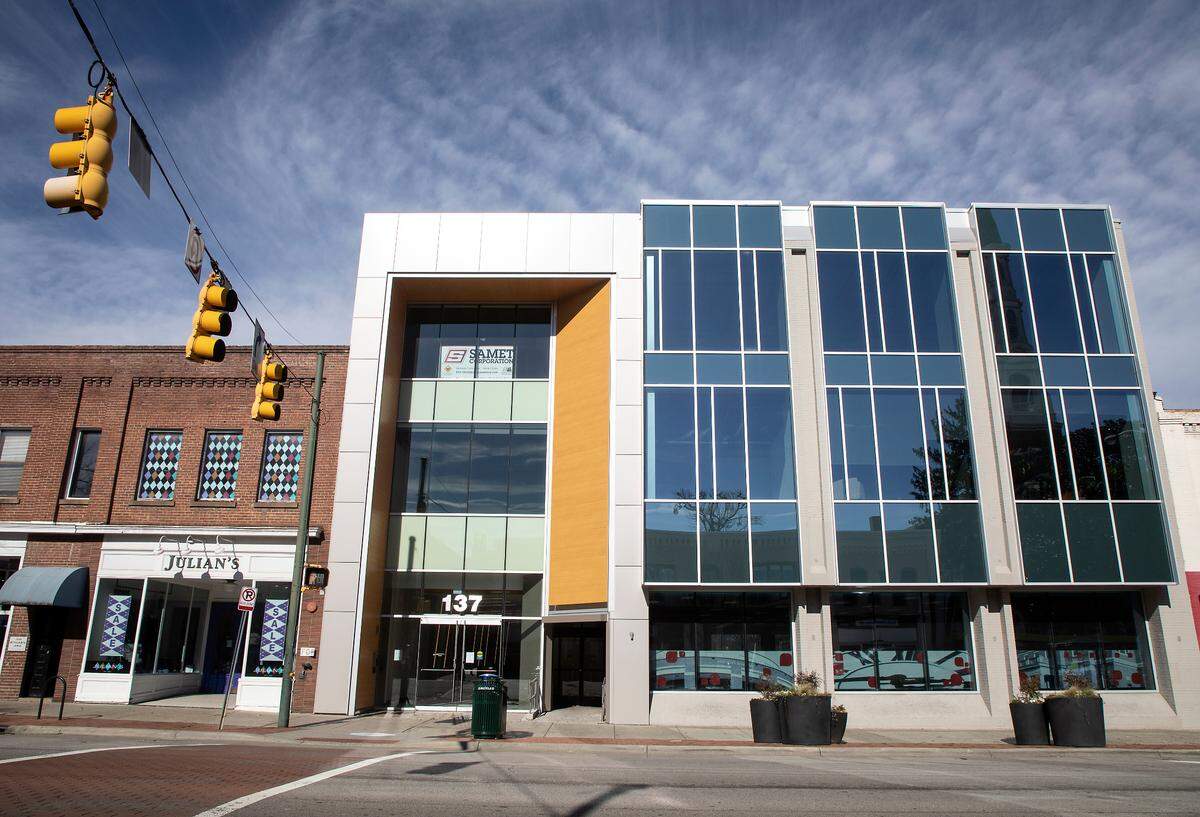
Redeveloped by Cary-based Grubb Properties, the district’s first phase, named Carolina Junction, has already opened and encompasses two buildings: 136 East Rosemary St. and the adjoining 137 East Franklin St.
“The Junction is the first step in building the district,” Dwight Bassett, Chapel Hill’s director of economic development and parking services, told the N&O. “It’s a sign of many great things to come.”
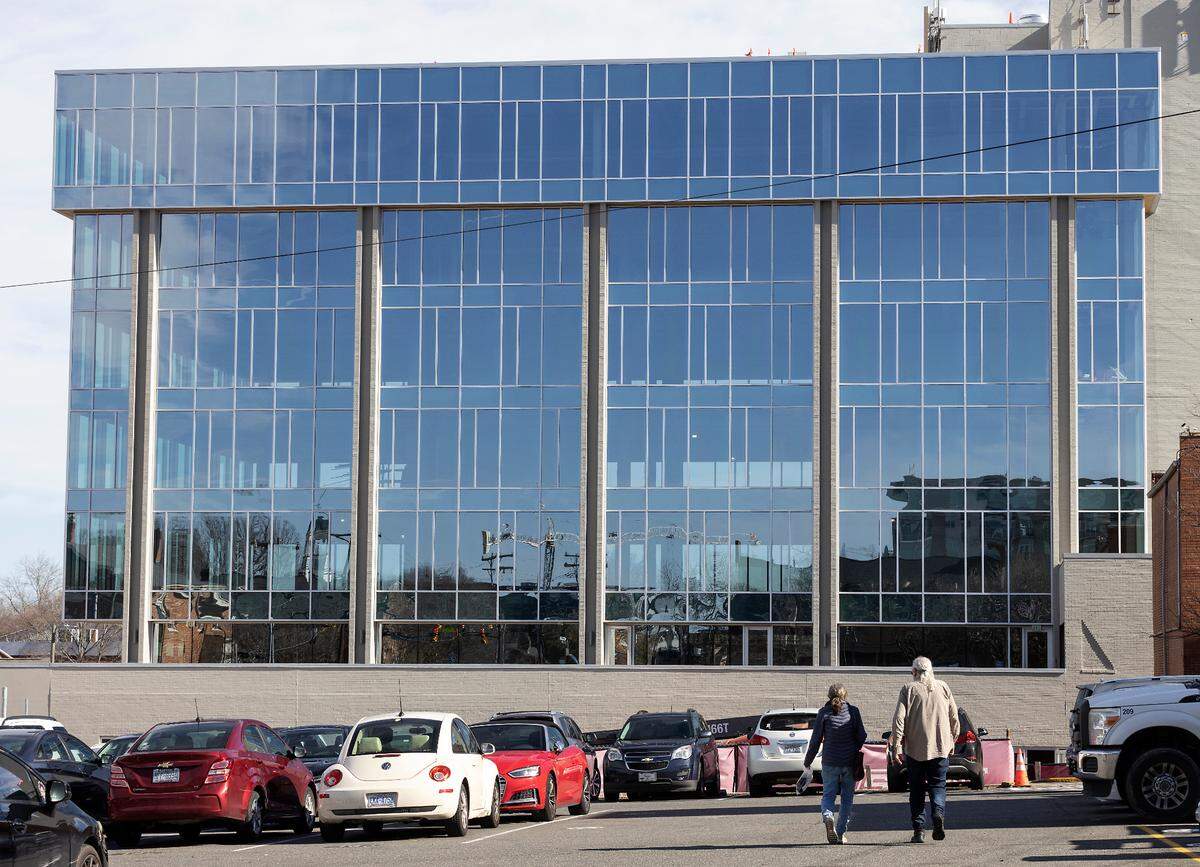
Formerly the CVS building, it’s undergone a complete facelift. It’s now a modern, floor-to-ceiling glass building, occupying seven floors and roughly 118,000 square feet of space, with views as far as Durham.
By 2025, the district is expected to include a visitor center, life science center, downtown parking lot, apartments, hotel and conference center.
First glimpse inside
On Wednesday, the town will offer a first glimpse inside at a closed event. A public open house will be held on Oct. 5 from 10 am to 5pm.
Among the first tenants: Innovate Carolina, the university’s central team for innovation and entrepreneurship; and Launch Chapel Hill, the business and venture lab accelerator created in 2013 through another joint effort by the town, university and county. They occupy the ground and first floors.
Despite a saturated office market, demand remains strong, said Sheryl Waddell, UNC’s director of economic development and innovation hubs.
Around 22% of the space has been leased, she said. Tenants include law firm Hutchinson LLC and biotech startup READDI.
“Some folks are just now moving in. In just the last two weeks or so, we’ve gotten like five calls a week. Startups, alumni, investors, service providers want to know about available space.”
Monthly on-site memberships start at $200 and offer a range of coworking options, from a line of floating desks — dubbed “startup alley” — to designated cubicles and private offices.
Amenities include an outdoor terrace, kitchen, huddle spaces, meditation and lactation rooms, and shower facilities. Special programming, such as The Future of Work series, is also part of the lineup, while local non-profit B3 Coffee will open a pop-up location on the ground floor.
California-based BioLabs, a coworking space for life science startups, is leasing the entire third floor, over 23,000 square feet, for shared wet labs and office facilities for new research-based startups.
The remaining three top floors are still available for lease, Waddell said.
“At this point, the strategy is to activate the space through events and programming,” she said. “We want the community getting to know us.”

An opportunity zone
The district is in a designated opportunity zone — the town’s first. The aim is to spur economic development by providing tax benefits to investors. Those range from deferring tax on prior gains to sheltering future gains for 10-year investments in the zone.
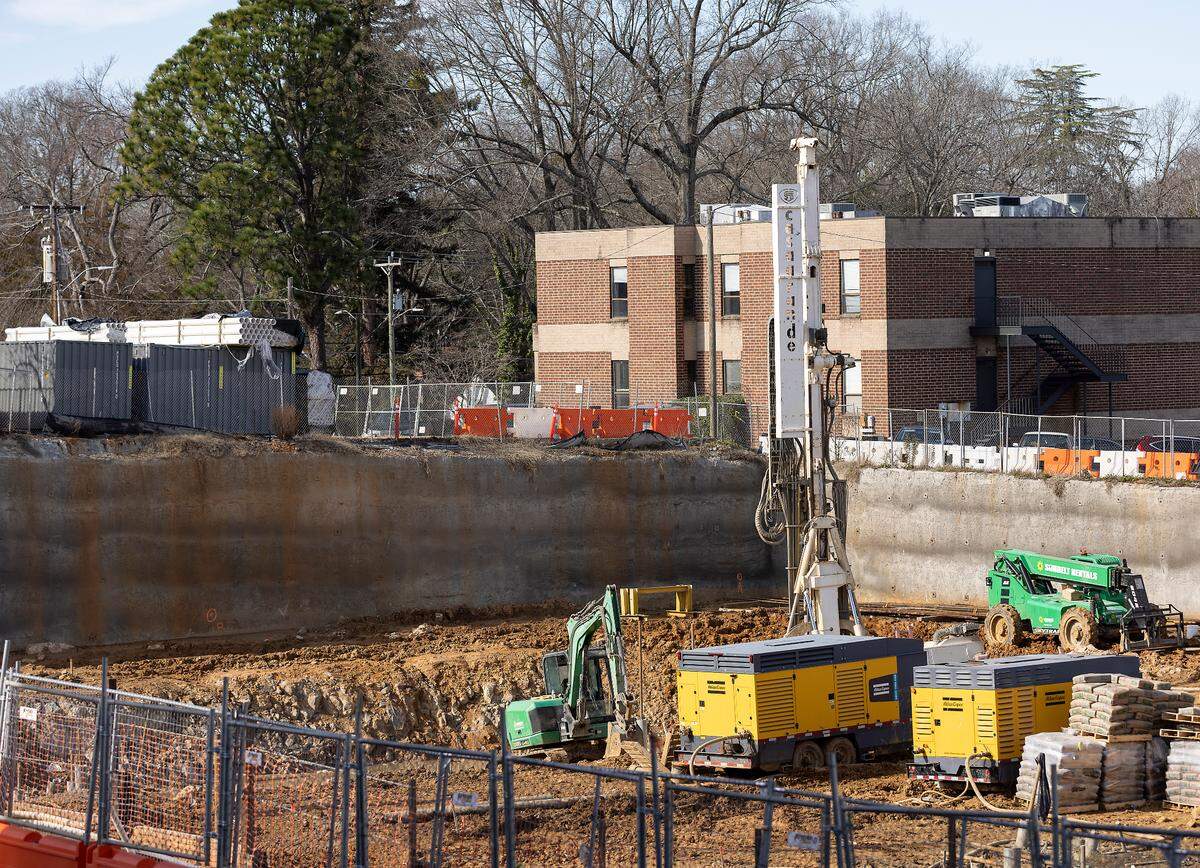
Separately, Grubb Properties’ is planning a 238,000-square-foot, seven-story office building and wet lab facility on the 1.5-acre parcel at 150 East Rosemary for inclusion in the district. It will replace the Wallace parking deck and include three levels of underground parking and dedicated street-level space for retail stores, restaurants and a public plaza.
A few blocks down, Longfellow Real Estate Partners is proposing a life sciences building in the 300 block of West Franklin Street.
This story was originally published September 27, 2023 at 9:25 AM with the headline "Chapel Hill wants downtown district to be an innovation launchpad. What’s happening now."