3 companies allegedly helped inflate egg prices. Now, NC will get 3 million eggs
AI-generated summary reviewed by our newsroom.
- Three egg producers were accused of coordinating to manipulate egg prices.
- Settlements would require the companies to provide 53 million eggs and pay $3.3 million.
- North Carolina is slated to receive about 3 million eggs as part of the settlement.
The Justice Department and attorneys general of 17 states including North Carolina have reached settlements with three companies accused of illegally raising egg prices.
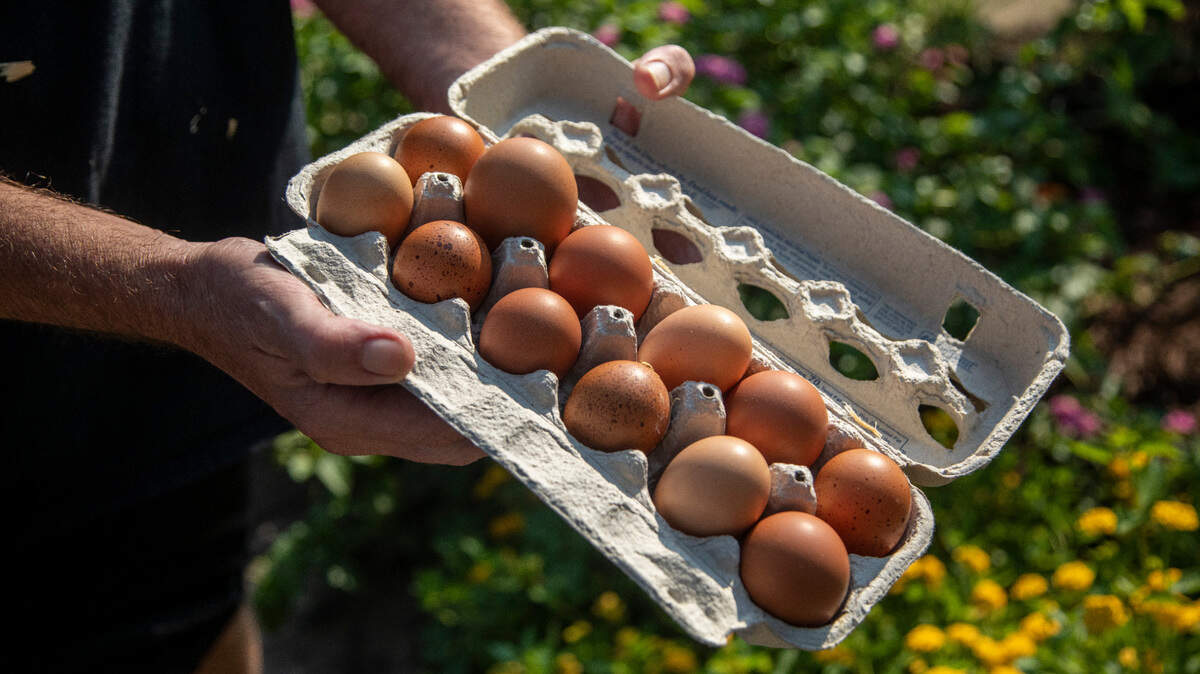
If the settlements are approved by the court, the companies would donate 53 million eggs to nonprofit organizations and food banks in states involved in the settlement and pay the states $3.3 million, according to court documents.
Of the 53 million donated eggs, about 3 million would go to organizations in North Carolina, according to a news release from Attorney General Jeff Jackson. How the eggs will be distributed is still being developed.
“These egg producers worked together to game the system so they could charge more for eggs. That’s against the law,” Jackson said in the news release. “This settlement makes sure they can’t rig the market anymore, and food banks in our state will get millions of eggs to help feed people who are hungry.”
This is at least the second food-related antitrust settlement that North Carolina has been involved with in recent months. In May, the attorney general shared news of a settlement that would prevent processors from coordinating higher prices for chicken, pork and turkey.
How the process is supposed to work
The three companies named in the complaint — Cal-Maine Foods, Hickman’s Egg Ranch and Versova — produce and sell eggs to businesses including grocery stores and restaurants.
When there’s a shortage or surplus of eggs, they can submit bids to purchase eggs or offers to sell them on electronic exchanges such as Egg Clearinghouse.
Market reporting company Urner Barry analyzes, aggregates and anonymizes market information, publishing daily price quotations based on bids, offers and executed trades.
Egg producers, including the companies named in the complaint, then use those Urner Barry quotes when creating contracts to sell their eggs to buyers — specifically, grocery stores and restaurants. If these buyers are paying more for eggs, grocery shoppers and consumers are likely paying more, too.
What the companies allegedly did
Here’s where the companies allegedly broke the law: Between June 2022 and March 2025, they coordinated their efforts and submitted large numbers of bids to Egg Clearinghouse at agreed-upon prices and times.
For example, one day in October 2022, an executive at Cal-Maine texted the Hickman’s CEO to encourage them to help stop prices from falling. Both companies submitted bids, and by the end of the day, theirs accounted for more than half of the bids submitted. Urner Barry’s prices remained the same, so the executives’ efforts seemed to have worked.
The three companies also agreed to trades that weren’t completed on Egg Clearinghouse at premium prices — prices meant to suggest that Urner Barry’s are too low — and then reported the purchase orders to Urner Barry, according to the complaint.
What the companies have to do
The states involved in the settlements, eligible for monetary payments or egg donations, are Arizona, California, Colorado, Connecticut, Florida, Hawaii, Iowa, Maryland, Minnesota, New York, Ohio, Pennsylvania, Texas, Utah, Vermont and Wisconsin, as well as North Carolina.
As part of the settlements, the companies would also have to stop communicating information about bids and transactions, except those related to legitimate business needs, cooperate with state and federal oversight, and comply with policies meant to prevent future anticompetitive activities.
This story was originally published July 2, 2026 at 5:45 AM with the headline "3 companies allegedly helped inflate egg prices. Now, NC will get 3 million eggs."