Triangle nonprofit delivers mixed‑income neighborhood starting in the mid $400Ks
AI-generated summary reviewed by our newsroom.
- White Oak Foundation opened 30 mixed‑income townhomes on the Apex‑Cary border.
- Half the townhomes sell at market rate and half reserved for households up to 80% AMI.
- White Oak will build a $20 million, 60‑unit independent living center for 55+ residents.
In a region where rising housing costs continue to outpace local incomes, a small nonprofit has opened a 30-unit “mixed‑income” townhome community on the Apex-Cary border in Wake County.
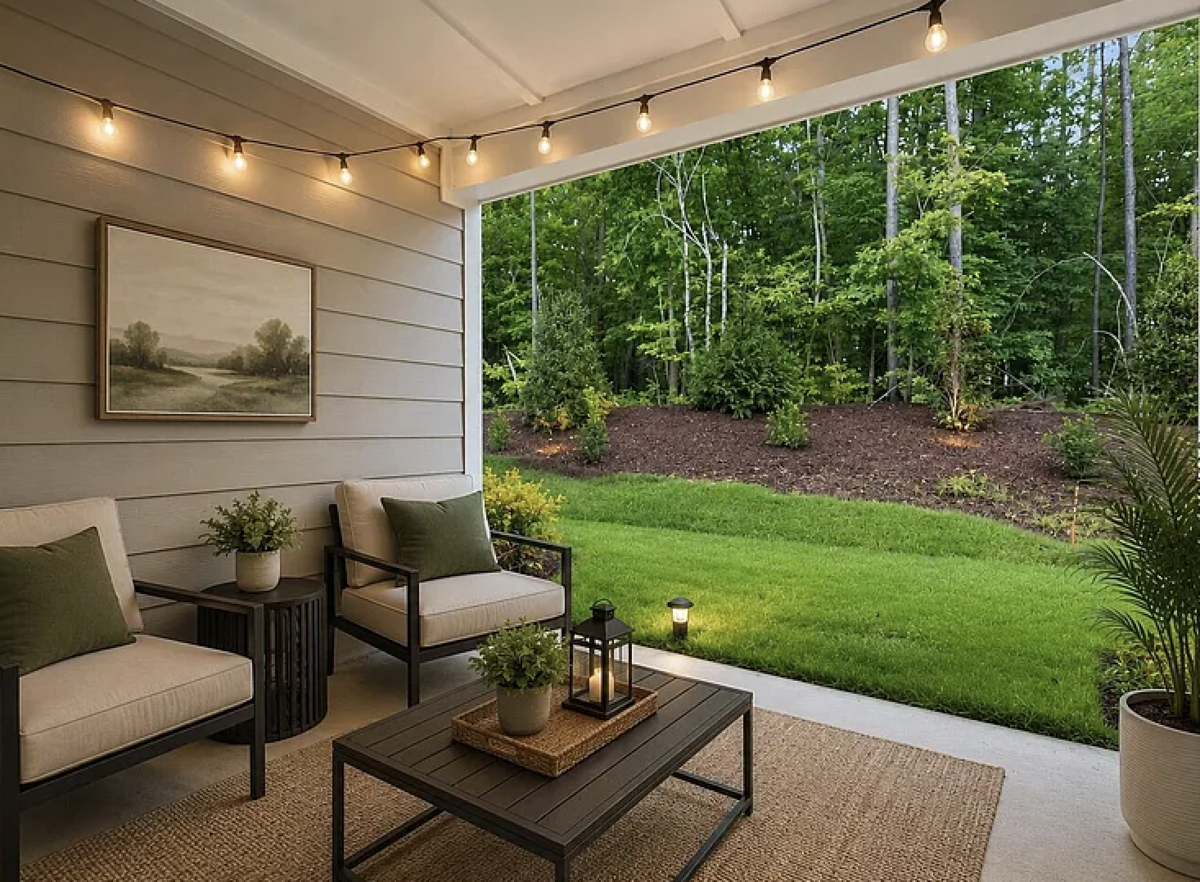
The White Oak Foundation, a longtime community services organization rooted in White Oak Missionary Baptist Church, launched its two-story townhome development on Dominion Crest Drive in Cary (with an Apex address) last week. It sits about five miles northwest of downtown Apex, within walking distance to the American Tobacco Trail, White Oak Elementary School, and the Young Scholars Childcare facility.
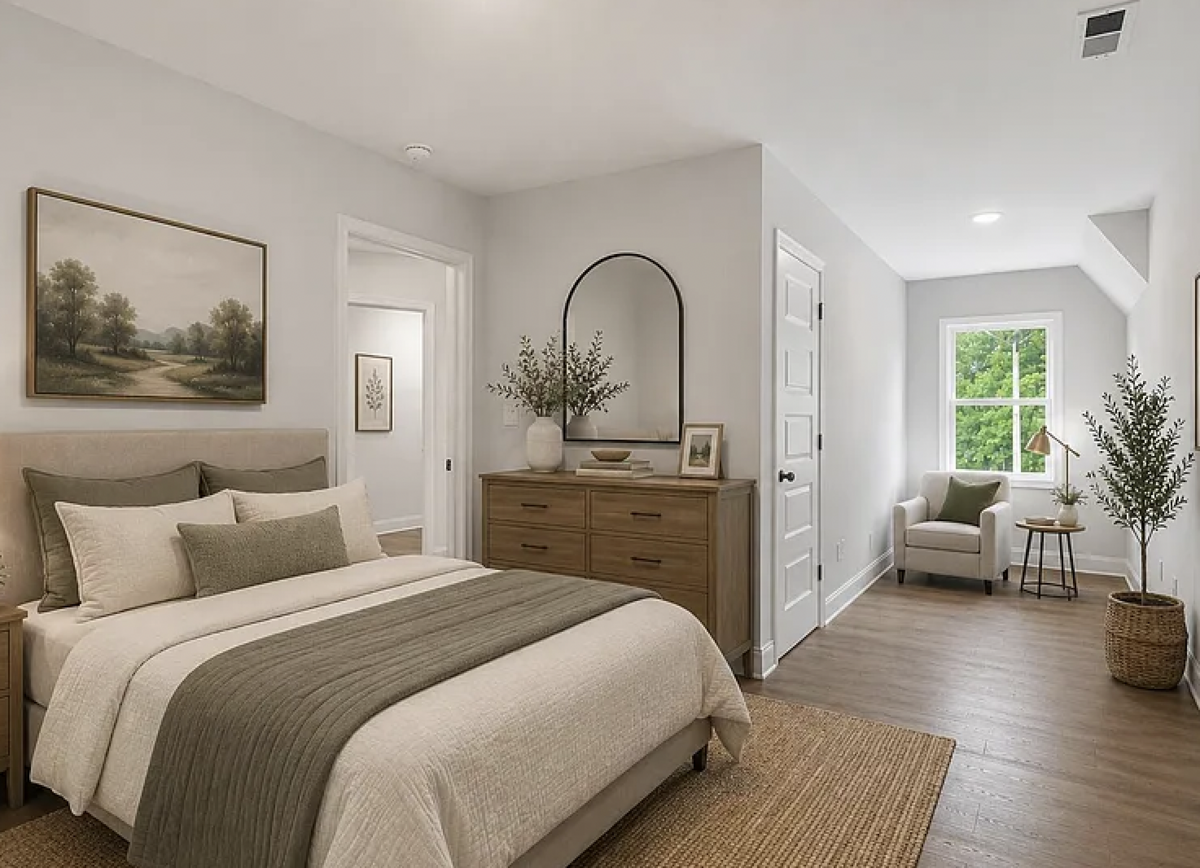
The neighborhood features 3- and 4-bedroom layouts spanning about 1,789 square feet — as well as a daycare, medical clinic, food pantry and senior activities center.
“This is a special moment for our organization and for the community,” the Rev. Charles R. Tyner Sr., the foundation’s executive director, said at the ribbon-cutting ceremony Wednesday. “We look forward to continuing on this journey to make a positive difference.”
The project, supported by financing from North State Bank and gap funding from the town of Cary, reflects a broader shift in local housing strategy. As land prices climb and federal subsidies lag, towns like Apex and Cary are increasingly relying on mission‑driven groups and public-private partnerships to deliver income‑restricted housing.
White Oak homes are actively listed and selling in the mid $400,000s. That’s well below the current median sale price currently hovering around $602,000, according to Zillow’s latest estimates.
Half the homes will be sold at market rate, while the other half will be preserved in perpetuity as affordable rentals for households earning up to 80% of annual median income (AMI): roughly $72,950 for an individual or $104,200 for a family of four. That typically translates to rents around $1,650 for a one‑bedroom, $1,810 for a two‑bedroom, and $2,270 for a three‑bedroom in Apex, according to recent data from the U.S. Department of Housing and Urban Development.
Monthly homeowners’ association fees are approximately $150.
The Apex-based foundation also plans to build a $20 million, 60-unit independent living center for residents 55 and older.
For Apex Mayor Jacques Gilbert, the project represents both a local achievement and a regional challenge.
“This is about more than housing affordability — it represents stability, dignity and long‑term community impact,” he said, adding that teachers, first responders and essential workers increasingly struggle to find homes near their jobs.
In recent years, the Triangle’s housing pressures have intensified as population growth outpaces construction of income‑restricted units. Wake County estimates it needs tens of thousands of additional affordable homes to meet current demand, a gap that has widened as federal tax credit allocations stagnate and private developers focus on higher‑margin projects.
In that environment, faith‑based organizations like White Oak — which can leverage donated land, volunteer labor and community trust — have become increasingly important players.
Since its founding in 1999 as a ministry of White Oak Missionary Baptist Church, the foundation has focused on stabilizing families — preventing foreclosures, educating renters and homebuyers, providing scholarships and offering crisis assistance.
In the Triangle, other faith-based housing efforts include Mt. Pleasant’s 154‑unit affordable community in Southwest Raleigh, Habitat for Humanity’s Downtown Faith Coalition builds, and several Durham churches now exploring land donations with partners like DHIC and CASA.
This story was originally published June 15, 2026 at 1:13 PM with the headline "Triangle nonprofit delivers mixed‑income neighborhood starting in the mid $400Ks."