Some NC businesses charge for using credit cards. Is there a limit to the fees?
AI-generated summary reviewed by our newsroom.
- North Carolina lawmakers are trying to limit the credit card surcharges customers pay.
- Restaurants such as Dino’s in Durham charge fees when customers use credit cards.
- Businesses should make surcharge policies clear, the NC Bankers Association said.
You’ve probably seen one — a sign posted near the register, a note on a restaurant menu, a line on a bill — some announcement that tells you about the fee you’ll have to pay for using a credit card.
On top of tips, taxes and a baseline of higher costs, it’s yet another dent in your wallet, and one that penalizes you for using a convenient and ubiquitous form of payment. For crying out loud, they’re not even producing pennies anymore. If that’s not a signal we’re moving toward a cashless society, what is?
“Swipe fees” are everywhere. The Nilson Report trade publication found that in 2025, charges for credit cards totaled nearly $158 billion, according to the Merchants Payments Coalition, which represents retailers including supermarkets, convenience stores and online merchants.
Of that, nearly $119 billion were swipe fees for Visa and Mastercard credit cards. The two companies control more than 80% of the market and set swipe fee rates for all banks that issue cards under their brands, according to the Merchants Payments Coalition.
Some states set limits on credit card surcharges and require that businesses clearly and conspicuously notify customers of them. North Carolina does not have such laws.
Yet.
In January 2025, Rep. Harry Warren, a Rowan County Republican, filed House Bill 13, calling for a limit on the amount merchants can charge customers for paying with a credit card.
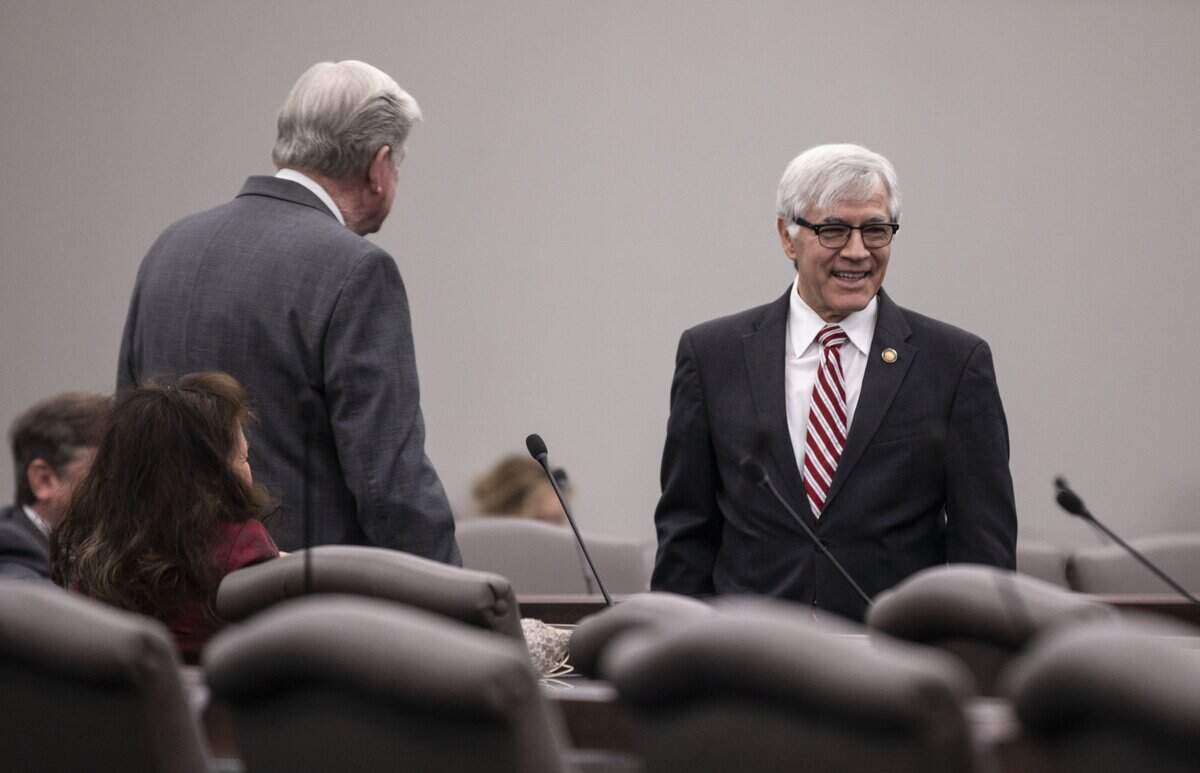
“I believe the general public is accustomed to seeing dual pricing at gasoline stations, but being charged for making purchases with a credit card for your everyday transaction is a relatively recent development,” Warren told The News & Observer in an email.
The bill, which has bipartisan support, was referred to multiple committees and has changed several times. In its current state, it would limit businesses from charging customers more than 2% of the total transaction for using a credit card. It would also require businesses that charge the fees to notify customers about them, whether conducting a transaction in person, online or over the phone.
Since September, the proposed legislation has been sitting in the House’s Rules Committee, where bills have a history of going and never leaving.
If the bill can be passed in the House and sent to the Senate, there’s a “slim chance” it can be sent to the governor before the end of 2026, Warren said.
But a surcharge cap may not be welcome by everyone.
Why businesses impose credit card surcharges
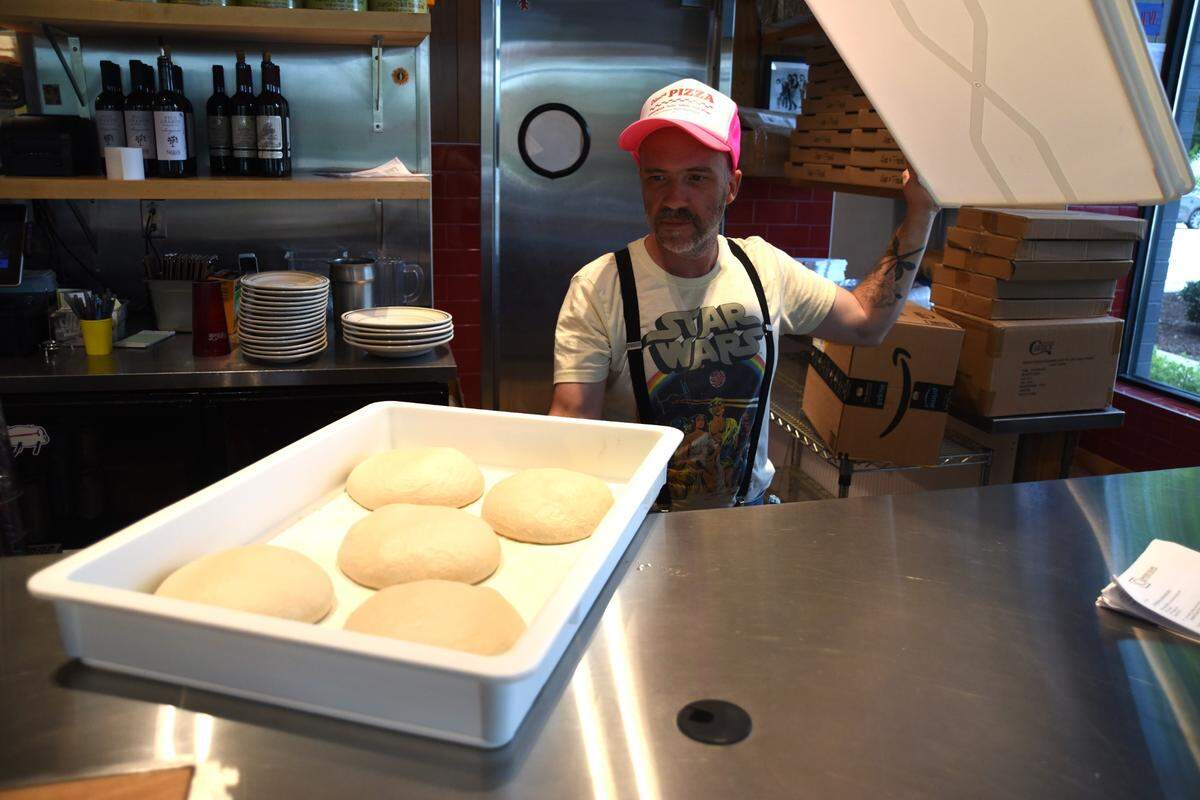
Dino’s Pizza, which opened in Durham in July, started adding a 3% credit card surcharge in late fall, Tom Cuomo, who co-owns the restaurant with chef Matt Kelly, told The N&O in a phone interview.
“Credit card fees have gotten quite exorbitant,” Cuomo said. None of the credit card companies Dino’s accepts only add a 2% swipe fee.
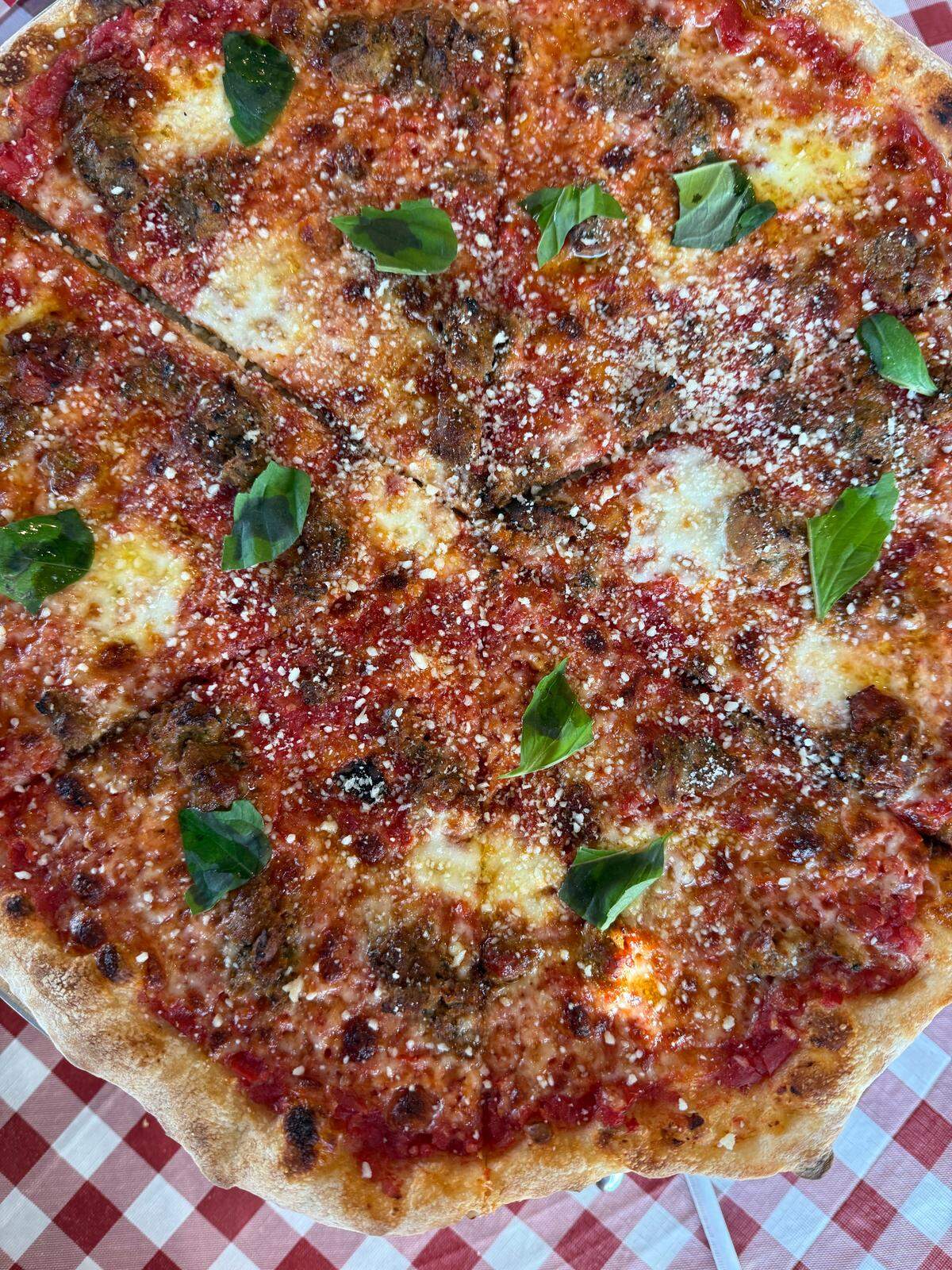
The overall cost of operating the restaurant has increased 22% since it opened, Cuomo said. Processing fees, which go to credit card companies and Toast, the point of sale system, were at 5.5% last summer. Now, they’re about 8%.
To help offset costs, the restaurant has raised its menu prices an average of 7% and adds a 3% surcharge onto bills for diners who pay with credit cards.
When the surcharge was introduced, servers at Dino’s told customers they’d see it on their bill. That verbal notification has stopped, but the fee is still printed on checks and the menu.
There was some pushback from customers when the surcharge was added, Cuomo said. Not a ton. And since then, Cuomo said he remembers two guests who decided to pay with cash instead of credit cards to avoid the fee.
“We’re real thin margins in this industry,” Cuomo said. “It’s not like I want to pass these fees onto my guests, but you know, unfortunately, it’s a necessary evil just to kind of stay alive, especially as credit card fees keep going up.”
Do the surcharges affect businesses?
Allen Thomas, CEO of the North Carolina Restaurant and Lodging Association, said three factors are making the hits businesses are taking from credit card fees more pronounced: People are using credit cards more, only a few companies control the fees businesses have to pay, and food and labor costs are rising.
Tips and taxes, which restaurants don’t keep but go directly to employees and government entities, are factored into the fees businesses pay credit card companies, said Thomas, whose organization represents 25,000 hospitality businesses statewide.
House Bill 650, which the restaurant association supports, would end that practice. It was proposed in 2025 by Republican Rep. Julia Howard but has been sitting in a House committee for over a year.
“For small hospitality businesses, especially operating on thin margins, every dollar matters,” Thomas said.
What are we paying for?
Merchants that accept credit cards as payment have to pay an interchange fee, Nathan Batts, director of government relations for the North Carolina Bankers Association, told The N&O in an email. They may choose to absorb the cost, offer a discount for paying with cash or pass the fee along to customers in the form of a surcharge.
Interchange fees are important because they support the infrastructure that keeps electronic payments safe and efficient, Batts said.
As consumers keep close eyes on their budgets, transparency in this area is key, Batts said.
“Families shouldn’t face unexpected add-on fees just for choosing a secure electronic payment,” Batts said. “Consumers deserve clear, upfront notice of any merchant-imposed surcharges before they initiate a transaction.”
This story was originally published June 22, 2026 at 7:00 AM with the headline "Some NC businesses charge for using credit cards. Is there a limit to the fees?."