Heavy weights: North Carolina is at the heart of a great American obesity drug race
AI-generated summary reviewed by our newsroom.
- North Carolina clinics first noted weight loss from GLP‑1 diabetes drugs in 2016.
- GLP‑1 medicines suppress appetite and triggered a national obesity drug boom.
- Manufacturing race in North Carolina pits Novo Nordisk and Eli Lilly for capacity.
Before the North Carolina factories, before the celebrity endorsements and earworm jingle, before Novo Nordisk’s Ozempic became the hottest name in pharmaceuticals and Eli Lilly’s stock touched the sky, Dr. Sarah Ro saw patients lose pounds on a drug never intended for weight loss.
It was 2016, and Ro had recently begun as a primary care physician at the UNC Health family medicine clinic in Hillsborough. Patients with type 2 diabetes often struggle with obesity, but those prescribed the Novo Nordisk medication Victoza were returning to her Orange County clinic within months 10 to 15 pounds slimmer.
“I think we have something here,” she thought. “I’ve been a doctor for a very long time. I have never seen this.”
Besides regulating blood sugar, this glucagon-like peptide-1, or GLP-1, lowered appetites by mimicking a natural hormone that prolongs feelings of fullness in the stomach and suppresses appetites in the brain. She compiled data and presented it to UNC Health leaders. Physicians across the country were connecting the dots, too, realizing the side effect of certain diabetes treatments could actually be the goal.
Today, the world knows what Ro noticed. Millions of people, mostly Americans, inject GLP-1s into their abdomen, upper arms or thighs once a week to treat obesity. And North Carolina has found itself at the center of a manufacturing race between two of the world’s most valuable companies that can’t make them fast enough.
“We started converting our lines to be able to do Ozempic right in the middle of COVID,” said a former Novo Nordisk executive. “We way underestimated the demand.”
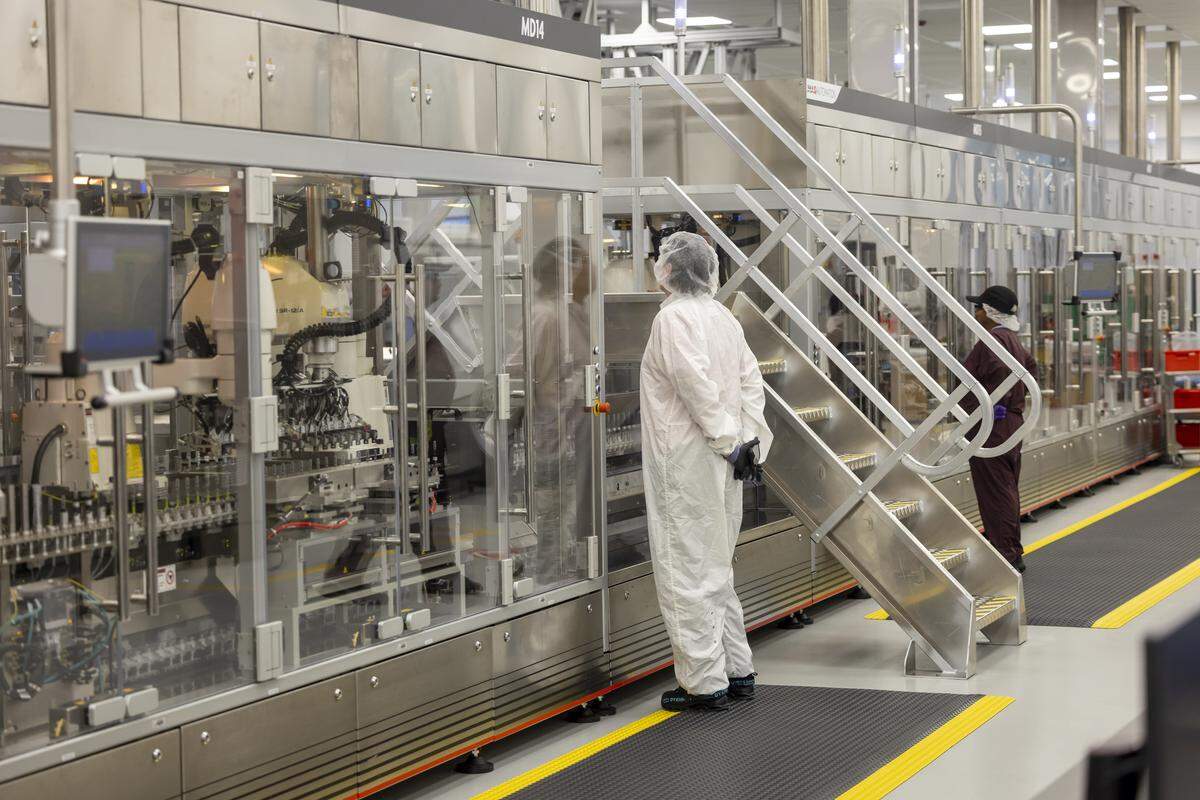
The News & Observer toured two Triangle facilities to see how competing obesity drugs are made and what the successes and setbacks of each medicine could mean for thousands of employees across North Carolina.
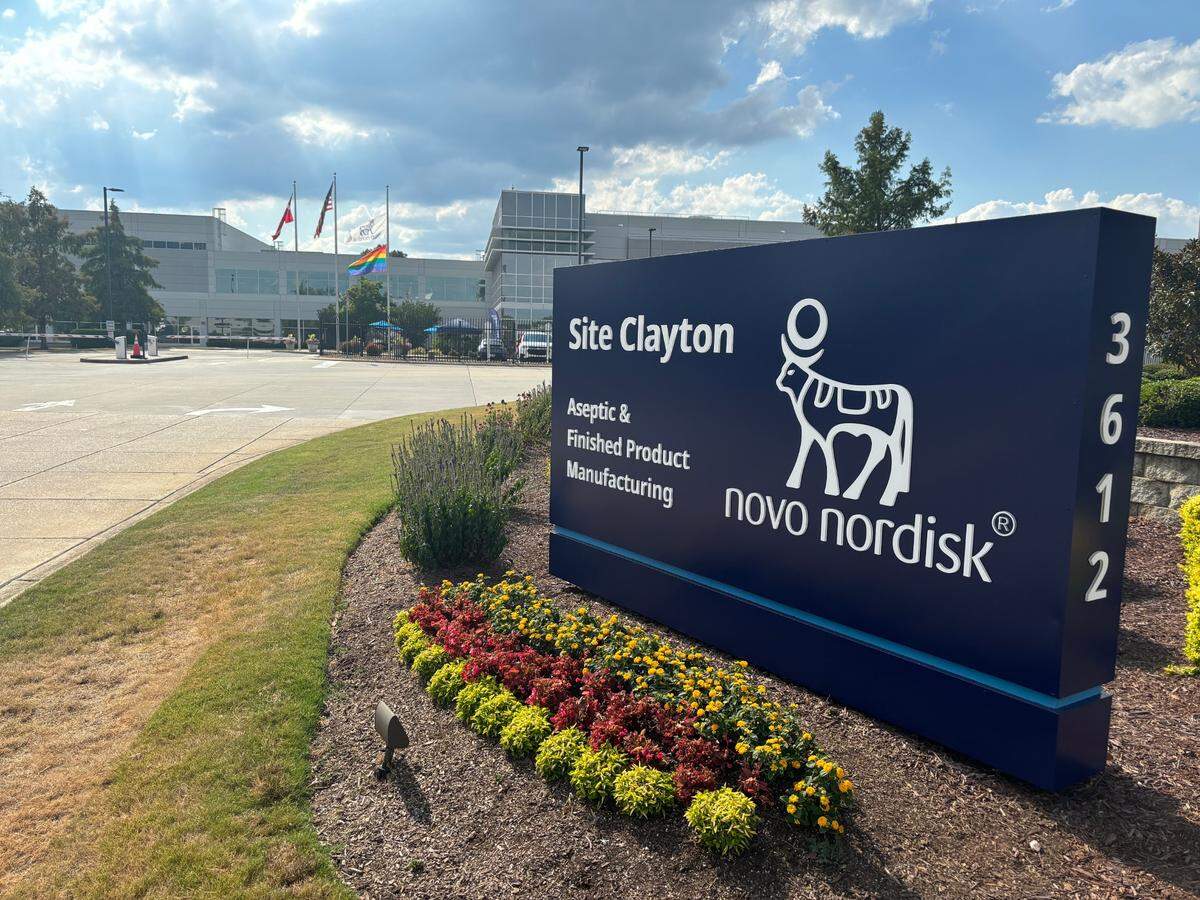
Novo Nordisk packages the GLP-1 injectables Victoza, Ozempic and Wegovy at its 457,000-square-foot facility in the Johnston County town of Clayton, a once sleepy Raleigh bedroom community that has nearly doubled its population over the past 15 years. On this same campus, Novo Nordisk also makes the active ingredient for what is for now (but likely not for long) its only approved GLP-1 pill.
Rivaling Denmark’s Novo Nordisk is the American company Eli Lilly. In 2020, Eli Lilly selected a former GlaxoSmithKline campus in Research Triangle Park for a $474 million factory. Within two years, the company reengaged North Carolina officials about building another plant, this time outside Charlotte in the city of Concord.
Eli Lilly was in a hurry, according to public records obtained by The News & Observer. “The project is progressing on an accelerated schedule,” the N.C. Department of Commerce wrote in its overview of the company’s goals. In December 2021, Eli Lilly informed Commerce staff it was operating on an “aggressive timeline” to secure an economic grant and start building. North Carolina finalized the company’s incentive agreement the following month.
Nearly four years later, Eli Lilly produces its own GLP-1s — Zepbound, Trulicity and Mounjaro — at its mirroring North Carolina factories.
There is no third major GLP-1 producer. Novo Nordisk and Eli Lilly, with their long histories treating diabetes, control this lucrative market. “They’re two of the 800-pound gorillas that have been competing against each other for years, decades in the diabetes and metabolic space,” said Michael DiFiore, an analyst at the New York City investment firm Evercore. “They follow each other very, very closely.”
Eli Lilly followed Novo Nordisk to the North Carolina Triangle. Last year, Novo Nordisk moved into Eli Lilly’s home state of Indiana when it bought the contract drugmaker Catalent.
For a period, the two companies also matched each other’s success on the stock market. Over a four-year period starting in 2020, the share price of Novo Nordisk quadrupled. Eli Lilly’s ballooned by a factor of six. Novo and Lilly during this time rose from being the world’s No. 62 and No. 64 most-valuable public companies, respectively, to No. 14 and No. 10.
Weight loss is a massive market; more than 100 million U.S. adults have obesity, according to the Centers for Disease Control and Prevention, with over 20 million experiencing severe obesity.
“It is hard to express the scale of what has happened here,” said Daniel Friedman, managing director at BroadOak Capital Partners, a Maryland-based investment firm with an office in Raleigh. “You compare GLP-1s to the biggest drugs previously, and the rate of adoption is just an order of magnitude different.”
Eli Lilly takes the lead over Novo
In June 2024, around what would be its peak share price, Novo Nordisk announced the largest-ever private life science investment in North Carolina, a $4.1 billion, 1,000-job expansion that is expected to add 1.4 million square feet of production space. The company had already started construction before it broke the news.
Since that time, Novo Nordisk’s and Eli Lilly’s stocks have stalled, and even plunged in the case of Novo Nordisk. Early this year, Eli Lilly overtook Novo Nordisk for GLP-1 market share. The Danish pharmaceutical company replaced its CEO in August and just this month lowered its forecast for GLP-1 growth.
“Lilly had made the investments as soon as they realized what they had (with GLP-1s) where Novo was kind of asleep at the wheel,” said Evan Seigerman, a BMO Capital Markets analyst who covers both companies.
In September, Novo Nordisk announced it was laying off roughly 11% of its global workforce, a cut that impacted more than 200 employees at its Johnston County campus, according to a source familiar with the action.
It’s not that demand for Novo Nordisk’s Ozempic and Wegovy has evaporated; semaglutide, the active ingredient in both, was the second-best selling prescription drug on earth last year, according to an IQVIA analysis, increasing at a 40% rate. On a Nov. 5 earnings call, Novo Nordisk told investors 3 million more people use its GLP-1s today than last year. But competition remains from illegal knockoffs, and new lawful manufacturers envisage their own Triangle sites, drawn to the area’s burgeoning GLP-1 expertise.
Most of all, experts say, Eli Lilly has simply made a superior weight-loss product, one that hits two cell receptors instead of one. “People remember (Ozempic) on the TikTok shows, but they don’t know Zepbound is much better,” Ro said.
Where does this leave Novo Nordisk’s expansion in Johnston County? And can Eli Lilly maintain rapid growth as it too faces pressures from generic compounders, new entrants and, of course, its Danish chief competitor? These are multibillion-dollar questions. And with the technology still advancing, the weight-loss drugs North Carolina makes today are only the beginning.
Inside Eli Lilly
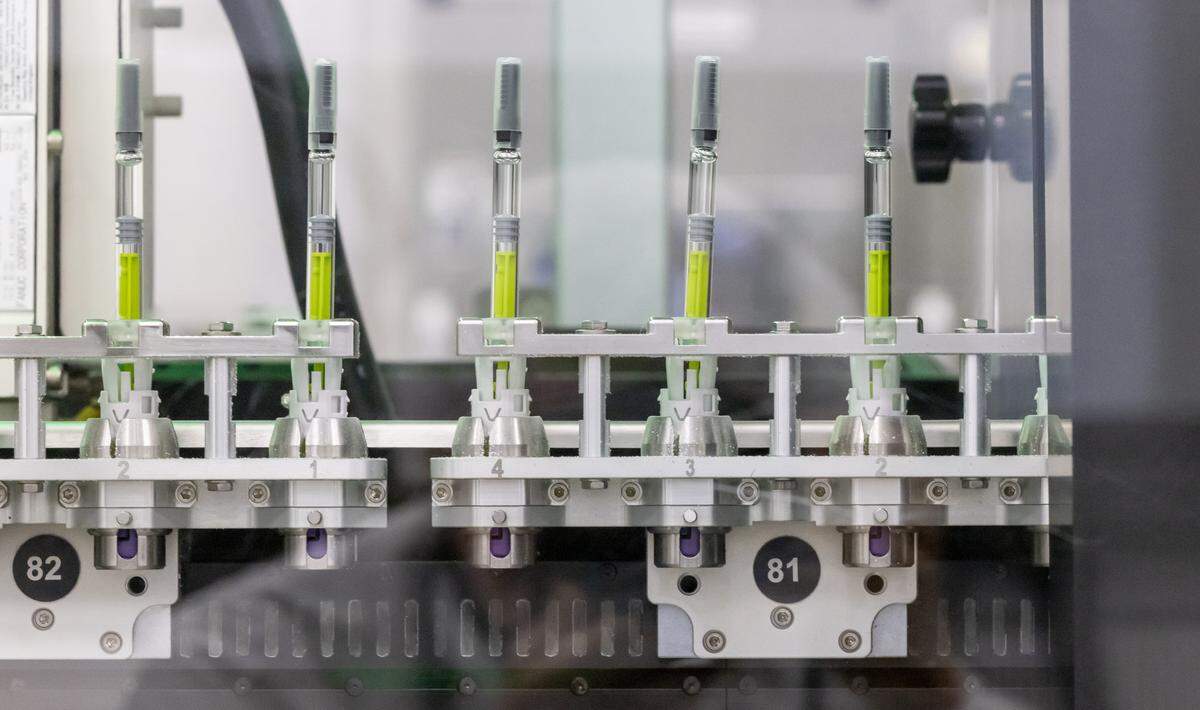
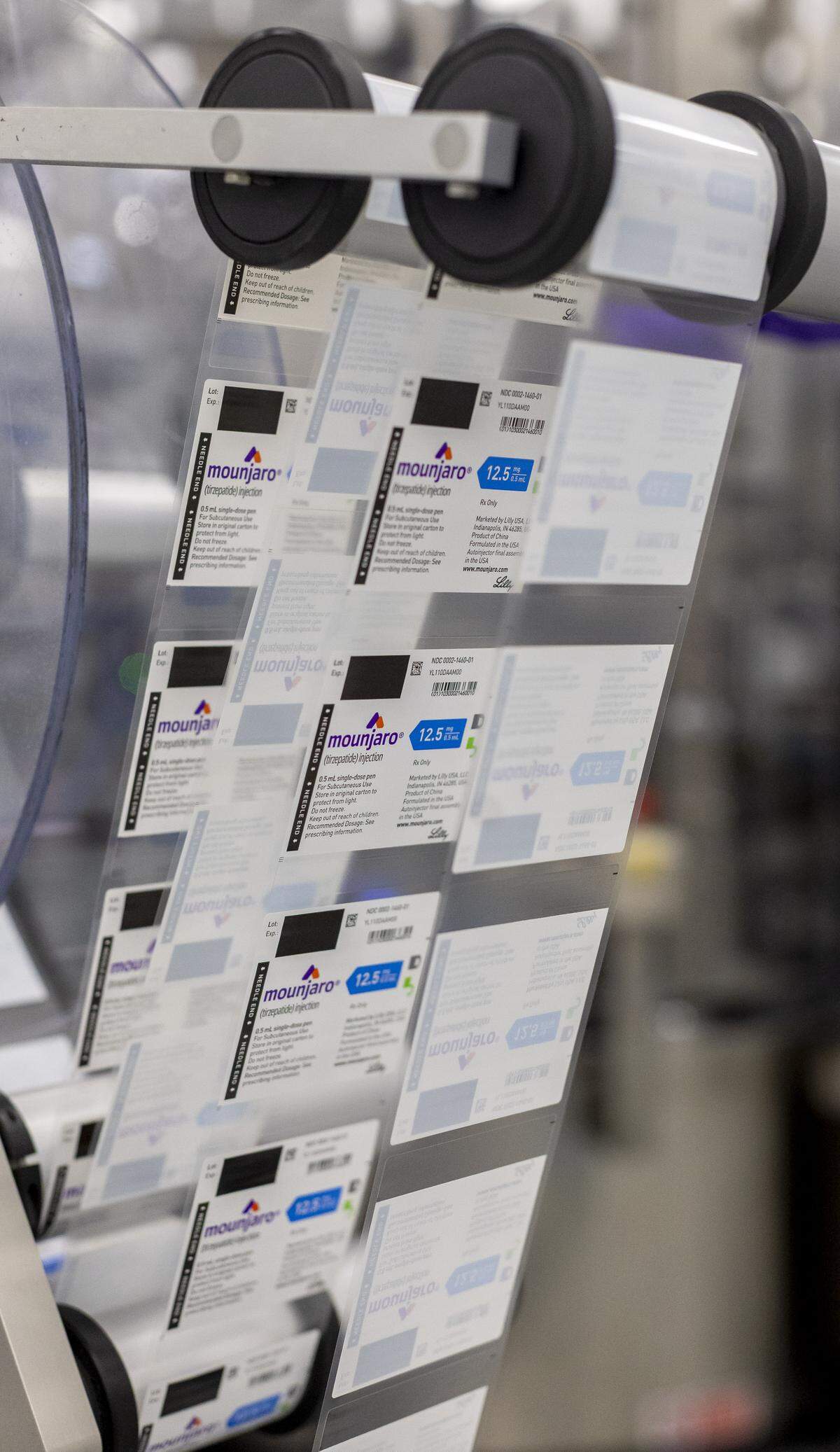
Autoinjectors filled with Mounjaro exited the assembly line in an endless stream.
“We don’t share the production rates or the capacities here,” said Daniel VonDielingen, an Eli Lilly senior vice president of manufacturing. “Suffice to say, there are millions of units of medicine coming down this side alone.”
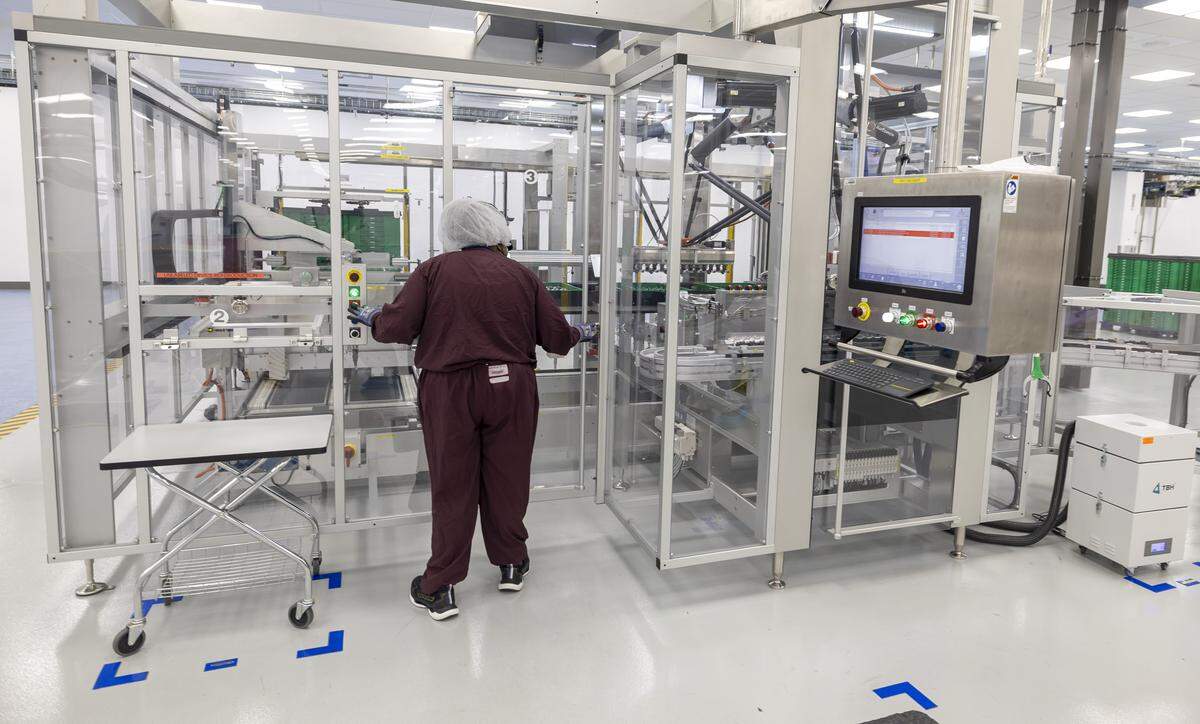
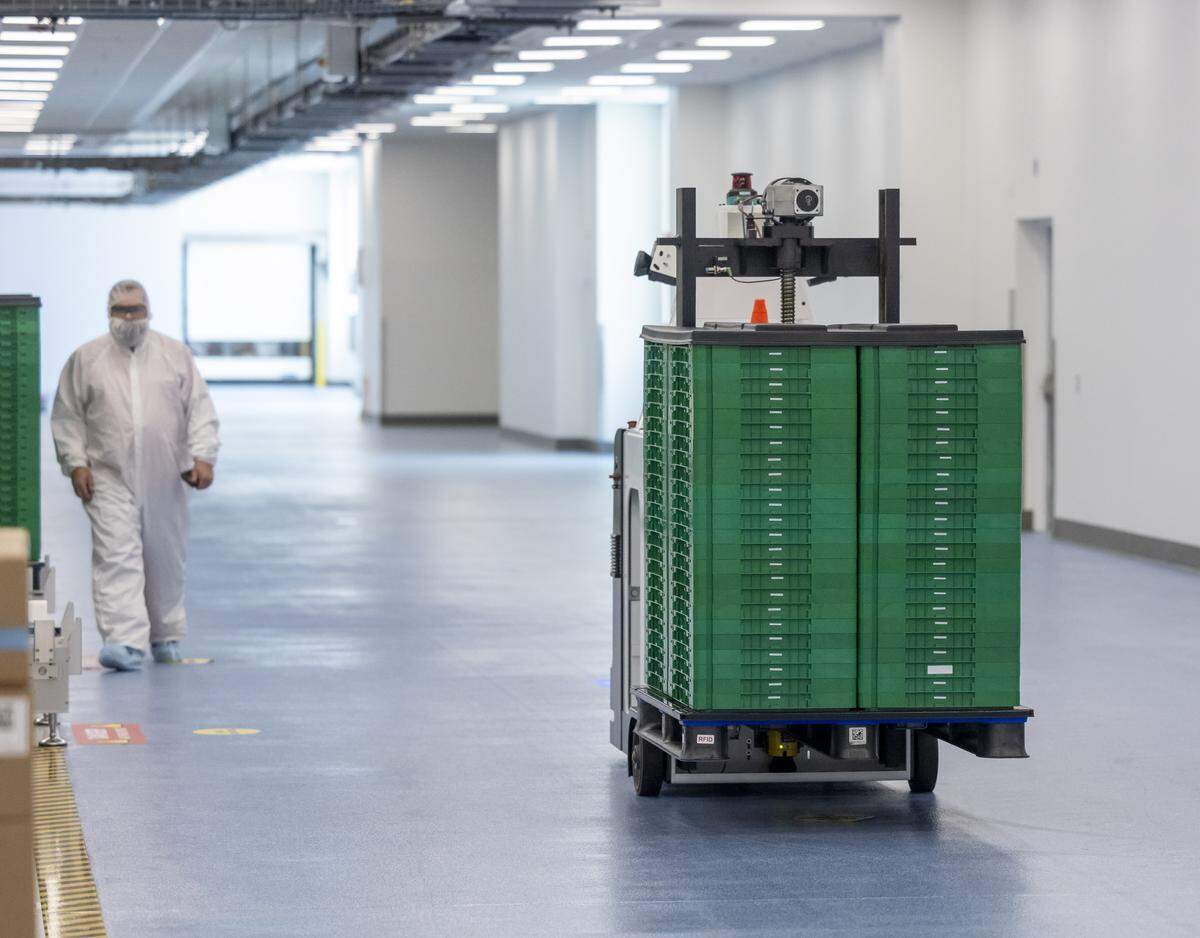
Traveling through the company’s network, active ingredients arrive at this Research Triangle Park plant to be filled into self-administering autoinjectors and packaged. “These lines run really, really fast,” VonDielingen said as the machinery before him assembled injectors. Four were packaged in each carton, a month’s supply of Mounjaro or Zepbound, before robotic vehicles ferried them into a refrigerated, human-free “lights-out” warehouse. Workers monitored real-time metrics on screens as the automation unfolded around them.
It was the last day of July, and this scene was one Eli Lilly had spent nearly a decade creating. In 2016, the company patented tirzepatide, a dual GLP-1 and glucose-dependent insulinotropic polypeptide (GIP) that mimics two natural hormones. At first, Eli Lilly only told the public it was developing tirzepatide to treat people living with Type 2 diabetes. But investors wanted something more.
“A diabetes drug pales in comparison to (the profit) you get from an obesity drug, and that really wasn’t front and center in the conversation,” said Seigerman, who heads health care research at BMO. Then, during an earnings call in 2019, Eli Lilly disclosed it also had tirzepatide in trials to combat obesity.
“We knew in the 2020 timeframe that we had the product called (tirzepatide) on the horizon,” VonDielingen told The N&O while giving a tour of the RTP campus. “The demand for our products was quite large, and so we needed to make sure that we were able to build the manufacturing footprint to be able to reliably supply that medicine to our patients. So that’s really why we built this site here.”
The FDA approved the first tirzepatide medication, Mounjaro, in May 2022. The next year, the federal agency approved Zepbound, an identical active ingredient designated to manage obesity.
“Tirzepatide from Eli Lilly targets both the GLP-1 and GIP receptors, while semaglutide (from Novo Nordisk) targets only the GLP-1 receptor,” said Calvin Aubrey, a senior associate at BroadOak Capital Partners. “Tirzepatide’s technology, frankly, is more advanced.”
NC Triangle: An obesity drug manufacturing magnet
In January 2020, Eli Lilly announced it would build a nearly half-billion-dollar manufacturing plant just inside the northern edge of Research Triangle Park. It had previously operated a smaller RTP lab but nothing to this scale.
Eli Lilly grew its North Carolina footprint alongside its Mounjaro and Zepbound prescription figures. In January 2023, the company committed to spending another $450 million at its Research Triangle Park site. A year earlier, the drugmaker had announced plans to build a replica factory outside Charlotte, telling state economic officials this facility would produce injectables for both U.S. and international markets in roughly equal measures.
For these projects, North Carolina has awarded Eli Lilly close to $21 million in performance-based incentives, with local incentives surpassing $90 million. Eli Lilly says it has hired more than 1,500 workers and spent more than $4 billion to date between its Research Triangle and Concord sites.
Selecting Research Triangle Park for its first North Carolina plant made sense. “These are highly specialized facilities,” Seigerman said. “You need folks that really understand bioprocesses, good manufacturing practices, right? It’s high-tech manufacturing.”
Greater Raleigh has been a magnet for large-scale pharmaceutical manufacturing, drawn by the region’s workforce, construction expertise, available land and affordable energy. This includes the oldest U.S. production site from Eli Lilly’s top competitor, Novo Nordisk, which makes its own GLP-1s in Johnston and Durham counties. “Our goal is to not take employees from other companies, right?” VonDielingen said. “It’s really to grow the talent and grow the pipeline.”
LinkedIn profiles show at least a few dozen Triangle-area employees have jumped from Novo Nordisk to Eli Lilly since the latter arrived, with others moving from Eli Lilly to Novo Nordisk and still more hopping among the two companies and a third local drug manufacturer like Fujifilm Biotechnologies, Merck, Pfizer or Kyowa Kirin.
Additional jobs are promised. In August, the Roche subsidiary Genentech broke ground on a factory in the Wake County town of Holly Springs. There, the company says it will make its inaugural GLP-1 injectable drug, which it is still developing. The presence of Novo Nordisk and Eli Lilly attracted the drugmaker, a Genentech executive told The N&O, as the region’s community colleges already tailor training programs to this type of manufacturing (funded by donations from the two leading GLP-1 makers).
Amgen, which this year opened a campus directly across the street from Genentech in Holly Springs, is also developing an obesity treatment. “We don’t share where specific medicines are made,” a company spokesperson told The N&O.
Eli Lilly’s Queen City surprise
If RTP was obvious, then the location of Eli Lilly’s second North Carolina campus was an outlier. “For a lot of years, a lot of these biopharma projects didn’t really consider stuff west that much, particularly around Charlotte,” said Bill Bullock of the North Carolina Biotechnology Center.
According to its grant application to the N.C. Department of Commerce, Eli Lilly initially considered 15 sites across North Carolina and Indiana for this new injectables facility. Recruiting pharmaceutical workers around Charlotte could be difficult, the company noted as it asked for state tax breaks, but the dearth of industry employers also made the state’s largest city “a favorable competitive hiring market in comparison to the more established biomanufacturing clusters.”
“It really opens up the area now to these types of projects,” Bullock said of Eli Lilly’s move into Concord.
Prior to Eli Lilly’s arrival to North Carolina, the company only operated U.S. manufacturing sites in Indiana, New Jersey, and Puerto Rico. Its recent expansion has not ended with the Tar Heel State. Last year, the company committed to spending $3 billion to enlarge a Wisconsin facility, and in February, it announced it would invest $27 billion to build four new U.S. factories.
There’s little mystery which class of medication is propelling these projects. While Eli Lilly’s drug lineup includes treatments for cancer, Crohn’s disease and mental disorders, Zepbound, Mounjaro and its incoming GLP-1 weight-loss pill named orforglipron are steering investments. As of September, Mounjaro exceeded 640,000 weekly prescriptions in the United States while Zepbound approached 470,000, according to data from the Durham-based health care analytics company IQVIA, which Eli Lilly posted in August.
Its Research Triangle Park campus has room for expansions, too.
A tour of Novo Nordisk’s record factory
Novo Nordisk didn’t look like a company in distress on a morning in late October.
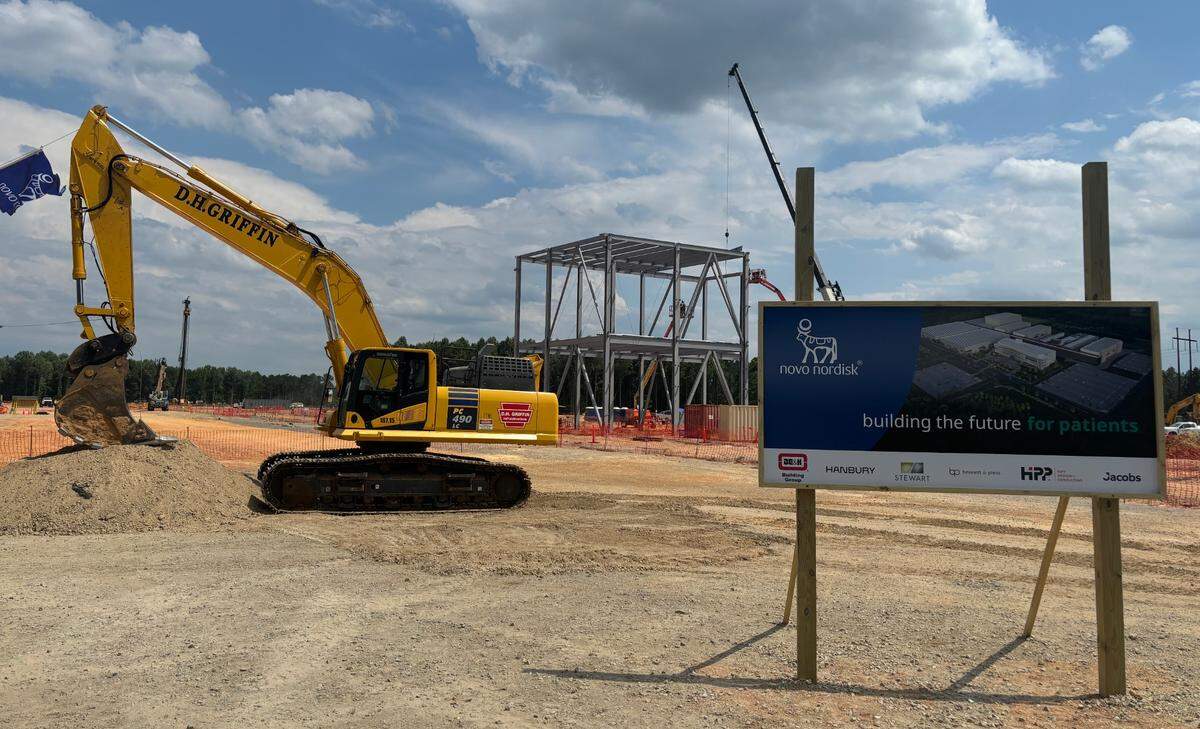
One end of its Clayton campus was busy with workers in neon vests and hard hats building the most expensive pharmaceutical facility in state history. By winter, the company expects this local construction effort will reach 3,000 people — a mini-city in Johnston County running six days a week behind the company’s bull-and-sun logo.
Across the street, the company fills and finishes GLP-1 pens and insulin vials inside its original North Carolina factory. This was Novo Nordisk’s first foreign manufacturing site when it opened in 1993.
And between its original and future Clayton injectables factories, Novo Nordisk houses the company’s only active pharmaceutical ingredients facility outside of Denmark. There, the company inoculates, incubates and ferments cells into a white powder, which Novo Nordisk then ships to its north Durham facility to turn into pills.
For now, the only pill Novo Nordisk makes in the Triangle is the GLP-1 diabetes treatment Rybelsus. But the company is positioned to convert these facilities to produce the Wegovy pill once the FDA green lights it, which Novo Nordisk anticipates happening before the end of this year.
More than Eli Lilly, Novo Nordisk has concentrated its U.S. operations in the Research Triangle. The company is the largest private employer in Johnston County, topped only by the local school district. And all four of its area facilities are equipped (or will be equipped) to produce obesity drugs — today’s injectables and tomorrow’s pills.
“They’re the highest paying private company of that size that’s out there,” Johnston County Economic Development director Chris Johnson said. “And when you’ve got individuals here in Johnson County that may not have anything but a high school education and a certificate from a community college, being able to make $70-, $80-, $90,000-a-year, that’s huge.”
Johnson remembers when Novo Nordisk only had a few hundred local employees, a figure that soared after 2015, when the company committed to hiring 700 workers at its first foreign active pharmaceutical ingredient plant. Then, in June 2024, it promised 1,000 more Clayton jobs.
On these headlines alone, Novo Nordisk would appear to be surging. And rapid GLP-1 adoption has been a boon. Why then do industry experts say the company has missed an opportunity?
Oh, oh, oh Ozempic
Novo Nordisk, the world’s largest insulin maker, patented the world’s first obesity injectable treatment in late 2014. Named Saxenda, the daily-use drug provided modest weight loss but did not become a sensation.
But the effects of GLP-1s were garnering attention. In 2016, the American Association of Clinical Endocrinologists issued guidelines for doctors to prescribe these diabetes treatments off-label to combat obesity.
“Other physicians would say, ‘You know, this is a lifestyle disease, a lifestyle choice. What are you doing? You’re treating it with another medicine?,’ said Ro of UNC Health. “Well, I started prescribing it. Oh my gosh. We were having patients lose a significant amount of weight on this new regimen.”
The next year, the FDA approved Novo Nordisk’s first semaglutide, a new GLP-1 that provided even greater weight reductions. The company branded this drug Ozempic.
Soon came the jingle. In 2018, Novo Nordisk debuted an Ozempic commercial set to the tune of “Magic” by the Scottish band Pilot, and with its catchy “oh, oh, oh,” chorus, Ozempic was on its way to becoming a brand synonymous with a sector, like Kleenex for facial tissues. Its virality took off during the pandemic, fueled by unofficial celebrity endorsers and a litany of TikTok influencers. Today, Google searches for Ozempic still outpace those for Wegovy, Zepbound and Mounjaro in the United States, though Eli Lilly’s Zepbound has closed the analytics gap.
In 2022, the FDA approved Wegovy, giving Novo Nordisk a semaglutide officially designed to treat obesity. Zepbound wasn’t approved until the following year. But being first has not protected Novo Nordisk’s lead. Last December, Eli Lilly published data showing Zepbound crushed Wegovy in a head-to-head trial, delivering more than 20% average weight loss to Wegovy’s 13.7%.
“Our industry spends hundreds of millions of dollars to get drugs that are 2% better,” said Daniel Friedman of BroadOak Capital. “This was so much better.”
Battling knockoffs: ‘It’s like the wild west’
Providers have responded to the clinical results. During a Nov. 5 earnings call, Novo Nordisk lowered its revenue targets due to slower “growth for our GLP-1 treatments in diabetes and obesity.”
“The outlook is based on current prescription trends for Wegovy and Ozempic as well as intensifying competition and pricing pressure within both diabetes and obesity,” Novo Nordisk chief financial officer Karsten Knudsen told investors.
According to the company, Wegovy had approximately 270,000 weekly prescriptions at the end of the most recent quarter, down from 280,000 three months earlier. Weekly Ozempic prescriptions, it informed investors this month, are around 670,000 compared to 690,000 in the spring.
What led Novo Nordisk to fall behind? For nearly 100 years, the company had focused on treating diabetes; some analysts perceive it was slow to recognize the weight-loss drug wave. “That’s why the CEO Lars Jorgenson was let go,” BMO’s Evan Seigerman said.
In addition to battling each other, Novo Nordisk and Eli Lilly have also contended with GLP-1 knockoffs. From 2022 until February of this year, Novo Nordisk’s Ozempic and Wegovy were on the FDA shortage list, meaning compound drugmakers could legally produce generic versions. Mounjaro and Zepbound got off the shortage list four months earlier.
Though generic compounders are now illegal, each company still wrangles with them. Novo Nordisk has issued cease and desist letters to GLP-1 compounders, and in September, the FDA sent warning letters to more than 50 GLP-1 makers. “It’s like a game of whack-a-mole,” Seigerman said.
Loopholes persist. Compounded drugs, the FDA states, “should only be used in patients whose medical needs cannot be met by an FDA-approved drug.” This has incentivized some manufacturers to add vitamins like B12 to active ingredients they purchase from China to personalize GLP-1s and skirt regulations.
“Regrettably, Novo Nordisk market research shows that compounding has continued to increase,” the company’s executive vice president of U.S. operations David Moore said on the Nov. 5 earnings call. He estimated more than 1 million people in the United States are now on compounded GLP-1s.
“It’s the wild, wild west,” said Ro, who became the director of the UNC Physicians Network Weight Management Program.
One GLP-1 battle after another
Squeezed by Eli Lilly and compounders, a share of Novo Nordisk today sells for around $49, almost $100 less than its peak price in June 2024. In September, the Danish drugmaker announced 11% global layoffs, with roughly the same percentage impacting its Johnston County workforce.
“Over the past years, Novo Nordisk’s rapid scaling has increased organizational complexity and costs,” the company wrote in a statement at the time of the layoffs. “The transformation aims at addressing that complexity.”
There is still cause for optimism within Novo Nordisk. Analysts say new CEO Maziar Mike Doustdar must match the market aggressiveness of his Eli Lilly counterpart David Ricks. And it will be difficult for a third GLP-1 maker to build up the infrastructure of this duopoly. Novo Nordisk expects production at its larger Clayton injectables facility to begin in 2027 and scale up through the rest of the decade.
“We are fully committed to our $4.1 billion Clayton expansion, one of the largest in Novo Nordisk’s history,” company vice president Niels Laurbjerg said in a statement to The N&O. Novo Nordisk’s media team also noted that if approved, its Wegovy pill will be the only GLP-1 made “end-to-end in America.”
If Wegovy and Zepbound were a battle, the next generations of injectable weight-loss drugs — and the forthcoming pills — could be a more consequential war. Novo Nordisk this month presented data indicating its Wegovy pill can lower cardiovascular risks.
Eli Lilly has more moves, too, and each company struck pricing deals with the Trump administration on Nov. 6 for their weight-loss drugs. “Neither one of these companies or these franchises can exist in a vacuum,” Seigerman said. “They actually kind of need each other to keep pushing the space forward.”
As they’ve advanced, North Carolina has seen more campuses, more jobs, and more dollars. And patients have more options. “I think it’s a wonderful time in history if you’re struggling with weight,” Ro said.
And there’s a decent chance the medications she prescribes patients didn’t have to travel far.
This story was originally published November 12, 2025 at 5:30 AM with the headline "Heavy weights: North Carolina is at the heart of a great American obesity drug race."