Tariffs are starting. Here’s how experts say they could impact NC industries, cause layoffs
Editor’s note: This story was originally published on Tuesday, March 4. Some information may be outdated.
As China, Mexico and Canada prepare for President Donald Trump’s tariffs to go into effect, businesses in North Carolina could be affected by the additional tax.
A tariff is a tax applied by governments on imported goods, according to the International Trade Administration.
President Trump’s tariffs of 25% on Canada and Mexico, as well as an additional 10% tariff on Chinese goods, went into effect Tuesday, March 4, ABC News reported.
After talks with Ford, General Motors and Stellantis, Trump announced on March 5 a one-month exemption on new tariffs on imports from Mexico and Canada for U.S. automakers, The Associated Press reported.
On March 6, Trump announced that tariffs on some imports from Mexico and Canada would be delayed until April 2.
Tariffs on Canada and Mexico were announced in February but delayed one month while the countries worked with the U.S. on issues regarding border security and drug trafficking, The News & Observer previously reported.
Once tariffs on imported products from Canada and Mexico went into effect, Canadian Prime Minister Justin Trudeau announced a 25% retaliatory tariff on $155 billion of American goods. Mexico President Claudia Sheinbaum said Tuesday, March 4, that she planned to announce details about retaliatory tariffs on U.S. goods on Sunday, March 9, The Associated Press reported.
In early February, China set 15% tariffs on coal and liquefied natural gas products and a 10% tariff on crude oil, agricultural machinery and large-engine cars imported from the U.S., The Associated Press reported.
Here’s how North Carolina’s businesses and residents may be affected by tariffs.
How will tariffs impact NC?
Possible retaliatory tariffs placed on U.S. exports could affect American businesses.
“We would see demand for those goods probably go down, because with a higher price, people would buy less of them,” said Robert Handfield, a distinguished professor of supply chain management at North Carolina State University.
A drop in sales could lead to a decline in revenue for those companies, Handfield said. In turn, jobs may be lost.

But tariffs meant to bolster U.S. industries against foreign competition may also have a negative effect on employment, said Andrew Greenland, an assistant professor of economics at NC State.
If the U.S. puts a tariff on Chinese steel, for example, Chinese steel will likely become more expensive for U.S. consumers. But U.S. steel manufacturers may also, like their foreign competitors, raise prices, Greenland said.
That may result in a rise in employment for U.S. steel manufacturers of the good. But steel, which is used in industries including construction and manufacturing, has become more expensive. If companies can’t afford higher prices, projects may stall, and fewer employees may be needed.
Tariffs — or even the threat of tariffs — can hinder economic growth more broadly, economists say. Retaliatory tariffs specifically would likely result in higher inflation rates and lower gross domestic products in Canada and the U.S., according to the Pierson Institute for International Economics.
“The bigger concern that economists have is that when you look at historical precedents for the imposition of significant tariffs, and those tariffs are kept for for a serious period of time, that tends to slow economic growth,” NC State economist Mike Walden told The Charlotte Observer. “In fact, many economists make an argument that the 1930s Depression was at least in part influenced by the fact that most countries imposed tariffs.”
Which NC industries could be affected by retaliatory tariffs?
In 2023, North Carolina exported $7.7 billion in goods to Canada and $5.8 billion to China, according to the Office of the U.S. Trade Representative.
Any North Carolina-produced goods that fall under the categories included in Canada and China’s tariff lists would be taxed.
Canada said it would place tariffs on many agricultural products including:
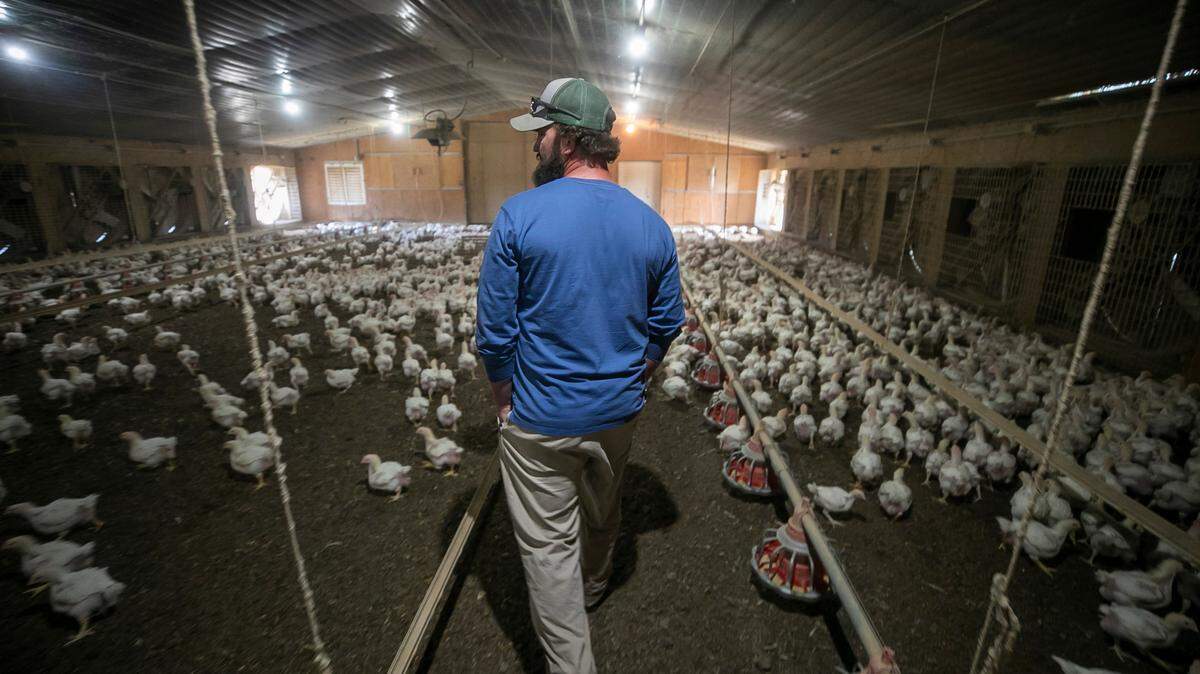
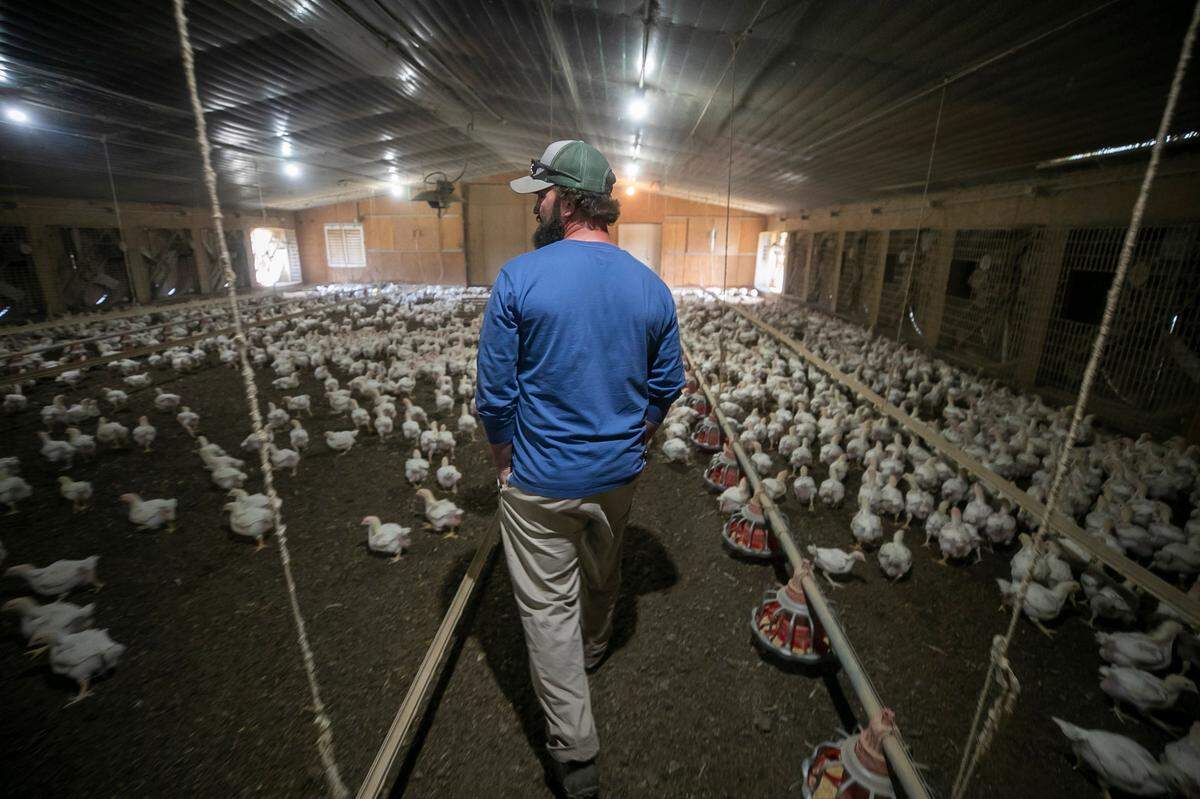
- Chicken and turkey meat
- Tobacco, cigarettes and cigars
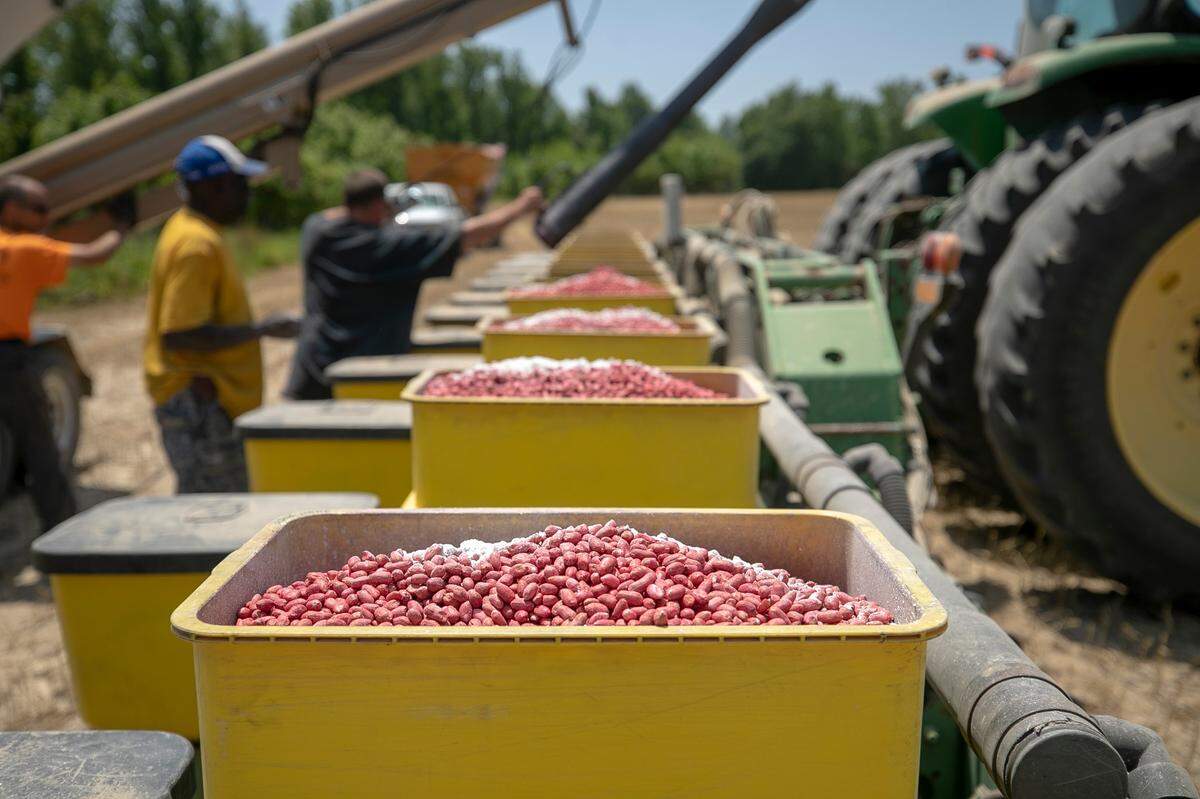
- Peanuts
These products generate some of the highest income streams among North Carolina’s farms, according to a 2023 report from the North Carolina Department of Agriculture. The state exported nearly $400 million worth of agricultural products to Canada alone in 2023, according to Canada’s Department of Agriculture.
Many types of furniture, also on Canada’s tariffs list, are produced in North Carolina, which is home to the world’s largest furniture trade show. Ashley Furniture has a manufacturing and distribution facility in Advance in Davie County, and Kincaid Furniture was founded in North Carolina in 1946.
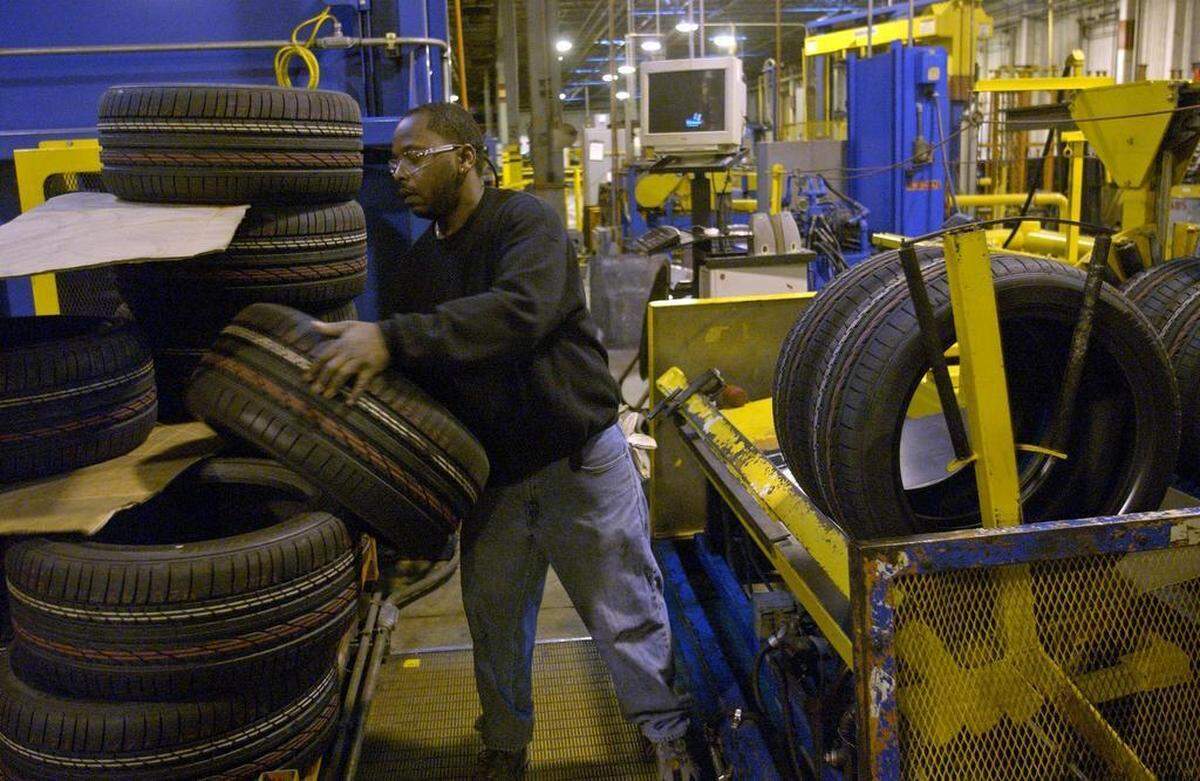
Motor vehicle parts, including tires, are subject to Canada’s tariffs. Bridgestone’s facility in Wilson, for example, manufactures passenger and light truck tires.
North Carolina items on Canada’s retaliatory tariffs list
Here are some other NC products that might be affected by possible retaliatory tariffs from Canada:
- Motor vehicle and aircraft parts
- Compressors and pumps
- Iron and steel alloys
- Produce
- Nuts
- Baked goods
- Poultry
- Sausages and other preserved meats
- Furniture
- Plastics
- Textiles
This story was originally published March 4, 2025 at 7:00 AM with the headline "Tariffs are starting. Here’s how experts say they could impact NC industries, cause layoffs."