Walgreens will close locations in the Triangle. Here’s where (+ each store’s last day)
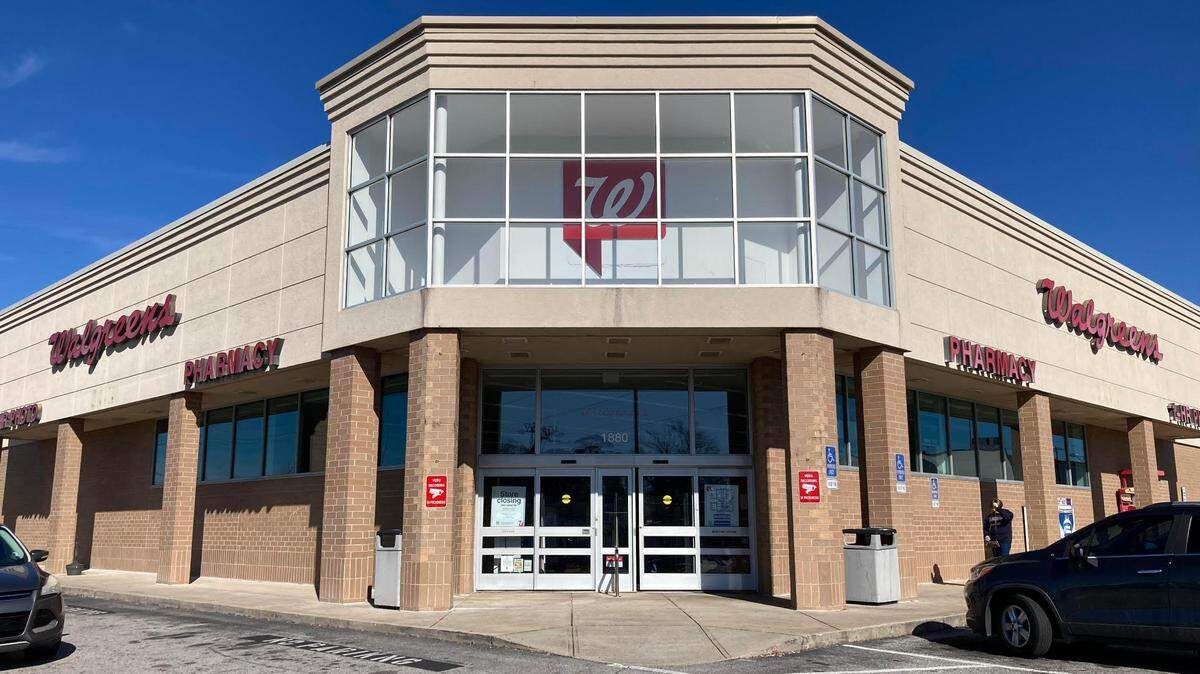
Walgreens is closing about 1,200 stores across the United States, and the Triangle will not be spared.
Two stores in Wake and Durham counties are going to close soon, Triangle Business Journal reported.
They are among the 500 stores expected to shut down in the company’s fiscal year 2025 (which ends in August), with hundreds more closing in the next few years, the company said in an October 2024 earnings report.
Walgreens has not shared a list of stores slated for closure.
Closing stores is one way Walgreens is working to cut costs. The company reported that it lost $14.1 billion in its 2024 fiscal year, an increase of 104.5% from the previous year’s loss.
Here’s what we know about the Triangle closures.
Which Walgreens locations in the Triangle will close?
One store each in Raleigh and Durham is closing:
- Raleigh: 8385 Creedmoor Road (scheduled to close March 18)
- Durham: 710 Fayetteville St. (scheduled to close March 25)
There are around 100 Walgreens stores in the Triangle, according to the company’s website.
“Our retail pharmacy business is central to our go-forward business strategy,” Walgreens said in a statement emailed to The News & Observer. “However, increased regulatory and reimbursement pressures are weighing on our ability to cover the costs associated with rent, staffing, and supply needs. ... We intend to redeploy the majority of our team members from those stores that we close.”
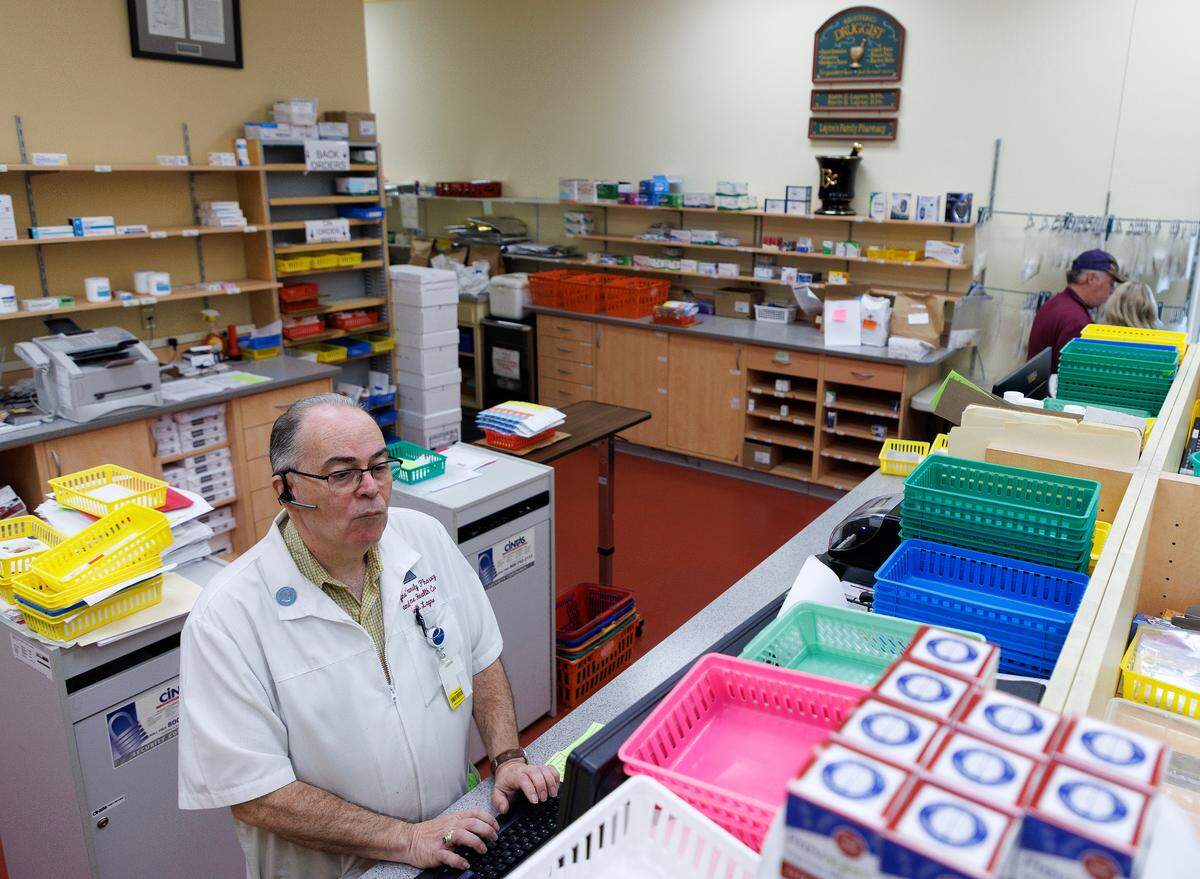
Other Walgreens stores in Georgia, Illinois and California were scheduled to close in February, news outlets reported.
Why are the Walgreens stores closing?
In its fiscal year 2024 earnings report, Walgreens reported that it was facing “a challenging U.S. retail environment” and “net reimbursement pressure.”
“In fiscal 2025, we are focusing on stabilizing the retail pharmacy by optimizing our footprint, controlling operating costs, improving cash flow, and continuing to address reimbursement models to support dispensing margins and preserve patient access for the future,” Tim Wentworth, the CEO of Walgreens’ parent company, Walgreens Boots Alliance, said in the earnings report.
Walgreens is not the only pharmacy to struggle because of declining prescription reimbursements by large insurance plans.
Since 2022, The News & Observer previously reported, 100 of North Carolina’s community pharmacies have closed. Hundreds more closed across the country in 2023 alone.
How do prescription reimbursements factor in?
Pharmacy benefit managers, or PBMs, determine which medications are covered by insurance plans and how much policyholders and insurance plans pay for medications.
The three largest PBMs in the U.S. — OptumRx, CVS Caremark and Express Scripts — manage 80% of prescriptions filled in the country, according to a July 2024 report from the Federal Trade Commission. All three of these PBMs are owned by or closely associated with an insurance company and a network of its pharmacies.
Walgreens is not affiliated with any of the three largest PBMs.
PBMs negotiate with drug manufacturers. In exchange for a payment given by the manufacturer to the PBM each time a drug is prescribed, the PBM places the particular drug on its formulary, the list of drugs covered by an insurance company.
The payment is called a rebate, and PBMs say a portion of those rebates are passed on to health plans paying for the drug.
But because of the way PBMs report rebates to health companies, it’s unclear what rebate PBMs negotiate for individual drugs. Also, health plans may not know whether the money received from PBMs is less than the amount paid to the PBM by the manufacturer.
Pharmacies don’t decide what they are paid for the prescriptions they dispense, The N&O previously reported. And the FTC found that PBMs sometimes reimburse their own pharmacies at higher rates than unaffiliated pharmacies for the same drug.
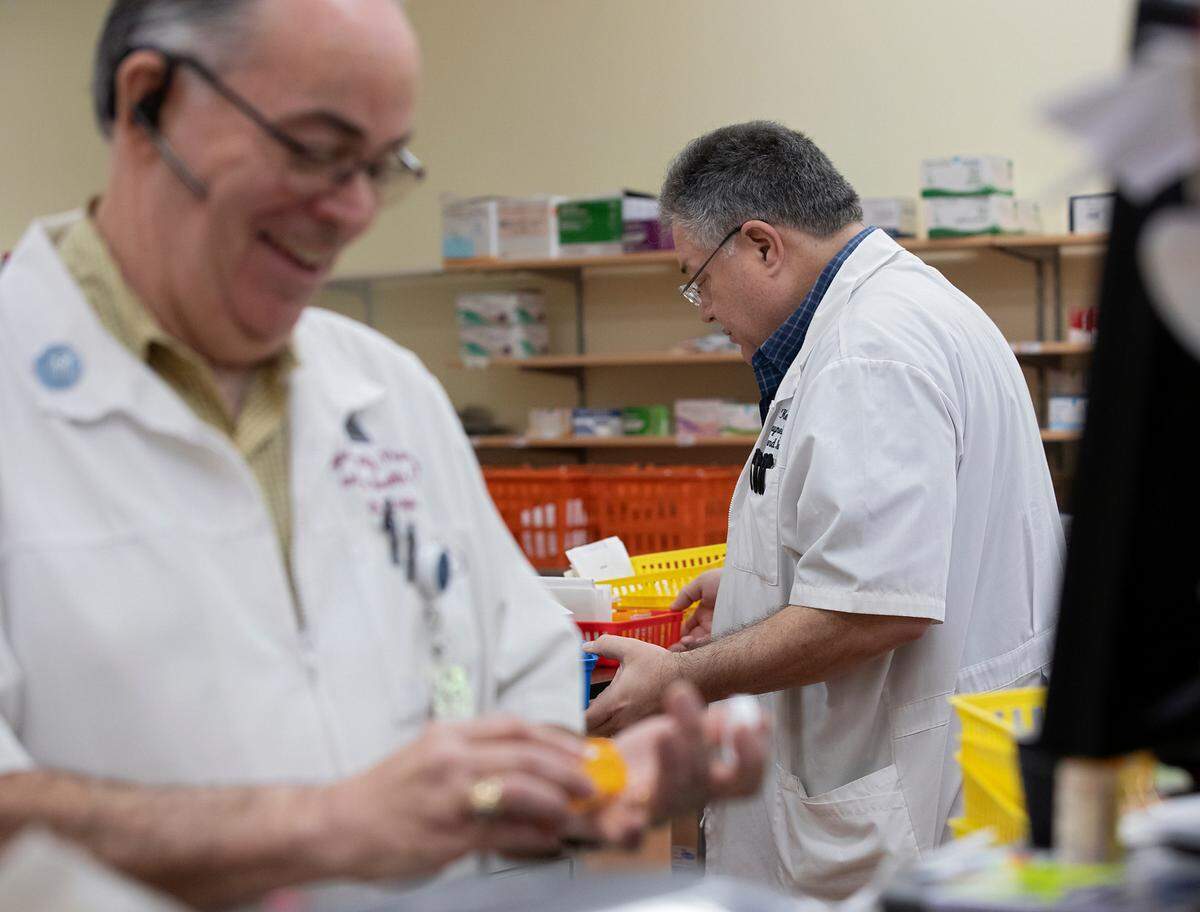
Dispensing fees cover pharmacist salaries, the cost of staying in business and bottles used to dispense prescriptions. When dispensing fees decrease, pharmacies suffer.
Reporting by Freya Gulamali, a former intern with The News & Observer, contributed to this story.
This story was originally published February 26, 2025 at 2:32 PM with the headline "Walgreens will close locations in the Triangle. Here’s where (+ each store’s last day)."