Autopsy adds twist to Nash County worker’s death at farm owned by NC senator’s family
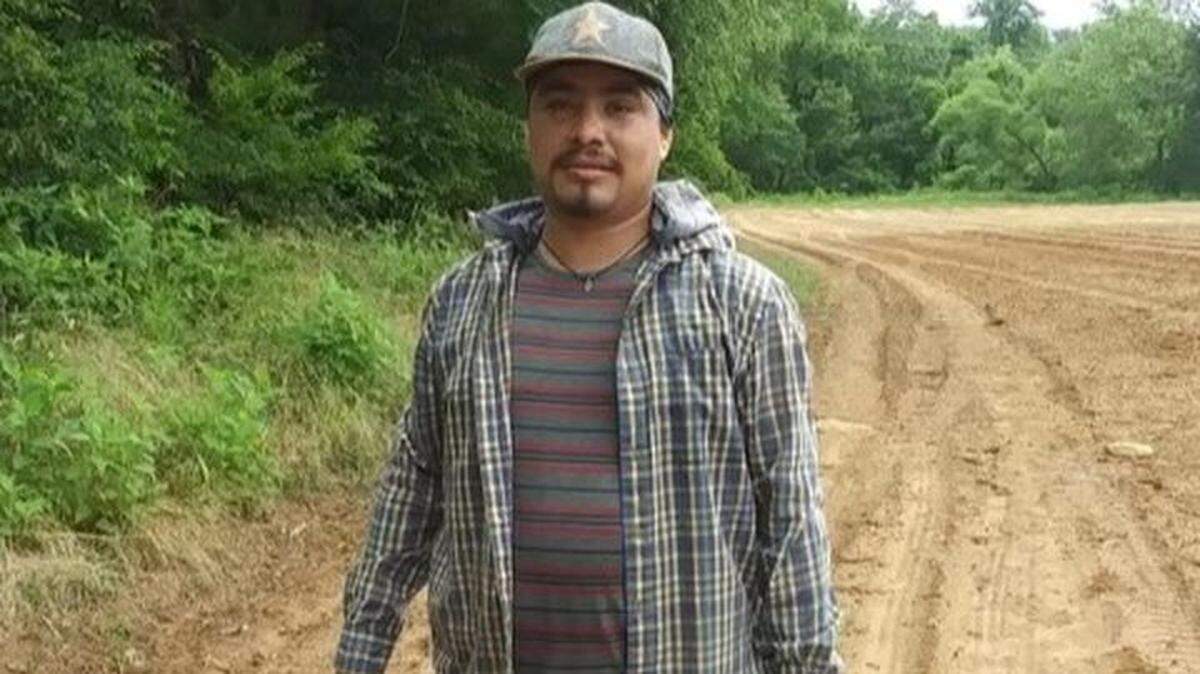
On Sept. 5, 2023, José Arturo Gonzalez Mendoza fell to the ground while harvesting sweet potatoes at a commercial farm in Spring Hope, a Nash County town about 40 miles east of Raleigh. Within minutes, he appeared unconscious.
According to an N.C. Department of Labor investigation, Gonzalez Mendoza collapsed around 9:50 a.m., a time when the local heat index was 88 degrees Fahrenheit. Over the next 50 minutes, fellow workers at Barnes Farming Corp. moved him to different areas — a bus, an overturned bucket, and the bed of a pickup truck — as the heat index reached 93 degrees.
At 10:42 a.m., an employee called 911. In a recording of the call obtained by The News & Observer, a worker told the dispatcher: “I have a guy that ... he just passed out. We’re picking sweet potatoes, and it’s hot out here.” A second 911 caller minutes later reported a “sweet potato harvester with possible heatstroke.”
When Nash County emergency services arrived, they noticed Gonzalez Mendoza exhibited “signs of heatstroke,” including “dry, hot skin” but cold fingers and toes. He had suffered cardiac arrest and was pronounced dead at 11:37 a.m.
Gonzalez Mendoza was a 30-year-old migrant worker on a temporary H-2A agricultural visa who had arrived in Eastern North Carolina from Central Mexico 11 days earlier.
His seemed to be a heat-related death. But then came an autopsy that cast doubt on that conclusion, with implications for a state investigation of a large and influential employer.
The state investigation
The day after he died, Sept. 6, an NCDOL compliance officer inspected the farm.
Family-run since the 1960s, Barnes Farming boasts being the world’s largest sweet potato producer. The company also grows peanuts, wheat, tobacco, watermelon and persimmons across 21,500 acres. Its president, Johnny Barnes, is the husband of state Sen. Lisa Barnes, a Nash County Republican.
In March, the state charged Barnes Farming with two workplace safety violations. The first citation, which NCDOL deemed “willfully serious,” carried a maximum $156,259 penalty. The violation found “employees were exposed to heat-related hazards associated with working in hot environments.”
The investigation noted employees had one scheduled 5-minute break during a 6-hour workday, took breaks in a bus without air conditioning, and drank water from under a spigot due to a lack of cups. NCDOL’s investigation states new migrant H-2A workers were not given a period to acclimate to the heat, nor did the company train workers on “reporting emergencies, first-aid procedures and procedures for dealing with symptoms of heat-related illnesses.”
Barnes Farming previously entered an informal settlement with the department, in May 2020, following a separate complaint. In that settlement, the farm had agreed to take many of the same heat-mitigation actions NCDOL found lacking the day Gonzalez Mendoza died.
NCDOL levied a second citation against Barnes Farming in March, for exposing workers “to a lack of timely emergency medical care.” This “serious” charge carried a $31,250 penalty.
Barnes Farming appealed the violations, and in May denied nearly all of NCDOL’s findings in its official response. Two weeks ago, a lawyer representing Johnny Barnes shared a piece of evidence he believes torpedoes the state investigation: Gonzalez Mendoza’s autopsy report.
‘Predicated upon a false assumption”
The state-certified autopsy concluded Gonzalez Mendoza died not of a heat-related illness, but from a cardiac event linked to an undiagnosed rare neuroendocrine tumor called pheochromocytoma.
“You cannot exclude weather totally,” Dr. Anuradha Arcot, the Jacksonville, N.C.-based pathologist who examined Gonzalez Mendoza, told The N&O. “But there was no dehydration to the point that only that would have caused the decease.”
Arcot said the symptoms of pheochromocytoma can resemble heatstroke. “It’s arrhythmia, they might be lightheaded,” she said. “They just need to sit down kind of a feeling. If you are too hot, you have the same thing.”
To Barnes attorney James Payne, the autopsy invalidates the state’s core contention.
“The whole investigation and alleged citations are predicated upon a false assumption that Mr. Mendoza died of heat stress or heat exhaustion,” he said in a phone interview. “It’s just important for Barnes Farming and President Barnes and Sen. Barnes as well that the story be told, because the story that has generated until now is that he died from heat exhaustion or heat stress or heat-related conditions at the farm, and that is just false.”
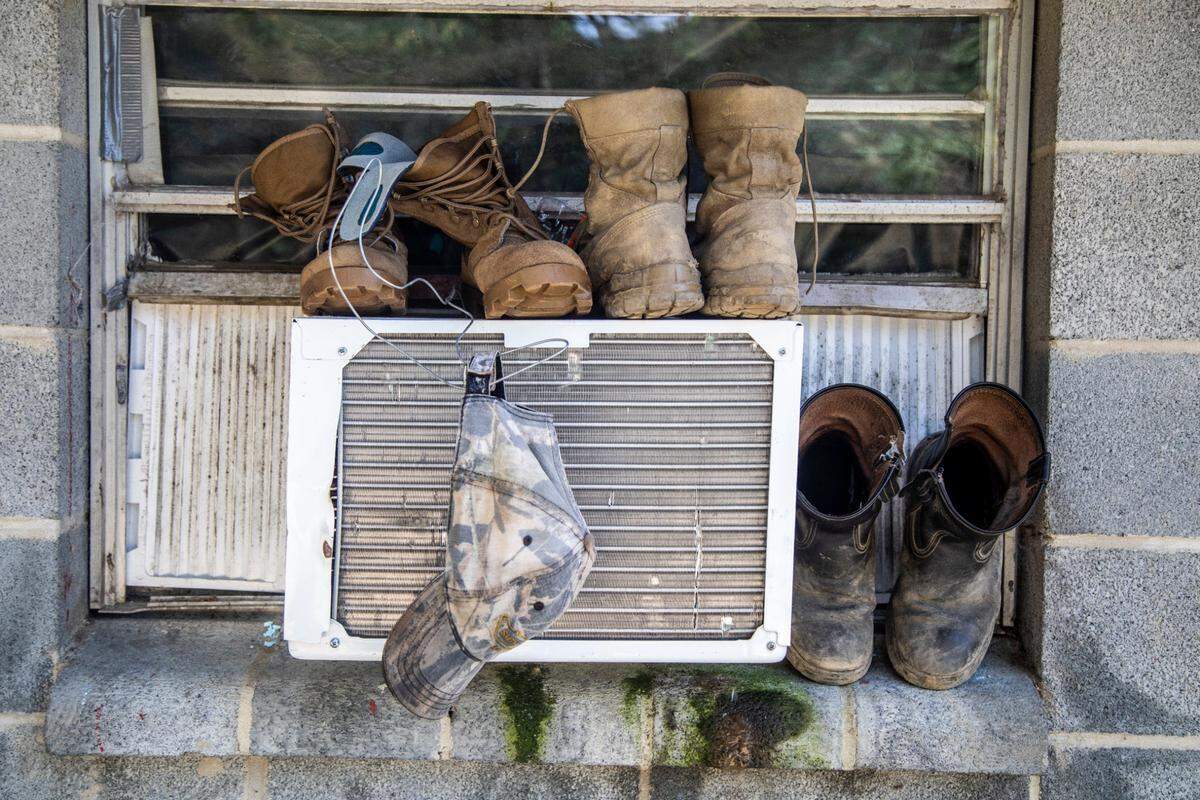
Multiple news outlets, including The N&O, reported in March on the state violations which referenced heat-related issues. In September, the president and CEO of the Durham-based Latino advocacy nonprofit El Centro Hispano called for new regulations to reduce heat-related worker risks, in The Charlotte Observer.
“Without adequate protections against heat exposure, workers like José continue to be at risk,” the organization’s director, Pilar Rocha-Goldberg, wrote.
This summer, the U.S. Occupational Health and Safety Administration proposed a first-ever federal heat standard, which if implemented, would be the first explicit heat health protection for North Carolina’s workers. Currently, employees are covered by the state’s General Duty clause, which allows the N.C. Department of Labor to cite an employer if it fails to provide a workplace that is safe from a threat that could cause injury or death.
“Barnes farming, Mr. Barnes, have taken that very seriously and are very tragically concerned over (Gonzalez Mendoza’s) passing,” Payne said in a phone interview. “The fact remains that his passing had zero to do with the conditions.”
Quota system allegation
Having appealed, Barnes Farming awaits a hearing from the Occupational Safety and Health Review Commission.
NCDOL spokesperson Erin Wilson said the department does not comment on ongoing litigation nor does it provide full investigation complaints while cases remain unresolved (It was Payne, not the labor department, who provided The N&O with the state’s full complaint.)
In its official response, which Payne also gave The N&O, Barnes Farming representatives denied most of the state’s chronology surrounding how Gonzalez Mendoza died. The response listed 20 “defenses” against the violations, including that the NCDOL inspection was “an illegal search under the Fourth Amendment” and that employees were not exposed “to any hazard alleged in the complaint.”
And if any violations did occur, Barnes representatives said they were due to “unpreventable employee misconduct.”
Barnes representatives also accused North Carolina of violating federal law by using a quota program to evaluate its Occupational Health and Safety Administration inspectors on how many citations they issued and upheld. Asked if NCDOL has used such a quota program, department spokesperson Wilson reiterated the state does not comment on unresolved litigation.
This story was originally published October 25, 2024 at 1:47 PM with the headline "Autopsy adds twist to Nash County worker’s death at farm owned by NC senator’s family."