New rules will change how North Carolinians buy and sell homes. Here’s what to know.
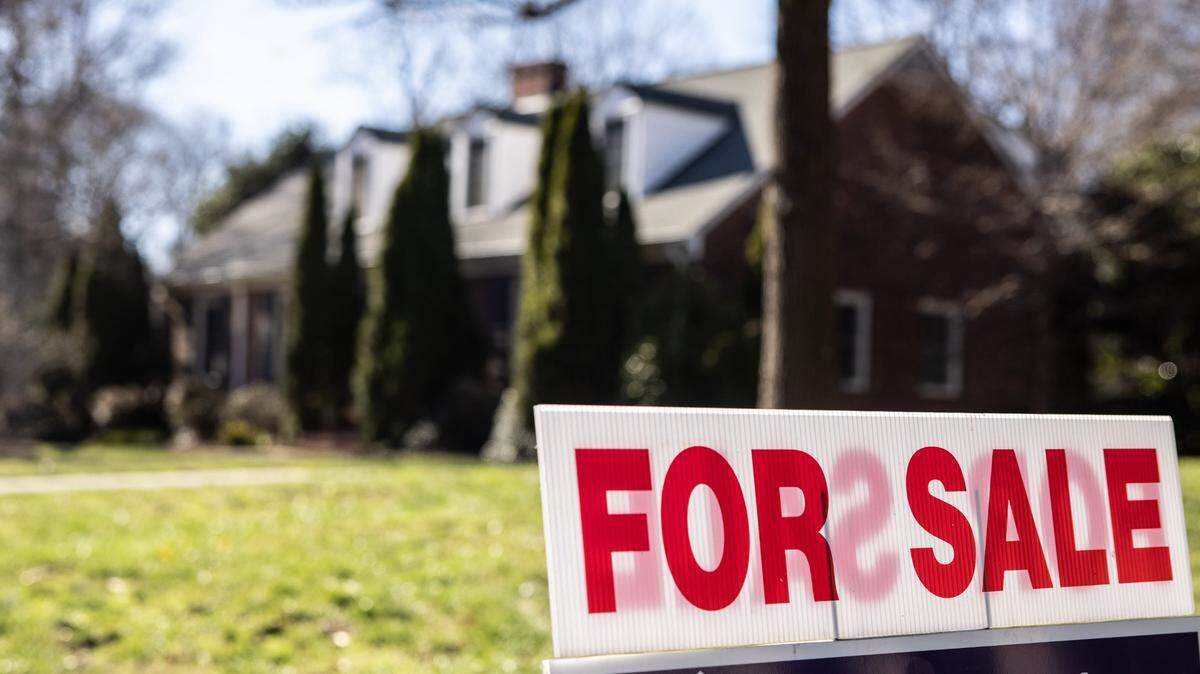
The rules of buying and selling a home in North Carolina are getting a shakeup this month.
But it’s still too early to tell where broker commissions and house prices will land as a result, experts say.
Five months after the National Association of Realtors (NAR) — the trade group that sets rules for home sales across the nation — agreed to pay $418 million in damages and rewrite several rules to resolve claims of price fixing, it’s putting those new policies into place.
By Aug. 17, all associations operating on the Multiple Listing Service (MLS), the group’s online portal where more than 80% of homes are bought and sold in the U.S., will be in compliance, NAR said in a release.
What does that mean for sellers, buyers and Realtors here in North Carolina? Here’s what you need to know.
What was the lawsuit about?
In April 2019, a group of Missouri home sellers filed a lawsuit, the Sitzer-Burnett case, against the NAR and other defendants, including Berkshire Hathaway HomeServices, Keller Williams and RE/MAX.
The plaintiffs argued commission rates were too high, buyers’ brokers were paid too much and its rules led to fixed rates. It also triggered more than a dozen other lawsuits. (The NAR has about 1.5 million members nationwide.)
Last November, a federal jury found the NAR and two brokerages liable for $1.8 billion in damages, CNN reported.
The NAR continues to deny any wrongdoing but settled in March. The settlement releases its members, including 10,000 members of the Raleigh Regional Association of Realtors (RRAR) from liability for the types of claims brought in cases on behalf of home sellers.
What changes will take effect on Aug. 17?
NAR has committed to several rule changes. (It’s also paying $418 million to home sellers over four years.)
Perhaps the biggest, say experts, is banning brokers from setting commissions for buyers’ agents on the MLS. In a practice called decoupling, buyers and sellers will now be responsible for paying their own agents rather than expecting the seller to pay a single commission: historically 5% to 6% of the listing’s sales price — one of the highest rates in the world.
Matt Fowler is executive director of Triangle MLS, a Cary-based multiple listing service, which covers 16 counties — including Wake, Durham, Johnston and Orange — and has 14,500 members. He said compensation fields will be removed from its listing platform on Aug. 6, ahead of schedule.
“It will literally be stripped from my network entirely,” he told The N&O in a video call. “That includes history, active listings, everything. It’s not something you can search anymore.”
Brokers must now also enter into a written agreement with their buyers, summarizing the terms and conditions of their services before touring a home.
“That goes for in-person or virtual tours,” said Jay Nelson, RRAR’s communications director. Brokers must also obtain the seller’s approval for any compensation to the buyer’s broker beforehand.
That will ensure, he added, that Realtors continue to be “fully transparent about the compensation process.”
(North Carolina is one of 18 states where brokerage agreements have been mandatory law since the early 1990s.)

How will the settlement impact VA buyers?
The Department of Veterans Affairs (VA) announced a temporary policy in June, removing a previous rule that prohibited veteran borrowers from paying buyer-broker fees.
The condition had presented a potential hardship for eligible veterans using the VA-guaranteed home loan benefit. Interim measures ensure veterans are not negatively impacted by the class-action lawsuit and remain “competitive buyers,” the VA said in a release.
It takes effect Aug. 10.
It remains unclear if the changes will become permanent. “The full impact of the settlement on the real estate market is yet to be determined,” the VA added. “[We] will continue to monitor.”
For additional information about this update, go to www.benefits.va.gov.
Is the 6% commission dead?
While rates are unlikely to fall immediately, they could shrink to 3% to 4% over time, saving consumers an estimated $20 billion to $30 billion annually, said Stephen Brobeck, senior fellow at the Washington, D.C.-based Consumer Federation of America.
It also opens the marketplace to “a greater variation in types of compensation and rates charged by agents,” like flat-fee and discount brokerages, he said.
“[The] buyer will still be able to request a concession from sellers that includes funds to help cover buyer agent compensation, but this will be after they have had the opportunity to comparison shop,” Brobeck said. It will also encourage sellers to negotiate their listing agents’ compensation, he added.
Others aren’t so sure. In North Carolina, at least, experts argue it’s been standard practice for buyers and sellers to negotiate compensation for years.
“The 6% was never really a mandate in our market,” said Tammie Harris, who runs her own eponymous brokerage firm in North Raleigh and Franklinton.
What should buyers look for in new contract forms?
The Consumer Federation of America has proposed criteria for evaluating new home buyer contract forms. They include:
- Brokers have the right to terminate contracts at any time; buyers should have the same right with no fees charged.
- The contract should state prominently that the broker’s fee is not set by law and is fully negotiable.
- The broker’s fee should be clearly stated, always as a dollar figure or as an hourly rate. It should also state that the buyer’s broker can receive no additional compensation for facilitating the sale.
- Any seller concessions should be approved by and paid to buyers, not their brokers, then used by buyers.
For full list of guidelines, go to www.consumerfed.org.
Will home prices go down?
Some argue these changes could push down prices.
Greater transparency will “undoubtedly drive down costs,” said Ryan Fitzgerald, founder of Raleigh Realty, calling this a “pivotal moment” for both consumers and brokers. “The impact can’t be overstated.”
But he also didn’t expect drastic change overnight. “There will be a period of transition.”
Stacey Anfindsen, an Apex appraiser who analyzes MLS data, is slightly more skeptical.
He pointed to the region’s long-running housing shortage as why he doesn’t expect prices to budge much.
“I just don’t see where somebody’s going to cut the price when you have an undersupply,” he said.
Consumers can find additional information on what these changes mean in NAR’s buyers and sellers guides.
This story was originally published August 6, 2024 at 7:00 AM with the headline "New rules will change how North Carolinians buy and sell homes. Here’s what to know.."