This Durham biotech startup wants to transform breast reconstruction surgeries
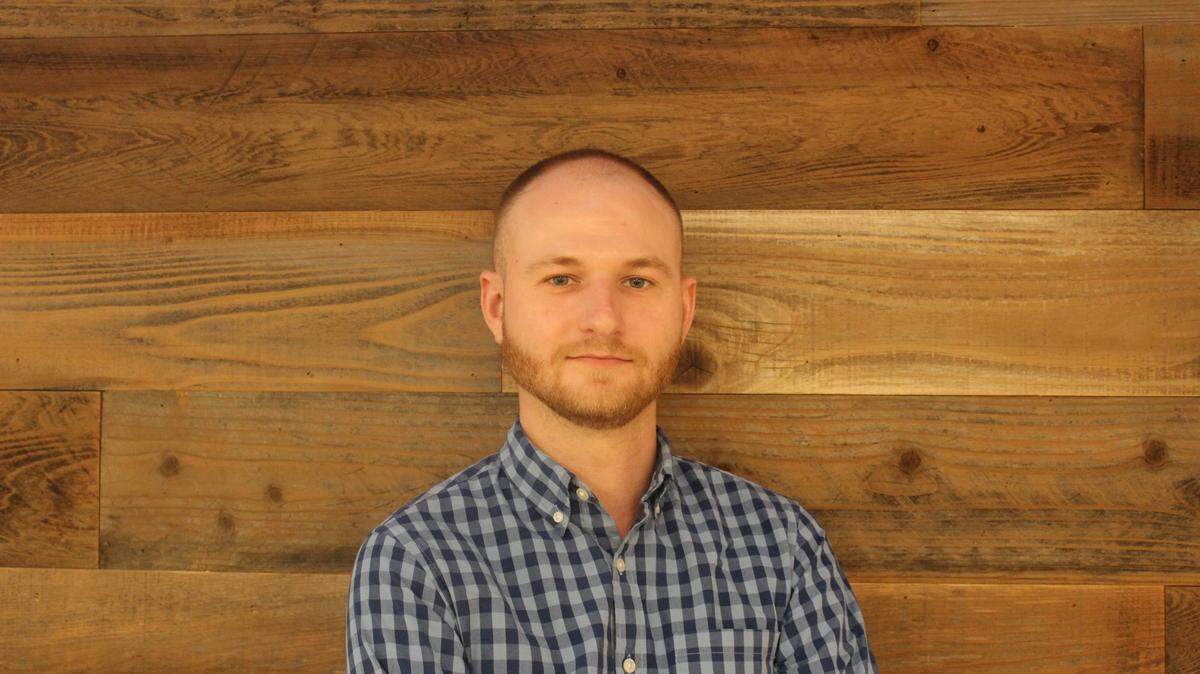
When Dr. Sandra Coufal first heard a presentation from BioAesthetics’ founder Nick Pashos, she wasn’t expecting to invest in the young regenerative medicine company.
But the Durham-based startup was tackling a problem she had personal experience with: breast reconstruction.
At the time, Coufal, a biotech founder and investor in her own right, had recently been diagnosed with breast cancer and had undergone a double mastectomy, a surgery to remove both breasts. Like many women, she opted for reconstruction after the surgery.
“Mine was successful, but many people’s aren’t,” she said in a phone interview. “And the options out there are not always adequate.”
Most women end up losing their nipples during a mastectomy, and so the final phase of breast reconstruction typically involves creating a new nipple and areola to regain some of the breast’s original look. Studies have shown reconstruction can also have some mental health benefits for women who have had mastectomies.
Current options for nipple reconstruction include tattooing, skin grafts and prostheses. But those aren’t always permanent solutions, Coufal said. The tattoos fade and lack a physical dimension. And the skin grafts, like the one Coufal herself got, can also lose volume over time, she said.
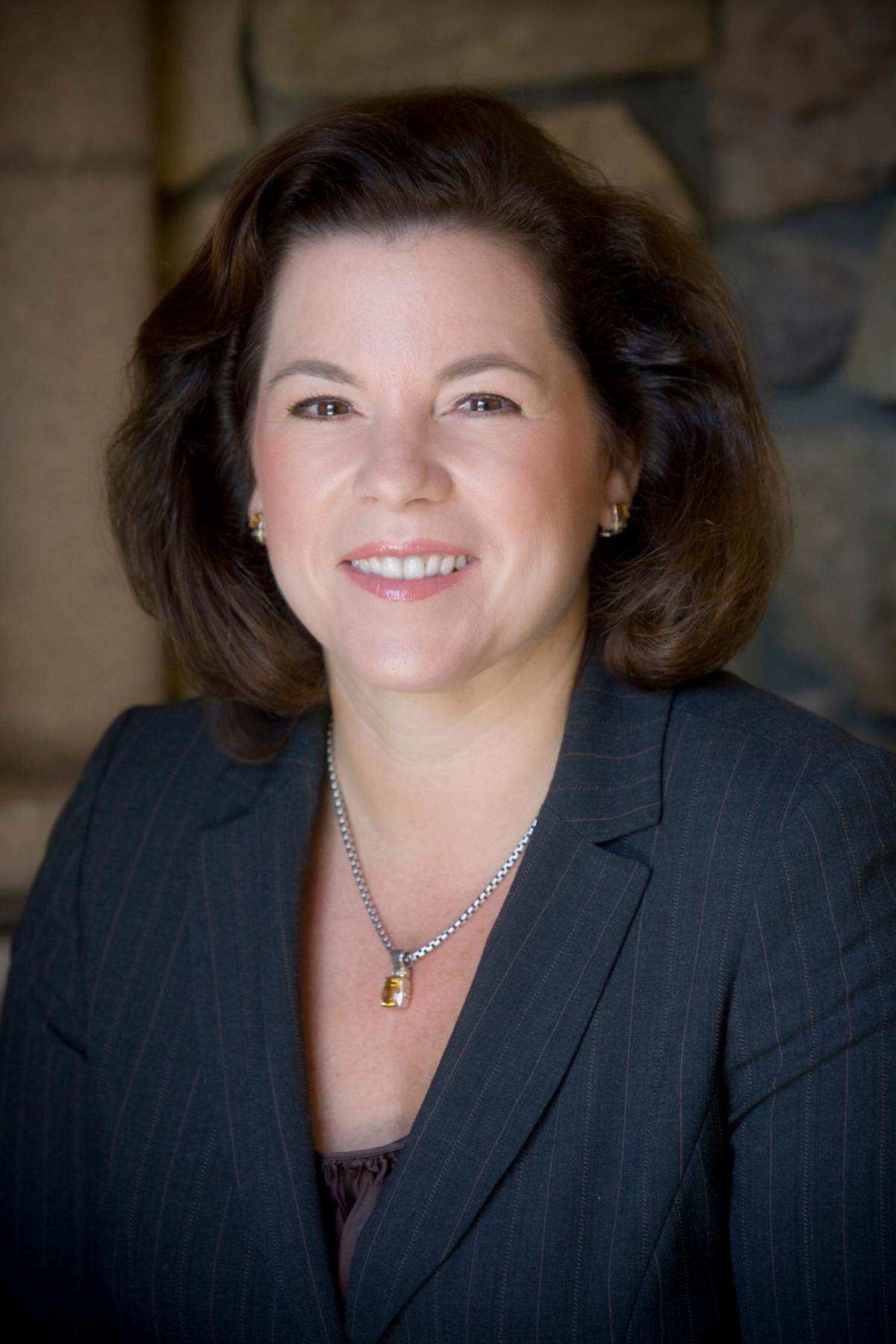
“There isn’t anything that will appear like God made it,” she said. But BioAesthetics convinced her you could get nearly as close.
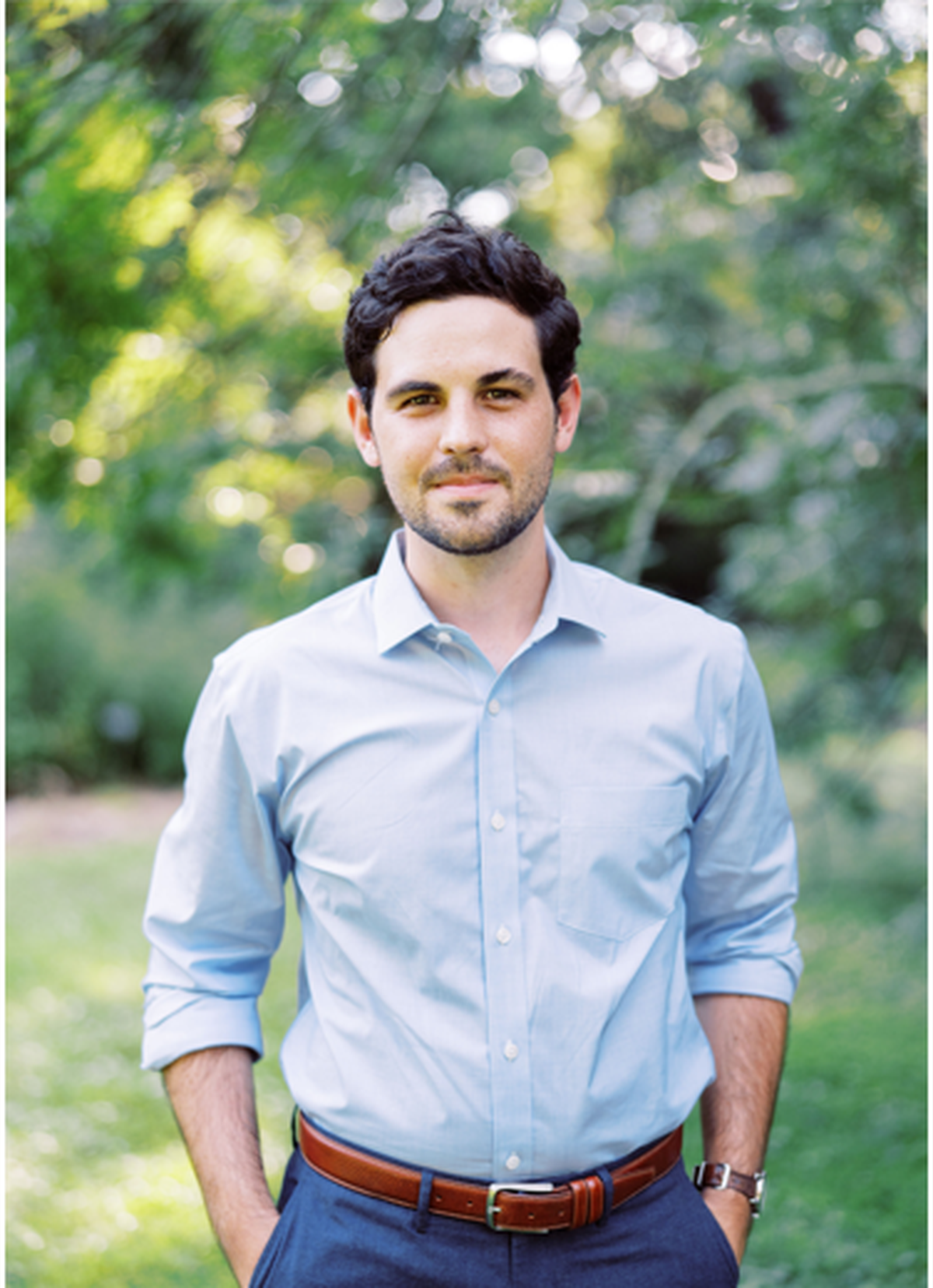
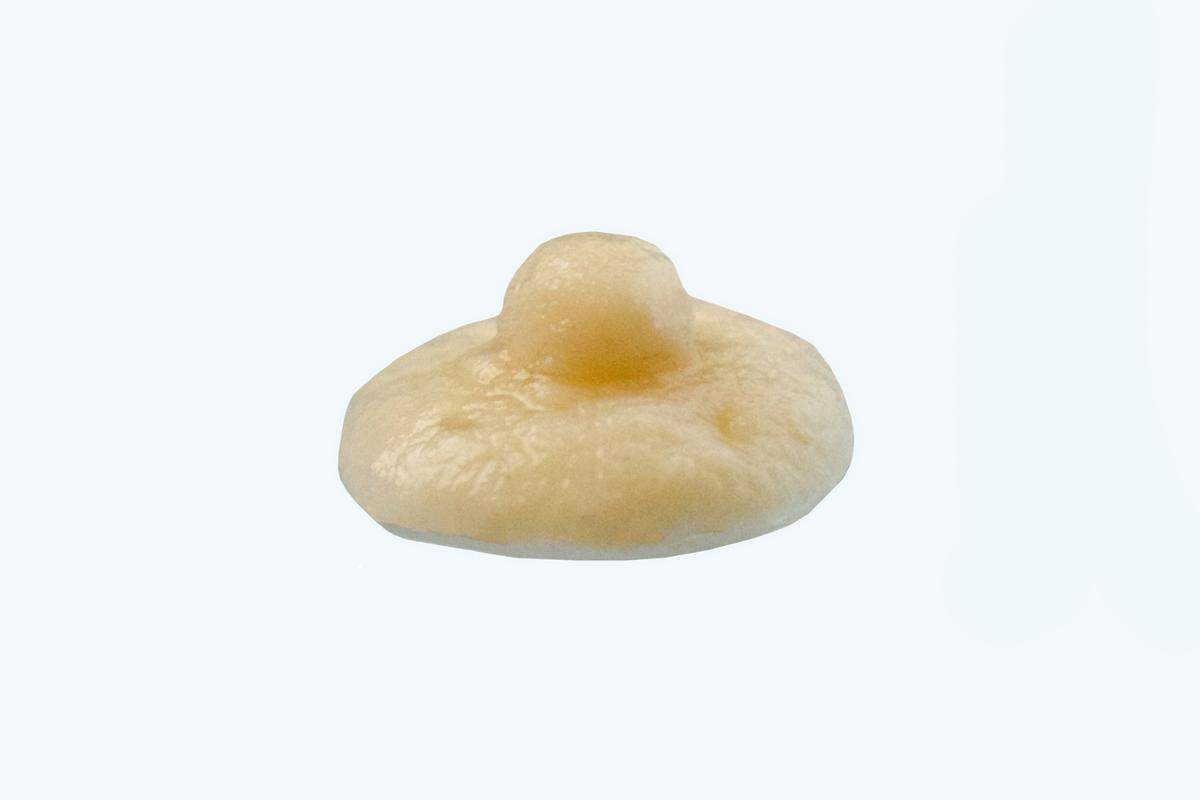
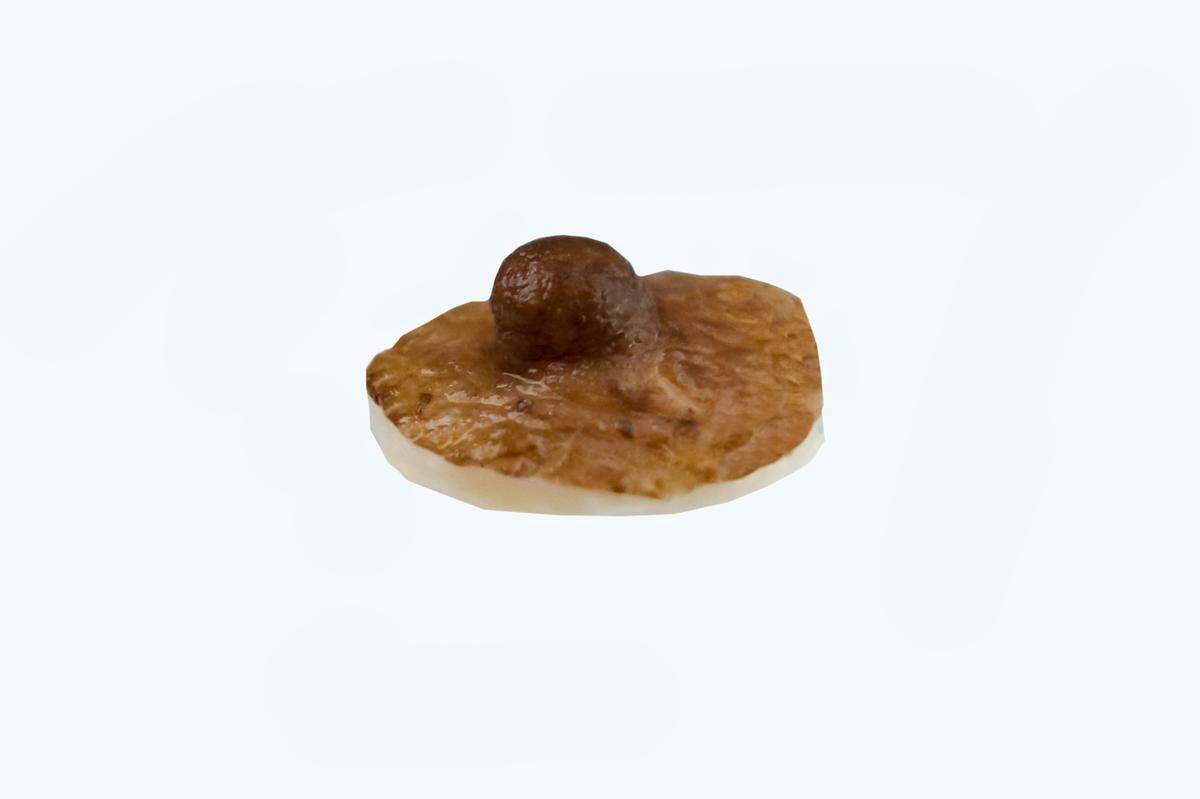
Founded by Pashos during his doctoral studies at Tulane University, BioAesthetics takes donated human nipples and puts them through a decellularization process that strips away the original DNA and cells from the tissue.
What is left behind is essentially the scaffold of a human nipple.
“You’re left with this very heavy collagen matrix in the exact same shape and size of that starting donated tissue,” Pashos said in an interview.
Patients are then able to select from a variety of shapes and colors before surgery.
The donated tissue — which BioAesthetics calls an NAC graft — then works as the building block for a patient’s own cells to build around. During the healing process — which takes several weeks — a patient’s cells will grow into the NAC graft and permanently attach it to the breast.
“That allows it to become a living structure,” Pashos said.
In clinical trial
Over the past few years, BioAesthetics has built momentum, growing out of shared labs into its space in downtown Durham, said Pashos, who co-founded the company with Billy Heim.
The company raised $5 million in a Series A round last year. The round was co-led by Coufal and FemHealth Ventures and helped grow the BioAesthetics team to around 10 people. The N.C. Biotechnology Center also gave the company grant money in 2019, after BioAesthetics relocated from Louisiana to temporary space in Research Triangle Park.
BioAesthetics’ grafts are currently in a clinical trial at Stanford University in Palo Alto, California, where it hopes to gain more data on the product before it begins to sell it.
Already people are waiting to use the grafts.
Dr. Scott Sullivan, of the Center for Restorative Breast Surgery in New Orleans, could be one of the first surgeons in the country to use the grafts after the trial.
Sullivan, whose practice does around 1,300 breast reconstruction surgeries every year, said he thinks there will be significant demand for BioAesthetics’ nipple grafts.
“All of my patients that I talk to about it are very anxious to get the product,” he said. “It is greatly anticipated.”
Outside of breast reconstruction for cancer patients, Sullivan said BioAesthetics’ grafts could be beneficial to a variety of patients, including people undergoing female-to-male top surgeries and those who have suffered complications from other surgeries.
Some patients, for example, can lose a nipple after breast augmentation surgeries.
“Our traditional technique is not not even close to matching this one,” he said. “Besides just cancer patients, this could bring a lot of happiness to some unfortunate complications that are related to breast reductions and breast lifts.”
What’s next?
BioAesthetics is one of a number of companies in the Triangle working in the field of regenerative medicine, which focuses on replacing tissues and organs that have lost function or been damaged.
Durham-based Humacyte, which went public at a valuation of $1.1 billion last year, is making bioengineered blood vessels for patients with end-stage renal disease.
And United Therapeutics, which has a large presence in Research Triangle Park, is creating a new transplant process for donated lungs. A subsidiary of United was also recently responsible for the genetically modified pig heart that was part of the first pig-to-human heart transplant.
Pashos, who originally studied re-growing lungs, said BioAesthetics is just getting started on the potential applications of its tissue treatment.
The company has received grants to begin research into pelvic organ prolapse reconstruction, pressure ulcer reconstruction, and third-degree burn grafts.
“There’s a lot of communities, whether it is burn victims or other incidents, that need some help,” Pashos said. “We’re happy to hopefully help at least one patient.”
This story was produced with financial support from a coalition of partners led by Innovate Raleigh as part of an independent journalism fellowship program. The N&O maintains full editorial control of the work. Learn more; go to bit.ly/newsinnovate
This story was originally published February 11, 2022 at 8:00 AM with the headline "This Durham biotech startup wants to transform breast reconstruction surgeries."