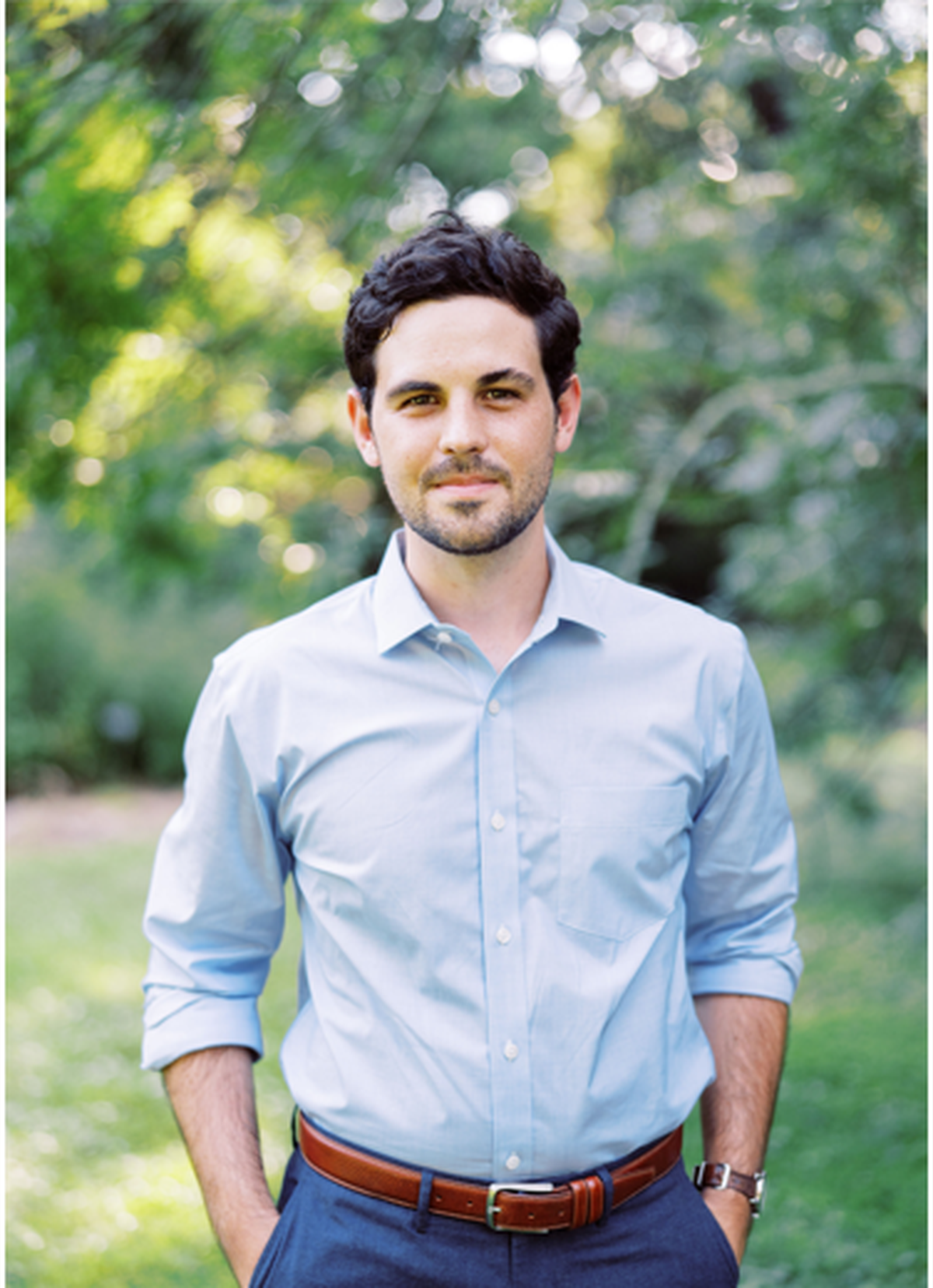
The Triangle’s biotech scene is churning out jobs. It wants laid-off workers to fill them.
While tens of thousands of North Carolinians were being laid off during the pandemic, the Triangle’s biotechnology sector was having one of its best years.
Now, the industry is hoping it can recruit some of those laid-off workers to fill the growing job openings at the state’s biotechnology and life sciences companies.
Using money from the CARES Act, which provided COVID-19 relief money to the states, the North Carolina Biotechnology Center recently launched the Bio Jobs Hub to spearhead recruiting people from industries that have been most affected by the pandemic, like retail and restaurant workers, or those who have recently left the military.
Robin Deacle, head of corporate communications at N.C. Biotech, said the goal is to make it as easy as possible for those trying to transition into the biotech industry. The industry, she added, also wants to highlight that jobs in the life sciences can have more consistent hours — labs were never shut down during the pandemic — and better benefits than retail and restaurant work.
The Bio Jobs Hub, an online resource, is meant to help connect individuals to the training they need to take jobs, which in some cases can be completed in just a few weeks.
“It is a hard thing to go from an industry you know into something where you don’t know anyone,” Deacle said. “We want to persuade folks that even if you weren’t good at science and math ... these jobs can still be for you.”
The life sciences are a hot industry now, especially in the Triangle.
Scott Levitan, president of the Research Triangle Foundation, the not-for-profit that manages Research Triangle Park, said 2020 turned out to be one of the Park’s best years. There were $3.5 billion worth of projects announced in RTP alone last year, Levitan told The News & Observer earlier this year.
Statewide, 2,800 production and manufacturing jobs and 4,600 total life science jobs were announced last year, Deacle said.
North Carolina has done a good job producing talent so far, Deacle added, with companies coming here because of the pipeline from the state’s universities and community colleges. But companies understand they need to increase the number of workers eligible for biotechnology jobs, not just rely on talent moving to North Carolina from other states.
Biotech industry expands
The state has heavily courted the biotech industry in recent years, offering millions of dollars in incentives to lure expansions here.
Last year, for example, the clinical research firm BioAgilytix promised to add nearly 900 jobs in exchange for nearly $19 million in incentives.
But even companies not receiving incentives are expanding. Biogen announced earlier this month it would invest $200 million into a new gene-therapy facility in RTP. And ApiJect, the maker of an experimental injection device for vaccines, is planning a huge expansion at the edge of RTP that will add 650 jobs.
The Triangle now has one of the most concentrated biotech and biopharmaceutical workforces in the country, with 1,659 residents working in the industry per 100,000 workers, according to data compiled by the N.C. Biotech. That number is greater than similar figures for Boston, San Diego and San Francisco.
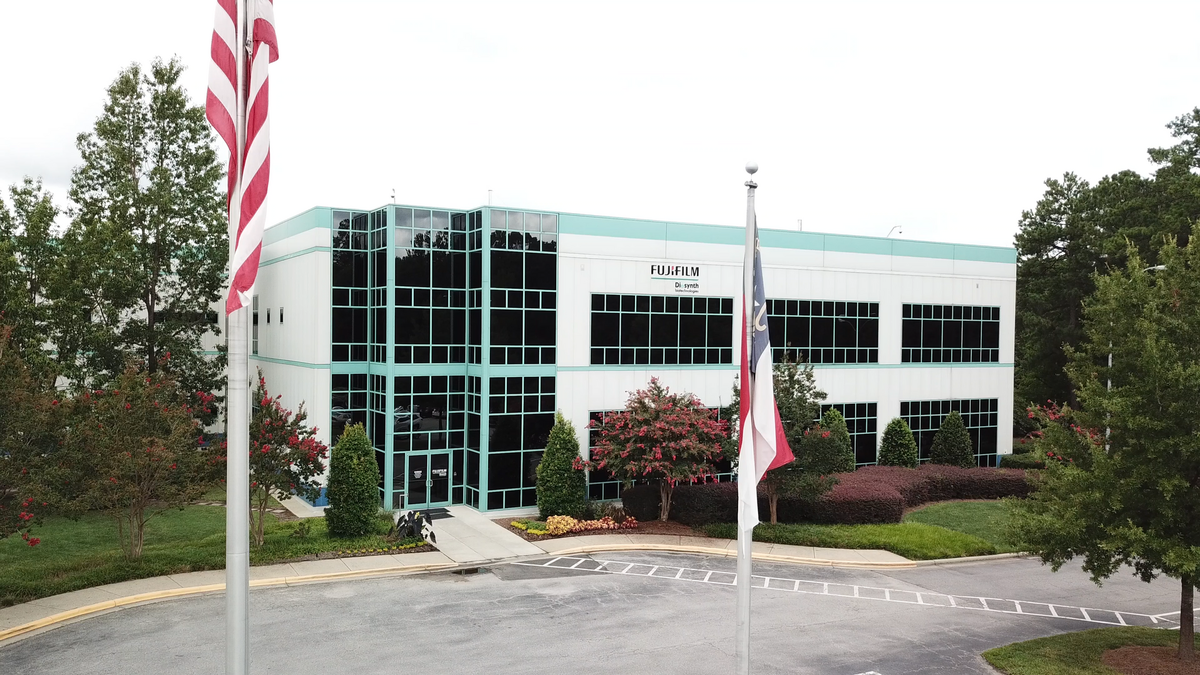
Fujifilm Diosynth, a contract drug manufacturer with a significant presence in RTP, has been one of the companies growing during the pandemic.
Most notably, Fujifilm was included in the federal government’s Operation Warp Speed effort to get COVID-19 vaccines developed and delivered to the public. Fujifilm is currently working with Novavax to manufacture that company’s COVID-19 vaccine candidate.
That contract contributed to growth, with more than 100 employees being added in the past few months, said Fujifilm CEO Martin Meeson.
Kimberly Sharman, regional head of human resources for Fujifilm, said the company has been filling many of its jobs with people who are switching careers, some because they were laid off because of the pandemic and others who were leaving the military.
She said Fujifilm is hiring people from entry-level manufacturing roles to people with advanced degree, and she called the Bio Jobs Hub helpful for companies in the area.
“It’s perfect timing for them to set up something like that because we are experiencing such growth,” she said. “It’s also timely. Because of COVID, so many people have been laid off.”
Sharman said Fufjilm has its own certification programs, and that for some of its entry-level manufacturing jobs, it could take just six months to complete. But the company also will help reimburse some of their workers’ education if they want to go back to school and advance even further at the company.
An effort to hire veterans
Fujifilm also has had success hiring veterans who are making the transition into civilian jobs.
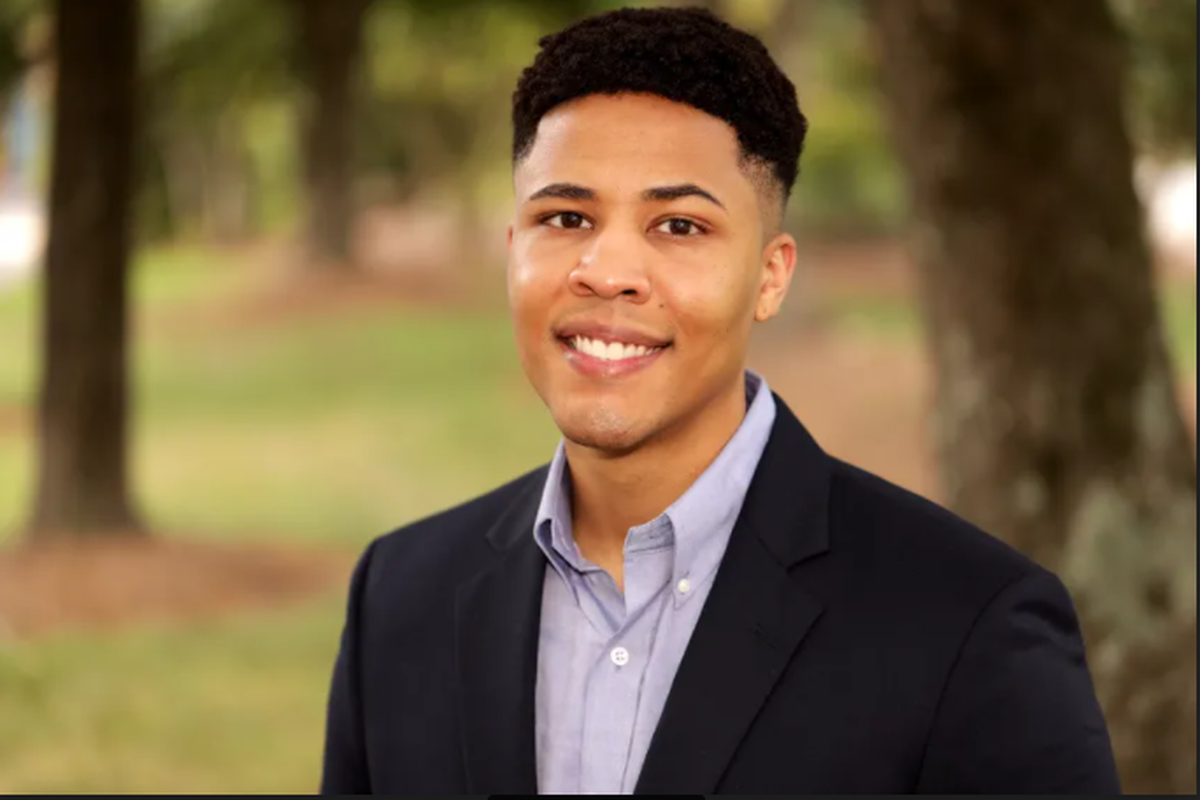
Jonathan Morgan, a 28-year-old North Carolina native, was one of those recent hires. He left the Marine Corps in 2020 after seven years in service, where his last role was working in quality control and logistics.
The timing of his exit from the military wasn’t ideal. The pandemic was in full swing, and the job market was in flux. He wasn’t exactly sure what his next move would be, but he knew he needed to pursue something outside of the military.
“I was not looking to replicate that environment moving forward in my life,” he said in a video interview with The News & Observer.
He created a LinkedIn page and had some head shots taken. A few weeks later, a recruiter for Fujifilm reached out to him. Morgan acknowledges he hadn’t been considering the life sciences as an option.
“It wasn’t a thing where I was like, ‘Hey man, biopharma, that’s a great idea,’” he said. “It was something that just came up, and I was like, ‘Wow, you know what, that is a good idea.’”
But the more he heard about the job, the more he liked. He appreciated that the company puts an emphasis on promoting from within its own teams and that he could make good money if he kept progressing in the ranks — something that tracks his experience working in the Marines.
He accepted the job and moved from Georgia to an apartment in Morrisville in August. After about a month of training, he started working at Fujifilm helping process the cell cultures that are being used to create new drugs and vaccines.
Sharman said because of the pandemic, Fujifilm has accelerated its training for new hires and created more training roles within manufacturing teams to help new hires as they work on the floor.
“Because we had to hire so rapidly for COVID ... we had to kind of crunch and create a really robust program to help get people up to speed quickly,” she said. “We didn’t really have six months to get them training, so we accelerated our own internal training program, and I think that will serve us well going froward.”
Beyond the money and job security, Morgan said an added benefit of his new job is the chance to work on life-changing products, whether it’s an experimental COVID-19 vaccine or a treatment for a rare disease.
“At Fujifilm, everything you do is going towards an end game, and an end purpose,” he said, “which is ultimately either saving a life or prolonging life.”
This story was produced with financial support from a coalition of partners led by Innovate Raleigh as part of an independent journalism fellowship program. The N&O maintains full editorial control of the work. Learn more; go to bit.ly/newsinnovate. Want more on the Triangle’s tech scene? Sign up for the N&O’s weekly Innovation & Tech newsletter.
This story was originally published March 16, 2021 at 5:46 PM with the headline "The Triangle’s biotech scene is churning out jobs. It wants laid-off workers to fill them.."