Durham gene therapy startup raises $55M to fund trials for blindness treatment
A promising gene therapy startup that treats a disease that causes blindness has raised $55 million from investors.
Durham-based Atsena Therapeutics said it will use the proceeds to push its therapy for Leber congenital amaurosis (LCA) through clinical trials.
LCA is a genetic eye disease that is one of the leading causes of blindness in children. It affects about one to two babies in every 100,000 births, according to the National Organization for Rare Disorders.
Atsena formed earlier this year, after it acquired the rights to the LCA treatment from Sanofi. The technology was originally created by Shannon Boye, a scientist at the University of Florida.
The new round of capital comes just months after it raised $8.2 million from investors like Durham’s Hatteras Venture Partners.
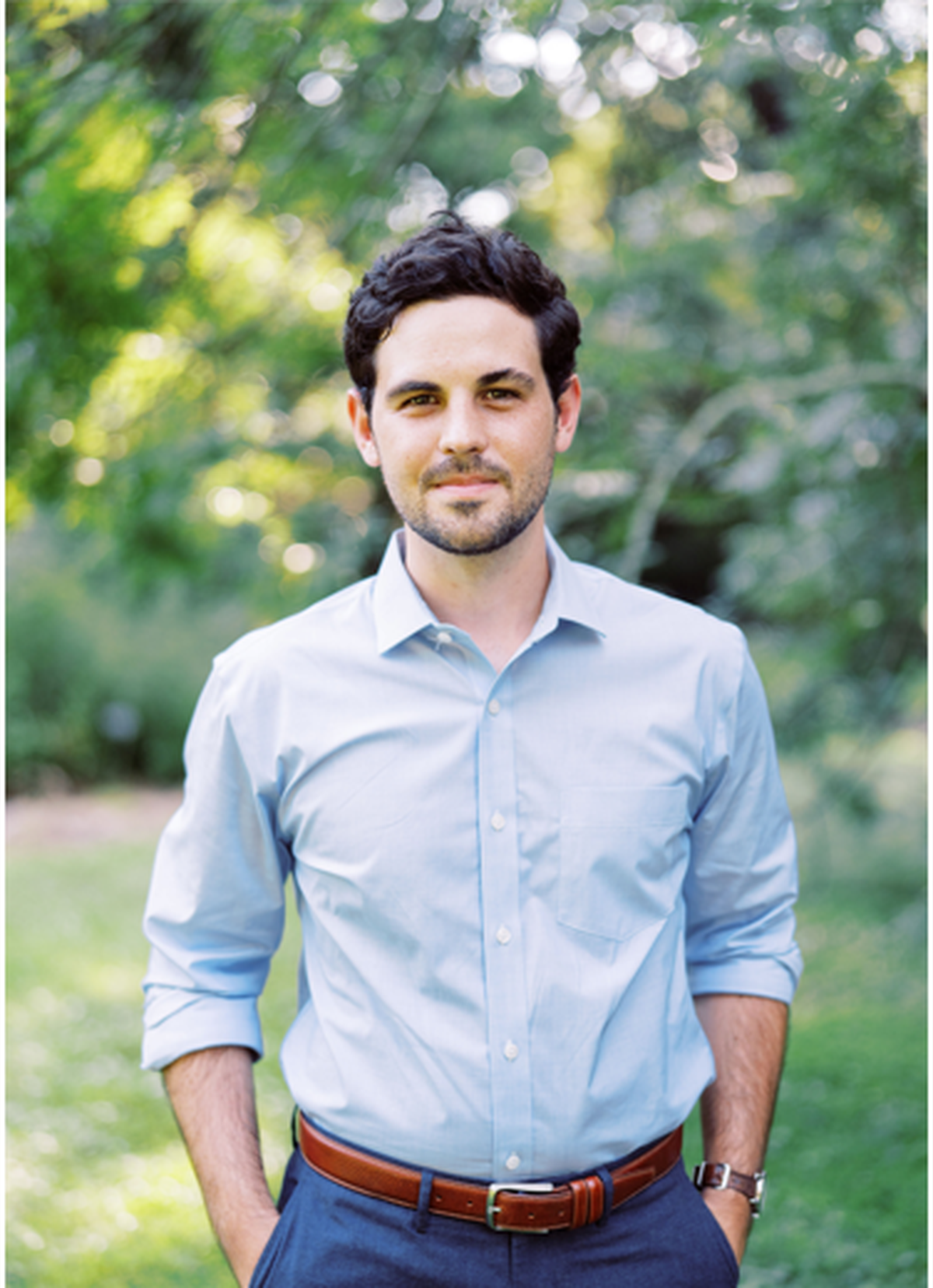
“We needed to raise additional capital to accelerate the growth of the company,” said CEO Patrick Ritschel, who previously led another Durham gene therapy company called StrideBio.
Hatteras once again invested in Atsena, the company said. It was joined by other investors like Sofinnova Investments, Abingworth and Lightstone Ventures.
Ritchsel said Atsena is “ramping up across the board,” with the goal of hiring around 20 more positions in the next year.
The company is currently operating out of lab space in the Chesterfield building in downtown Durham. But Ritschel said it is looking to move into a larger space next year.
Atsena’s growth is another highlight of how hot the gene therapy industry is in the Triangle.
Though still experimental, gene therapy is one of the most promising forms of treatment for diseases like cancer and some inherited disorders.
It’s still relatively new, though, with fewer than two dozen gene therapies being approved so far by the U.S. Food and Drug Administration.
But already the Triangle has established itself as an important hub for the technology, and it is attracting some serious money. In October, AskBio, a gene therapy company based in Research Triangle Park, was acquired by Bayer in a deal potentially worth $4 billion.
“I think the Triangle, for gene therapy, is a great area to be,” Ritschel said. “There is a tremendous amount of capability and infrastructure, and the universities continue to graduate people into the field.”
Atsena’s therapy will likely remain in clinical trials for several years to come. The company is also researching other potential therapies for its technology.
So far, Ritchsel said that he has been encouraged by his company’s early data and the U.S. Food and Drug Administration’s growing acceptance of gene therapies.
“Certainly there has been a large number of folks that have moved into the (gene therapy) space,” he said. “There have been a couple of approvals, and the path is becoming more clear. The FDA is broadly supportive of these types of programs.”
This story was produced with financial support from a coalition of partners led by Innovate Raleigh as part of an independent journalism fellowship program. The N&O maintains full editorial control of the work. Learn more; go to bit.ly/newsinnovate
This story was originally published December 16, 2020 at 7:30 AM with the headline "Durham gene therapy startup raises $55M to fund trials for blindness treatment."