A Durham startup is attempting to create a breast milk alternative by using human cells
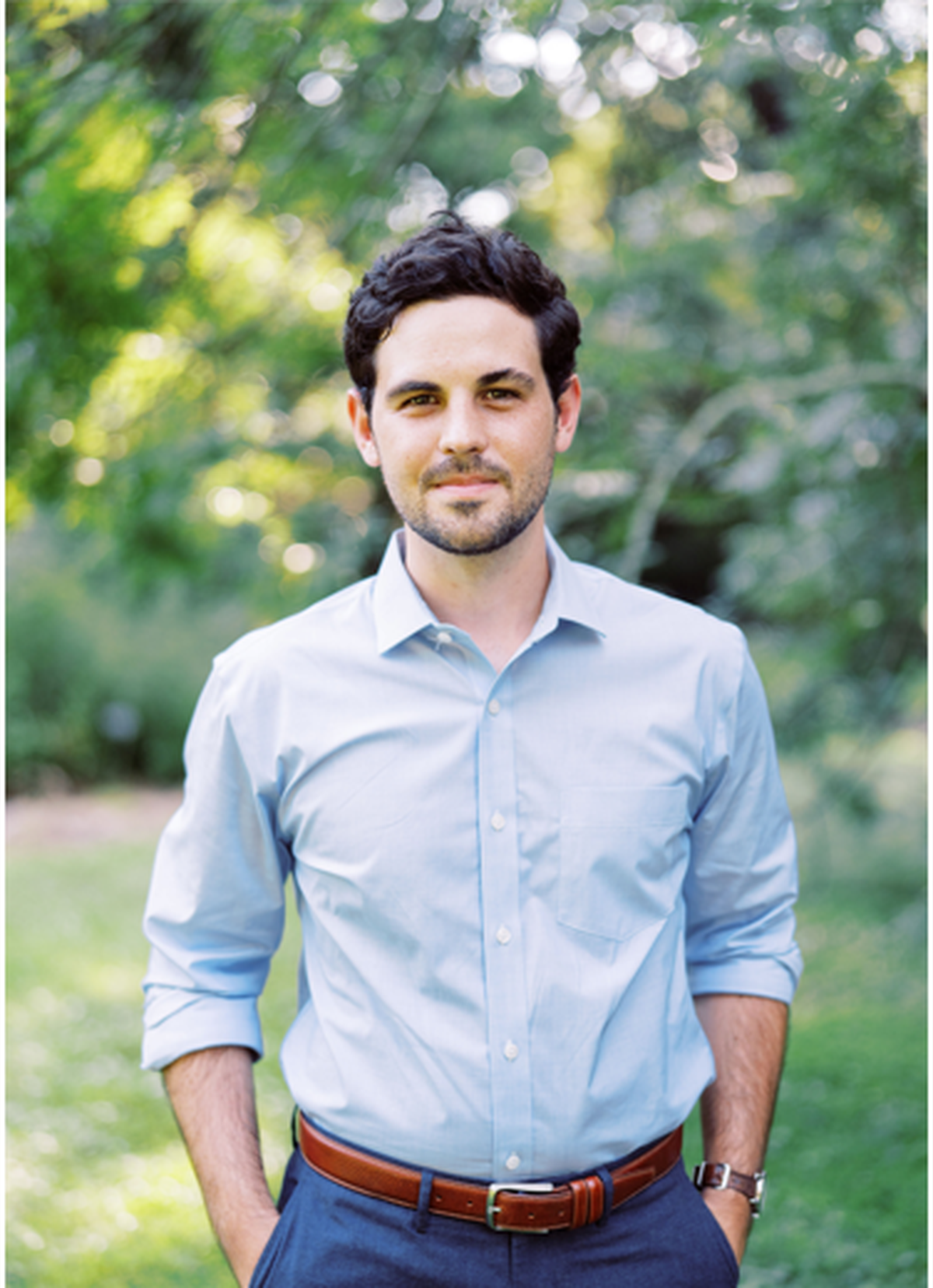
.jpg "Leila Strickland, left, and Michelle Egger founded Biomilq last year in an effort to create a new alternative to breast milk.")
A new Durham biotechnology startup working on a non-dairy alternative to baby formula says it has raised $3.5 million from investors, including from Breakthrough Energy Ventures, an environment-focused investment group founded by Microsoft founder Bill Gates.
Biomilq, founded by a cell biologist and a Duke University Fuqua School of Business student last year, is creating a cultured version of milk that it says mimics the nutritional values of human-produced breast milk but offers the ease of formula.
While exclusively feeding newborns breast milk in the first months of their lives is preferred, as it provides a crucial blend of nutrients for human development, it is not always possible. Many women resort to formula — whether it is dairy or soy based — for many reasons, like low milk production, medical challenges, or stigma associated with breastfeeding in public. Others might find it hard to find time to break away from work to pump milk — or might not even have a place to pump at work. (The Affordable Care Act of 2010 requires employers provide private spaces for lactation, but there are many loopholes to the requirement.)
Only 38% of infants are exclusively breastfed globally, and in the U.S., only 75% of infants are breastfed from birth, according to a study published by a branch of the National Institutes of Health. The numbers drop as children age, with only 13% of infants meeting the recommendation of breastfeeding exclusively for six months, according to the study.
But Biomilq believes it’s on the way to replicating the nutritional profile of breast milk, potentially creating a product that could more closely supplement breast milk than dairy- or soy-based alternatives.
The startup is culturing mammary cells in a lab, and so far it has been able to get the cells to produce human casein and lactose, a protein and a sugar found in breast milk.
“We are harnessing the exact same capabilities of the human mammary epithelial cells in your body,” said Michelle Egger, who founded Biomilq with Leila Strickland, a cell biologist by training. “We’re able to basically give (the cells) a place where they grow in the same manner happily (and) healthily.”
Biomilq says the idea for the company came to Strickland while she was struggling, alone in a closet, to pump breast milk for her child. She began experimenting with the idea several years ago on her own time before meeting Egger last year.
A Singapore-based startup called TurtleTree Labs is also trying to produce human milk through cells, and human milk itself is usually only available through donation systems at milk banks — though in recent years the trade in human milk has thrived on Facebook. Many women also rely on pumping their breast milk to maintain supply.
The goal isn’t to replace breastfeeding, Egger said, just to make a better product for the times when it isn’t possible.
The company has lab space in Research Triangle Park, and hopes to expand with the money it has raised from investors. Egger, who used to work in research and development at General Mills, said because of the coronavirus, the company had to raise its money virtually rather than in person.
Egger said Biomilq was very careful about which investment firms it took money from, focusing on mission-driven investors rather than profit-motivated ones.
We “started this not because we wanted to make an incredible amount of money or being amazingly profitable ... we’re here for mothers, parents (and) babies,” Egger said, noting she made it clear to potential investors from day one that profitability wasn’t the core interest.
“But anybody worth half their salt can see that there’s potentially a very large market here,” Egger said. “And while it is profitable, the ramifications in a positive manner for our population far outweigh what this could actually bring from a monetary standpoint.”
Biomilq is still far from having a product that is ready for the public. Lactose and casein, after all, are only two of many components of human breast milk. Natalie Shenker, a breast-milk researcher at Imperial College London, told The Atlantic earlier this year that even if cell-cultured breast milk was perfected, it would still be missing some components of real human milk. For example, Shenker said, antibodies, which help build immunity in babies, come from the mother’s own immune cells.
Egger said the company is still developing its process in the lab, and will have to gain regulatory approval from the U.S. Food and Drug Administration.
It’s unclear, at the moment, how much the company’s product would cost given its stage of development. But Egger and Strickland are already thinking about how to eventually expand access.
“One of the things that we’re really thoughtful about is accessibility,” said Egger, who interned in recent years with the Bill and Melinda Gates Foundation.
She said that because it is currently very expensive to produce the product, Biomilq will likely focus on U.S. markets at first.
“But we’re really passionate about infant nutrition globally,” she said. “...So we’re really excited to be able to bring this to other markets and other countries in the long term.”
The company says its product would be more environmentally sustainable than dairy formulas.
“There are immense opportunities to reduce greenhouse gas emissions from livestock used in the production of foods like dairy,” Carmichael Roberts, of Breakthrough Energy Ventures, said in a statement. “Biomilq offers a superb dairy alternative for the production of infant nutrition.”
This story was produced with financial support from a coalition of partners led by Innovate Raleigh as part of an independent journalism fellowship program. The N&O maintains full editorial control of the work. Learn more; go to bit.ly/newsinnovate
This story was originally published June 16, 2020 at 7:00 AM with the headline "A Durham startup is attempting to create a breast milk alternative by using human cells."