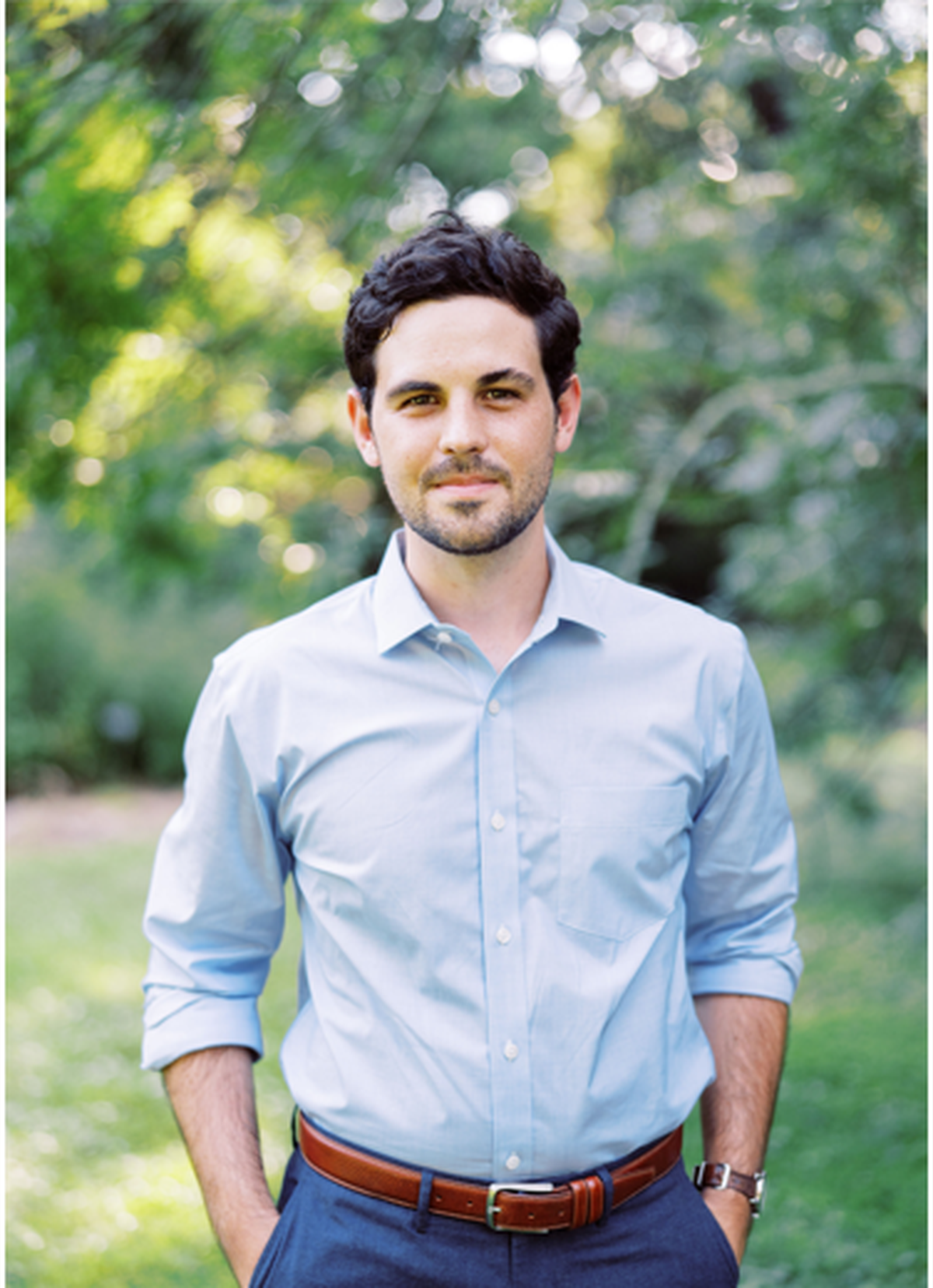
Red Hat’s new CEO talks about navigating the gradual recovery from the coronavirus
There was no celebration in Raleigh when Paul Cormier was appointed this week to replace Jim Whitehurst as Red Hat’s CEO.
With the coronavirus pandemic at its peak in the U.S. and every Red Hat employee working from home, the 62-year-old former head of products and technologies began his reign as CEO from his home in Boston, relying on email and BlueJeans video conferencing technology to address the more than 12,000 Red Hat employees around the world.
His immediate task will be to guide the company, which employs more than 2,000 people in downtown Raleigh, out of the doldrums of a coronavirus-caused economic downturn. “This is going to be a marathon,” he told his employees, “and it’s more important than ever to continue to support one another right now.”
A day after assuming the title of Red Hat CEO, Cormier sat down with the N&O via a BlueJeans videoconference to discuss how the company is responding to the disruption of the COVID-19 pandemic and how it is navigating its new relationship with IBM.
A remote working culture
In some ways, Red Hat was well prepared to work through the disruptions of coronavirus.
For years, the company has encouraged and accepted employees who have wanted to work from home. It’s been a big part of its recruiting efforts, Cormier said. “Especially in engineering, our strategy has always been hire the best person, we don’t care where they are.”
That doesn’t mean it has been unscathed.
The company has had to change its sales and product conference this year into a virtual event and social isolation obviously puts a strain on relationships with customers. And while the company wouldn’t give out an exact number of employees who have be infected by COVID-19, a spokeswoman for Red Hat said, “We have cases around the globe — people who are presumed to be sick, people who are sick and, happily, people who have recovered.”
Cormier said he’s committed to taking care of the thousands of employees affected by work-from-home orders across the globe. Red Hat, he said, will pay all of its employees during this time regardless of whether “you’re 140% productive or 40% productive.”

The biggest impact of COVID-19, Cormier said, is the uncertainty around what an economic downturn might do to their customers’ business. He’s already seen companies in hospitality or travel being hit really hard. Others, he noted, like telecommunication companies and the federal government, might have more business.
“We’re trying to adjust to that,” he said.
A gradual recovery
Cormier said he believes the economic recovery from COVID-19 will be more gradual than quick. “I think we’re going to have to all feel our way through this,” he said. “I don’t think we’ve figured out how we’re going to do re-entry yet, but I think it will be some type of gradual” approach.
Cormier, who is based in Boston but plans to spend a lot of time in Raleigh going forward, said he’s used to traveling 50% of the time for work. “I’m not sure I’m going to get to that level anytime soon,” he said.
Another way the virus will likely affect Red Hat is in its ability to hire new employees. Cormier said the virus has forced the company to re-evaluate its plans for the coming months. While it will still be hiring, the company plans to be more focused and selective.
“I would say over the last five years, we’ve probably hired 1,000 to 1,500 [new employees] a year,” he said. “We have had a huge hiring plan. Now we’re re-evaluating it. I mean, none of us knows what’s going to happen in three weeks, let alone three quarters, right?”
But if he had to guess, he said, he thinks Red Hat could benefit from some startups laying off talented employees or slowing down their own hiring of tech talent.
“To tell the truth,” he said, “I think it’s gonna be a tough couple of years for the startups. ... I think there’s probably going to be a lot of startup people and talent available.”
Independence from IBM
Cormier said he’s committed to keeping Red Hat a “totally, totally separate company” from its new parent, IBM. That was agreed upon with Arvind Krishna, IBM’s new CEO and biggest proponent of acquiring Red Hat, from the very beginning, he said.
Remaining independent is essential, Cormier said, because it would erode the trust of its customers if Red Hat began treating them differently because IBM wanted them to.
“If we’re not independent, then the other cloud guys won’t feel safe working with us,” he said. “You know, Intel, for example, shares their road map, which is super top secret, with us five years in advance, because we have to build the OS to support all their features.”
Red Hat had to convince Intel that it wouldn’t leak any of that material to IBM, which is one of Intel’s largest competitors in chip technology. “That’s why [independence] is so important,” he said.
He also noted that Red Hat’s finance, legal, communications and human resources teams are all separate from IBM.
“IBM doesn’t set our road map. We set our road map,” he said.
Where the company has seen a lot of success together, though, is in combining sales efforts. In its last earnings call, IBM said Red Hat was seeing an increase in large deals worth more than $10 million after joining IBM. One of them was with Verizon, for example.
“We’ve seen a lot of big deals in which IBM has driven the sale,” Cormier said, “and then we’ve brought in our Red Hat process.”
Real estate pressures
At the moment, Red Hat’s headquarters building in downtown Raleigh is empty, save for a few workers who are given limited access to the building to keep critical functions running. But whenever things do get back to normal, the company will be confronted with the fact that available space there is growing tight.
After steadily hiring more employees over the past five years, the company is now having to reconfigure parts of the building to fit the 2,200 people based there. This has led some to speculate that Red Hat might be forced to find more space around downtown Raleigh in the relatively near future.
“They’re looking at a couple of things right now, and [we] probably do,” Cormier said. “I don’t think we’re ready to announce anything right now, but I think they had a couple things in the works to help expand on that [and] relieve some pressure there.”
This story was produced with financial support from a coalition of partners led by Innovate Raleigh as part of an independent journalism fellowship program. The N&O maintains full editorial control of the work. Learn more; go to bit.ly/newsinnovate
This story was originally published April 8, 2020 at 2:34 PM with the headline "Red Hat’s new CEO talks about navigating the gradual recovery from the coronavirus."