
Why this company avoided state penalties after a deadly accident 12 feet underground
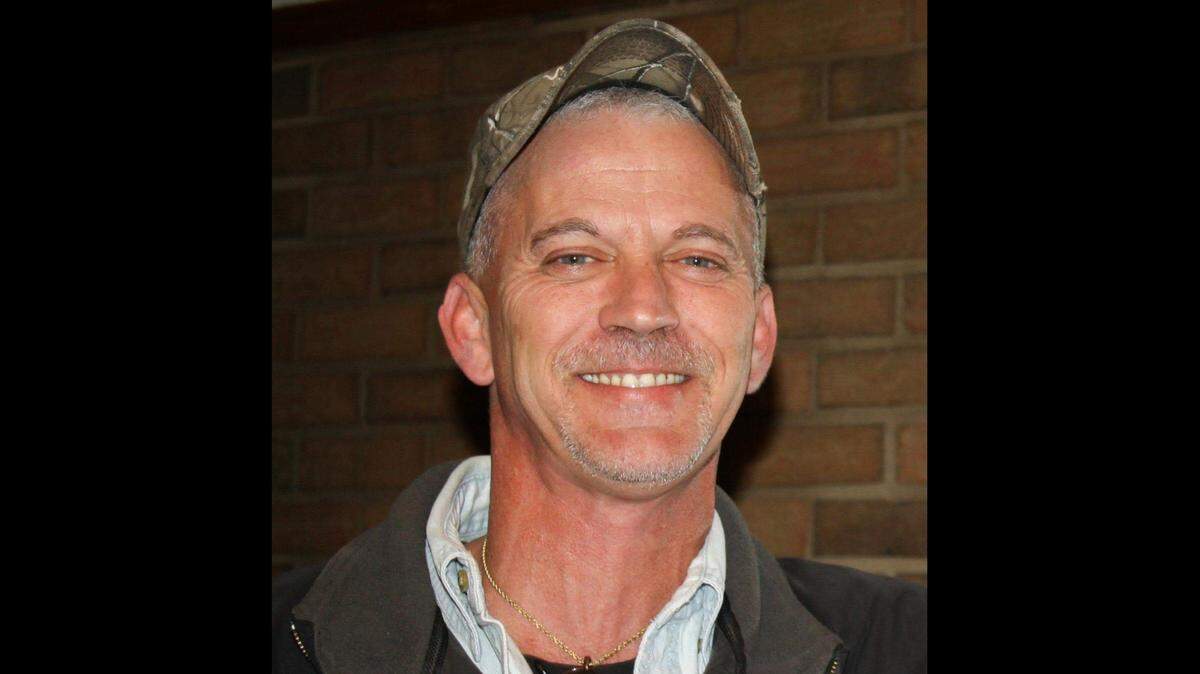
Laborer Kirk Mitcham was working in a housing development in Mint Hill, N.C., east of Charlotte, riding in an excavator bucket to the bottom of a 12-foot deep trench. Seconds later, he was dead at 46.
North Carolina regulators did not penalize the builder. That was left to a Union County jury.
Compare that to the response from Alaska and the federal government after two other trench deaths:
In Anchorage, a 10-foot-deep trench lacked the required safety guard when it collapsed on June 16, 2015, burying an employee up to his waist and fracturing his legs. The employer, Hartman Construction and Equipment, Inc. was using an excavator to clear away the dirt when it allegedly caused such a severe gash across the 23-year-old laborer’s pelvis that he bled to death. Alaska’s state-run occupational safety and health unit cited Hartman Construction for eight willful violations and $560,000 in fines. In 2017, a state appeals board upheld five of the citations, reducing the fines to $301,000.
On July 24, 2014, at Fort Bragg, a nearly 9-foot deep trench lacking cave-in protection collapsed around two workers installing drain pipes. One of the laborers escaped unharmed, but the other, Clyde Nettles Jr., died. The U.S. Occupational Safety and Health Administration, which regulates workplace safety at North Carolina military bases, issued two willful citations against the contractor, Tekton Construction Co., and fined it $123,200. Though the figure was later reduced to $76,384 in a negotiated settlement, the willful citations stood.
The North Carolina state inspection report said the trench where Mitcham died on June 10, 2014, also lacked a protective box, usually a wooden or aluminum structure with sidewalls and braces built to government specifications. Moments after he stepped out of the bucket, 2,000 pounds of soil caved, fatally crushing him against the steel arm of the machine, inspectors reported.
Who decided to dig deeper?
Mitcham, a father of two whose second wife was expecting, worked for One Grade, Inc, a small grading firm with little experience or competence in digging trenches, inspectors reported. Even so, the general contractor, Bonterra Builders LLC, asked One Grade to use its excavator to dig for a sewer line. Bonterra’s site supervisor told inspectors that he left that day with the trench 4 or 5 feet deep and had no idea that One Grade’s Mitcham and his supervisor would dig much deeper. Bonterra, which had responsibility for the work site, was not assessed a penalty.
However, a personal injury lawyer representing Mitcham’s family in damage suits elicited a different story in Union County court testimony.
“The grader testified that the builder came to him and asked him to use his equipment to dig deeper and faster” to find the sewer line, attorney Jon Moore said. The builder had the option of waiting 30 days for Mecklenburg County to find the sewer line for a $75 fee, he said.
In reaching its verdict in May 2018, the jury ignored state inspectors’ findings and ordered Bonterra, which was sold in 2015 to AV Homes, to pay the family $3.85 million. The parties also reached a secret settlement over the family’s demand for punitive damages.
“It was an accident that should never have happened,” said Mitcham’s mother, Naomi Mitcham.
“He shouldn’t have been put down in that hole to begin with, especially with no safety precautions,” she said in a phone interview.
BEHIND THE STORY
MOREWhy we did this story
We received a tip about working conditions at a rural North Carolina processing plant, and in the course of exploring the allegations, concluded that a close look at the way North Carolina regulates workplace safety, especially after fatalities, was in order.
How we did this story
Greg Gordon retired earlier this year after working 20 years as an investigative reporter in McClatchy’s Washington bureau. He conducted dozens of interviews in an examination of how North Carolina safeguards its workers and treats the injured. The North Carolina Justice Center agreed to share state job safety enforcement data, whose accuracy Gordon verified for the first of his reports. He filed public records requests for state inspection reports to learn details of fatal accidents and reviewed dozens of workers’ compensation cases.
Court verdicts rare
Kirk Mitcham, who lived in Wingate, had two children in their 20s. He had recently remarried and his wife, Christy, was expecting when he died.
“He was just a hard-working, little-old redneck country boy,” Naomi Mitcham said.
“He had a heart of gold. He’d give you his shirt off his back if he thought you needed it.”
She said she was glad the suit prevented Bonterra “from getting off scot free.”
Court verdicts such as the award to Mitcham’s family are rare in North Carolina. Most employers are insulated from suits under the state workers’ compensation law. The law is the product of a bargain that was supposed to assure injured workers of no-fault benefits, while shielding employers from injury suits unless it could be proved they knew a hazard posed a substantial certainty that an employee would be seriously harmed.
Mitcham’s family was able to sue Bonterra because he worked for the grading firm.
State Labor Department officials rejected suggestions that the contrasting findings of a jury and of state OSH officials reflect what critics call the agency’s light-handed enforcement approach under Labor Commissioner Cherie Berry.
Department spokeswoman Dolores Quesenberry said Bonterra’s site supervisor told the agency inspector that he “had no reason to believe any employees would enter an unprotected” excavation 12 feet deep.
As a result, Quesenberry said, the inspector could not prove the employer knew Mitcham faced a hazard when he entered the ditch.
Naomi Mitcham said she kisses a photo of her son each night as she heads to bed.
This story was originally published December 17, 2019 at 1:48 PM with the headline "Why this company avoided state penalties after a deadly accident 12 feet underground."