
As more Red Hatters are hired, space inside Red Hat tower becomes more flexible
As the number of Red Hat employees in downtown Raleigh continues to inch upwards, the company is having to be more creative in how it fills Red Hat tower.
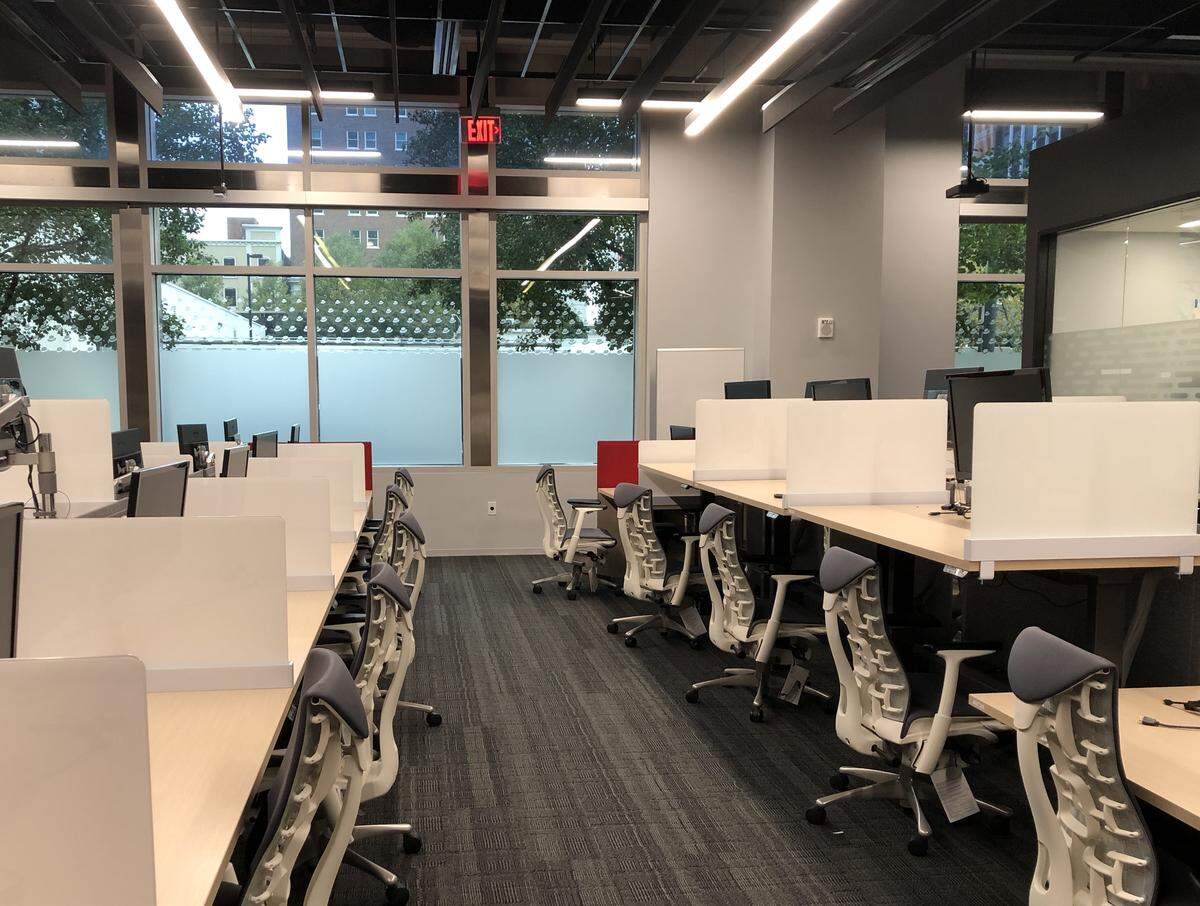
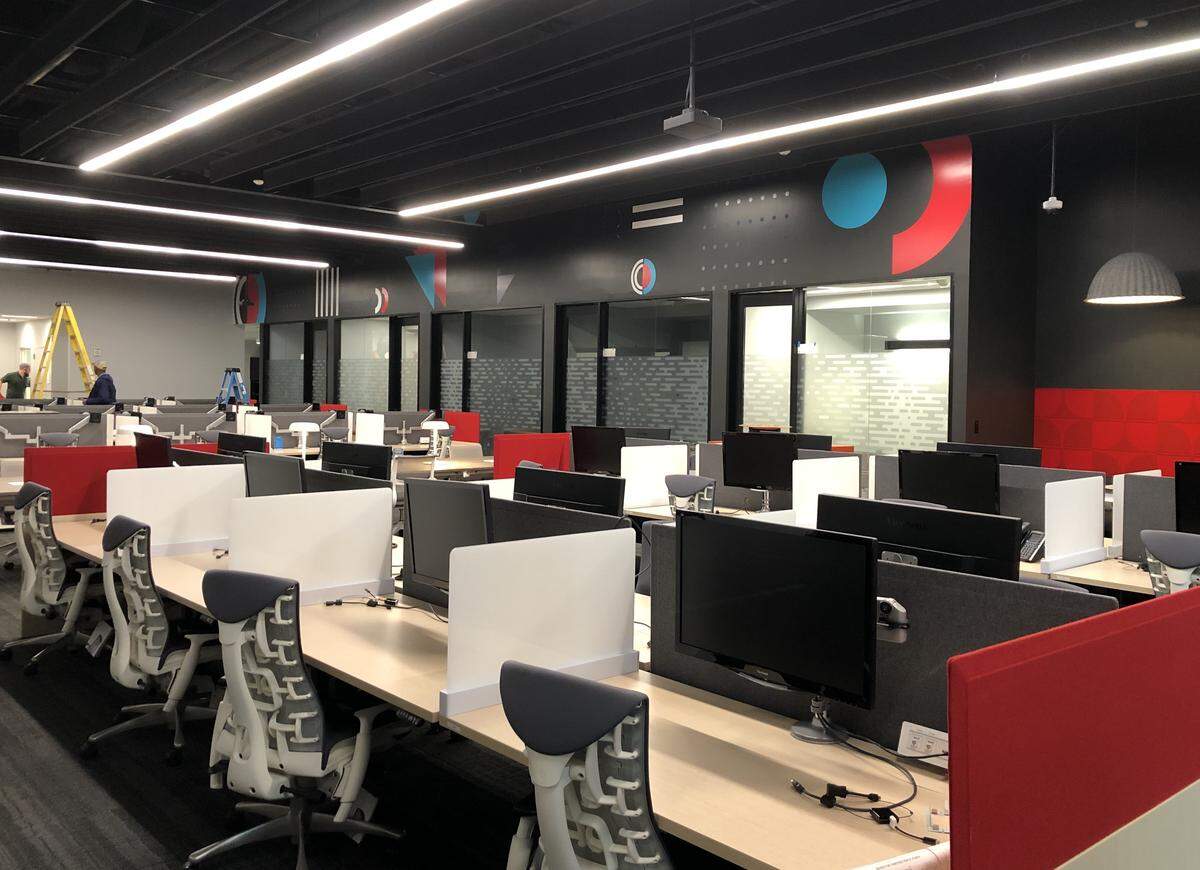
Next Monday, some 90 employees at Red Hat will have a new home, after they migrate from the ninth floor to the first floor, moving into space that used to be home to the restaurant Bu.ku.
It’s part of a longterm plan to provide more creative spaces for employees to work in, as well as a way to give the community a peek at how Red Hat operates. The windows of the former restaurant will now give you a glimpse of staffers on Red Hat’s design team rather than customers eating a bento box. (Bu.ku closed last year and the owners recently opened a new restaurant in Cary called Ko.an.)
The design team is in charge of telling Red Hat’s story, whether that is in the form of producing podcasts and videos or creating a brand new logo for the company. Red Hat hopes the new space will also be an opportunity to demystify what exactly Red Hat does in downtown Raleigh.
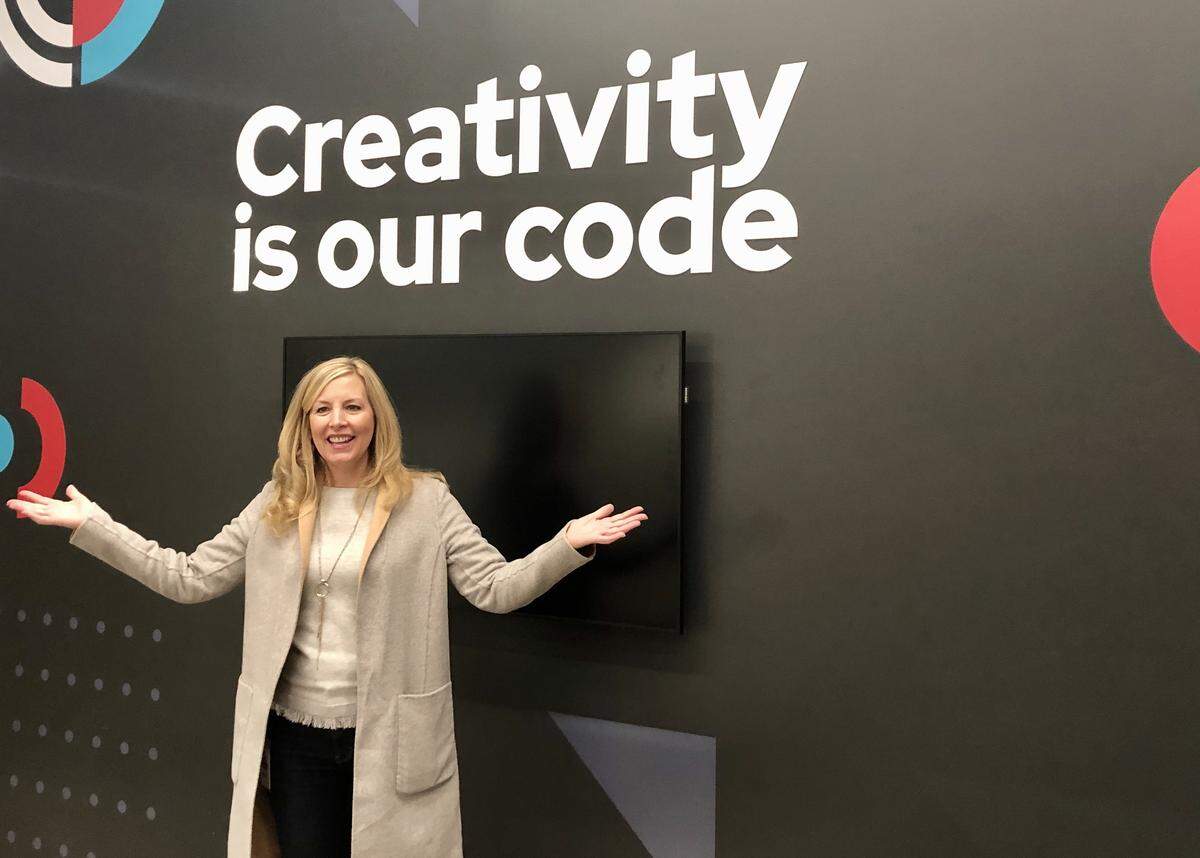
“People in our community really appreciate Red Hat, but they don’t really know what we do,” said DeLisa Alexander, chief people officer at Red Hat. “The opportunity to have the windows and have interaction with the community, we thought, will be great.”
“Of course, we make software and that is kind of boring,” Alexander said laughing, “...but we do have tons of creative people.”
Red Hat made the move for more than just branding opportunities.
The company is reconfiguring nearly every floor in the tower to make space more efficient as it faces a crunch from on-boarding so many new hires.
The company has more than doubled its headcount in Raleigh since it moved downtown in 2013 and it isn’t stopping. Last month, Red Hat said it had hired 1,000 more workers following its $34 billion merger with IBM, though those positions were spread across its global footprint of offices.
When Red Hat originally came downtown from N.C. State University’s Centennial Campus, the company had 600 employees. Now it has around 2,200 people working downtown in a building where Progress Energy once had 1,050 employees.
“We are definitely growing our business,” Alexander said, “so we will be hiring more people and being creative about how we find places for them to sit.”
To make room, the company has changed a lot of the ways its employees work, instituting a program called “Work Your Way” in 2016. Now individual employees have more autonomy in how they work — or as Alexander put it: You don’t have to clock in at your desk at a certain time.
Rather, you could start your day from home or leave early and finish at a coffee shop. Whatever helps you get your assignments completed is encouraged.
“People are incredibly mobile these days,” said Danny Seaton, who works in global workplace solutions for Red Hat. “The workplace has to be compelling. We want people to come here with their best ideas, but we also understand that they might jump down to the coffee shop for work, [or] they might work in the morning from home to get their kids off to school.”
For example, while there are 90 people expected to work in the former Bu.ku space, the company only put in 60 work stations, calculating that is all the desks they need given the flexibility of how people work.
That also has meant beefing up the number of shared spaces for employees. Inside the former Bu.ku, there are several private offices, common areas and work spaces that could fit groups of employees that might be working on a project together.
Seaton noted that Red Hat employees use collaborative space 54% of the time, much more than what he said was an industry average of 27%.
The company now keeps data on how all of its employees work to understand how they are actively using office space. That way it can create a heat map from responses to surveys from employees to determine how to design workspace.
Some employees need a permanent space, Seaton said, but others don’t.
But even though it needs to be more creative about space, don’t expect Red Hat to go buy more property in Raleigh just yet, Alexander said.
She said the company still has plenty of room in the tower for more employees.
This story was produced with financial support from a coalition of partners led by Innovate Raleigh as part of an independent journalism fellowship program. The N&O maintains full editorial control of the work. Learn more; go to bit.ly/newsinnovate
This story was originally published November 16, 2019 at 6:00 AM with the headline "As more Red Hatters are hired, space inside Red Hat tower becomes more flexible."