Durham startup bets its software can tell marketers how to make customers say yes
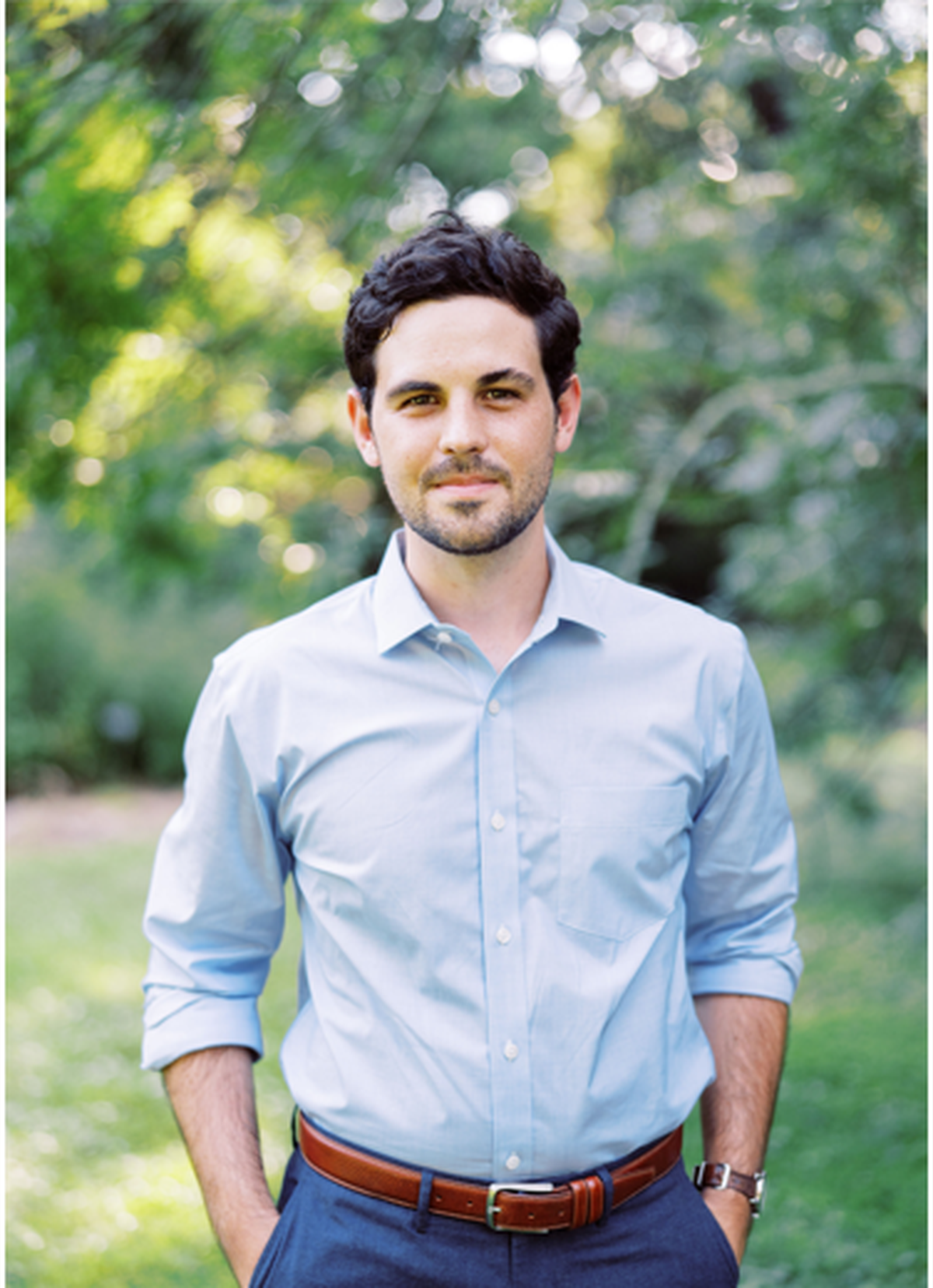
.jpeg "Alex Krawchick, founder and CEO of Klearly, left, stands with employees Brad Rubin, middle, and Erif Pfahl, right, in downtown Durham.")
Klearly, a Durham-based startup looking to kick off a machine-learning approach to corporate sales, has raised its first investment round of capital from institutional investors, the company revealed in a regulatory filing.
The company’s new funding comes from IDEA Fund Partners, the Durham investment group that also invested early in Raleigh’s most high-profile startup, Pendo, which recently reached a valuation of a billion dollars.
Lister Delgado, a managing partner with IDEA, said Klearly has a chance to be a special company, especially since its founder knows the marketing industry so intimately.
“What I tend to look for and what catches my attention is ... an entrepreneur that understands their industry,” Delgado said in an interview. “Experience is only as important as an understanding of the drivers of the industry they are working in.”
Delgado thinks Alex Krawchick, founder and CEO of Klearly, has that understanding in abundance.
Krawchick, who worked in marketing for most of his career at firms like SAS and IBM before getting an advanced degree in data science, founded Klearly in 2017 to solve the problems he faced working in marketing departments.
He was often left with the questions: What activities actually led to sales being completed and which were a waste of time or even hurting potential deals?
The company’s software is meant to find those answers, helping marketing and sales departments make predictions about how they should approach potential customers.
Through machine-learning and predictive analytics, Klearly could show a company whether something like a webinar is likely to lead to a potential sale or make one unlikely, Krawchick said.
“During the sales process all these things happen ... over a six- to 18-month cycle,” he said in an interview. “There’s webinars, there are sales people involved, there’s marketing, there’s emails — but there wasn’t a tool out there to help me understand what, of all the things that we’re doing, are positive and negative.”
He said companies usually implement a “spray and pray” strategy — throwing ideas on the wall and hoping some of them will click with customers. But while some things could resonate, he said, others might turn away potential customers, like a barrage of emails or webinars that take up too much time.
“We’d come in to work and be like, ‘OK, let’s just do emails. Let’s just do demos,’” he said. “There was no real data. There’s no science” behind it.
The round of funding will give Klearly $1.3 million in capital, which it will use to bring on more employees at its offices in the American Underground in downtown Durham and fine tune its product. So far, the company just has a beta version of its software. It is testing the software with several companies, but has yet to roll out a version to customers.
The product — which can comb through years of data by plugging into a tool like Salesforce — tells a company how likely, based on previous interactions, a customer is to buy their product. For example, if Klearly knows a company has already hosted a webinar, published a white paper and sent 30 emails to a potential customer, it might say there is a 30% chance that the company will close a deal, based on an analysis of previous events across several years.
But then Klearly’s software will recommend ways to boost the likelihood of a sale. For the next 30 days, Krawchick explained, Klearly might tell the company that if it stops sending emails and instead focuses on hosting two webinars, the potential customer will be 10% more likely to buy the product.
“What we want to do ... is help companies understand everything they’ve been doing, and what has been positively and negatively contributing,” he said. “And then, more importantly, what to do next. Because that’s the million-dollar question.”
Robbie Allen, the CEO of machine-learning startup Infinia ML and an angel investor in Klearly, said if the company’s final product delivers, it would be extremely helpful to all sorts of businesses.
“The problem that they are trying to solve,” said Allen, who previously ran the company Automated Insights, “I faced throughout my career starting companies and trying to figure out how to get clients through the pipeline and what activities are most effective.”
Allen said it’s not always clear what approaches really are making the difference between a deal being signed or abandoned.
“It is all a guessing game,” he said. “But there is a ton of data behind the scenes.”
Klearly has already nabbed some partnerships with both large and small companies to run its beta program. Zenefits, a San Francisco-based human resources software company, has committed to being a customer when Klearly officially launches its product.
Doug Sechrist, vice president of demand marketing at Zenefits, said he has been impressed with Klearly’s approach and its prototypes.
“This helps look at the whole data set from marketing to sales to retention,” Sechrist said in an interview. “It will help us ... use data that drives business towards what is most successful, the highest revenue generators, and weed out things that don’t have much success.”
This story was produced with financial support from a coalition of partners led by Innovate Raleigh as part of an independent journalism fellowship program. The N&O maintains full editorial control of the work. Learn more; go to bit.ly/newsinnovate
This story was originally published October 30, 2019 at 6:00 AM with the headline "Durham startup bets its software can tell marketers how to make customers say yes."