Your Home Might Have a Hidden Mold Problem. This 3-Step Inspection Can Help You Find It
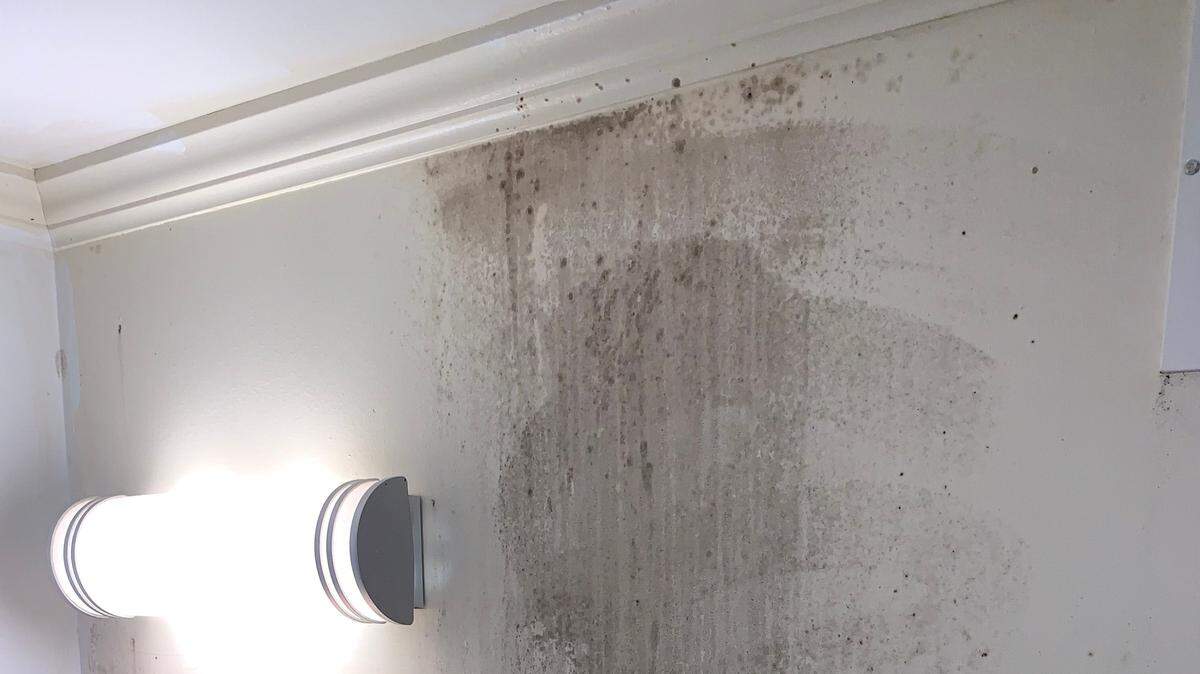
Mold is one of those household problems that often goes unnoticed until it causes real damage — to your home, your health or both. Recognizing the signs of mold in house environments early can save homeowners and renters from costly repairs and serious respiratory issues.
Whether it’s a faint musty smell in the basement, a cough you didn’t expect or a stubborn patch of discoloration on bathroom tile, the clues are usually there (and quite obvious) if you know what to look for.
What causes mold to grow indoors
Mold is a type of fungus that exists naturally in the environment, with tiny spores floating through the air both outdoors and indoors. It only becomes a problem when those spores land in the right conditions and start to grow — and once they do, mold can spread within 24 to 48 hours.
With that said, mold needs four conditions to take hold inside a home, according to the Cleveland Clinic:
- Moisture or water
- Oxygen
- A temperature between 40 and 100 degrees Fahrenheit
- An organic food source containing cellulose, such as wood, drywall, carpet or paper.
When all four are present, mold growth is almost inevitable. The result can be structural damage to the home and health issues for the people living in it.
Common sources of moisture, per the New York State Department of Health, include water leaks, drainage issues, damp basements or crawl spaces, steam from bathrooms or kitchens, humidifiers, wet clothes and poor ventilation.
Bathrooms, window moldings, refrigerator door seals and surfaces around AC units are especially prone to mold.
The 3-step inspection every homeowner should know
Fortunately, you don’t need to hire a professional to do an initial check. A simple, systematic walkthrough of your home can reveal early warning signs before mold becomes a bigger problem.
Here’s a 3-step inspection every homeowner should know.
Step 1: What you can see
The most obvious clues are the ones you can see. Any visible mold patch or sign of water damage is worth a closer look — and in many cases, a professional mold inspection.
Watch for these visual red flags:
- Visible mold patches in black, brown, green, blue-green, white, yellow or orange — often fuzzy or powdery
- Wall discoloration with yellow or brown stains, sometimes with slight texture
- Warped or bubbling paint
- Water leaks or moisture around pipes, windows or roofs
- Condensation in bathrooms, basements or crawl spaces
- Structural damage like cracks in walls, soft spots in floors or uneven, sloping floors
“Mold comes in different colors and textures, from black and green to white and yellow. If you spot any patches on surfaces like walls or ceilings, it’s likely mold,” Mark Brunke, senior plumber at John the Plumber in Florida, told Southern Living.
Step 2: What you can smell
Even when mold is hidden behind walls or under flooring, your nose may detect it before your eyes do. A musty, damp odor — often compared to rotting leaves — is one of the clearest indicators. In laundry rooms, mold mixed with excess moisture can produce hydrogen sulfide gas, creating a rotten-egg or sulfur-like smell.
“That musty smell? It’s a sure sign of mold or mildew. It’s caused by the release of compounds produced by mold and bacteria. Fix the moisture issue and improve ventilation to get rid of it,” Cullen Powell, owner of ProGrade Builders in Memphis, told Southern Living.
Step 3: What you can feel
We breathe in mold all day long. The problem starts when we breathe in too much of it — which is what happens in homes with high mold levels. Mold symptoms often mimic seasonal allergies, which is part of why the issue can go undiagnosed for so long.
Common signs of mold exposure, according to Harvard Health Publishing, include:
- Coughing and sneezing
- Watery eyes and runny nose
- Difficulty breathing and congestion
- Itchiness in the eyes, throat and nose
- Headaches, nausea and fatigue
- Asthma attacks and allergic reactions similar to hay fever
“Mold can trigger allergies, asthma attacks, and other respiratory problems. It’s especially risky for kids, the elderly, and anyone with a weakened immune system,” Brunke told Southern Living.
The effects can extend beyond the home, too. “We know it makes you more allergic to outdoor molds and even outdoor allergens,” David Miller, professor of fungal toxins and allergens at Carleton University, told TIME. “It causes chaos in your immune system.”
How to deal with hidden signs of mold in house
Sometimes you suspect mold but can’t find it. This is called hidden mold, and it presents a unique challenge.
According to the U.S. Environmental Protection Agency, investigating suspected sites can actually disturb the mold and make the problem worse. Removing wallpaper with mold growing on the underside, for example, can release spores that land and grow on other surfaces throughout the home.
“If you believe that you may have a hidden mold problem, consider hiring an experienced professional,” the EPA recommends.
A trained inspector has the tools and experience to find mold without spreading it — and can help homeowners address the underlying moisture issue that allowed it to grow in the first place.
Recognizing the problem is the first step. The next is acting before a small patch becomes a serious health and structural concern.
This article was created by content specialists using various tools, including AI.
This story was originally published May 8, 2026 at 1:00 PM with the headline "Your Home Might Have a Hidden Mold Problem. This 3-Step Inspection Can Help You Find It."