Garden Q&A: How to deal with struggling summer plants, bad compost and more
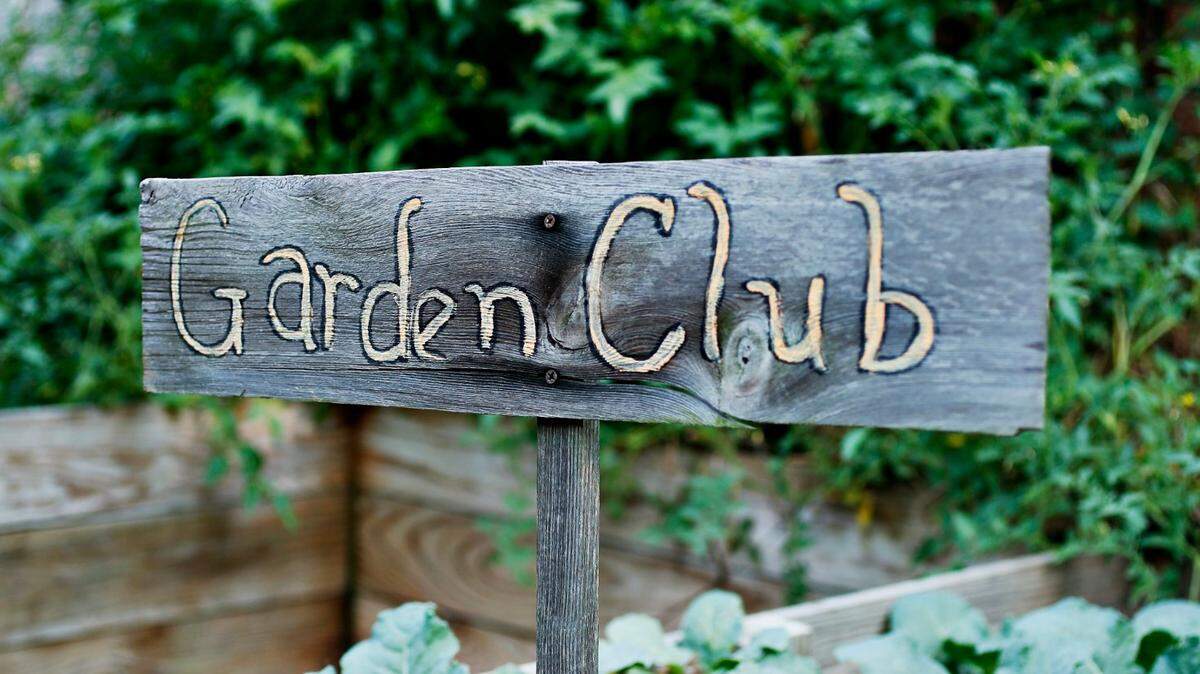
We’re in the thick of the summer season, y’all. Plants (like us) are shriveling from the heat, and many of us are wondering how to improve our hot-weather gardens.
The News & Observer chatted with Ashley Troth, an NC State Cooperative Extension agent at the Durham County Center, to answer reader’s questions sent during the month of June.
Here’s what you wanted to know:
Why you should test compost before adding to your veggie garden
Recently many gardeners in the area, including myself, have seen an increase of plant damage in the garden with recently added soil from multiple sources. Each of us have similar issues, including stunted growth, curling leaves, and yellowing of plants. Mainly tomatoes, beans and cucumbers. We’ve all agreed it’s not the seeds we used or plants we bought. All signs point to herbicide damage. … The bagged or delivered compost and soil all have one thing in common, cattle manure. Many of us are getting soil samples to have tested, but it may be months until any of us get confirmed results.
Troth explains the problem with contaminated compost:
“Contamination from compost is an ongoing question we get. To avoid this at the community garden our office runs, we let our compost sit for a full year before applying it. And they do that because they don’t know if the compost is contaminated with persistent broadleaf herbicides, which are weed-killing chemicals that can get into cut grasses and cow manure.
“Here’s how this can work: One farmer is using grass to grow hay, and they will use this class of herbicides to grow good pastures without a lot of weeds. They will bundle their hay and sell it to a pasture farmer who’s managing cows. This hay will feed the cows, and the cows will do what cows do, then the cow farmer is left with manure. That manure is great for compost, so the pasture farmer will sell the manure to a composter. But the herbicide put on that grass to make hay two farms ago is present in the manure, as it went through the cow’s whole system — but neither farmer knows that. This is a toy example, but it shows how you can lose track of chemicals pretty easily.
“The reason it’s so hard to test for this is because the herbicides impact your plants — and tomatoes are extra sensitive and get impacted the longest — at a parts per billion level, which is below the detection threshold. So it’s hard to get results from these tests, and the tomatoes will die.”
But Troth says there’s good news here:
▪ “One, the herbicides break down over about a year. The herbicides break down by a combination of UV and microbial activity, and a year is enough time for that to happen. That’s why we, at the Extension community garden, have our compost sit for a full year — that makes sure it’s safe to use on vegetables.
▪ “Two, you can always make your own compost. I don’t use cow manure in my compost, so I know this herbicide that’s sometimes present in cow manure just won’t be in my compost.
▪ “Three, do a pot assay, or a pot test. This is simple to do, but you have to do it far ahead of the season to know if your compost is good enough to lay down before you plant in your bed. So you’ll buy a lot of compost — one or two yards at one time, since you want to test for a full batch — and put a little bit of it into a small pot. Then, put a baby tomato plant in it and watch it for a couple weeks. If the tomato plant is humming along and putting on new leaves (and I recommend seeing four new leaves), then your compost is fine. Spread it on your garden. But if you see distorted new growth, the compost is bad.
What do I do if my compost is bad?
If your compost is bad, that doesn’t mean you need to throw it all out, says Troth.
“You have a few options. You can keep it on the side of your yard for a year, then use it next year. You can spread it over your lawn, or over your bushes or shrubs. You can also put it on your cool-season brassica plants within your vegetable garden because, funny enough, brassicas — kale, broccoli, kohlrabi and more — aren’t as impacted by the herbicides.
“So, if you’re transitioning to a winter garden soon (which we’ll start doing in August), you can lay this compost — even if it’s bad — on your garden bed if you’re growing brassicas. Then by the time next summer comes around, it’ll be enough time for the herbicides to degrade, and the compost will be safe for next year’s tomatoes and other fruiting summer vegetables.”
Troth pointed readers to two Extension publications that get into the weeds (totally intentional pun) about this. If you want to dive deeper, visit content.ces.ncsu.edu/herbicide-carryover and content.ces.ncsu.edu/manage-compost-and-soil-contaminated-with-broadleaf-herbicides-in-gardens.
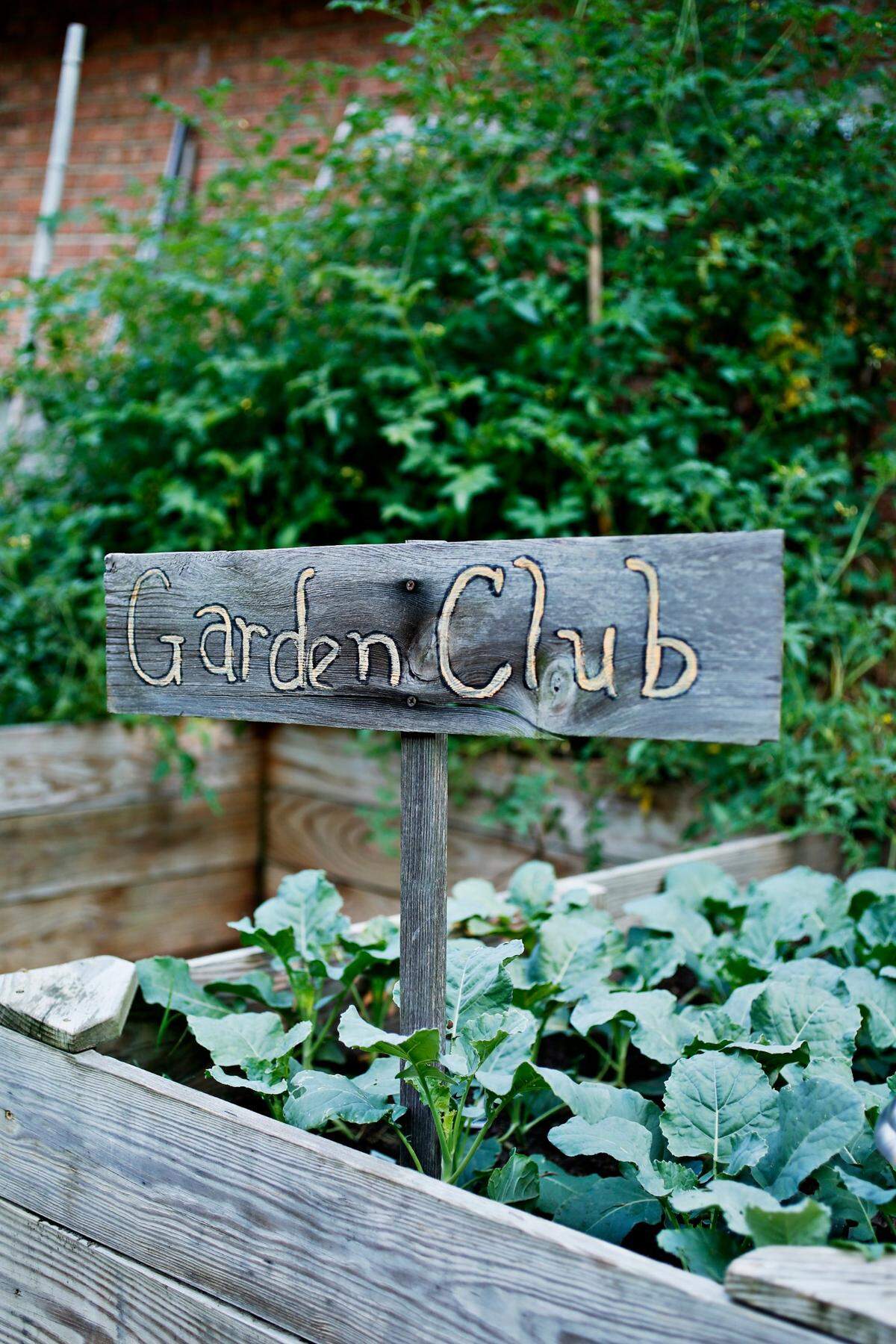
How to help late-summer struggling vegetable plants
If some of our plants didn’t make it through the whole summer, are we able to rip them out and plant some new ones right now? Or do we have to wait until next year?
Troth:
“There are a couple summer vegetables you can try planting again. I say that with some hesitation, but you could, for example, maybe have some luck with bush beans. You might have some luck with cucumbers too. At this point in the summer, it’s too hot for tomato plants.
“But generally, I’d say it’s not the best thing to do. Even though it sounds crazy, we’re close to transitioning from our summer to fall garden. So now, take stock of what you have, see how it’s doing and think about what you want to start planting in August. This is a glorious moment where we all get to hit reset.
“Broccoli, brussels, kale, cabbage, lettuces — most of that will be planted in August or September. I’d say instead of trying to force a summer garden to happen again, it’s time to start thinking about the cold season garden. It’ll be here really soon!”
Vegetables to plant in July
Are there any vegetables we can plant in July? Preferably seedlings, but seeds too.
Troth:
“We definitely have a theme to this Q&A — wait for next season! Your plants don’t want to thrive in July. They don’t even really want to be outside in July. If you’re outside in July, you realize you don’t even want to be outside in July.
“We’re looking ahead to next month for cool-weather crops. It feels like the dead of summer right now, but cool-weather planting is coming soon.”
Is it too late to plant tomatoes?
How late can tomatoes be planted in the Piedmont? Specific kinds?
Troth:
“There’s always this idea that you can double crop tomatoes. Plant them now and get a great second crop. Some people are definitely successful, but I’ve found that this is really hard.
Instead of trying and having a scraggly tomato, wouldn’t you rather have beautiful kale? But if you really want, you can try planting tomatoes now. But stick to smaller fruits — cherries mostly, maybe grapes.
“But beware that tomatoes cannot properly fertilize themselves over a certain temperature, which in the Piedmont, is all of August. If you’re successful with the double crop, you’ll get your fruit in September. August is too hot.
“These 90-degree days mean any flowers that open right now will not set fruit. When it gets hot out, they’re still metabolizing at a high rate, but they can’t balance properly anymore. They start getting stressed and having a really hard time. Your plants will quickly start showing disease signs, mostly yellowing and spots. We hang on and feel optimistic that it’ll turn around, but it’s too hot and mostly doesn’t.
“But we’re optimists! The disciplined gardeners worrying about production know it’s time to rip out the plants in August and look ahead to the fall garden. And those who are great at ripping out and planting for the next season do much better volume-wise than the optimist.”
Weather-proofing your summer garden from thunderstorms
How can you best cover your outdoor garden during heavy storms?
Troth:
“You could try a row cover. This is something we typically do more in the cool season to protect from frost. You take a really lightweight fabric (you can use any one you have), and often you have hoops that go into the ground, then the row cover gets clipped on. If you have a bad storm coming, you can put the cover on and use rocks to hold it down.
“For low-height plants like squash, everywhere they touch on the ground can be rooted. Take a rock and put it over the spot where it’s touching the ground on the squash vine to make the vine touch the ground and form roots there. Even better, you can pile soil over where the vine touches the ground and encourage roots to grow there. But people with well-anchored squash plants ramble over the edge of the bed and connect to the ground in multiple places, which helps when wind comes through.
“Tall plants are for staking and trellising — that gives additional support. My tomato plant almost snapped in half during a storm. So I tied it up and hoped for the best, and now it’s fine. Tomato plants are hilarious. The first sign of a fungal spore and they’re fainting, but you can break them in half and with a little diligent watering, they don’t mind.”
How to keep bunnies and deer away from ornamentals, flowers
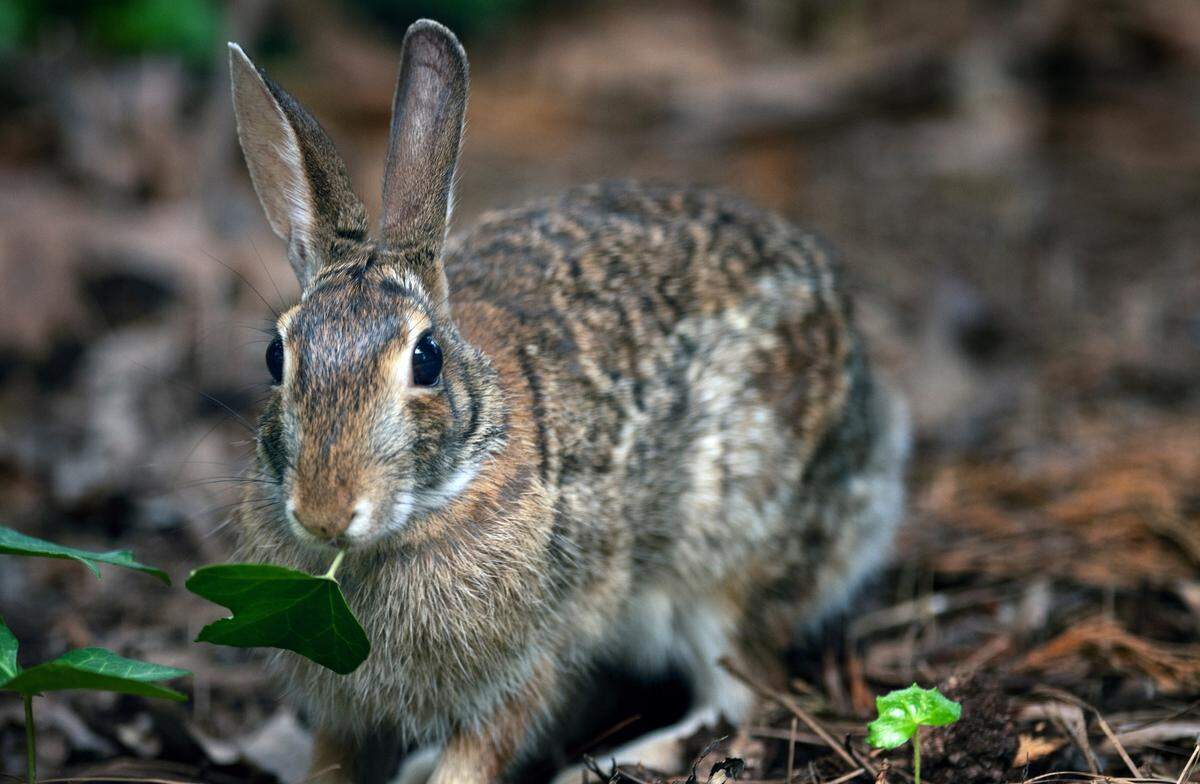
There are rabbits eating small plants, especially black-eyed Susans, in my garden. How can I save the plants?
Troth:
“The best way to handle rabbits is to add fencing about two feet tall and a couple inches underground. You can buy it at a garden center or big box store. It’s literally called rabbit fence, and it looks like chicken wire. If it’s bigger than an inch or two with openings, add some smaller fencing below for the baby rabbits. Otherwise they’ll get in and just grow up in your bed.
“If you have brush piles where they can live and nest, clearing some of that will help get rid of them. Granted, it will also get rid of any other wildlife living in that brush, which you might not want to do if you want your yard to be a wildlife reserve.
“Some people find deterrent sprays effective. They might have a peppery taste, but you have to reapply with every new growth and after rain pretty regularly. With deer, and maybe with rabbits, some have had luck planting aromatic herbs — the strong, hard-leaved rosemaries and sages. Deer don’t like them, others might not too. But they only work until the animal is really hungry, and then they don’t care.
“Most people don’t like this answer, but exclusion nets are the only things that are really foolproof. It’s a bummer, but what would you prefer? An eaten black-eyed Susan, or an attractive fence with beautiful flowers?”
Questions about backyard gardening?
Do you have questions about your backyard garden? Any stories you’d like to see about gardening topics? Tell us here! Or email kcataudella@newsobserver.com.
This story was originally published July 8, 2022 at 3:30 PM with the headline "Garden Q&A: How to deal with struggling summer plants, bad compost and more."