Gardening: How to identify, prevent diseases with advice from plant pathology expert
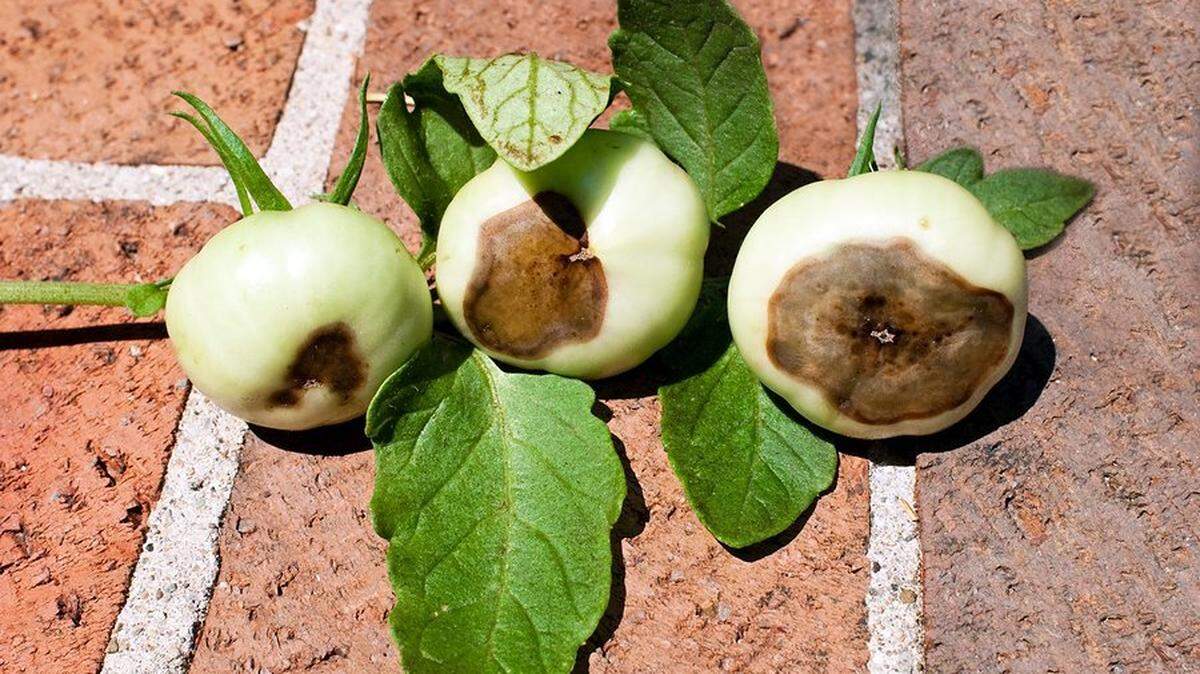
Plant diseases are unavoidable — especially in central North Carolina, where our summers are extra hot and extra humid.
But that doesn’t necessarily mean our plants are ruined.
The News & Observer spoke with Inga Meadows, an NC State Extension plant pathologist, to answer basic questions about dealing with diseases in our backyard gardens.
Responses have been edited for length and clarity.
How do you identify a plant disease?
Meadows:
“This is the first step in any plant problem diagnosis. It can be tricky, but there are some clues to help you figure this out.
“Symptoms due to abiotic diseases (those caused by non-living factors, such as nutritional deficiencies or herbicide spray drift) typically start abruptly (overnight) and show a consistent pattern in the garden (i.e., each plant will show the same level of severity or an entire row of plants will show the same symptom and to the same extent).
“Plant diseases typically occur in patches in a field/garden, and individual plants may show varying levels of severity. Depending on the problem, sometimes plants will ‘outgrow’ the abiotic issue if it gets resolved, whereas plants don’t typically outgrow their diseases — diseases usually progress in severity over time.
“Gardens also typically have more than one crop, so if multiple crops are affected at the same time, then it’s most likely an abiotic issue. Plant diseases tend to be crop-specific or at least occur within a plant family (e.g., Solanaceae vs. Cucurbitaceae). Of course, there are always exceptions!”
For more on abiotic disease, visit content.ces.ncsu.edu/extension-gardener-handbook.
Are plant diseases curable?
Meadows:
“The short answer is no, diseases are not curable.
“There are some pesticides available to commercial growers that say they are ‘curative,’ but this just means they are systemic in the plant and can stop the progression of the disease for as long as that fungicide lasts in the plant. Once the fungicide is gone (one to two weeks usually), then the disease will begin progressing again. So, the disease doesn’t go away, the pesticide just slows it down for a period of time.
“Also, the environment plays an important role. For example, bacterial spot on tomatoes spreads pretty rapidly when we have a lot of rain, high humidity and heavy dews. However, if the weather turns dry where we don’t get rain for a couple weeks, bacterial spot will literally stop, and it may appear that the disease is stopped or the plant is cured. Once the rains return, the disease ramps up again.”
What’s the best way to get information about your specific garden disease?
Meadows:
“The most reputable sources of information are from universities. Many land grant universities have extension programs that publish brief websites that outline some of the more common diseases we see on vegetables (and other crops), including what the disease looks like, where/when it might occur, host range and management. At NC State, we call them disease fact sheets. A gardener can use these fact sheets from any university, but I typically recommend people to seek out those from their own state or nearby states as those will have the most relevant information.”
“As we all know, there is a lot of misinformation on the internet. I recommend avoiding information (or at least cross-referencing information) you find from sites selling something. Many of these sites are biased, and the web is full of supposed plant diseases remedies that do not work. You can always check with your local extension agent. In North Carolina you can use this link to find your local agent.”
For NC State Extension’s disease resources, including fact sheets, visit gardening.ces.ncsu.edu/diseases.
To find your local NC State Extension agent by county, visit ces.ncsu.edu/local-county-center.
Do you have advice for not getting overwhelmed when plant disease strikes?
Meadows:
“In North Carolina and the south, in general, our hot and humid environment with frequent rainfall is ideal for pathogenic fungi and bacteria, so just realize it’s part of the gardening experience in the east, unfortunately.
“Disease pressure is greatest later in the summer, so I recommend home gardeners plant early (minimizing frost damage, of course) so they can at least get some harvest before disease completely wipes out the plants. If you (as a gardener) are still harvesting in August and September, consider yourself pretty lucky!”
How can you ensure your garden is the healthiest it can be so diseases are less likely to strike?
Meadows:
“It’s best to make sure your plants are as healthy as possible which includes adequate fertilizers, water and sun or shade requirements. Not too much, not too little. It’s also important to maintain proper air flow among plants by spacing them according to recommended practices. If plants are too close together, the high humidity among plants can exacerbate fungal and bacterial diseases.
“Keep in mind that even if you do all the above, you may still see disease, it just won’t be as severe as if you didn’t do the above mentioned practices. (Not to be too discouraging here.)
“It’s also important to rotate among crop families. This means that if you plant tomatoes (Solanaceae family) in one bed this year, put something from another crop family (e.g., Cucurbitaceae or squash) in that space next year. This will help reduce any pathogen populations that have accumulated in the soil.”
Should you remove diseased plants (or parts of plants)?
Meadows:
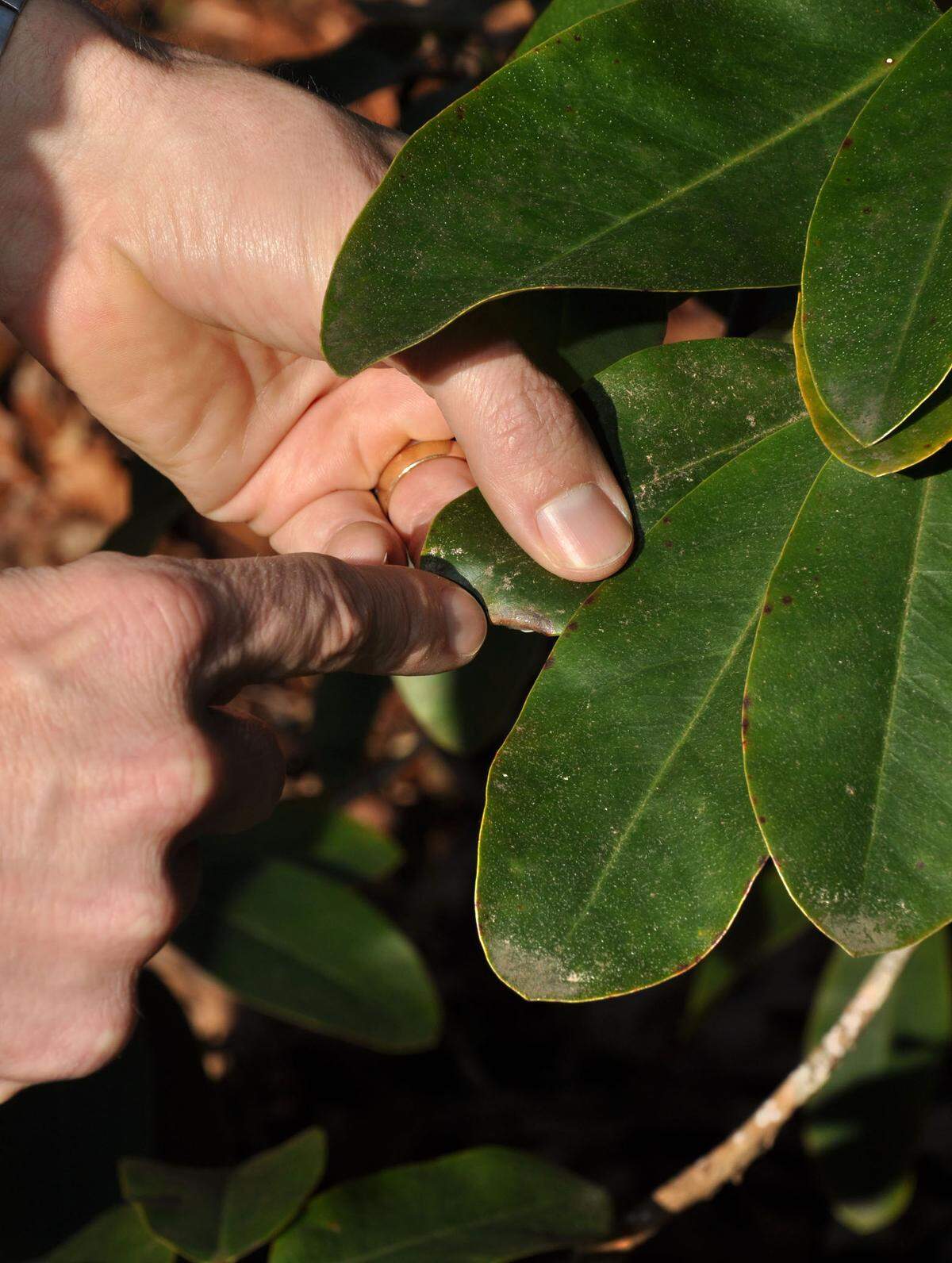
“Yes, but there is a limit. If you see a root disease where the entire plant is wilting, it’s a good idea to remove it and dispose of it to help avoid spread. On tomatoes, you can also remove lower leaves that start showing disease, but obviously there is a limit to this. I’ve seen people remove all the leaves and have no fruit.
“Also, avoid putting diseased plant material in compost that will be re-used because pathogens can survive in compost. Sending it to the dump is best!”
Do fungicides control diseases?
Meadows:
“Fungicides can be really helpful for having a good harvest. The fungicides available to homeowners are limited and should be used preventatively (before disease occurs or gets severe) and reapplied every seven to 14 days to be successful. You may still see disease, but it will certainly be less than if nothing was sprayed. Use them according to the label and recommended rates.
“Keep in mind that it’s really important to do all the recommended cultural practices to limit disease before reaching for a fungicide because they work best when used in conjunction with cultural practices. (Cultural practices are those mentioned above, such as adequate nutrition, water, spacing, etc.)
Should I grow organic / use organic products?
Meadows:
“Organic practices are great, but keep in mind that there are many products out there that are not effective, even though they claim to be effective, so just use caution when reaching for an organic product. We evaluate a lot of fungicides for efficacy each year (synthetic and organic), and very few organic products are worth recommending, unfortunately.”
Here are Meadows’ recommendations:
▪ Neem oil can be effective for general fungal, foliar diseases.
▪ Copper-based fungicides can be effective for fungal and bacterial foliar diseases.
▪ Sulfur products are good for managing powdery mildew on cucurbits (like cucumber, squash and pumpkin), but temperatures above 85°F can cause the sulfur to burn the foliage, so be careful using them in the summer heat.
Questions about backyard gardening?
Do you have questions about your backyard garden? Any stories you’d like to see about gardening topics? Tell us here! Or email kcataudella@newsobserver.com.
This story was originally published June 10, 2022 at 11:10 AM with the headline "Gardening: How to identify, prevent diseases with advice from plant pathology expert."