How to talk to kids about traumatic events? Experts give advice.
When terrible news breaks, our first instincts might be to shield children from the dangers of the world.
But experts say that’s the wrong thing to do.
The News & Observer interviewed local doctors to get advice on how adults can talk to children about violence in the news, traumatic events and personal hardship.
▪ Karen Luley, a clinical child psychologist, works with Triangle Child Psychology in Durham. Her office offers psychotherapy for children, parent therapy and group therapy.
▪ Robin Gurwitch, a licensed clinical psychologist, works with the NC Child Treatment Program in Durham. Her office offers evidence-based practice training to over 250 mental health providers per year, as well as treatment in community-based settings like schools and Juvenile Justice facilities.
▪ Dr. Jim Bedford, a professor of child and adolescent psychiatry at the University of North Carolina at Chapel Hill, who spoke to us after a mass shooting in Raleigh in October 2022.
▪ Information from the Huntsman Mental Health Institute at the University of Utah on how to talk with your children if they experience someone close to them dying by suicide.
Here’s what we learned.
Don’t shield your child from the news. Talk about it.
Young children pick up on more than you think, Gurwitch said. Even if you’re not sharing details of events with them, they still understand that something is wrong.
Expect school-aged children to talk about events in the news — like a mass shooting or a natural disaster — with their peers when they’re out of the house.
“In today’s day and age, there’s very little kids don’t know about,” Gurwitch said. “Maybe you think your six year old doesn’t know, but their best friend has a sister who’s 14, and they get on the bus together, and the six year old says to your child, ‘Did you hear what happened?’”
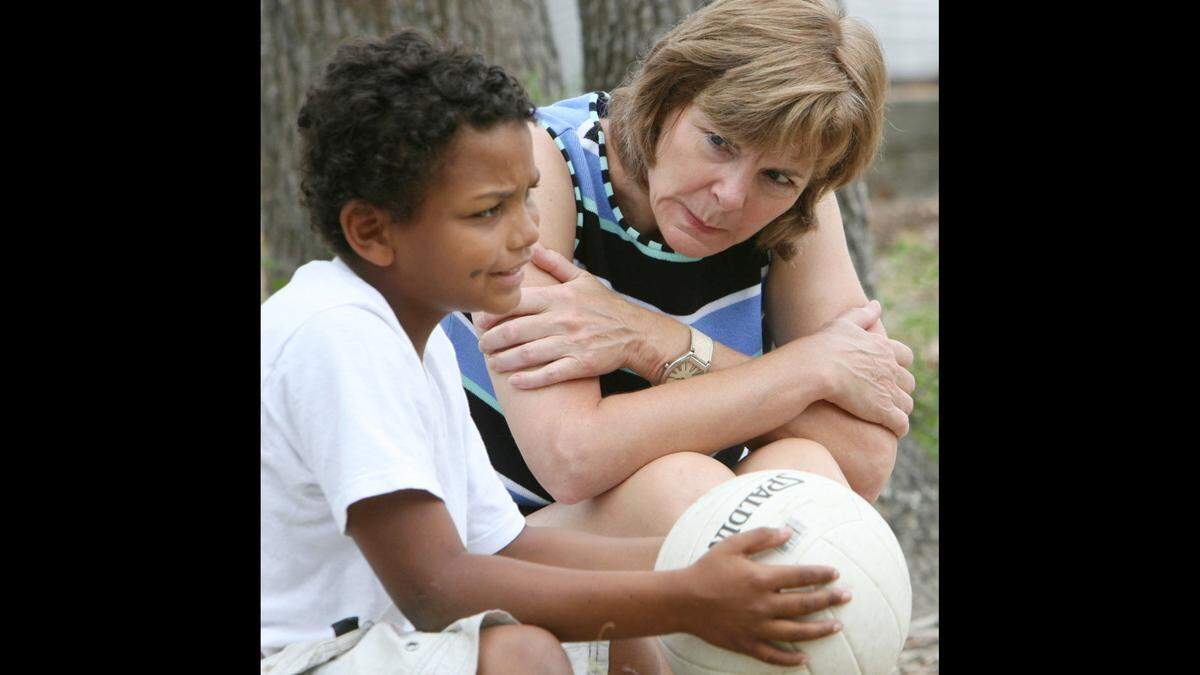
Talking helps build a bond with your child
By showing your child that you want to talk about difficult things, you’re teaching them that they can come to you in the future for difficult conversations.
“If you can talk to your children about the hard things that happen in a way that promotes not only the child feeling listened to and heard but also supported, it sets up a lifetime of trust,” Gurwitch said.
“They’ll think, ‘My [parent] is willing to talk about hard things.’”
Listen first, then educate
Ask your child what they already know about the news, Gurwitch said. By listening to their understanding and asking where they learned about it (could be from a schoolteacher, a television program or a newspaper), you can understand how your child is engaging with current events.
Commend them for their understanding, and fill in their gaps with factual information to teach them what’s going on.
“When you talk to a child, you might say: ‘Something horrible happened. A natural disaster far away from us. A shooting at the mall in town. Fill in the blank. So tell me what you know about it,’” Gurwitch said.
“Asking them what they heard allows you to hear what the child understands, and it lets you know where to start the conversation,” she said. “It shows you what they might misunderstand or misperceive.”
Validate their feelings
▪ Ask them how they feel about the thing that has happened and then validate their feelings, Luley said.
“Be honest about your own feelings. You can say, ‘I was really sad. I was sitting at lunch when I saw the news. I feel so sad for the families,’” Luley said. “But be age appropriate — you don’t want to be bawling your eyes out; that will be overwhelming for the child.”
▪ While it’s OK to talk about your own emotions, remember that children will look to you to understand how to feel moving forward. If you’re visibly worried, your child will worry too.
Do your best to act calm at home, and have conversations about your own worries behind closed doors and out of earshot, Gurwitch said.
Children may ask: “Will that happen to me?”
When tragedy strikes, our natural instinct — child or adult — is to wonder if the same might happen to us, our friends or our family.
Children rely on the adults in their lives to keep them safe, so reassure your child that you — and other trustworthy grown ups in their lives — will protect them.
“We should be able to say, ‘This is what we’re doing in our family. This is what’s happening in our neighborhood, so we’re safe,’” Gurwitch said.
Action steps are often helpful.
Children feel better when they know how they can be in service, Gurwitch said. Here are some examples of how:
If the traumatic news impacted someone you know (for example, your neighbor’s house caught fire), you can teach them about the stove safety measures you have in place.
You can cook a meal with your child to bring to the impacted family, making your child feel like they are making a difference to remedy the situation.
Foster a sense of agency or activism. Luley: “If there’s a disaster, you can ask your kids, ‘Is there anything you want to do? Do you want to send cards? Do you want to bake food for someone grieving? If it’s related to racial violence, how can we be activists in our community? That can also help to manage the strong emotional response.”
If the difficult news impacted someone or people you don’t know (for example, there was a mass shooting in a grocery store across the country), you can research local organizations helping the cause and donate some money as a family, Gurwitch said. You can look into groups local to your neighborhood donating time and energy to prevent similar situations happening in your community, and as a family, you can give time or money to them.
“Sometimes kids do better — adults and kids — when they know there’s something they can do about it. So instill hope in your kids,” Luley said. “You can say, ‘That’s why we want to work as a family or community to make things better.’”
Put it in perspective.
In a situation such as the one with violence in Ukraine, kids need reassurance and understanding that the chances they will be directly impacted by violence in Ukraine is very minimal, Luley said.
“Talking about the distance between the U.S. and the countries involved can be very helpful — pull out a map or a globe to help illustrate.”
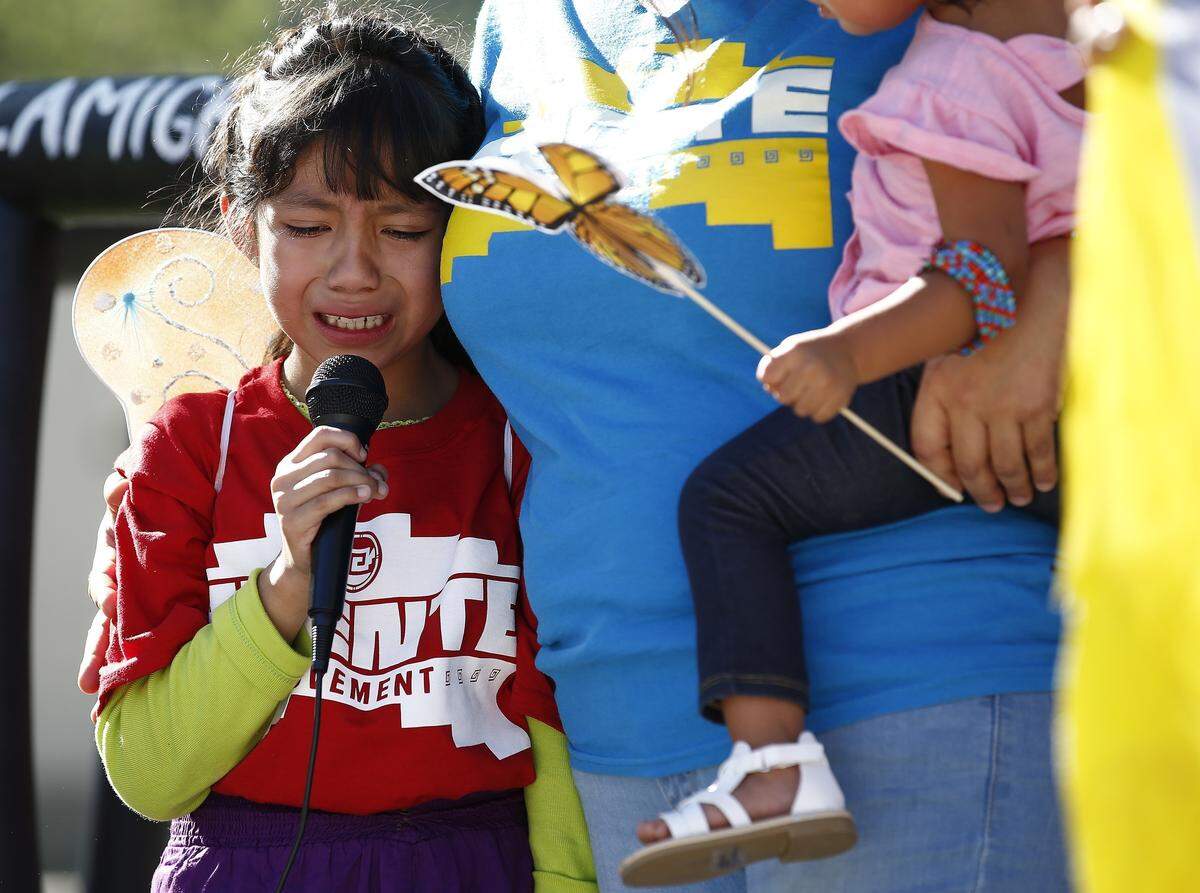
It’s OK to not have answers
Some families’ conversations about violence in the news look different than others.
For example, Black families’ conversations about police interactions often look different than non-Black families’ police-related conversations. Families with LGBTQ+ members can have different conversations about bullying and unequal treatment than families with members outside of that community.
Your child’s friends at school will likely share details from their family conversations about different topics, and it can worry your child that these conversations look different between families, Gurwitch said.
“Younger kids put things into black and white, either good or bad. And we need to explain to children that victims are not bad people, and they haven’t necessarily done anything wrong,” Luley said.
What can you do?
- Have frequent conversations about race and privilege. That way you can talk to your children about events in the news by drawing from conversations you’ve already had.
- Commend your child for wanting to learn and do more, even if you don’t know how just yet.
How to talk to your children about school or mass shootings
Bedford said that following a tragic event, such as a mass shooting in the community, parents will need to help children process what has happened, or they may become anxious, stressed and overwhelmed.
“Parents should speak with their children about the facts of what happened and be simple and clear, and not overwhelm them with too much information, but use language that they’ll understand and that’s appropriate to their age,” Bedford said.
Bedford also suggests:
- Encouraging children to talk, but if they aren’t ready, that’s fine.
- Trying to moderate a child’s media exposure to the event, so that they’re not just watching and listening on endless repeat.
Luley offered this advice to parents talking to their children about school shootings:
Validate their emotions: “In our attempts to help our children feel better after a tragic event, we sometimes minimize their emotional reactions, but it’s important that we listen and validate their anger, sadness, or fear,” Luley said.
Give them your time, listen to them and thank them for sharing those feelings with you. Here’s where you can acknowledge that you share those feelings too.
Tell them what makes you feel safe: You can share what makes you feel better when you’re worried about their safety at school, Luley said.
These can be specific safety measures such as locked doors, front desk check-in and safety drills that classrooms can practice ahead of time.
Let them ask questions: “For those children who need to ask a lot of questions or who seem to focus on scary details of the story, let them talk and keep answering those questions patiently and supportively. This is how children process things,” Luley said.
How to talk to your children about suicide
Suicide is a leading cause of death among young people in the U.S. While it’s a tragedy no one wants to imagine, your child may experience someone in their life — such as a family member or classmate — dying by suicide.
If this happens, or even if it doesn’t, your child may have questions about suicide. While having conversations about the topic may be uncomfortable or difficult, the Huntsman Mental Health Institute says it’s important to do so, especially because it can help “dispel misinformation.”
“Talking about suicide doesn’t put ideas in someone’s head or cause suicide,” the institute says. “Rather, it helps create a safe environment where children can ask questions. Don’t avoid the conversation because it is difficult.”
Institute psychologist Dr. Kristin Francis breaks down the appropriate conversations to have with children about suicide by age group:
▪ Children younger than 7: If a child younger than elementary age asks about suicide, it’s best to make your answers “short and to the point,” Francis told the institute. Talk about suicide like other health conditions, such as heart attacks or cancer, and try telling your child something like, “This person had a disease in their brain and it took over.”
▪ Elementary age children: For children in elementary school, or roughly between ages 7-10, you can add more detail to your answers, Francis told the institute, but it’s best to still keep answers short. “Continue to emphasize that the individual died from an illness and that death is sad,” the institute’s website says. “It’s critical that the parent follow the child’s lead and answer their questions truthfully while being careful not to provide too much information the child may not be ready for.”
▪ Middle schoolers: By this age, your child may have heard people around them talking about depression or other mental illnesses.
“Ask what they have heard or what they know about suicide, what feelings they have about it and what they believe to be true about the causes of suicide,” Francis told the institute. Doing so “allows you to correct misinformation and enter the conversation where they are.” For example, it’s important to tell your child that when a person dies by suicide, it wasn’t the person’s fault.
It’s also a good idea at this age to talk to your child about warning signs for suicide, Francis told the institute. You may decide to ask your child if they have ever thought about suicide, or if their friends have.
“Don’t fear the question, you want your child to trust you and feel safe that they can talk to you about this serious topic,” Francis told the institute.
▪ Teenagers: When your child enters their teenage and high school years, “it is likely they know someone with a mental health condition,” the institute says. While you should continue to have conversations and answer questions about suicide if they come up, you should also encourage your child to recognize the signs of depression or suicide in their friends, and help them know what to do if that happens.
“Ask your teen what they will do if they start having suicidal thoughts, or when they are concerned a friend is having suicidal thoughts,” Francis told the institute. “Let them know depression and other mental health conditions are not from a person being weak or a lack of willpower, but illnesses that can be treated. Make sure they know that help is available and that they can always come and talk to you.”
There are lots of resources to help
Luley recommended the Child Mind Institute’s guide to help children cope after a traumatic event. There are resources to help children ages 0 to 18.
She also recommended the How to Talk to Kids About Anything podcast with Robyn Silverman. There are episodes about friendship, pornography, anxiety and suicide.
Gurwitch recommended the National Child Traumatic Stress Network’s Psychological First Aid for Schools Field Operations Guide. This guide can help teachers, parents and caregivers respond to stressful and traumatic events with young ones.
This story was originally published February 25, 2022 at 2:40 PM with the headline "How to talk to kids about traumatic events? Experts give advice.."