
Rock-a-bye manta ray, in the ocean: The first manta ray nursery is found
A massive, silent shadow passes over a diver exploring a coral reef 100 miles from land in the Gulf of Mexico.
Phew! It’s not a shark, it’s a baby manta ray, frolicking in the diver’s air bubbles in the world’s first recognized manta ray nursery ground. In a paper published Monday, researchers from San Diego identified Flower Garden Banks, a national marine sanctuary, as a childhood home for the gigantic and rare animals.
Adult manta rays use their size as their main defense — they’re too big to eat. They range from 10 to 23 feet across. But smaller juvenile rays have more to fear from predators. Researchers suspected that the kids separate from the adults in safer nursery grounds, especially because people hadn’t seen many baby manta rays in the wild.
“I’ve only seen one or two juveniles before going to Flower Garden Banks,” said Joshua Stewart, study co-author and doctoral candidate at Scripps Institution of Oceanography. “The very first dive I did there, the first manta I saw was a juvenile male, and I was super excited. I talked to the sanctuary staff, and they told me that’s totally normal.”
For almost 30 years, sanctuary staff members have kept on eye on the manta ray population. They identify individual manta rays from underside markings and track their travels across the three banks that make up the sanctuary.
“We had always thought that the mantas in the gulf were a little different. We just never expected them to be juveniles and this to be a special place for mantas to grow up,” Michelle Johnston, research biologist at the sanctuary and co-author of the study, said. “It’s wild; they’re so cute.
“I’ve had many mantas hang out with me on fish surveys. Sometimes it’s almost annoying. Like, 'Dude, get out of here, you’re scaring away the fish!'”
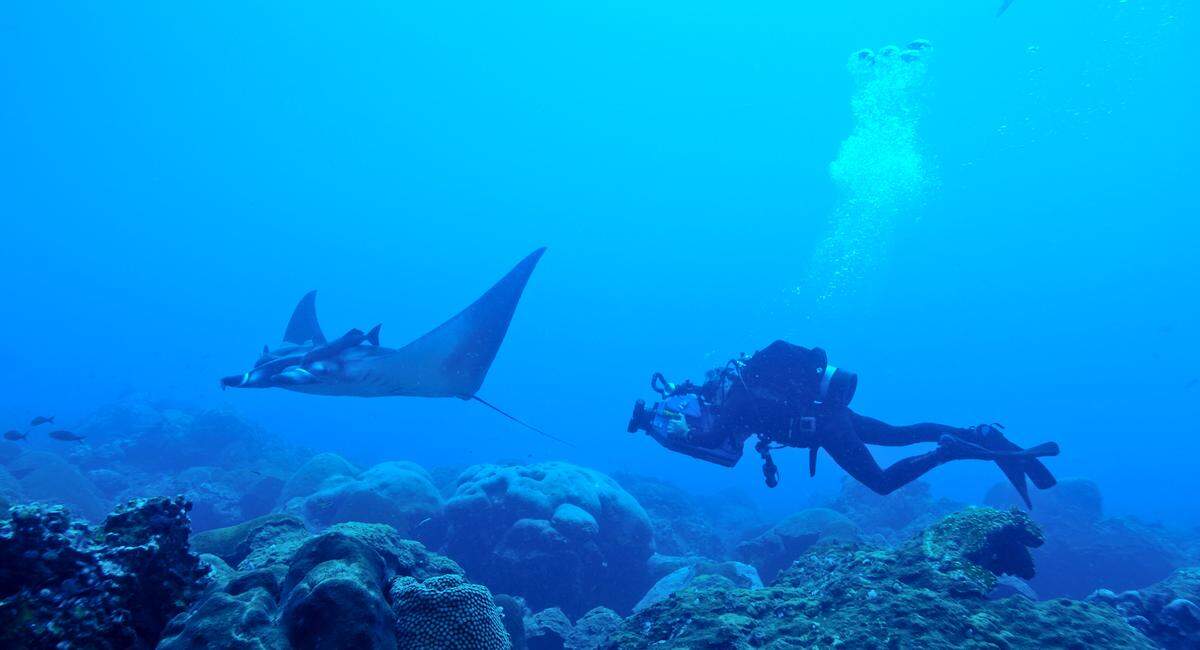
When Stewart visited the sanctuary, he went through the 357 sightings recorded since 1997 and estimated that the average manta ray size there was just over 7 feet — definitely small. He also noticed that the males had underdeveloped claspers, or genitals. That meant they were actually juveniles and not a smaller, local variant of manta rays.
“If we can find a nursery ground for any species, that’s important for management purposes,” Morgan Freese, an educator at the N.C. Aquarium on Roanoke Island, said. “If you want a population to grow and thrive, you need to know where the pups are.”
Giant manta rays live in the deep ocean and rarely venture near humans, though last year a car-sized manta ray surprised one fisherman off Hilton Head, S.C.
“They’re amazing,” said Chip Michalove, the owner of Outcast Sport Fishing, who uploaded a YouTube video of a manta ray he spotted during a fishing trip. “It’s like seeing the Starship Enterprise out there — it’s really wild to see something that large.”
Researchers usually look for manta rays near shore at “cleaning stations,” reefs where small fish and shrimp slurp up worms or other parasites that have latched on to larger creatures.
“You go to the dentist and get your teeth cleaned,” Stewart said. “The cleaner fish will swim up to [the manta rays] and start eating the parasites off of them. It’s like a little spa day.”
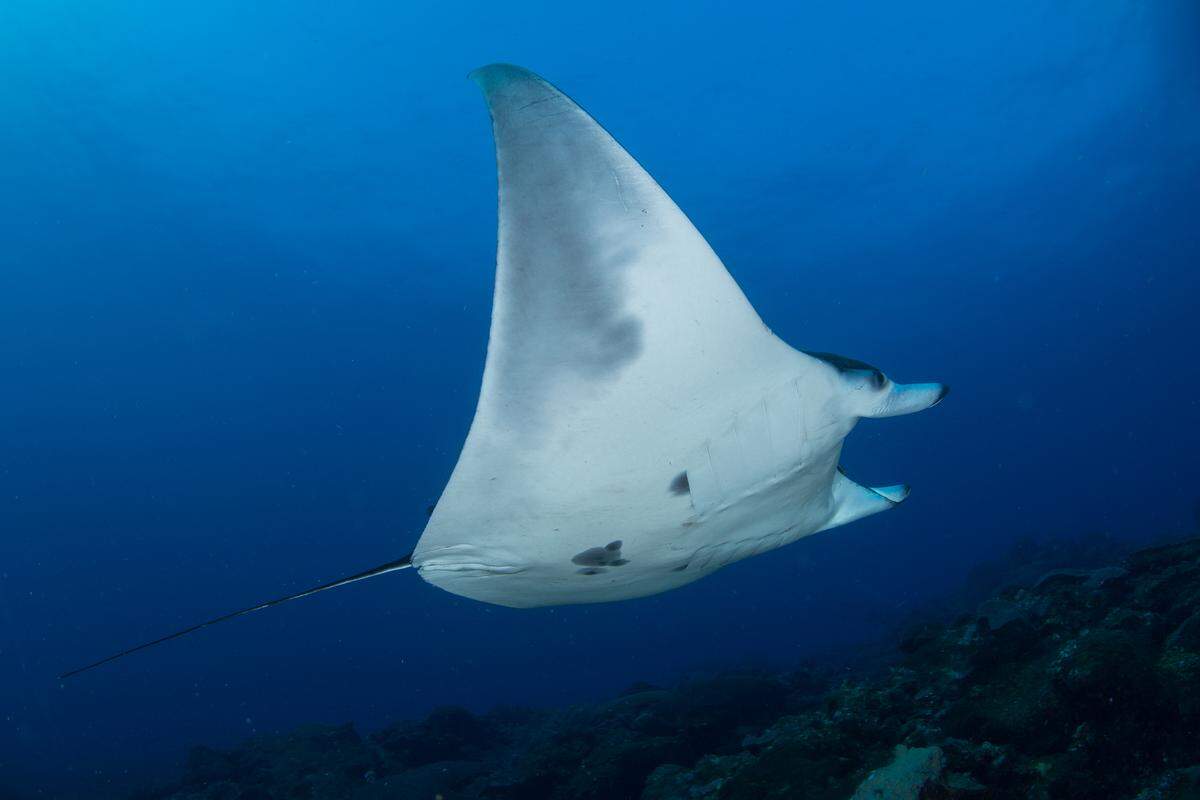
But divers rarely see juvenile manta rays at cleaning stations. Designating the sanctuary as the first known manta ray nursery will help future understanding of these giants of the ocean.
“This research backs up the need for protection of other critical habitat, especially since manta rays have recently been designated as threatened species,” Johnston said. “Threatened species need a safe space to grow up and thrive and live.”
Every creature affects its environment, and research and conservation of ocean animals help keep our world healthy, N.C. Aquarium educator curator Dia Hitt said.
“A lot of the things we depend on, like our food supply, our weather and our climate, relate back to the ocean and the life that lives within it,” Hitt said. “Knowing how to preserve habitats and the animals that live in those habitats means not only do we preserve a really important resource in our planet, but in the long run, we preserve us."
This story was originally published June 18, 2018 at 4:38 PM with the headline "Rock-a-bye manta ray, in the ocean: The first manta ray nursery is found."