
There’s a story behind every piece of art. ‘ArtCurious’ podcast, book aims to tell them.
You probably know about Andy Warhol’s soup cans, his mop of white hair and his place at the nexus of 1960s and ’70s pop culture and celebrity. But did you know he also filled cardboard boxes — over 600 of them — with ephemera from his life, calling them “time capsules”?
Stuff that might be considered important and valuable — sketches and personal photographs by the artist — were sealed up in the boxes along with stuff that is decidedly not: junk mail, dead ants, even toenail clippings.
Was it art? Was it hoarding? A meaningful look at one person’s experiences in the context of time? Just a bunch of junk?
Whatever it was, it’s a side of the artist we don’t see from his paintings, but knowing more about him can help us view his work in a new light. Plus, it’s awfully fun to read about.
Warhol’s time capsules are the subject of just one chapter from the new book “ArtCurious: Stories of the Unexpected, Slightly Odd, and Strangely Wonderful in Art History” by Jennifer Dasal, modern and contemporary art curator at the North Carolina Museum of Art in Raleigh. The book was published Sept. 15.
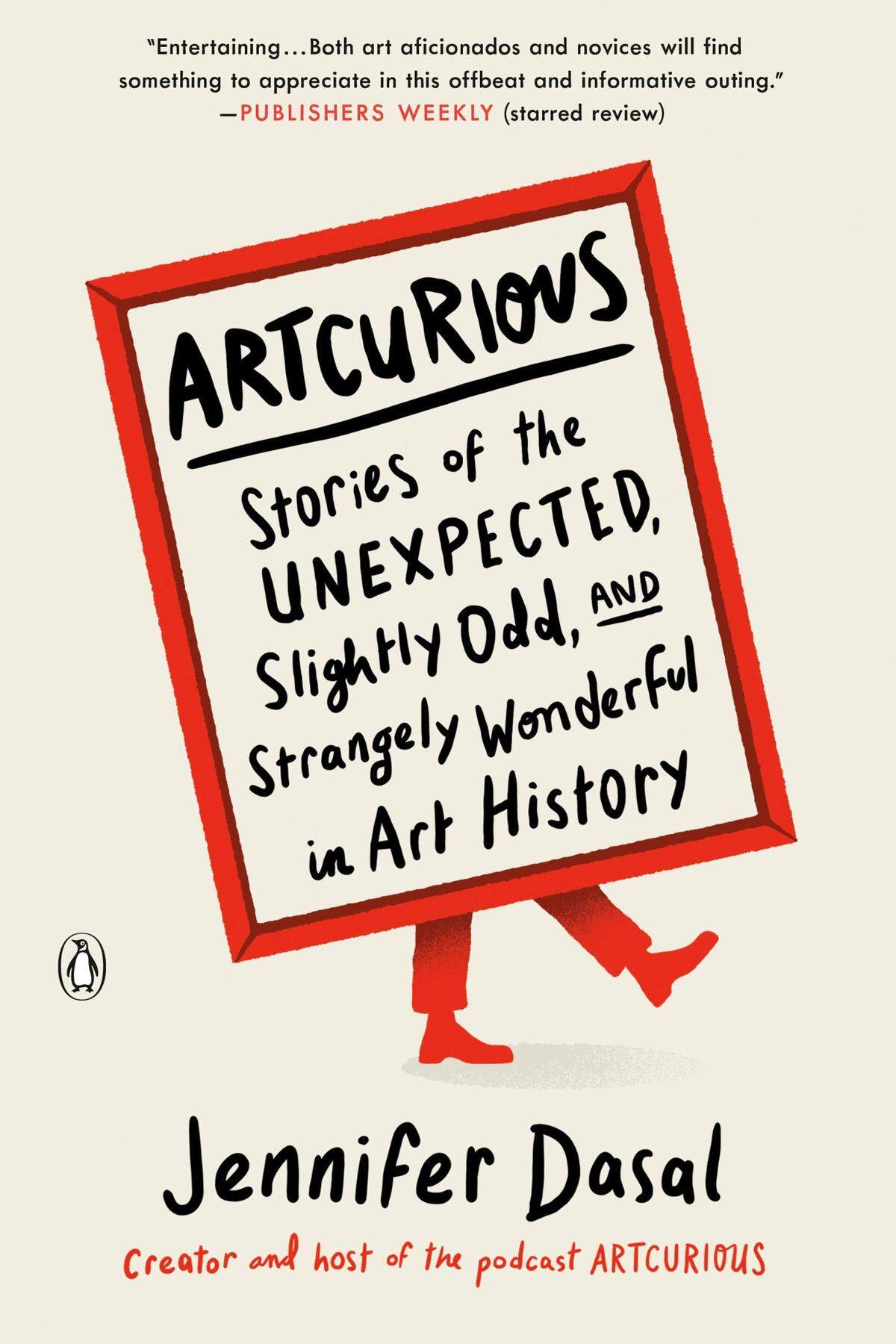
The book is an offshoot of Dasal’s “ArtCurious” podcast, which she started in 2016. The first episode was inspired during an airport layover, when she indulged her curiosity about an art history mystery one of her college professors had alluded to years earlier: Is the “Mona Lisa” hanging in the Louvre a fake?
The answers (or theories, anyway) were so tantalizing, that she was dying to share them.
“I started reading into it, and the more and more I read it, the more I thought, ‘This story’s wild, and how come more people don’t know about it?’” Dasal told The News & Observer in an interview.
As an avid podcast listener herself, Dasal, 40, thought that format would be a perfect fit for sharing the “Mona Lisa” story, and many others she’s come across in her work in the art world. “ArtCurious” was born.
The half-hour podcast, which has been highlighted in Oprah Winfrey’s O magazine, PC magazine, Parade and more, starts its eighth season Oct. 12. Its audience has been growing steadily, with about a half-million downloads since January and almost 65,000 total downloads in the last month.
Sharing juicy stories is one aim, but there’s something larger afoot as well, Dasal said.
“I feel very strongly that a lot of people don’t feel like museums are places for them,” she said. “Maybe they don’t see themselves represented. Maybe they don’t feel like they are, in some cases, smart enough to understand art. But if I can tell you a good story, maybe then you’ll start finding more interest somehow, or a way to want to dig in a little bit more.”

Art history is all about stories
Turning “ArtCurious” into a book provided Dasal, herself, a way to dig in a little bit more. Some of the chapters feature stories from her most popular podcast episodes, but many are entirely new stories. They’re written with well-researched precision but also a prominent sense of humor.
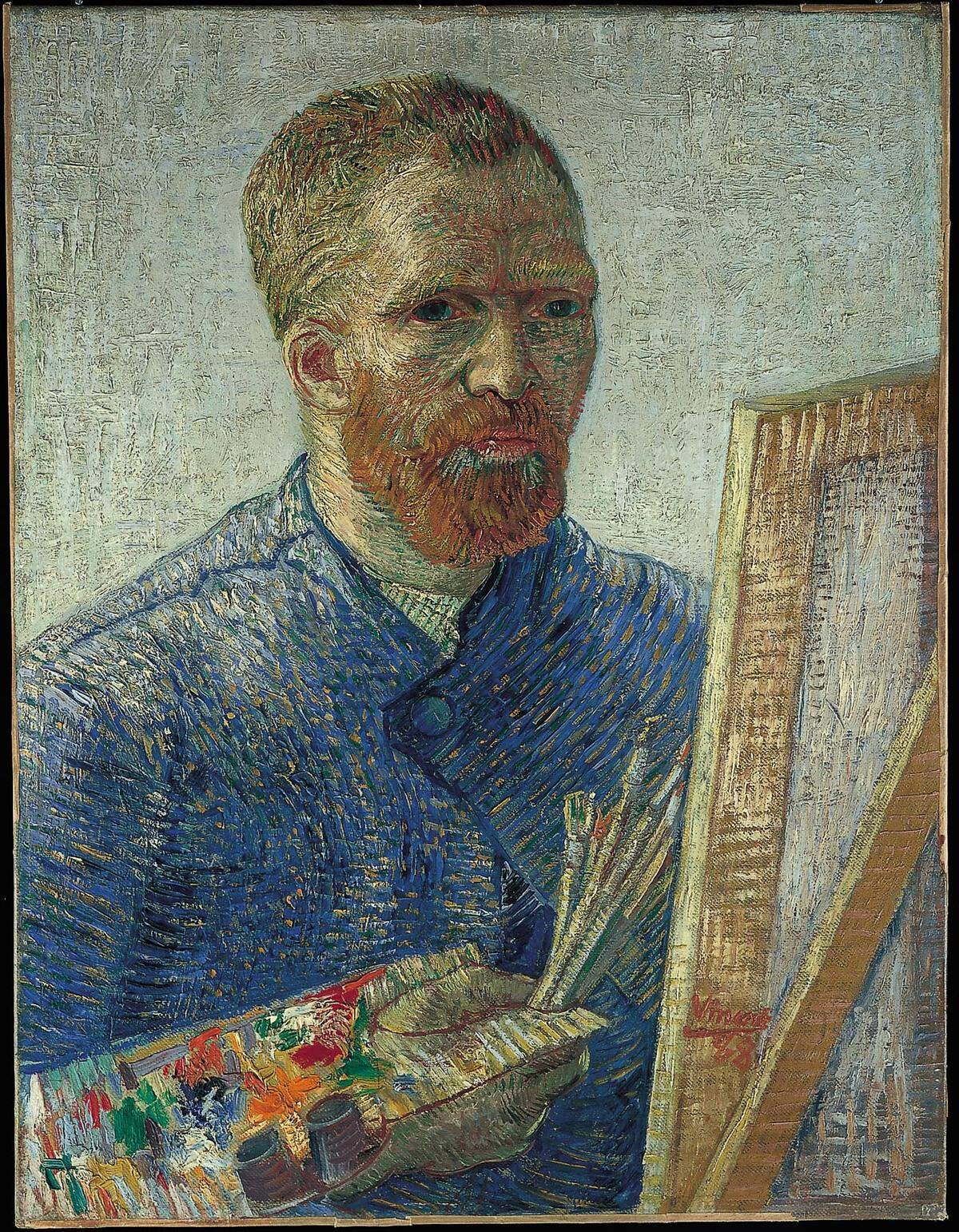
The book sheds light on the lives of some of the biggest names in the art world, including Claude Monet (you might think his water lilies are tame now, but at the time he painted them they were a statement); Vincent van Gogh (was he murdered?); and Norman Rockwell (his illustrations shifted from sweet to solemn later in life). Several chapters highlight women who may have been the unsung forces behind beloved art pieces, and some are just plain fun — including one that zooms in on music notation etched on the backside of one of the tortured souls depicted in Hieronymus Bosch’s “The Garden of Earthly Delights.”
Stories like these are what helped get Dasal hooked on art when she was in college, though it wasn’t an easy sell. As a freshman at University of California, Davis, she intended to study paleobiology. Art, as she explains in the book’s introduction, was “most definitely not my thing.” But an appointment with a course counselor during her first semester, seeking help to register for a required humanities class, proved to be life-changing.
“She literally took the course catalog book, opened it up and was like, ‘We’re just going to start at the beginning,’” Dasal recalled. “Art is in the A’s, and so it was really just like that. It was kind of like she was in control of what essentially became my future.”
Reluctantly, Dasal dragged herself to that art history class. But before long, she found herself going willingly, even eagerly.
“The professor made it so fascinating. And the more that I learned all those backstories, the more I was just like, ‘This is awesome. And I want to know more.’ And that kind of started me on the road.”
Even in her downtime, she was poring over her art history textbook, and by her junior year, she’d switched her major to art history.
“Art history, to me, is all about stories,” she writes in the book. “What compels an artist to create, what a subject or theme might reveal about an art collector or patron; how an artwork was received or reviewed when it was first made.”
She learned the dates artists worked and names of the artistic techniques they used, but much more interesting, she found, were “the hows and whys” of artwork — the circumstances in which a piece was created and in which it was viewed. She hopes the book and the podcast, as well as her work at NCMA, can help bring those lesser-known hows and whys to people, whether art is their thing or not.
“It might be able to connect you to a work of art or an artist a little more closely because a work of art is like a communication, it’s a conversation as much as anything else,” Dasal said. “And if you’re able to just get into a little bit more then all of a sudden you’ve made this connection.”
Behind ‘Spring on the Missouri’
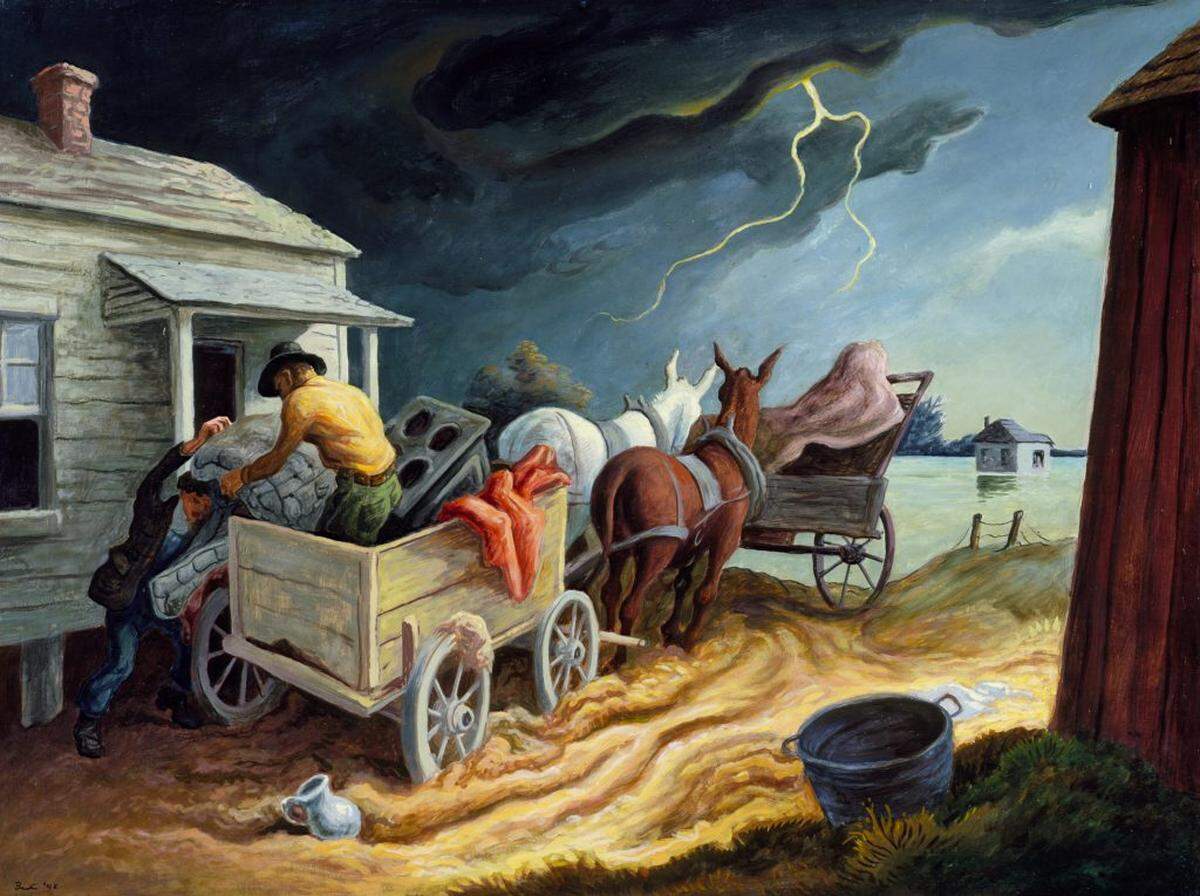
There’s a story behind every piece of art, including those on display at the North Carolina Museum of Art, where “ArtCurious” podcaster and author Jennifer Dasal works as a curator. A painting titled “Spring on the Missouri” by Thomas Hart Benton, which depicts a family frantically packing belongings into a horse-drawn wagon as floodwaters loom in the background, was previously owned by Harpo Marx.
“Marx collected what was contemporary American art during his lifetime, and he purchased the Benton after seeing it in an exhibition in 1946 in Chicago,” Dasal said. “There are images and news clips of Marx’s home in Rancho Mirage, California, that showcase this, one of his favorite acquisitions, over the fireplace. Very cool.”
When Marx bought the painting, Dasal added, Benton threw in a preparatory drawing for it — the only one known to exist. The NCMA recently purchased that drawing as well.
“So we now have this incredible document that attests to Benton’s working methods and the changes he made to his original composition,” she said.
This story was originally published September 11, 2020 at 7:30 AM with the headline "There’s a story behind every piece of art. ‘ArtCurious’ podcast, book aims to tell them.."