
The Call of Duty: How Crypto Is Changing the Way Games Are Played
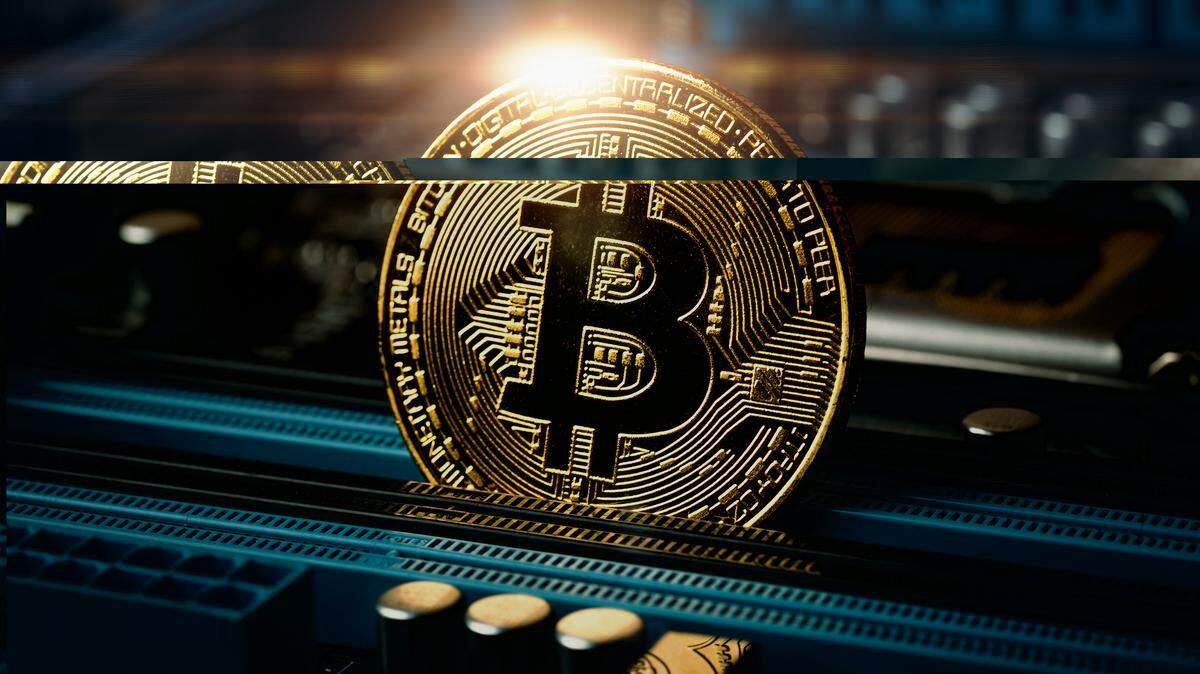
Things are being shaken up in the world of online gaming, mostly because of the dynamic and sometimes unpredictable nature of the cryptocurrency market. Some online games are experimenting with systems where player rewards, in-game economies and monetization models are linked to crypto coin prices.
This connection between market ups and downs and the digital family world is a major shift in how you are likely to experience your favorite games and the value you get from them. The boundaries between gaming and digital asset ownership are becoming less distinct.
Crypto as In-Game Cash
A major change all across the industry is the growing use and acceptance of digital money to buy things in games. Many top gaming platforms now let players use different cryptocurrencies for their in-game purchases. But this acts as more than just a new way to pay. It changes how players spend that money.
When crypto prices are on the rise, players who have made a profit from their digital assets are often more likely to spend that money in games. For these kinds of players, gains from digital assets can increase discretionary spending power for some players. This, in turn, can create a perceived link between off-platform asset performance and in-game activity.
Getting Paid to Play
The growing popularity of “Play-to-Earn” (P2E) models is one of the most obvious results of the blend of crypto and gaming, and one that was likely kicked off due to isolation issues during the COVID-19 lockdown. A study notes that “...this gaming model has drawn a large following of economically struggling players during the pandemic, many of whom are in the Global South.”
Basically, in P2E games, players earn native blockchain tokens as a reward for their time and effort. But the success of these models is highly dependent on the market. When crypto surges, the value of those in-game rewards can increase significantly. Higher reward valuations can attract new players and increase engagement among existing ones. It also keeps current players engaged. The higher the market value of the tokens, the more appealing the P2E concept becomes, blurring the line between gameplay and digital asset participation.
NFTs and Digital Assets
Non-Fungible Tokens (NFTs) have established the idea of true digital ownership within gaming. These tokens represent unique in-game items such as rare gear, character outfits, or virtual property. But, as with P2E, the desire to invest in these assets can be heavily influenced by the strength of the crypto market.
When crypto is strong, the perceived and actual value of these NFTs tends to climb, and this can encourage players to invest more readily in unique digital items, not just for looks or function, but because some users purchase NFTs with the hope that their value may increase. NFTs introduce speculative elements into in-game purchases and create a secondary “virtual market” where these assets can be bought, sold, or traded.
Gamers as Investors
The introduction of crypto has quietly but largely changed how many players approach gaming itself. A growing number of gamers now look at virtual worlds with the perspective of an investor. This can include buying and staking platform tokens earlier in their lives than they would have otherwise, an early exposure to digital asset concepts, and actively trading digital items speculatively.
For these players, the game is not just entertainment but a potential component of their broader digital asset activity. Consequently, the volatility of cryptocurrency values can instantly impact players’ choices within the game. This includes everything from jumping into new token offerings to deciding whether to keep or cash out on prized possessions.
The Role of Stablecoins
Because many gamers recognized that the crypto market can be incredibly volatile, some gaming platforms have started using stablecoins to handle basic gameplay transactions. An article reports, “Stablecoins complete transactions in seconds, operate 24/7/365, cost a fraction of traditional rails, and provide transparency. When crypto gambling platforms started using stablecoins, they could operate globally from day one.”
Stablecoins, which are linked to a steady asset like the US dollar, are designed to reduce price volatility for basic gameplay transactions, providing a reliable player experience. But these same platforms often still use more volatile cryptocurrencies for rewards and secondary market trading, which lets players benefit from the potential growth of blockchain assets while also offering an out should the risk of a sudden market crash start affecting their gaming experience.
A New Era of Gaming
The shifting financial landscape is beginning to change how online gaming is both built and played. Crypto price volatility and growth are not just outside factors any longer but important forces driving in-game economies, player motivation, and platform business models. As the integration of crypto and gaming continues, the line between someone who just plays games and someone who holds digital assets is becoming increasingly blurred, signaling a period of experimentation and transition within parts of the gaming industry.
Investing involves risk and your investment may lose value. Past performance gives no indication of future results. These statements do not constitute and cannot replace investment advice.
The information provided in this article is for general informational and educational purposes only. It is not intended as legal, financial, medical, or professional advice. Readers should not rely solely on the content of this article and are encouraged to seek professional advice tailored to their specific circumstances. We disclaim any liability for any loss or damage arising directly or indirectly from the use of, or reliance on, the information presented.
Members of the editorial and news staff of heraldsun.com were not involved with the creation of this content. All contributor content is reviewed by heraldsun.com staff.