Probe confirms NC juvenile detention problems. Some kids locked up, isolated.
AI-generated summary reviewed by our newsroom.
- Monitoring found solitary use and disciplinary isolation at multiple facilities in 2024.
- Education access inconsistent; many facilities missed required instructional time.
- Advocates urge ending solitary, more unconfined time, and better special‑ed tracking.
Reports of a bare room with a grated drain in the center, called “the Hole,” used as a disciplinary tactic in one facility. Emotional stories of being left in a cell in solitary confinement for hours on end in another.
Those are just some of the stories Disability Rights North Carolina’s 13-month monitoring project uncovered inside the state’s juvenile detention centers.
The watchdog group found that the care and treatment of young people navigating this system varies significantly from facility to facility, where the vast majority of residents locked inside in 2024 were between the ages of 13 and 17.
There were 14 facilities open when Disability Rights started its monitoring. The Madison County Juvenile Detention Center closed down in 2024 as a result of Disability Rights’ monitoring, according to the federally designated “protection and advocacy” organization. The last youth was removed from the facility in early January 2025. The group says most of the remaining facilities are in violation of state policies.
“The humanity with which a young person is treated, and the opportunities they are given, should not depend on the facility to which they are assigned,” Cari Carson, Education Team Supervising Attorney, wrote in a Thursday press release.
What disability advocates found wasn’t all troublesome, however. Facilities including the Alexander, Rockingham and Perquimans juvenile detention sites “had a robust positive behavior incentive system” where youth being held there could earn “an array of privileges.”
State officials haven’t said much about Disability Rights’ new report. Matthew Debnam, a state Department of Public Safety communications officer, said the agency is reviewing the findings.
Debnam also included a letter the agency released late last year in response to a previous Disability Rights publication on youth detention centers that outlines the lack of resources inside these facilities that lead to some of the issues the advocacy group is seeing.
That includes staffing challenges, overcrowding and a lack of resources to maintain security equipment.
Disability Rights is recommending changes to juvenile detention centers including eliminating the use of solitary confinement in state and county-operated facilities and ensuring federal laws related to education are being practiced accordingly
Time out of ‘cells’
The amount of time a confined young person spends outside their locked rooms, which the report calls cells, affects their rehabilitation, according to the report. In North Carolina’s juvenile detention centers, that time varies significantly.
In a few locations, young people spend most of their time outside of cells. In others, it’s the opposite, according to interviews conducted by Disability Rights.
“In only three facilities were youth out of their cells for almost all or all day, every day, allowing them full access to programming that is essential to their well-being and rehabilitation,” Disability Rights’s monitoring project found. “Predictably, in these facilities, young people reported a greater sense of well-being and safety.”
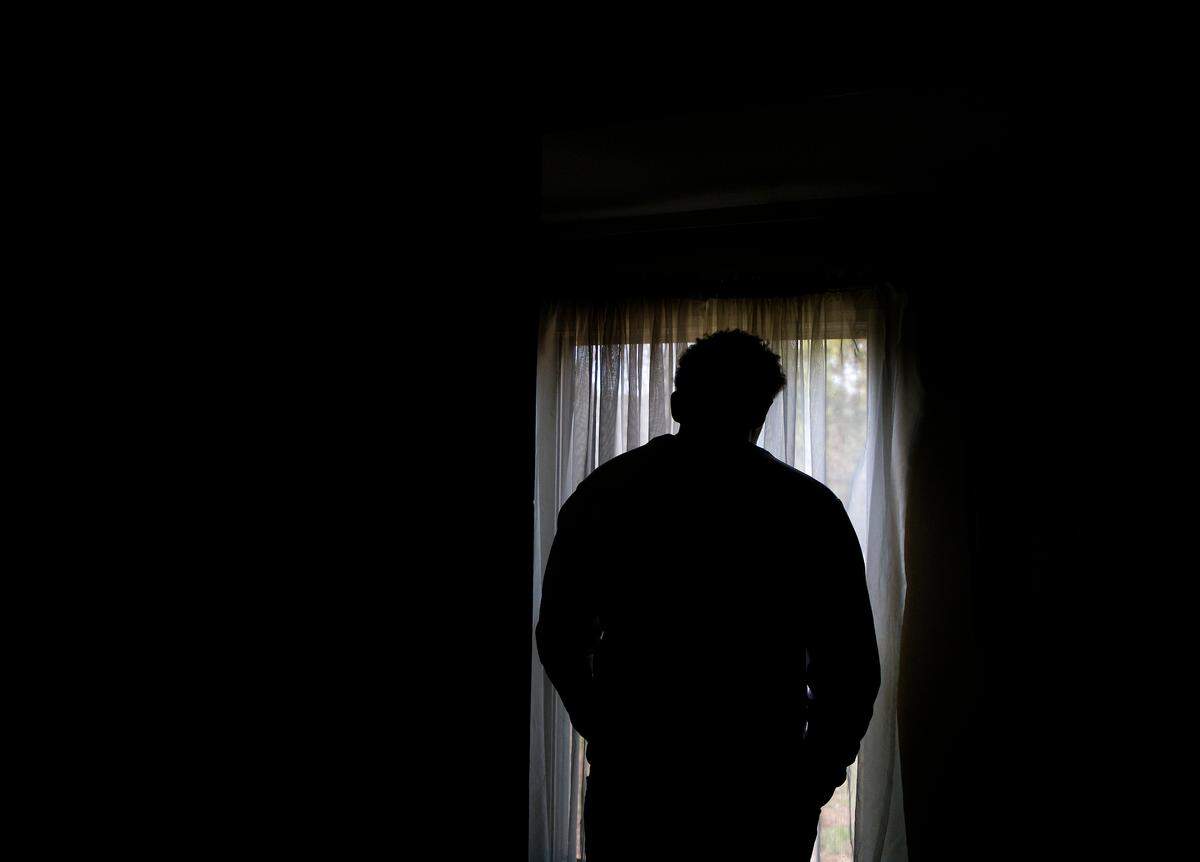
Solitary confinement is defined in the report as “keeping an incarcerated person locked in their cell for more than 22 hours a day.” The effects of this type of confinement includes insomnia, PTSD, depression and suicidal thoughts.
The risks of being kept in a room alone for long periods of time are greater for younger people, according to a report cited by Disability Rights.
Young people being held at facilities including the Cabarrus, Cumberland and Dillion juvenile detention centers reported being locked in their cells anywhere from 22 to 24 hours a day. Some said in interviews that on weekends, they got to spend some time away from their cells.
The Pitt facility, near Greenville, “often used solitary confinement” during Disability Rights’s first monitoring visit, according to the report, but was used “to a lesser extent on a subsequent visit – with some youth on the subsequent visit being out of their cells for up to 5 hours a day.”
‘Harmful’ disciplinary actions
Disability Rights found what it calls “egregious” discipline in some of the facilities it monitored. That includes the Durham County Youth Home.
Some young people being held at the facility reported there was a room where administrators would put youth locked in the facility as discipline. Photos included in Disability Rights’s report show it is bare with a grated drain in the center.
It’s called “the Hole.”
“Youth reported lengths of stay in the Hole anywhere from 2 days to 2 weeks,” Disability Rights’s report found. “Alarmingly, the Hole was also used for suicide watch purposes.”
Durham County Youth Home representatives denied the watchdog group’s claims about the room. In a written response to Disability Rights, they said the facility “does not and will not place residents in any form of solitary confinement or ‘hole’.”
“DCYH does not have any rooms that are designated, labeled, or referred to as ‘the hole.’ We have Special Observation rooms that are designed for and used as mental health observation rooms. These Special Observation rooms are not used as a response to behavior problems,” the statement continues.
But the name, according to Disability Rights, was used by multiple interviewees while they were being held at the facility.
Disability Rights received a report from the New Hanover detention facility of someone being placed in a prone — or face-down — restraint to “manage a youth’s behavior.” Disability Rights also received other reports of staff using excessive physical force for the same reason.
Education inside NC youth detention centers
Students inside the state’s juvenile detention system are required by state law to have 220 instructional days, which averages out to a little over 4 hours a day during the week minimum to meet that standard.
The Alexander juvenile detention center is the only facility Disability Rights monitored that met the state’s minimum educational time requirement, “per several — but not all — youth’s reports.”
People being held in some facilities reported that classes were cancelled often. And in other facilities with limited out of cell time, education also seemed to be limited, per observations made during facility visits by Disability Rights.
Some students held in these facilities with disabilities reported that they did receive special instruction, while others did not — despite being in an individualized education program, according to the report.
Recommendations from Disability Rights
Disability Rights recommends many changes to how juvenile detention facilities operate when it comes to time out of cell, education and disciplinary actions.
The watchdog group says every facility should follow the state policy requiring at least 4.6 hours of school every day during the regular school year and a summer term. It’s also calling on the state to offer a path to a high school diploma “to all youth who desire it.”
For people with disabilities being held in these juvenile detention facilities, the report recommends that administrators have access to the state’s special education data platform to quickly find out whether a youth is in an individualized education program.
Disability Rights issued 13 recommendations related to getting residents out of their small rooms in facilities across the state. That includes required programming to maximize time out of the cell and meals be provided in a general area, rather than someone’s cell.
This story was originally published February 20, 2026 at 1:30 PM with the headline "Probe confirms NC juvenile detention problems. Some kids locked up, isolated.."