New NC law means teachers are providing fewer books for their students to read
AI-generated summary reviewed by our newsroom.
- New 2025 NC law requires teachers to catalog classroom books for public lists.
- Teachers report scaling back or closing libraries due to time and scrutiny.
- Parents and advocacy groups plan to review lists; districts set varied compliance rules.
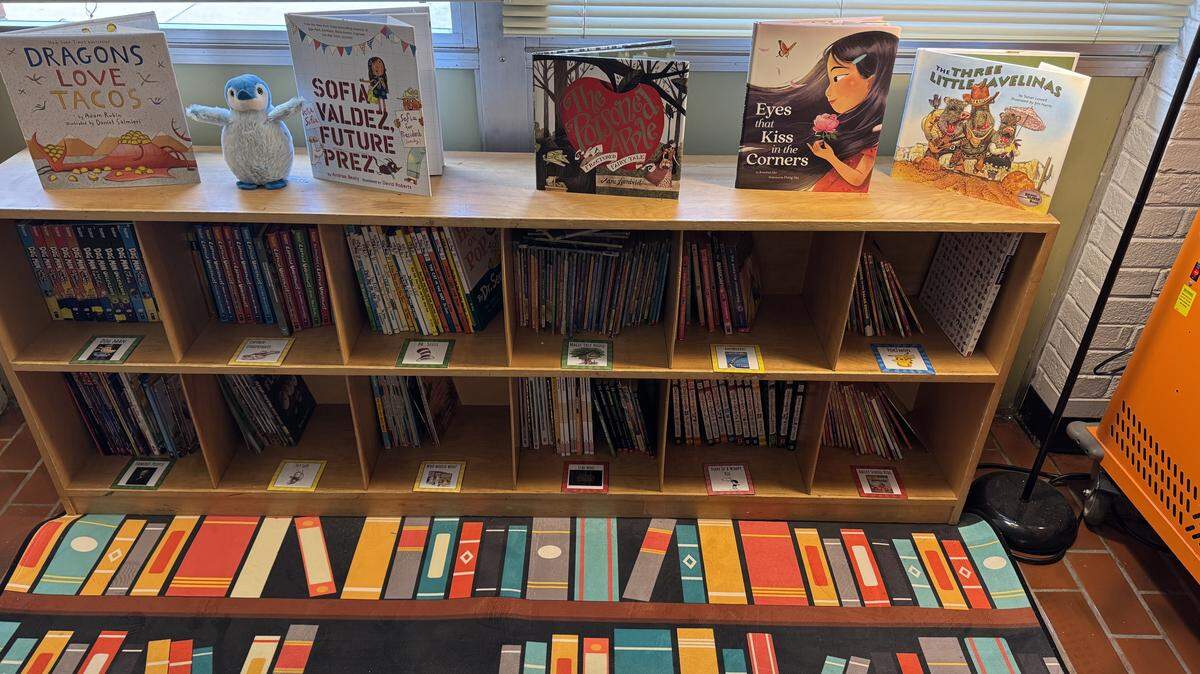
Some North Carolina teachers are scaling back or shutting down their classroom libraries in response to a new state law requiring them to catalog all their books so they can be listed online.
The new state law, passed in July, requires school districts to post the names of all library books in each school, including the books that teachers keep in their classroom libraries. The new requirement for teachers to catalog hundreds of books — and in some cases more than 1,000 — has drawn complaints from educators statewide.
“I find it really disheartening because I feel like we’re losing the trust that we once had to do our jobs,” Christian Underwood, a Catawba County elementary school teacher, said in an interview with The News & Observer. “You know, five, 10 years ago, no one ever thought about having to have access to every single book in a teacher’s classroom because they trusted their teacher.”
But some advocates of the new law question the motives of teachers who are complaining about the cataloging requirement.
“Teachers should be excited about the opportunity to show parents what they’re teaching their children in the classroom, and if they’re not, maybe they’re trying to cover something up,” Tami Fitzgerald, executive director of the N.C. Values Coalition, said in an interview.
States requiring teachers to catalog their books
North Carolina is among several states with Republican legislative majorities — including Florida, Tennessee and Texas — that have passed laws requiring teachers to list their classroom books online.
“All we do all day long is try to encourage kids to read, and we know that the real reason the bill is here is certain politicians are scared of kids having access to certain kinds of books,” Bryan Proffitt, vice president of the North Carolina Association of Educators, said in an interview. “The books that address the lived realities of students of color, LGBTQ+ kids.”
North Carolina’s new law allows parents to identify the books in classrooms and the school library that they don’t want their children to read.
“Parents all over the state are complaining about teachers abusing their authority as teachers and teaching things that don’t match the values of the parents,” Fitzgerald said. “And so the whole point here is to require teachers and schools to tell parents what they’re teaching so if parents want to, they can opt their kids out.”
But Carrie Lee Whitaker, the parent of a Raleigh elementary school student, said the new catalog requirement is unnecessary. Whitaker said she trusts her daughter’s third-grade teacher to only provide appropriate books in her classroom library.
“These lists are unlikely to be utilized by many parents,” Whitaker said in an interview. “Most parents trust their teachers to select appropriate books for their classroom libraries. Any teacher I’ve ever met or librarian I’ve ever met has an open-door policy if parents have concerns.”
Teachers build up their classroom libraries by buying the books with their own money or through donations. The Wake County school board has split over some grants for classroom books because conservative members objected to the groups teachers would get books from.
One group that will look at the new lists is the Pavement Education Project. The non-profit group already uses public data to list the books it says shouldn’t be in North Carolina public school libraries.
“This is a great opportunity for teachers to be transparent and show parents the wholesome books included in their classroom libraries that they are using to support the standards,” the Pavement Education Project told The N&O. “We look forward to reviewing those spreadsheets in Wake Co and throughout the state.”
Schools limiting what teachers can put out
House Bill 805 became law on July 29 over the veto of Democratic Gov. Josh Stein. The book cataloging requirement does not apply to charter schools.
Some school districts, such as Charlotte-Mecklenburg and Catawba, are requiring teachers to catalog books before putting them in classrooms for students to read.
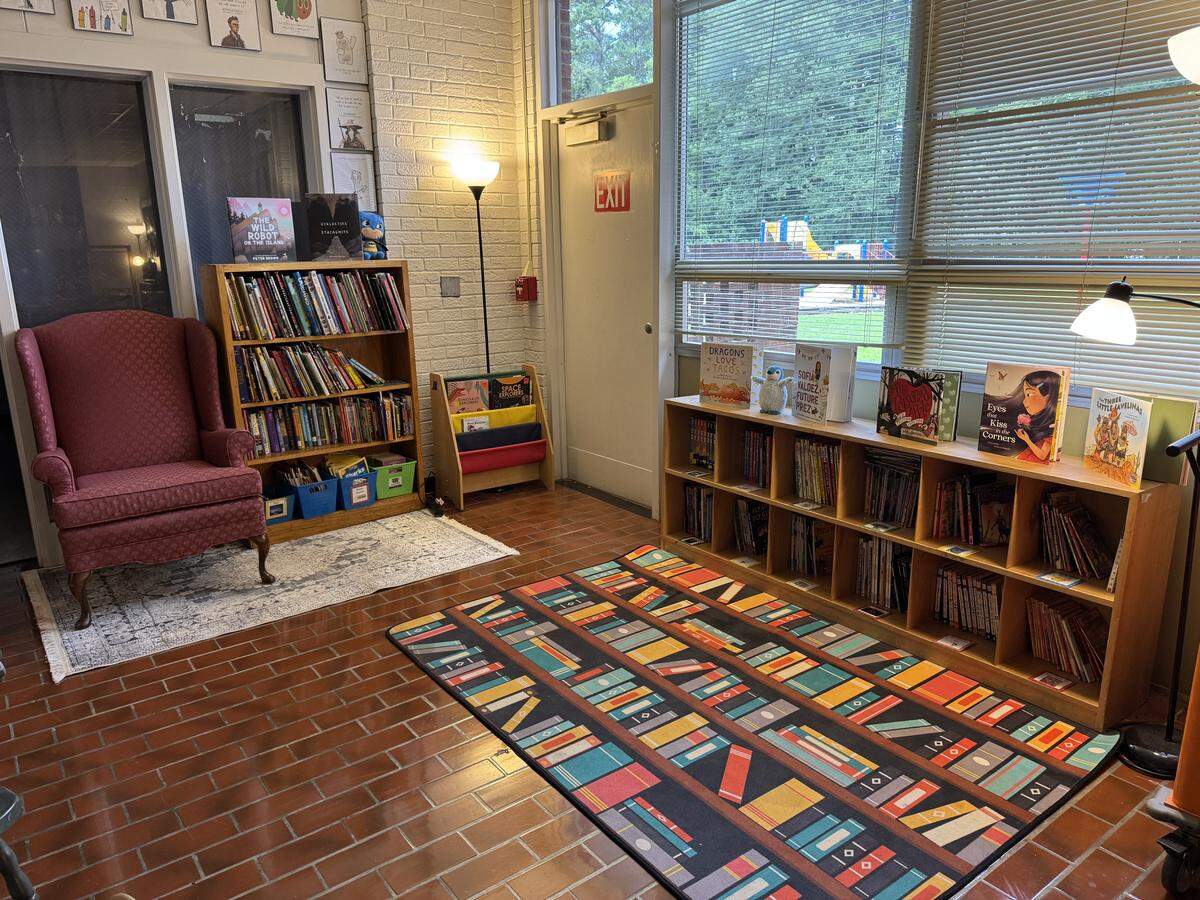
Pender County is now requiring teachers to get approval from their school’s Media and Technology Advisory Committee before they can have books in their classroom library that aren’t in the school library.
“To comply with House Bill 805, all books made available to students for independent reading must be listed in the school’s catalog,” Bob Fankboner, a Pender County school spokesperson, said in an email to The N&O. “This ensures transparency for families.”
Fankboner says this process is designed to maintain compliance with the law while still supporting teacher flexibility and strong classroom collections.
Wake County sent guidance to schools on Sept. 19 on cataloging the books in the district’s 10,000 classrooms. But a district spokesperson said Wake hasn’t required classroom library books to already be part of the school library collection or to be cataloged by the teacher before students can read them.
Teachers are ‘closing their classroom libraries’
Underwood, the Catawba County teacher, got all 1,311 of his classroom books cataloged. But Underwood is among the educators and parents who say they know teachers who have either eliminated or scaled back their classroom library collections this school year.
“I know some teachers are minimizing their library greatly, you know, or putting things in boxes that maybe will come out throughout the year,” Underwood said.
Megan Hill, a Charlotte-Mecklenburg elementary school art teacher, cited the example of a veteran teacher she knows.
“She put out only like specific topics, so that she wouldn’t have to do every single one, because she said she had different priorities, like doing all their assessments,” Hill said in an interview.
Michele Buday, a retired teacher and the mother of an elementary school teacher, said the huge time commitment involved in cataloging the books is a burden on educators.
“Teachers are right now closing their classroom libraries that have been cultivated over years and years,” Buday said in a Sept. 19 Facebook post. “And please understand why. It is not because they have books in their classroom libraries that may be controversial.”
‘Very easy thing’ to comply with state law
Fitzgerald of the N.C. Values Coalition downplayed the difficulty of cataloging the books.
“It’s a very easy thing to comply with,” Fitzgerald said. “And if teachers are having a hard time complying with this provision, I’m sure we could bring a bunch of volunteers to their classroom to help make lists of the materials just sitting in their classroom.”
Teachers and parent-volunteers have been using AI programs to help with the cataloging. But Whitaker, the Wake County parent, said it’s still taken hours for her to do a single classroom in her daughter’s school.
“I want my daughter to have a robust selection of books,” Whitaker said. “I don’t want teachers to turn down donations of books because they have this extra step of logging them.”
If it’s taking that much time, Fitzgerald said, “maybe they should reduce the number of supplemental materials they have in their classrooms.“
Impact of having fewer books for students
Some teachers said there will be consequences from having fewer books for children to read in their classrooms, especially for younger students.
“Having them as part of the classroom culture can increase that love of reading, or that interest in reading,” Underwood said. “And if they’re not there, it’s kind of out of sight, out of mind.”
Hill, the CMS teacher, said there are children who haven’t gotten books to improve their reading skills because of the new law.
“Kids are already struggling with reading right now, and they don’t want to read, per se,” Hill said. “So in my experience, if they aren’t even having access to books, they’re not going to want to read the books they don’t have access to.”
But Fitzgerald said there could also be a benefit from the law causing teachers to put up fewer books in their classrooms.
“I hope that some of the obscene books that have been found in classrooms are are being shut down and taken off the shelf by these teachers,” Fitzgerald said.
This story was originally published October 6, 2025 at 6:30 AM with the headline "New NC law means teachers are providing fewer books for their students to read."